May 29 – Junes 2.
On the third day in the rain I traveled up the west side of the park, which consists of waterfalls, Fountain Paint Pots, Firehole Canyon Drive, and Mammoth Hot Springs. Firehole Lake drive was not open on either day as I went by. The first stop is the Fountain Paint Pots.
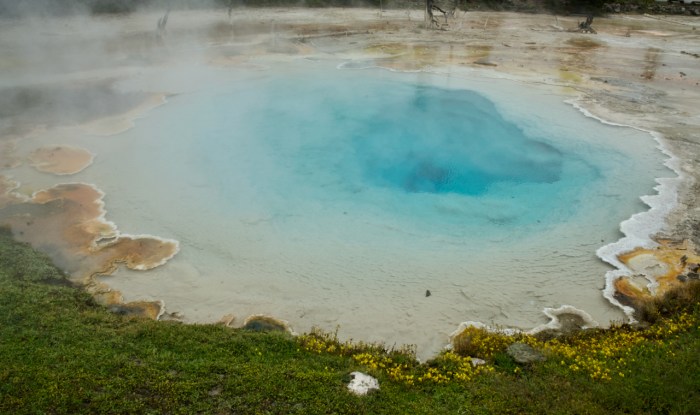
The first image is Celestine Pool with an average temperature of 183 F. The second image is Silex Pool containing a lot of dissolved silica which can recrystallize on the edges.

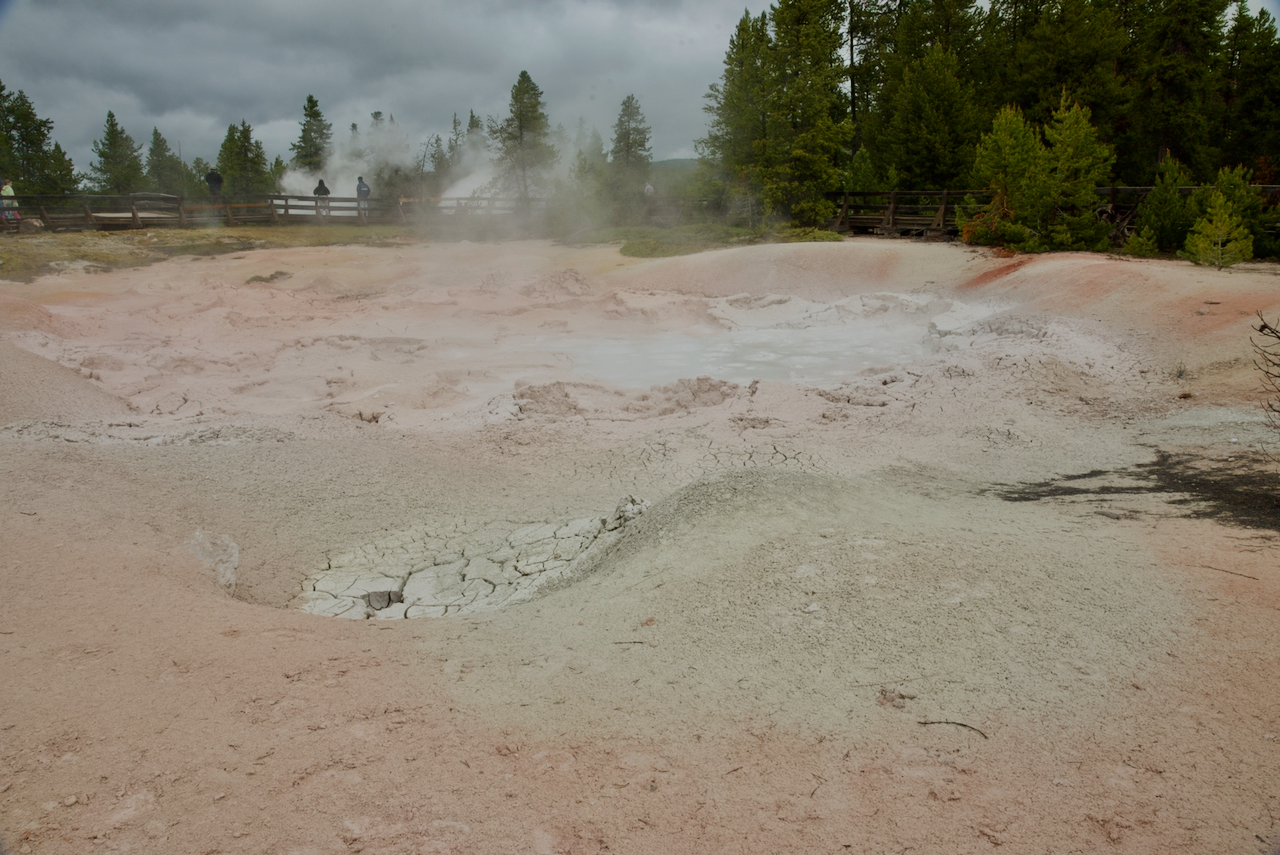
These photos show fumaroles which are also called mud pots. These are thermal features where there is not much water, so the little amount of water bubbles forming burping mud pots.

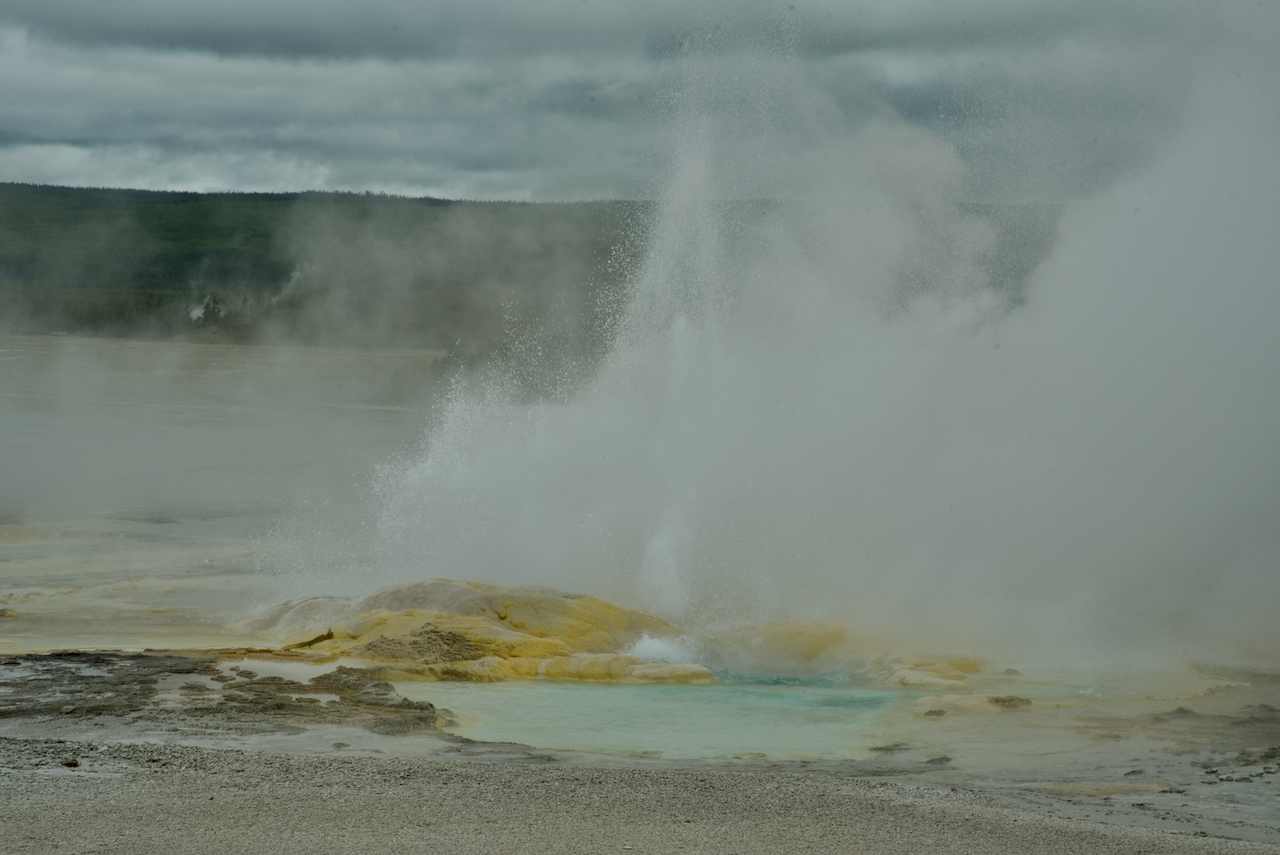
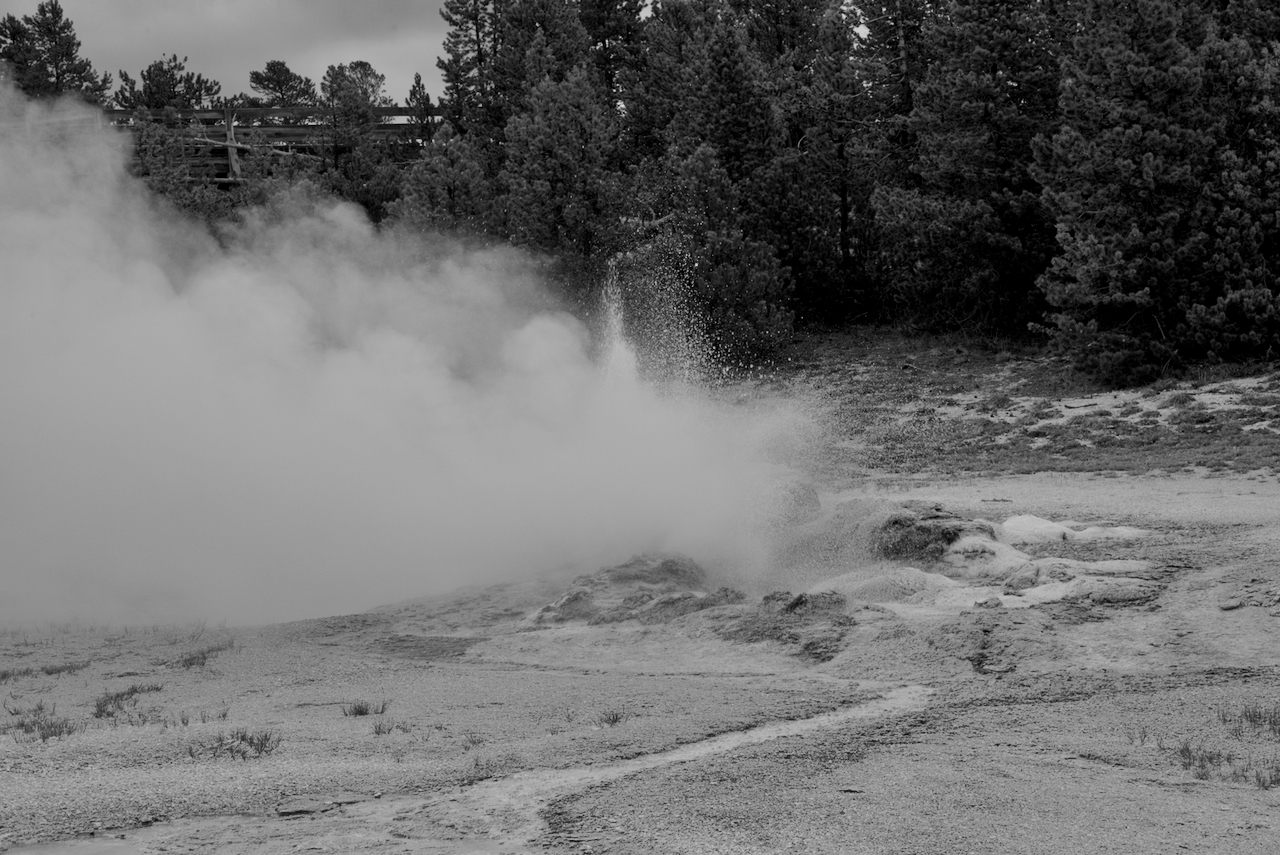
This is the Clepsydra Geyser and the Fountain Geyser.
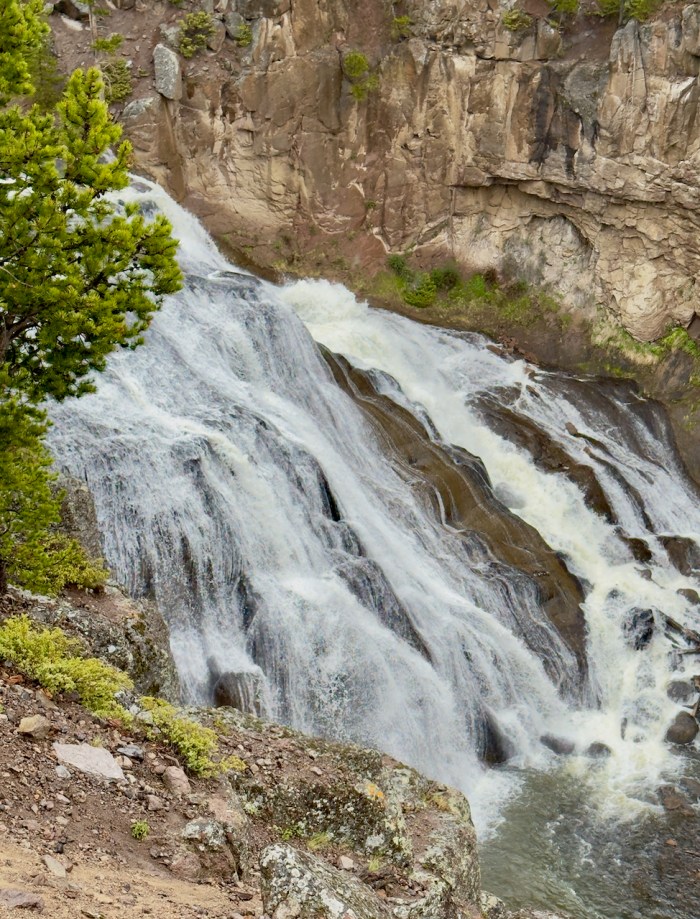
Just south of the Madison Junction (west entrance) is the one way Firehole Canyon Drive with many waterfalls and rapids.
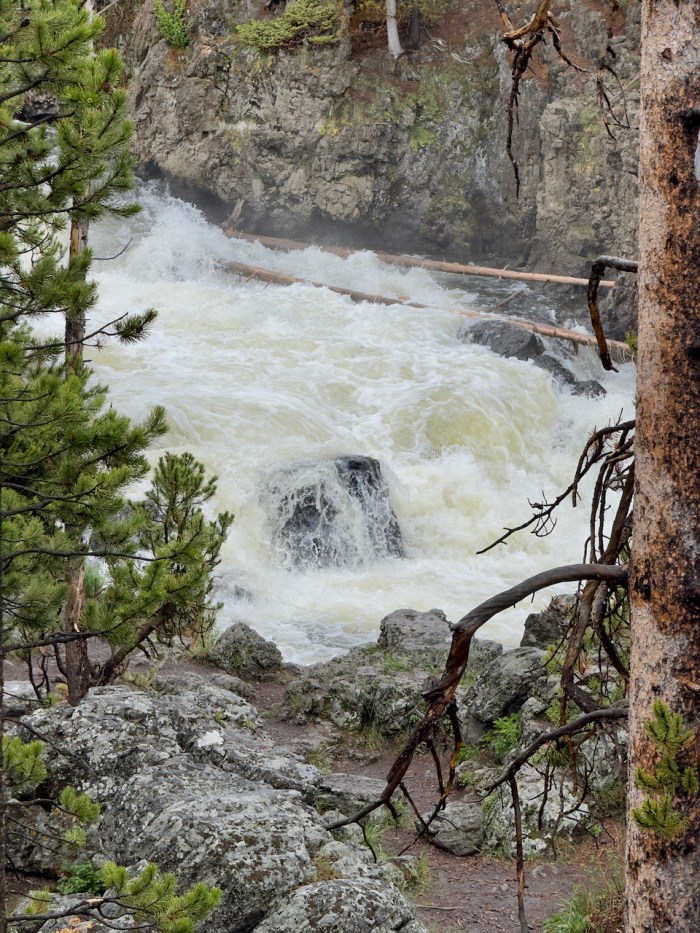
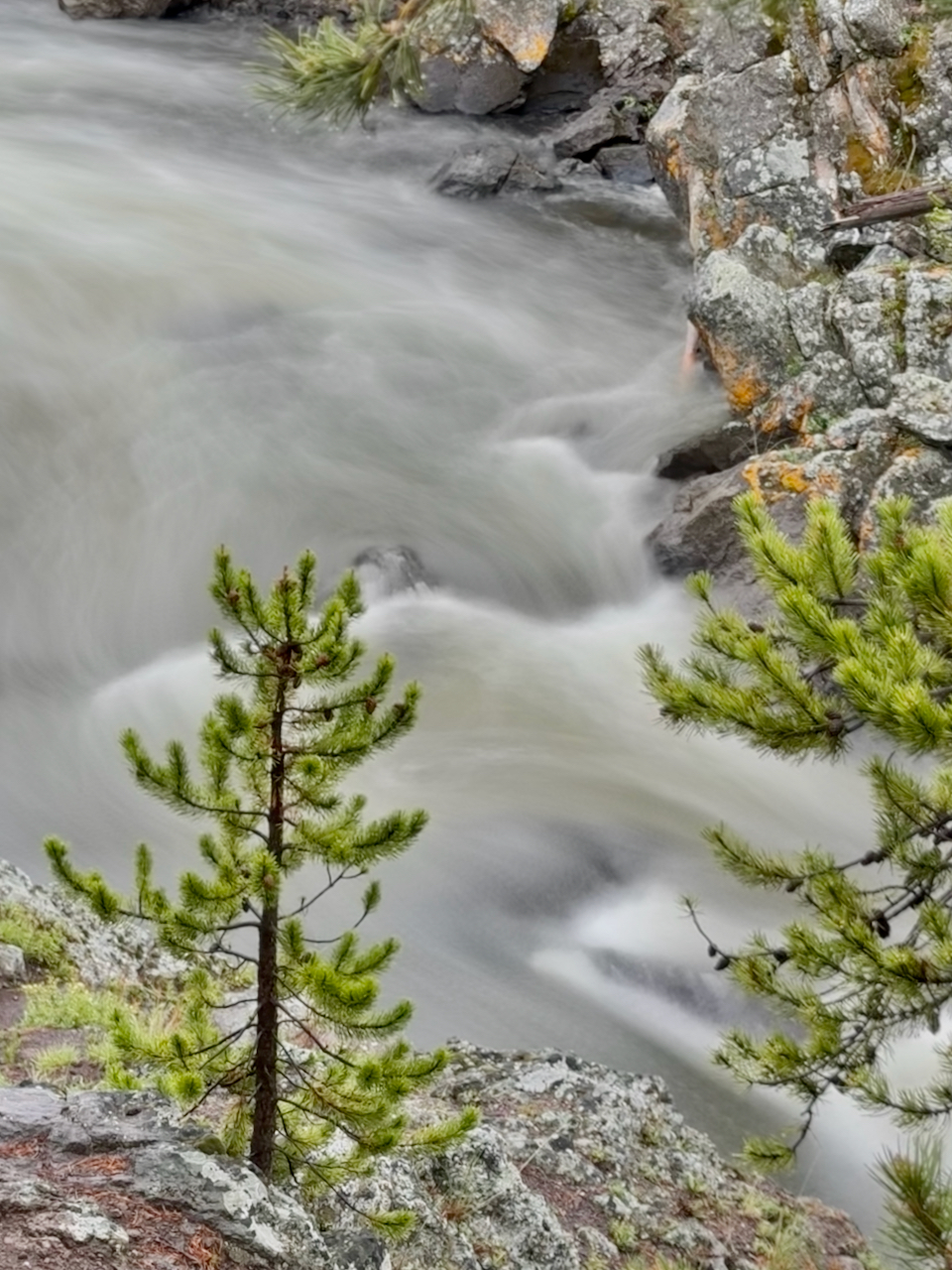

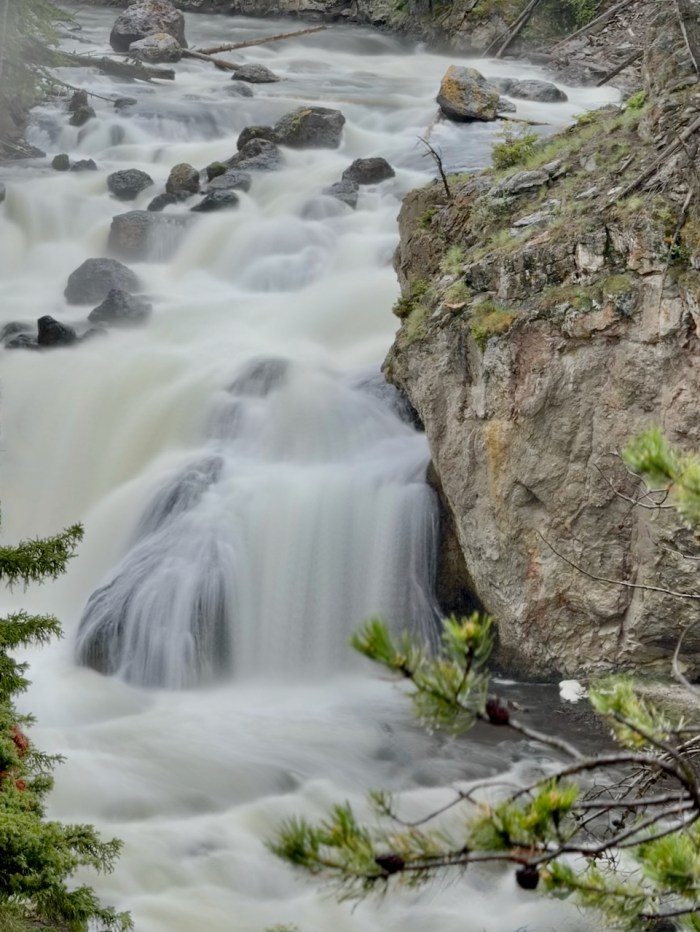
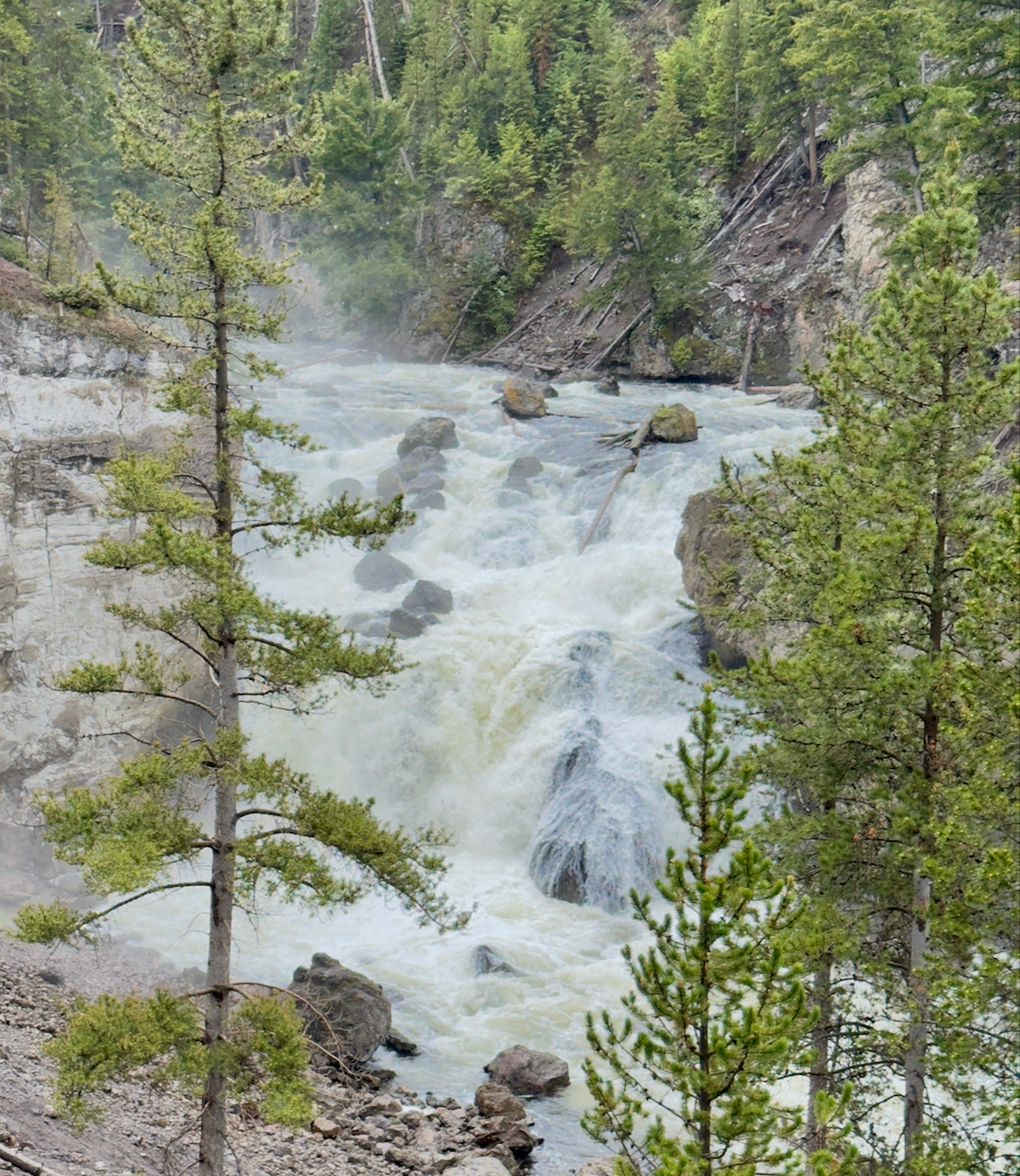
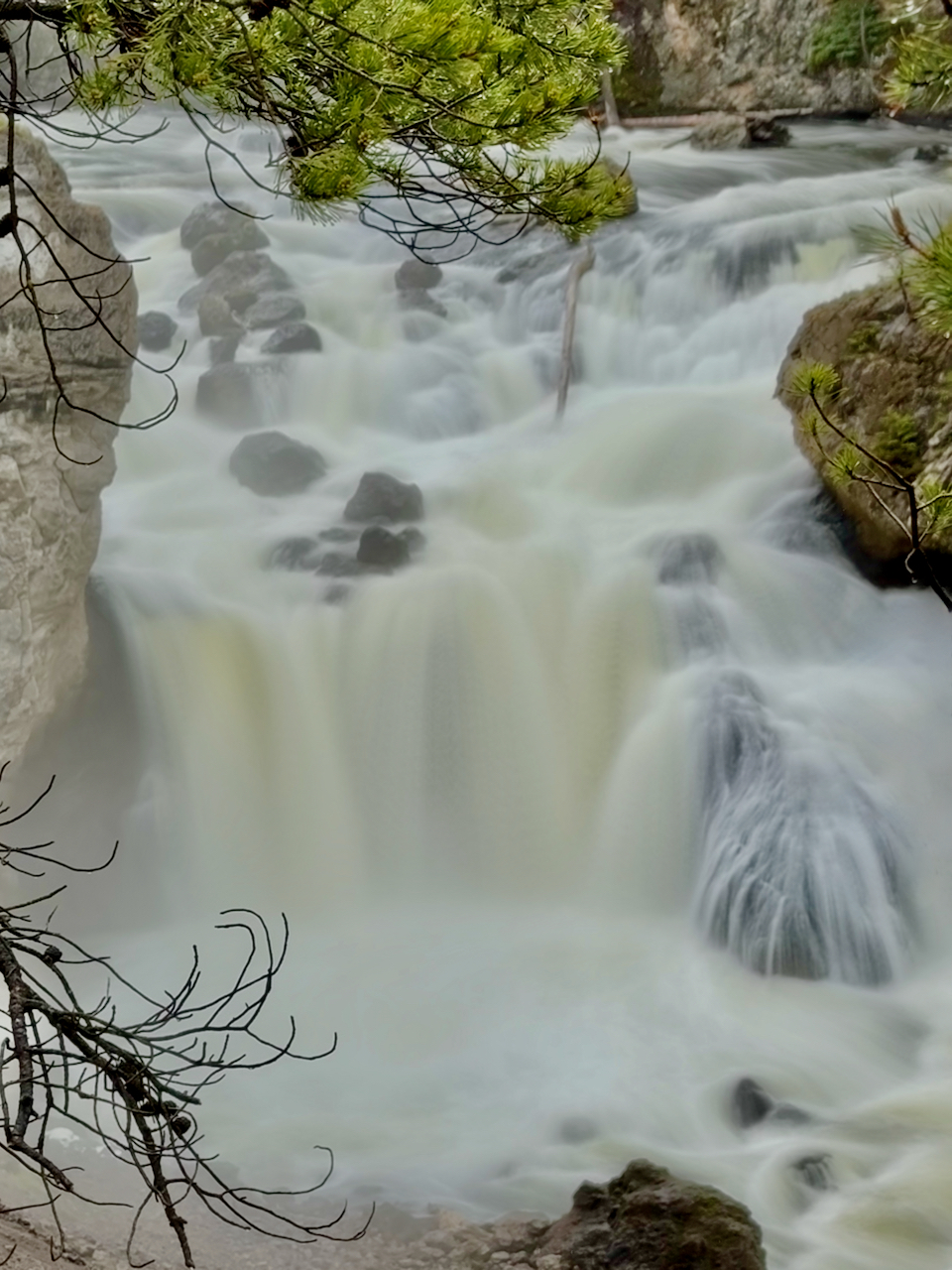
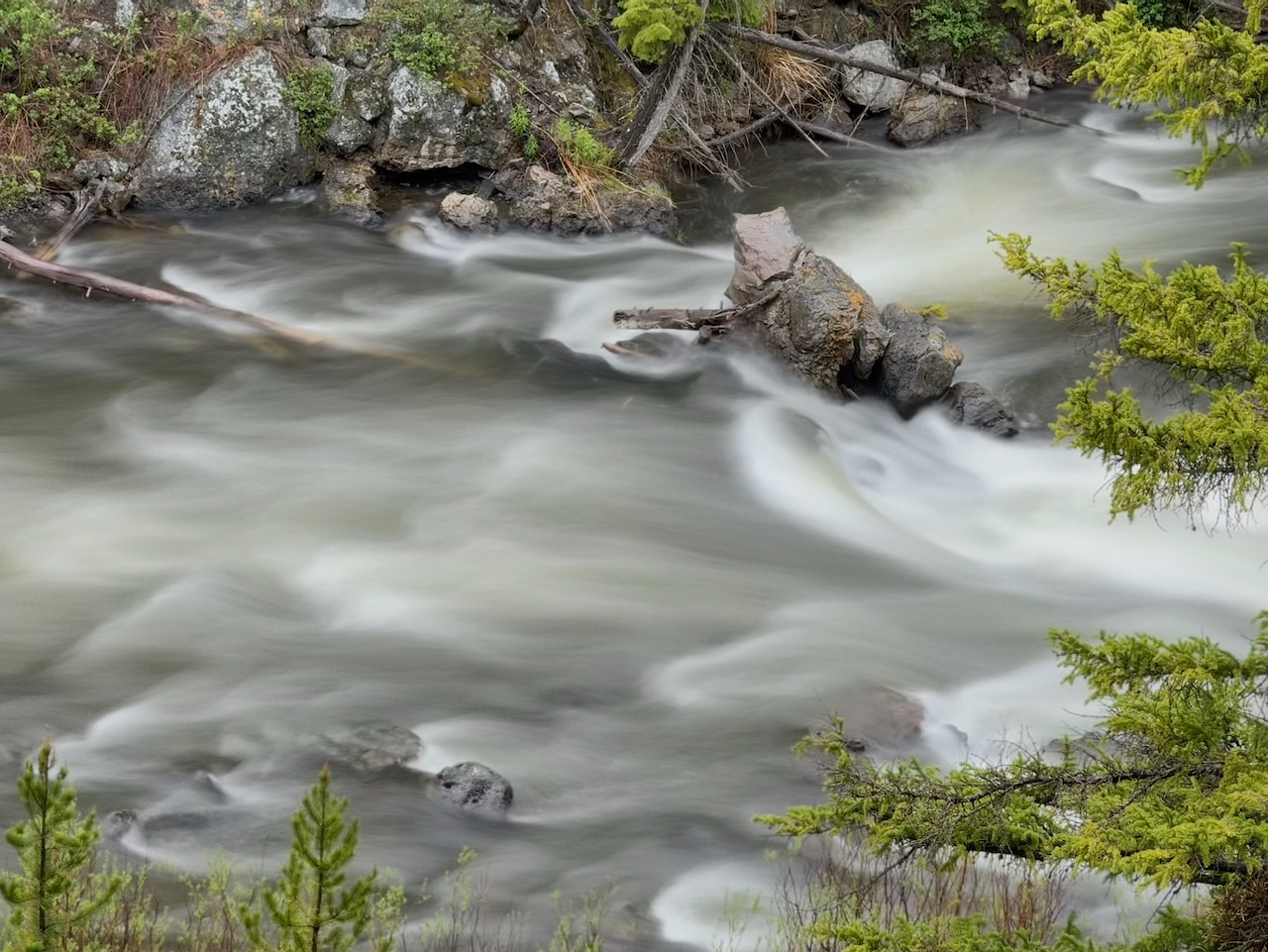
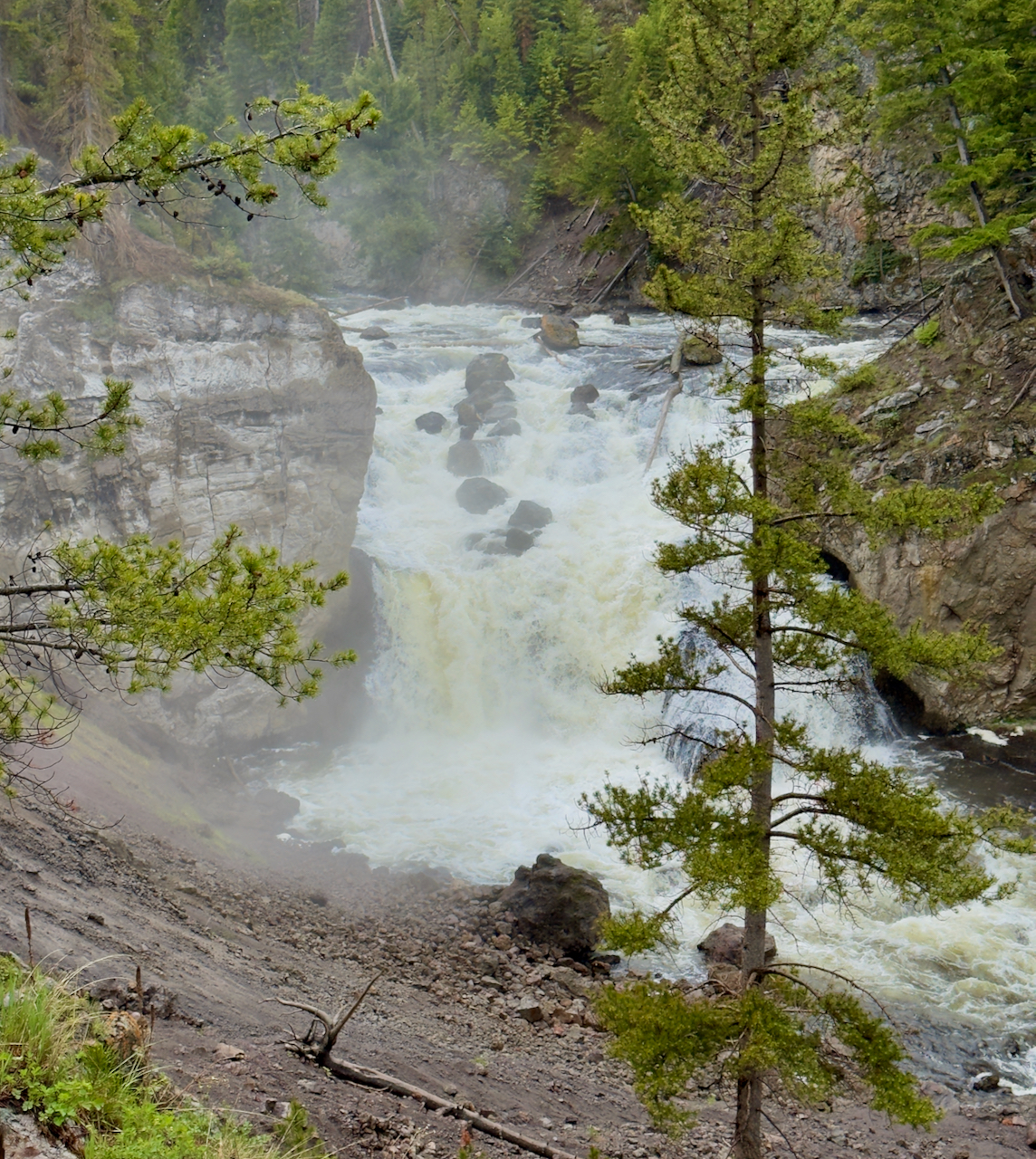
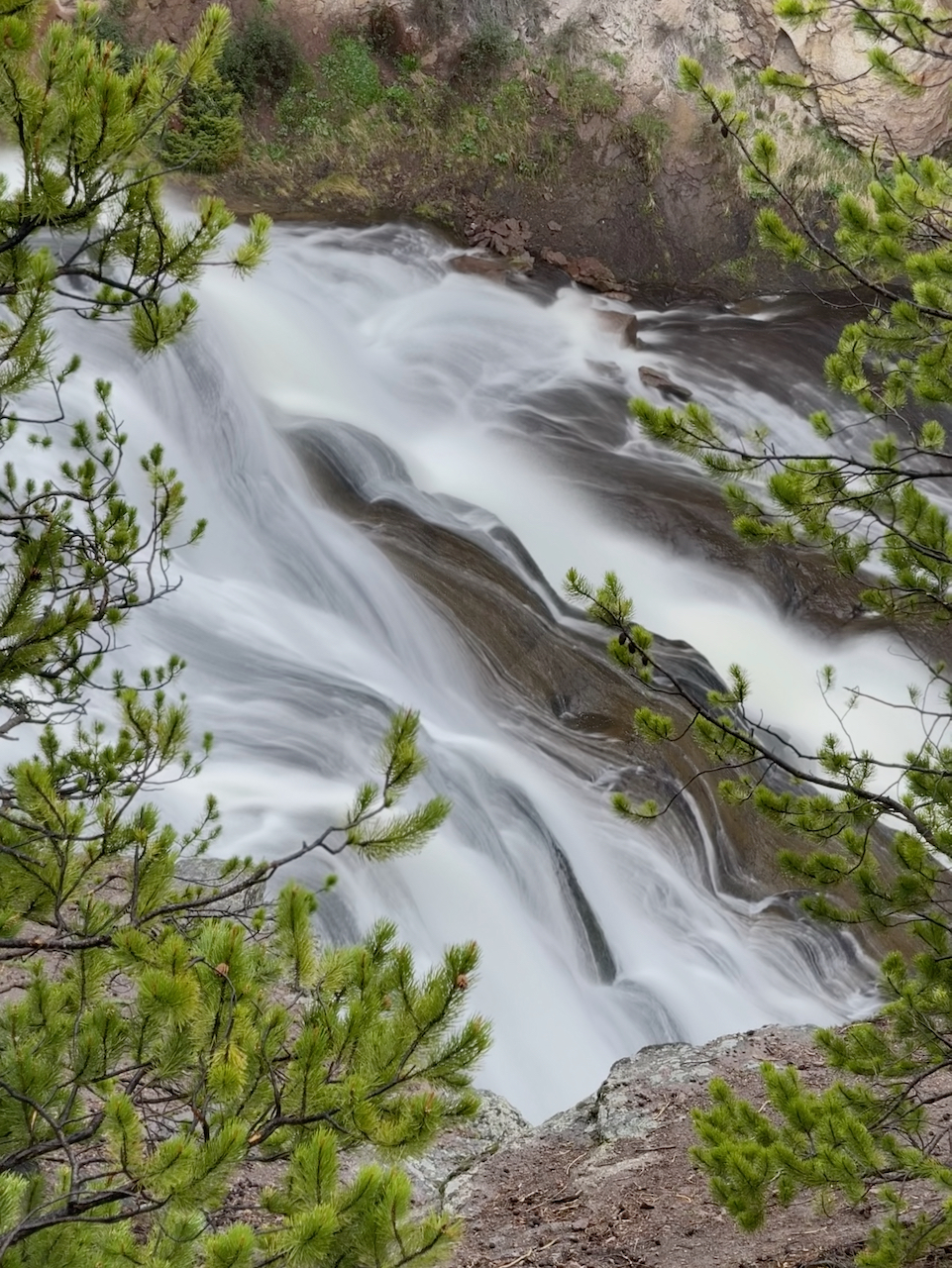
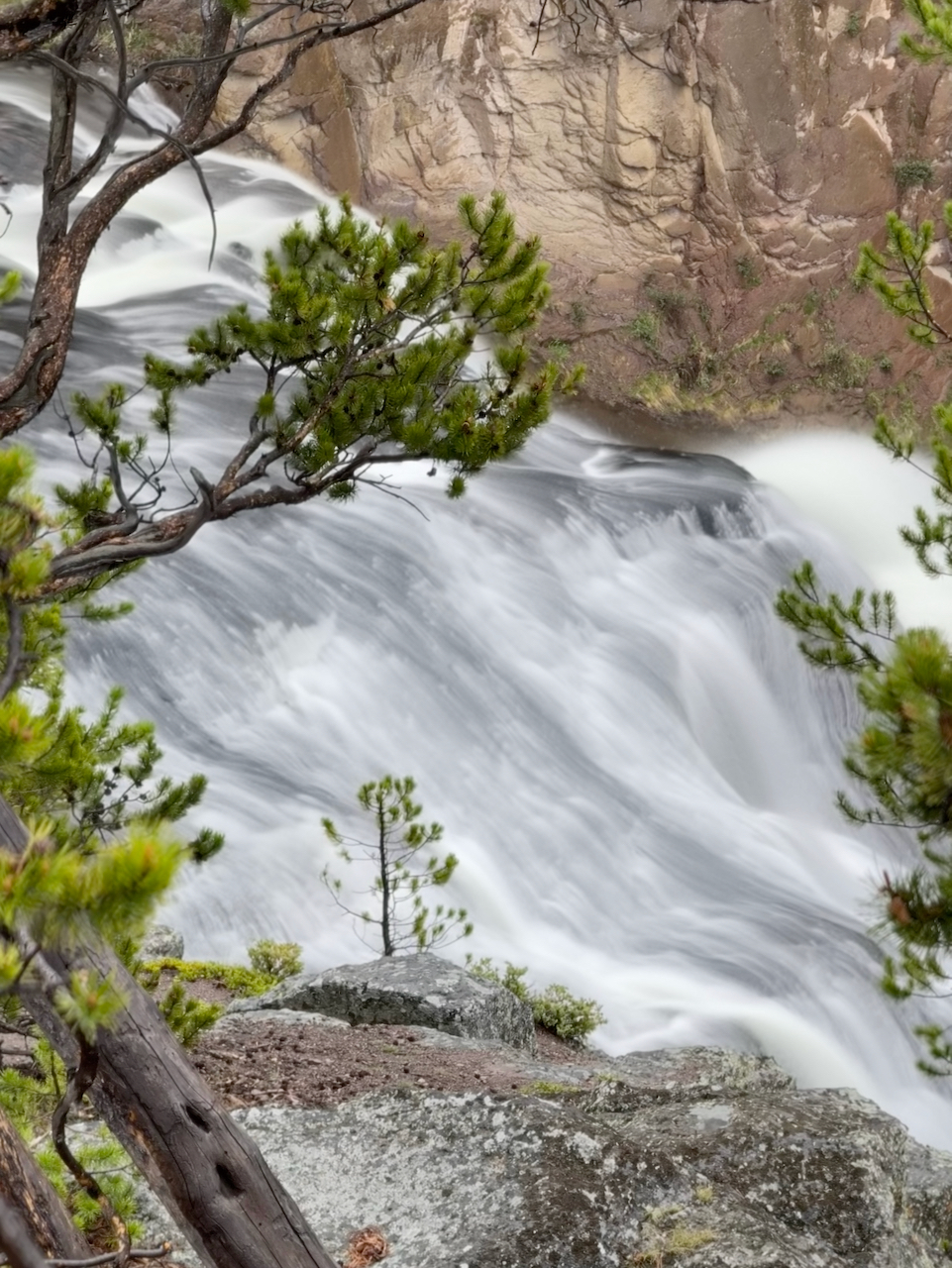
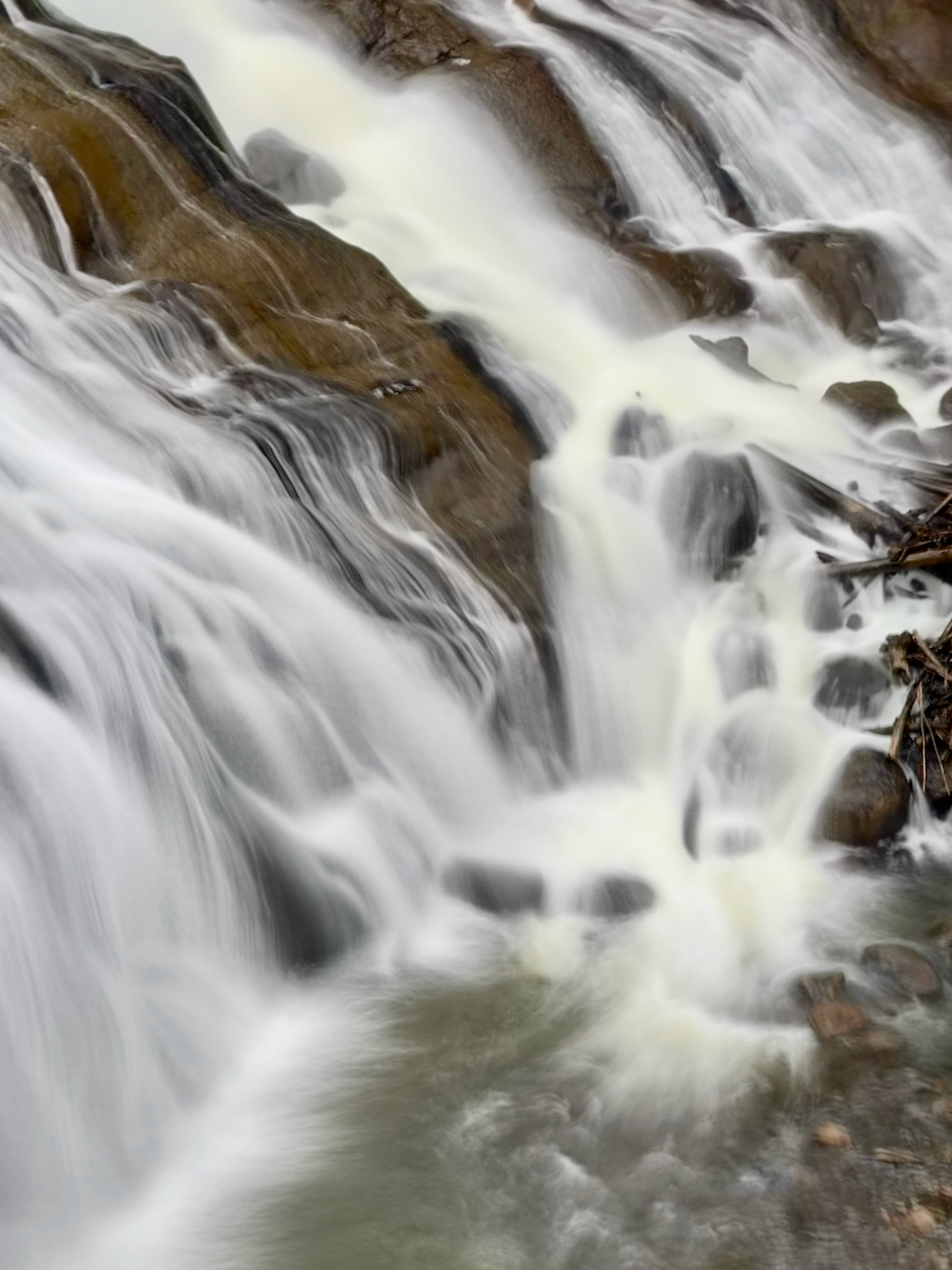
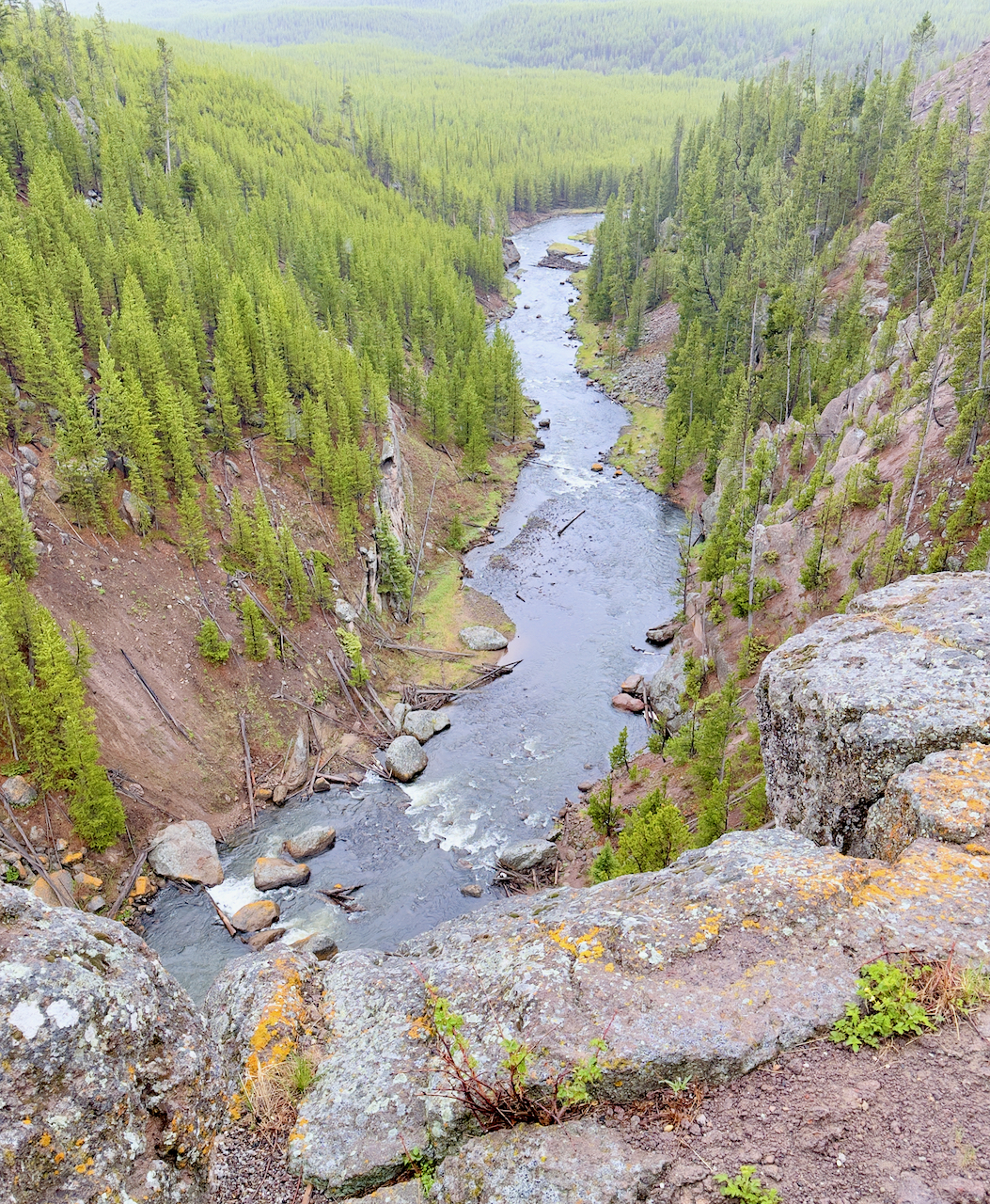
This is Gibbon Falls on the Gibbon River just northeast of Madison Junction.
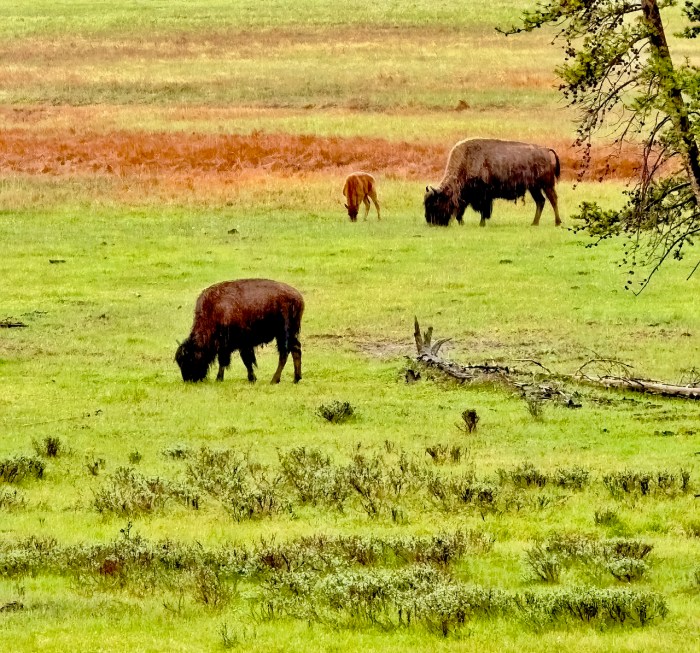
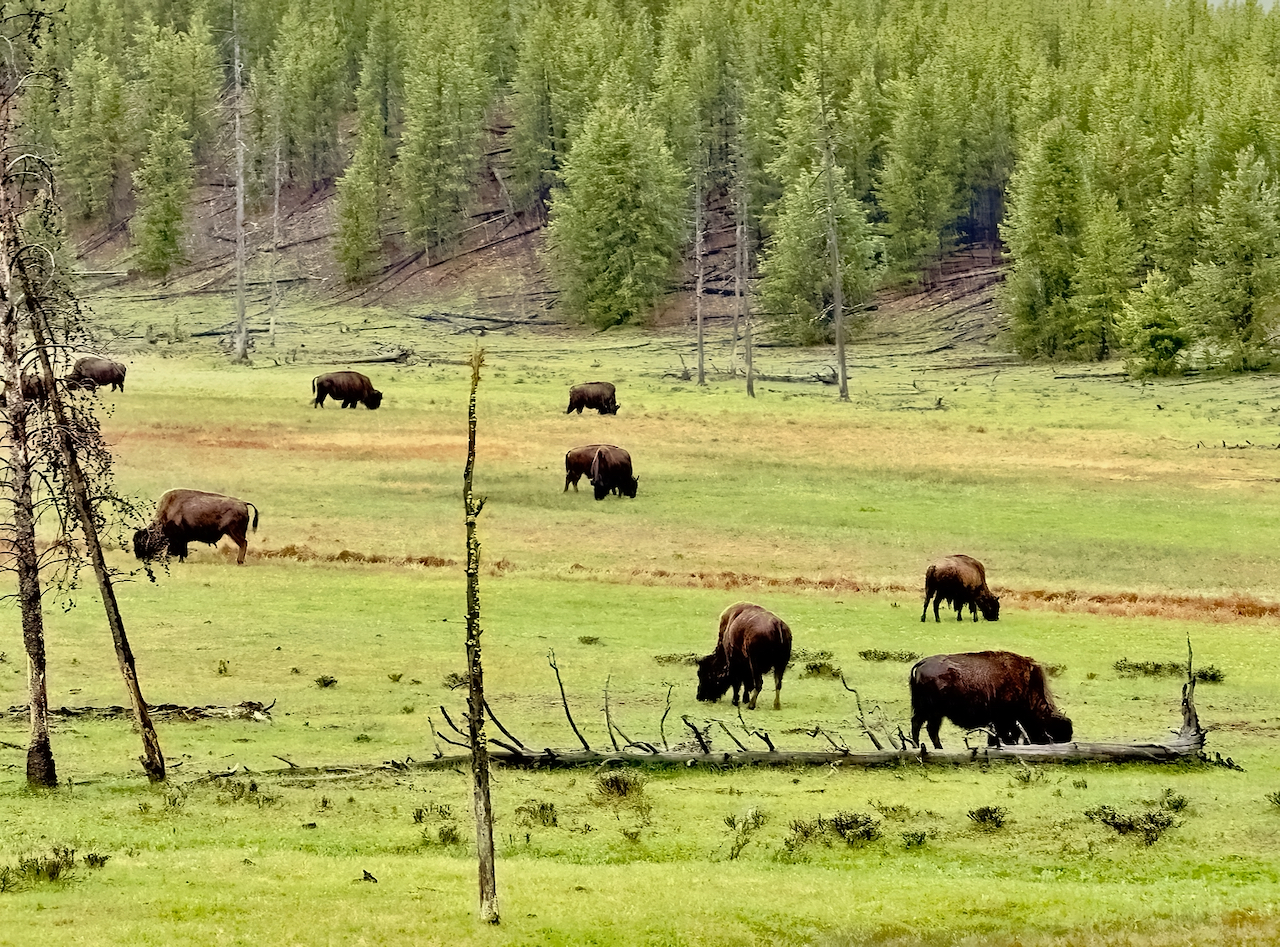
Just up the road a bit I came across a herd of bison grazing. Notice that the new born and young calves have a light orange/golden fur coat which will turn brown later in the summer.


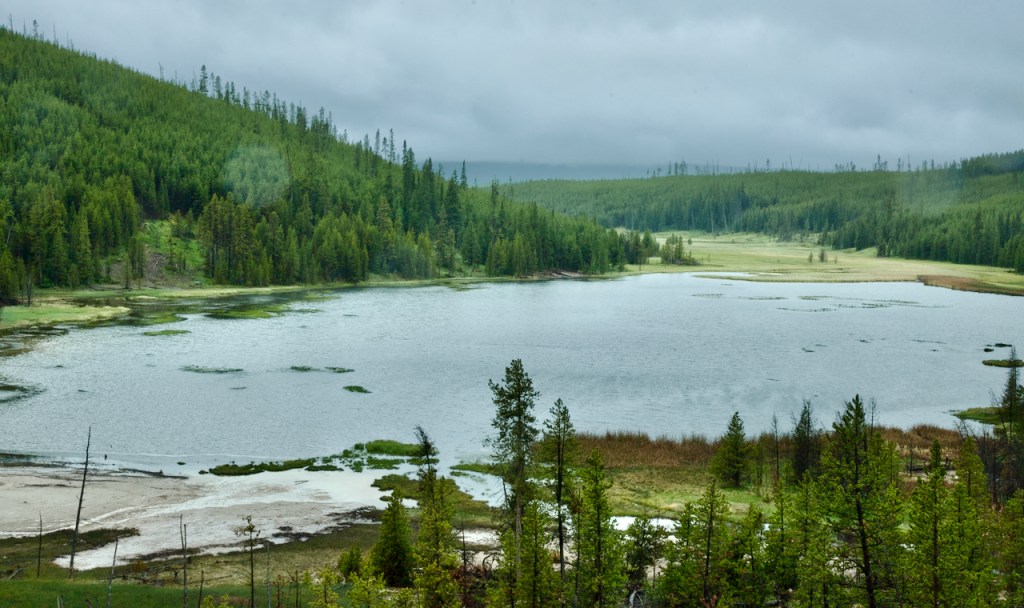
This is Nymph Lake as I am heading north toward Mammoth Springs
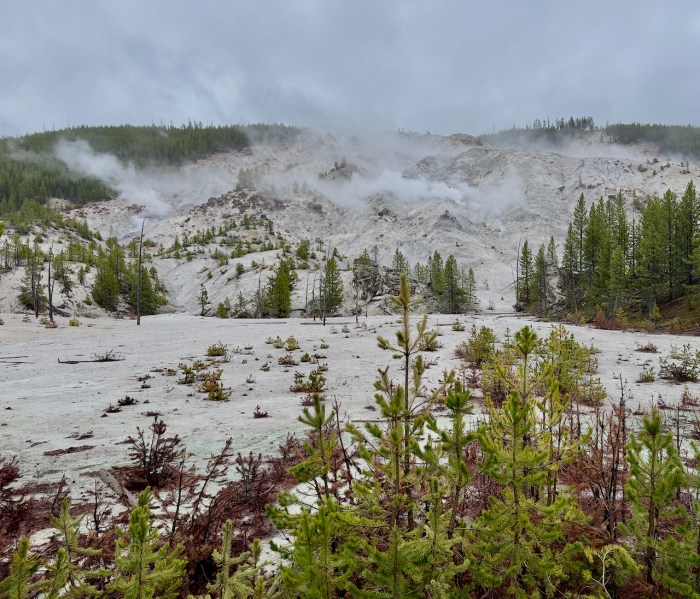
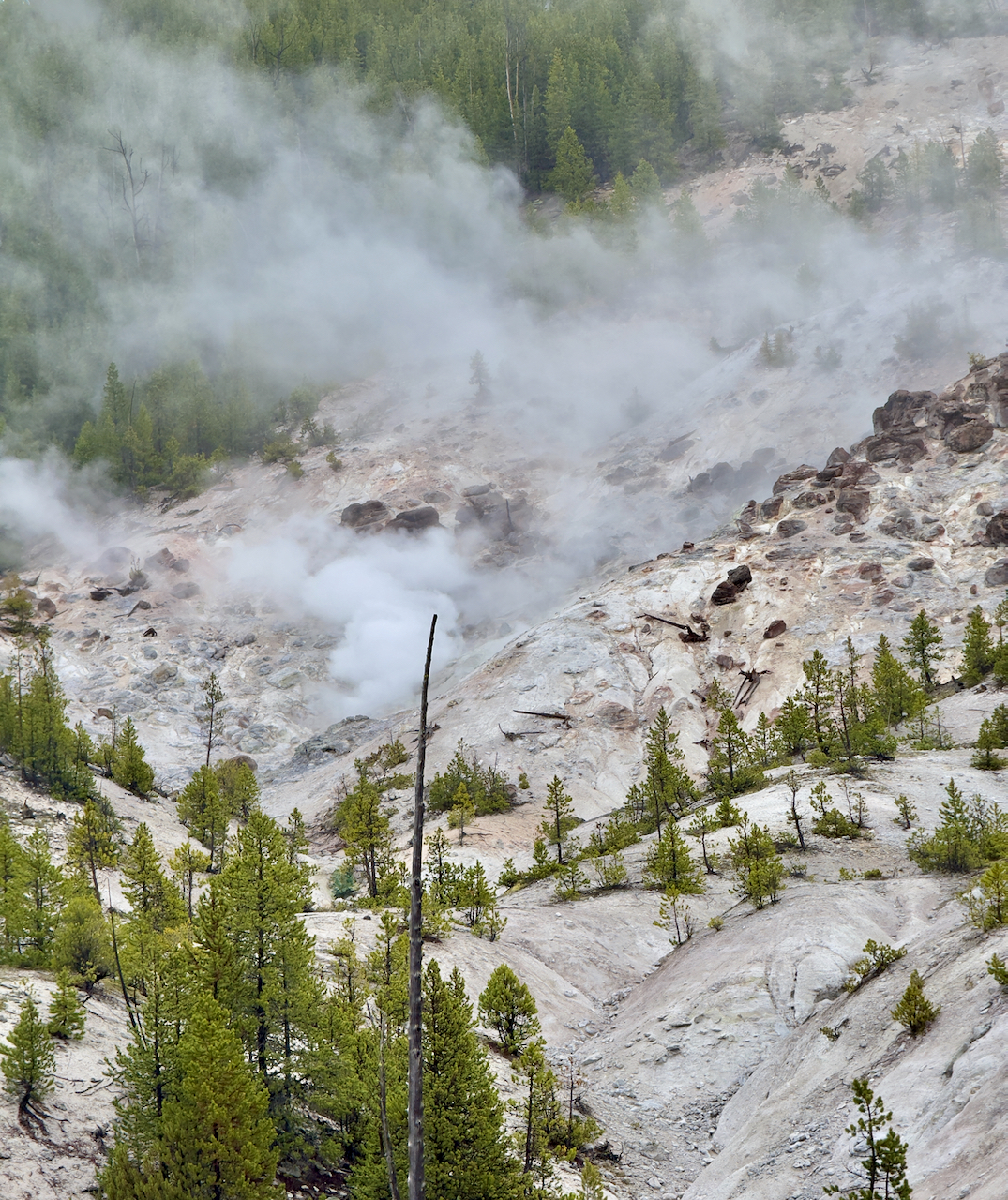
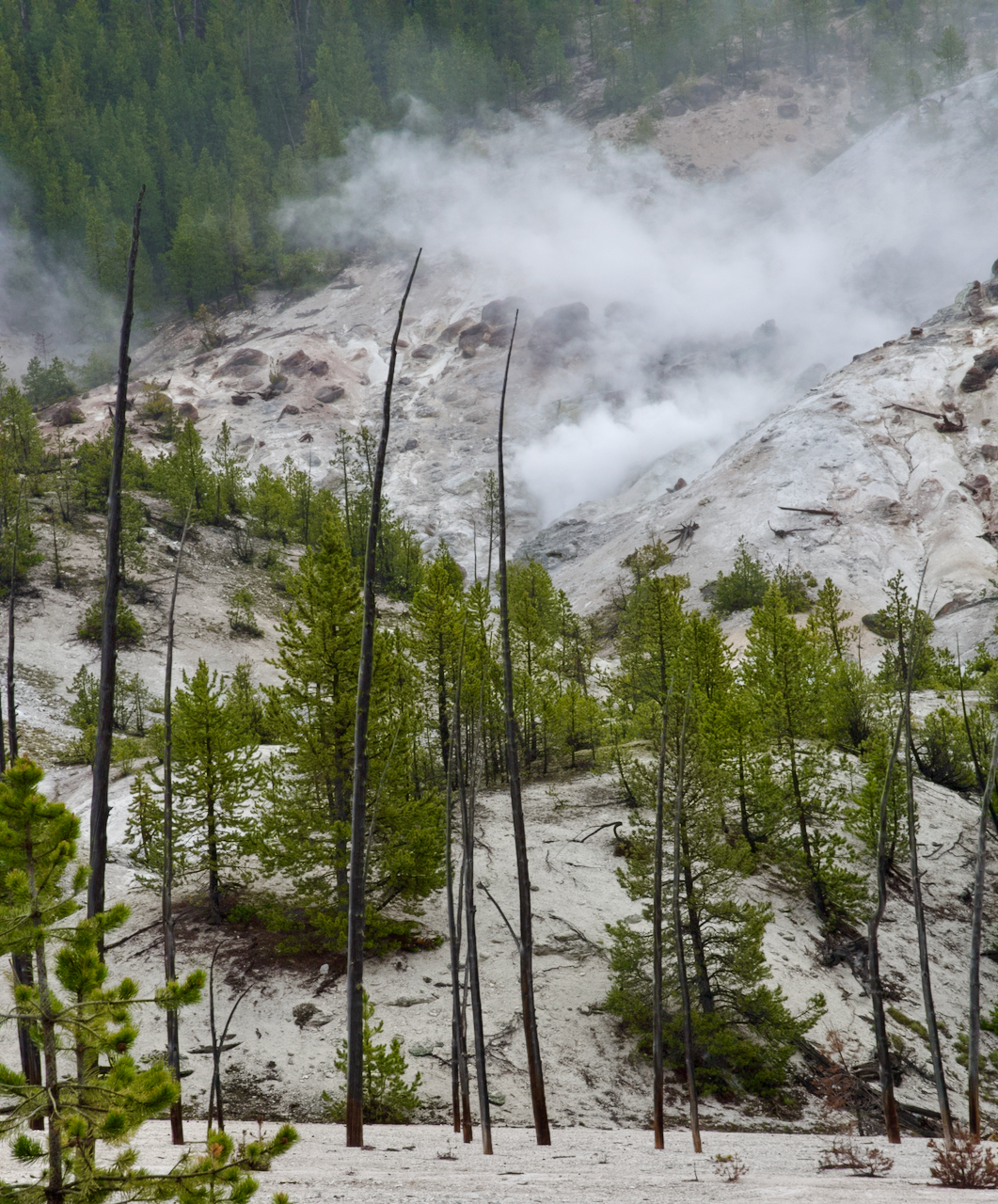
Along the road I come to a place called Roaring Mountain. This hill has multiple outlets called steam fumaroles which let out steam under pressure. Depending on the wind conditions you are supposed to be able to hear the hissing. I didn’t hear anything.

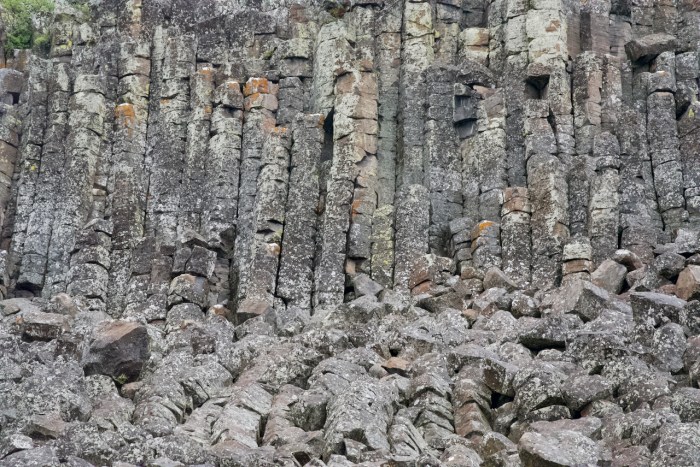
Further on is Obsidian Cliff with hexagon shapes of basalt from lava as has cooled more slowly. Although it doesn’t look like much, this place was a source of obsidian glass. This obsidian can be flaked into very sharp edges and was used for many types of tools and arrow and spear heads for 11,000 years by native Americans. Artifacts which can be traced by their origins have been found as far east as Ohio.
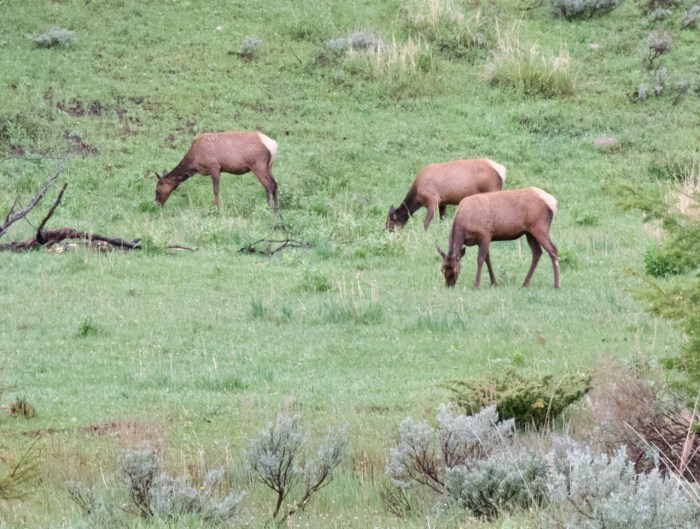
Elk doe’s were grazing in a meadow alongside the road.
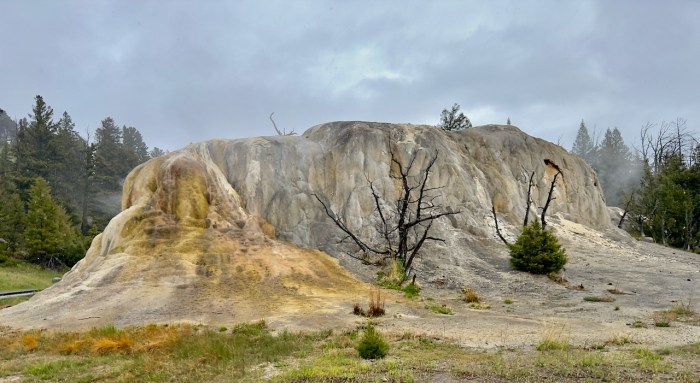
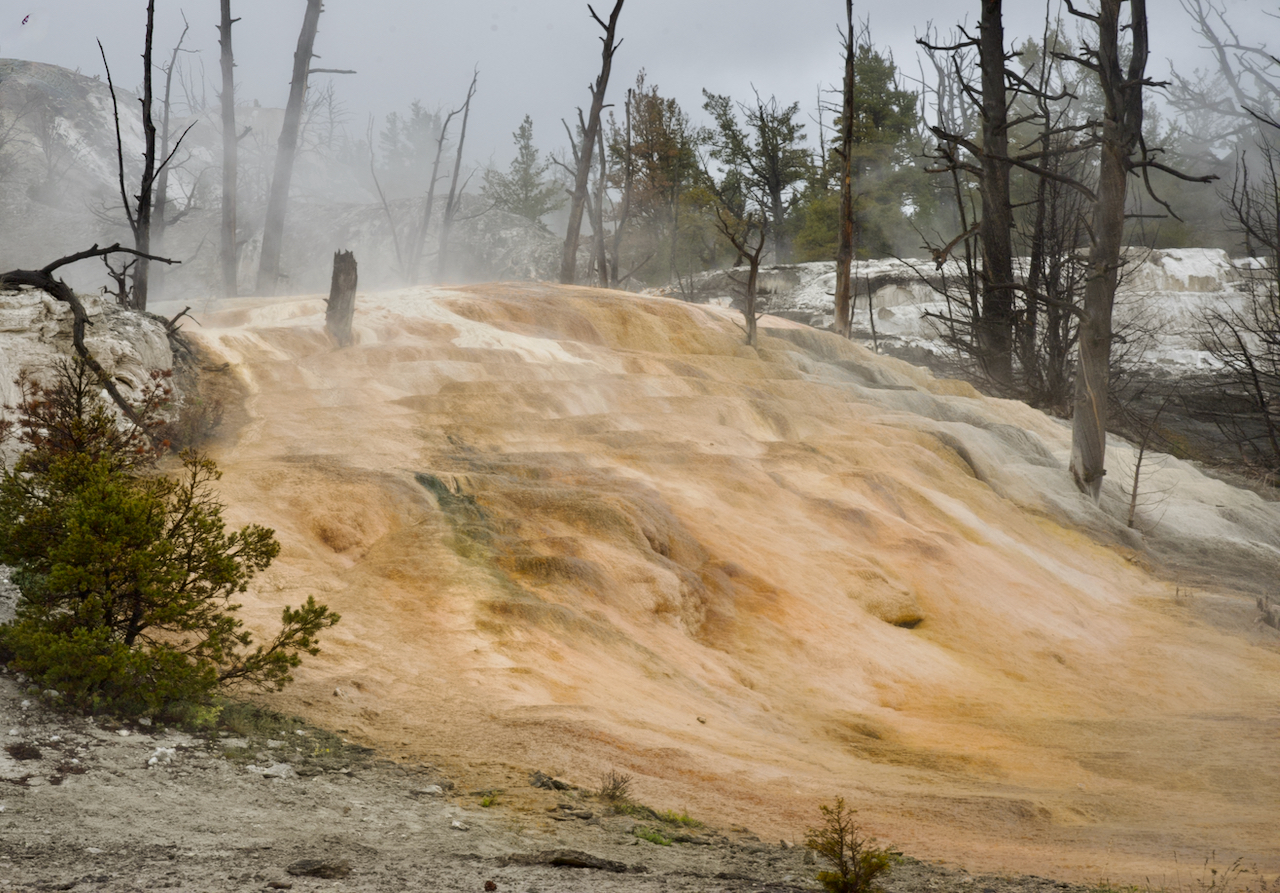
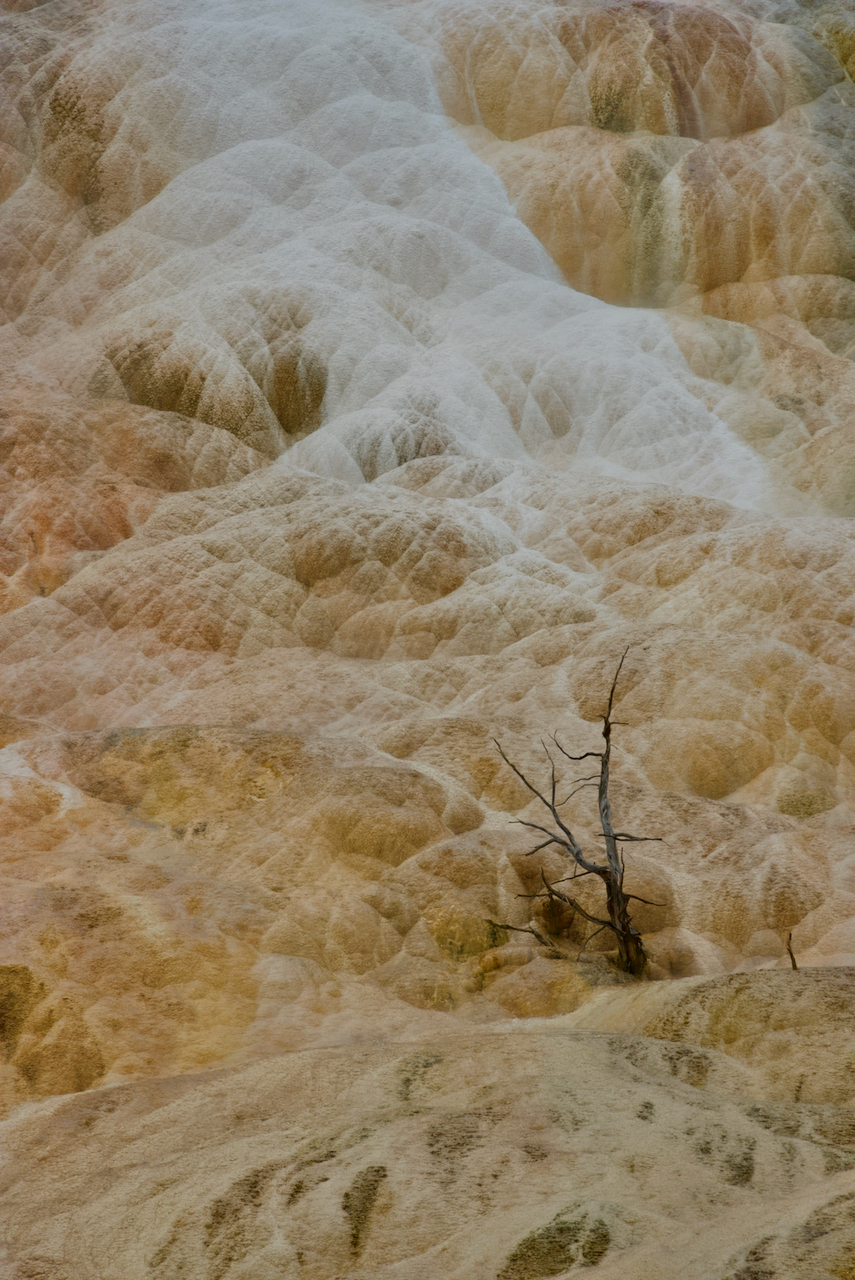
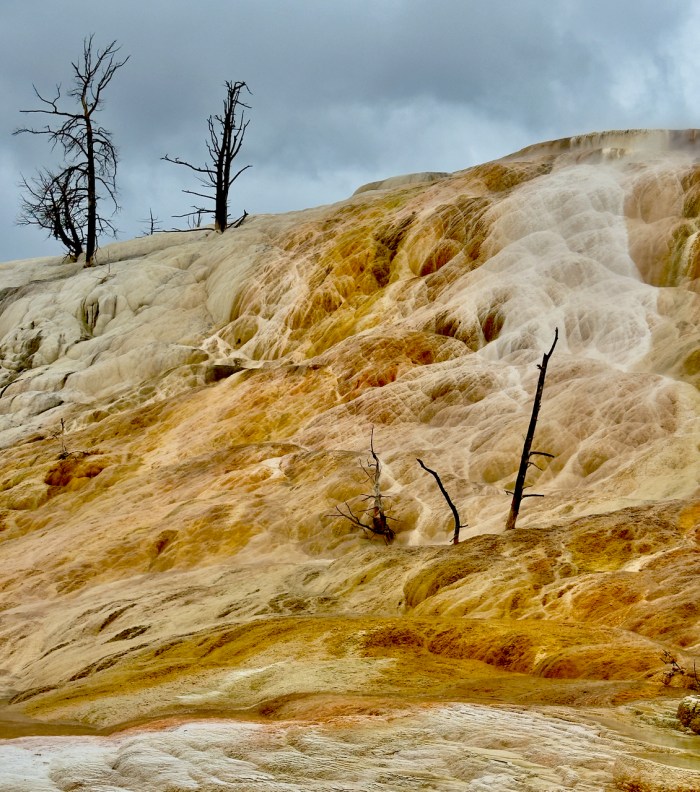
I finally made it to Mammoth Hot Springs and it is still raining. I go in for lunch and it is still raining, so all of these photos are taken under an umbrella. This area is known for its multicolored travertine mounds and terraces. These are formed after limestone is dissolved in the hot water and then redeposited as travertine. The Orange Spring Mound is the most impressive feature on the upper loop drive. It is constantly changing colors as I have previously seen it with more orange and white streaks. From the last photo you can see that it has progressively moved along and the hot spring feeding it has not dried up.

The hot water continues down hill and deposits the travertine, notice all of the dead trees that have been there for years are completely engulfed.
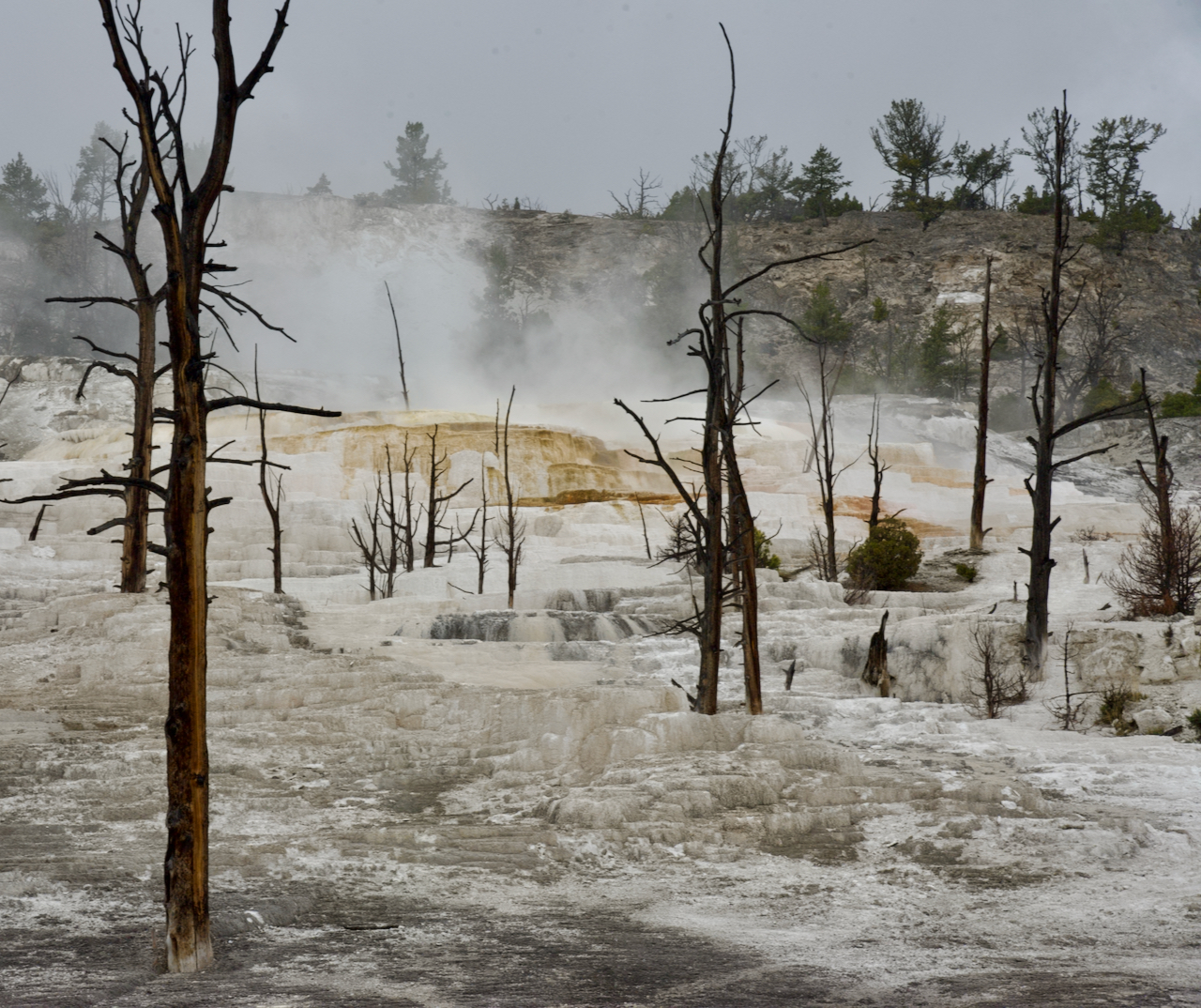
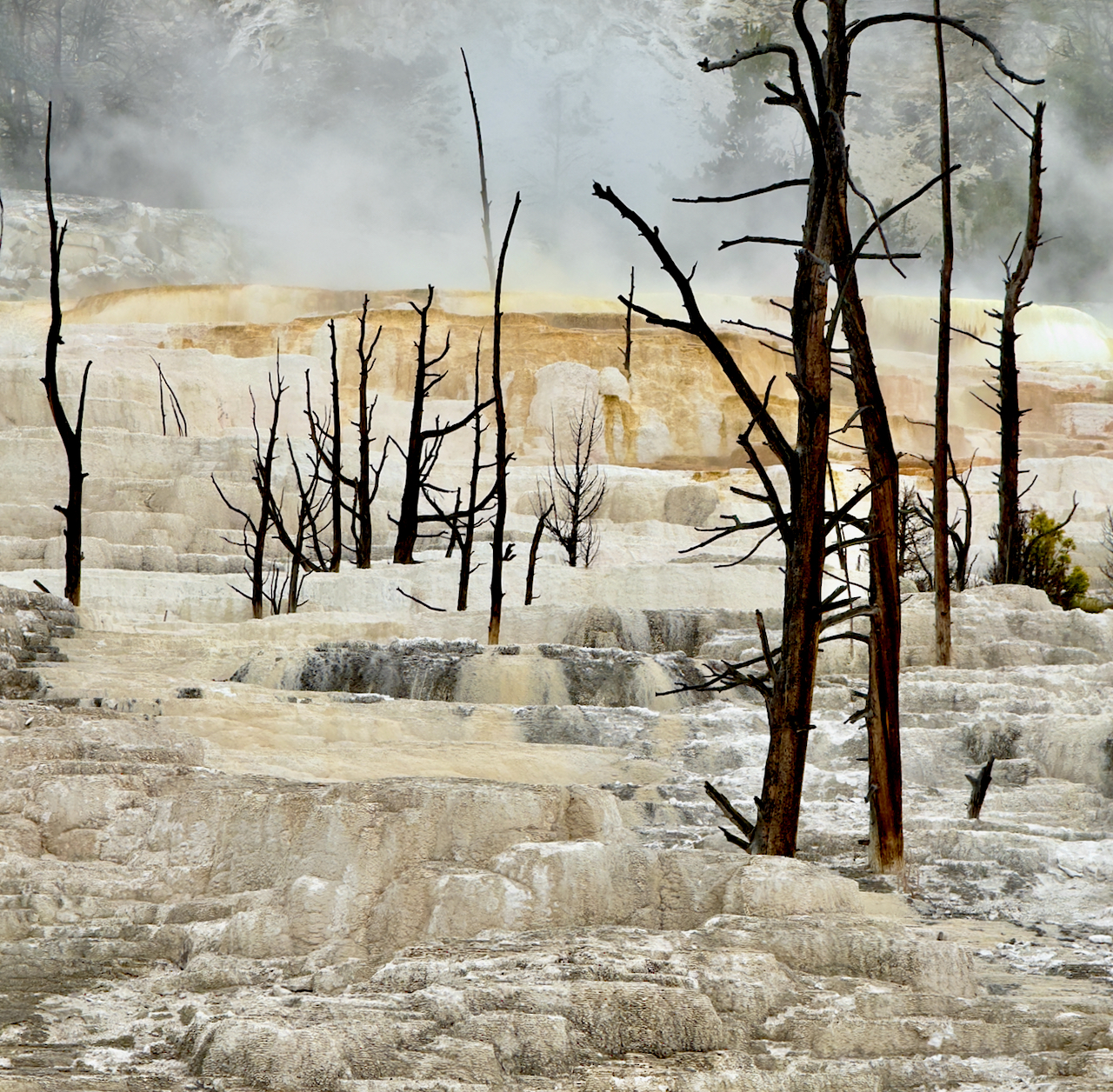
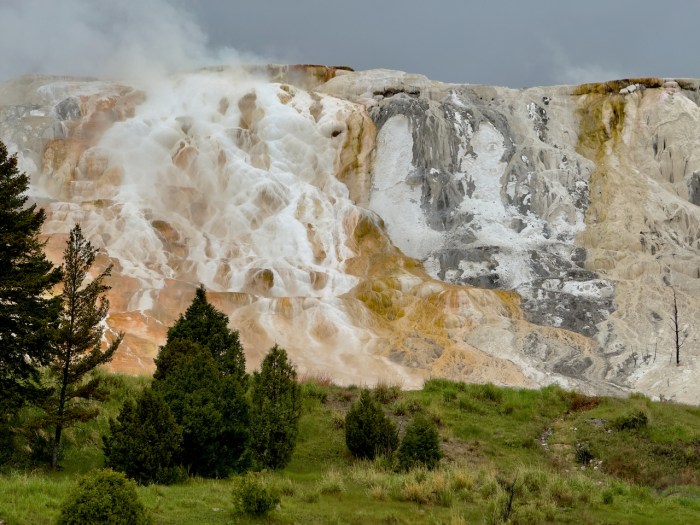
This cliff is formed from the spillage of the hot water from the upper travertine terrace.
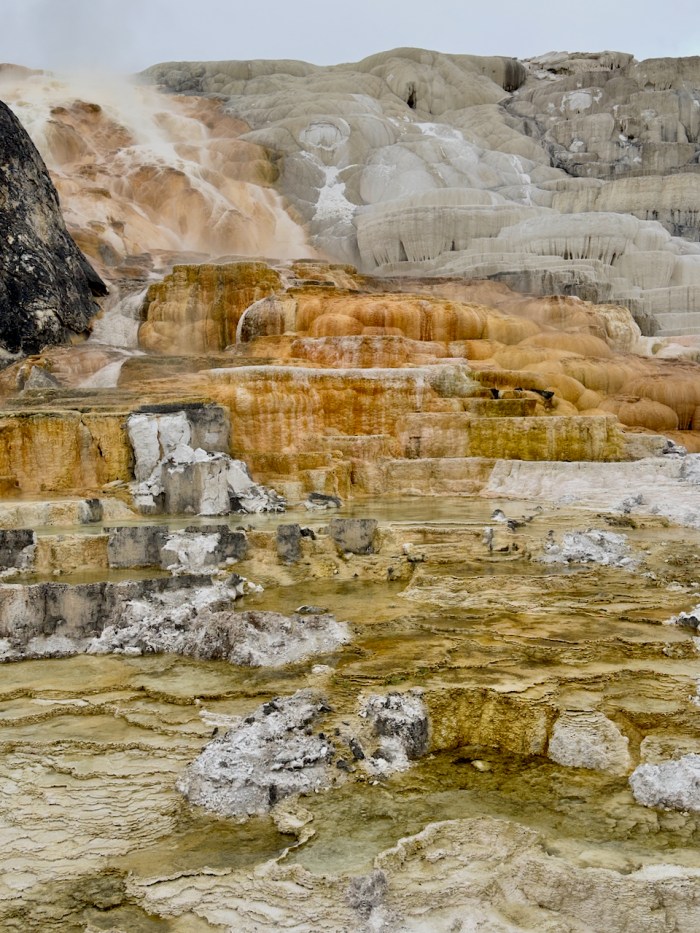
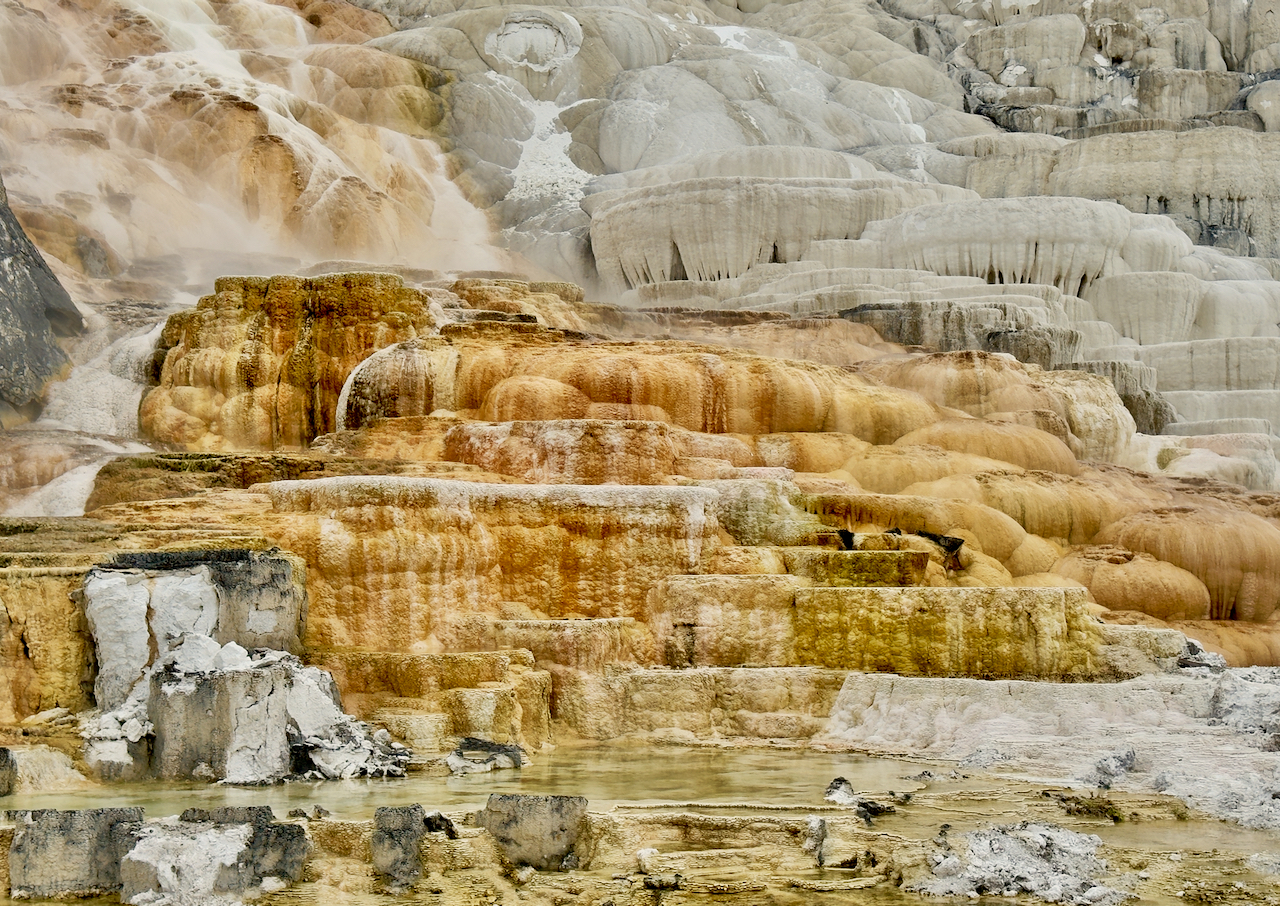
These photos are from the main top terraces. The third photo is the main pool of water on top of a large terrace. I was absolutely disappointed. The last time I was here it was absolutely beautiful – see two photos below.
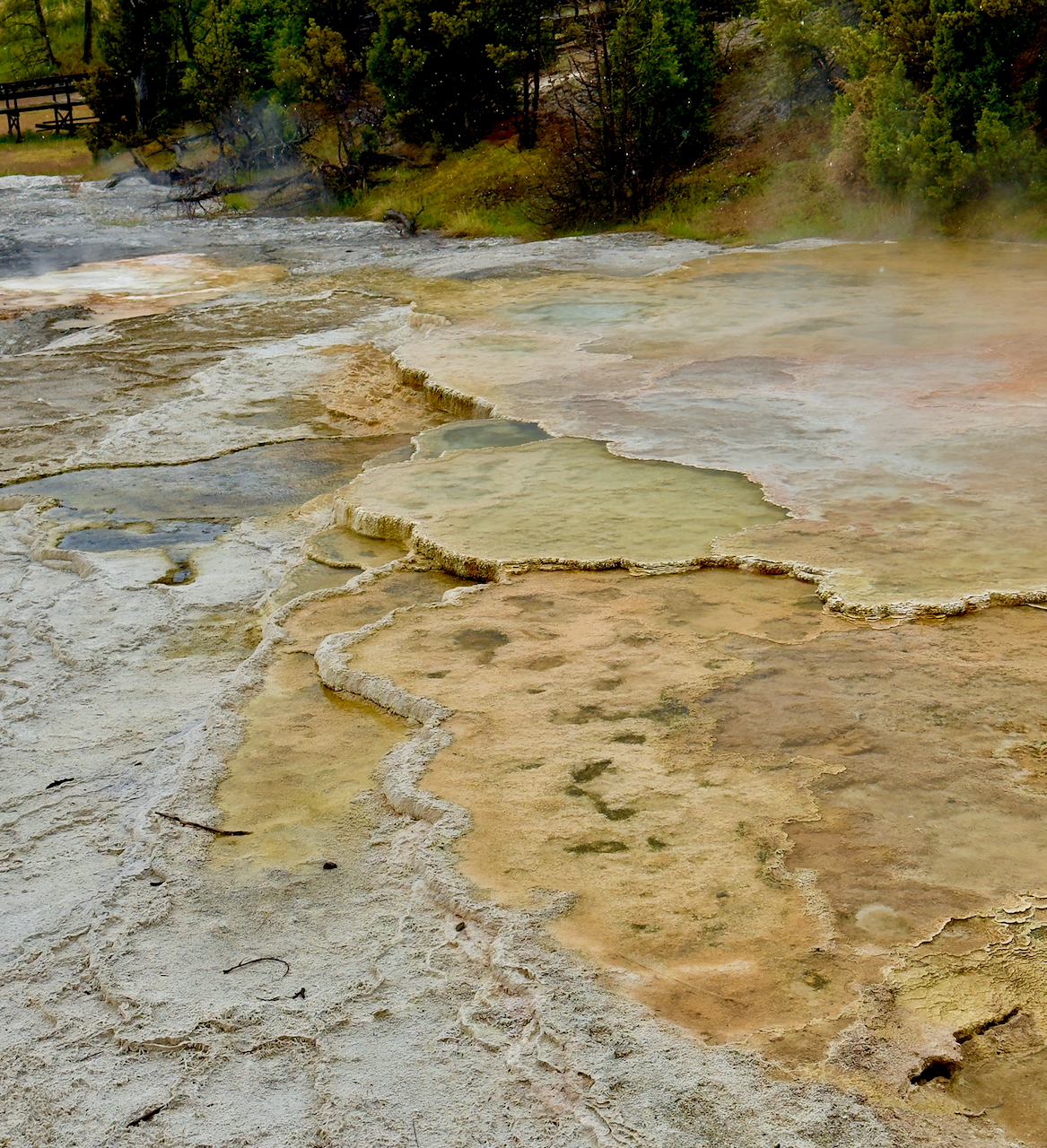
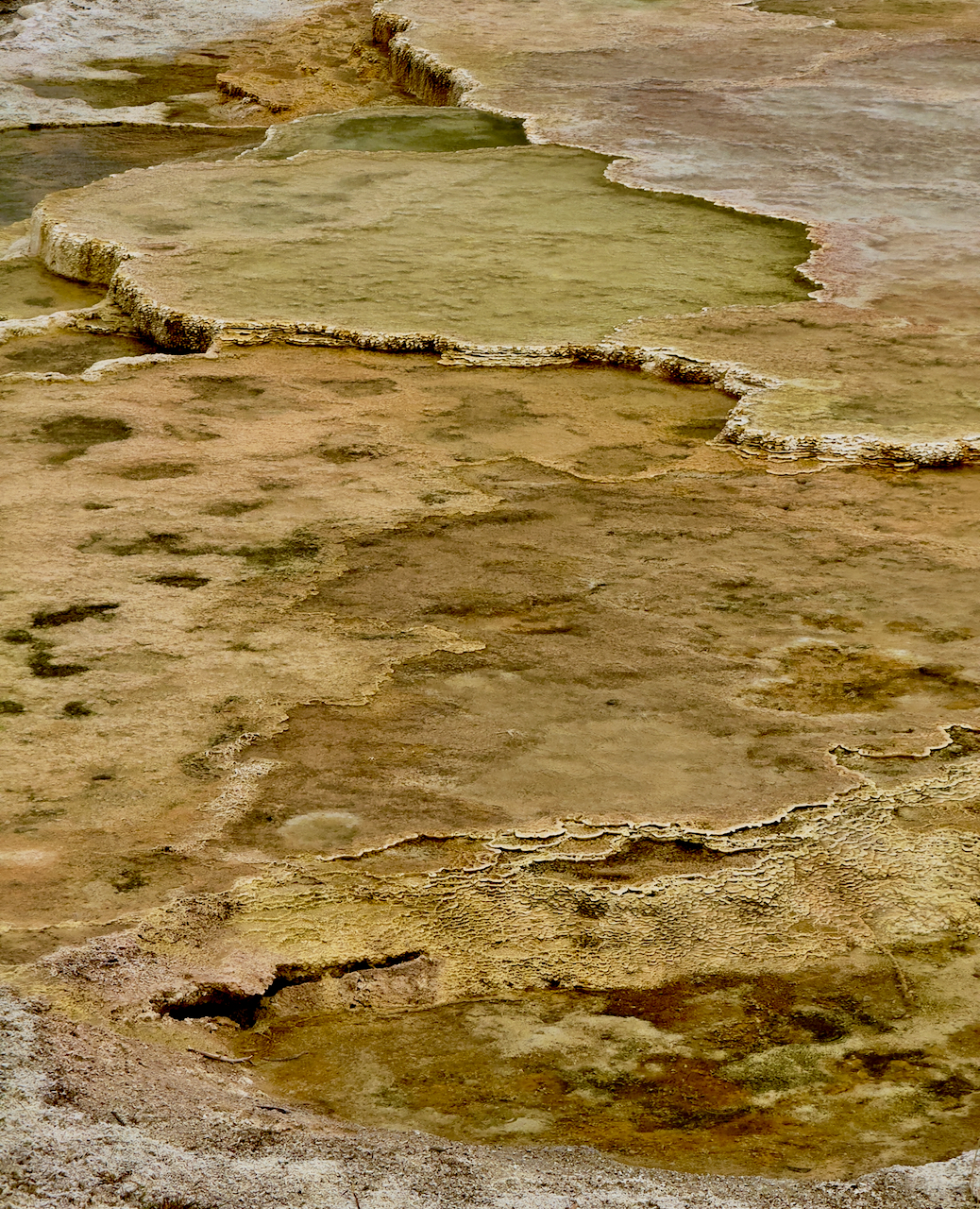
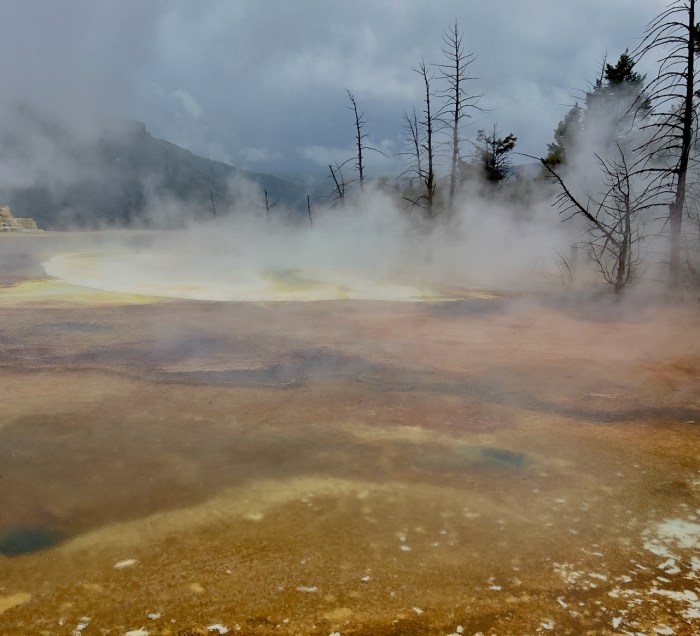
Two photos below from 2011. Even without the rain the photo above does not even come close in appearance.
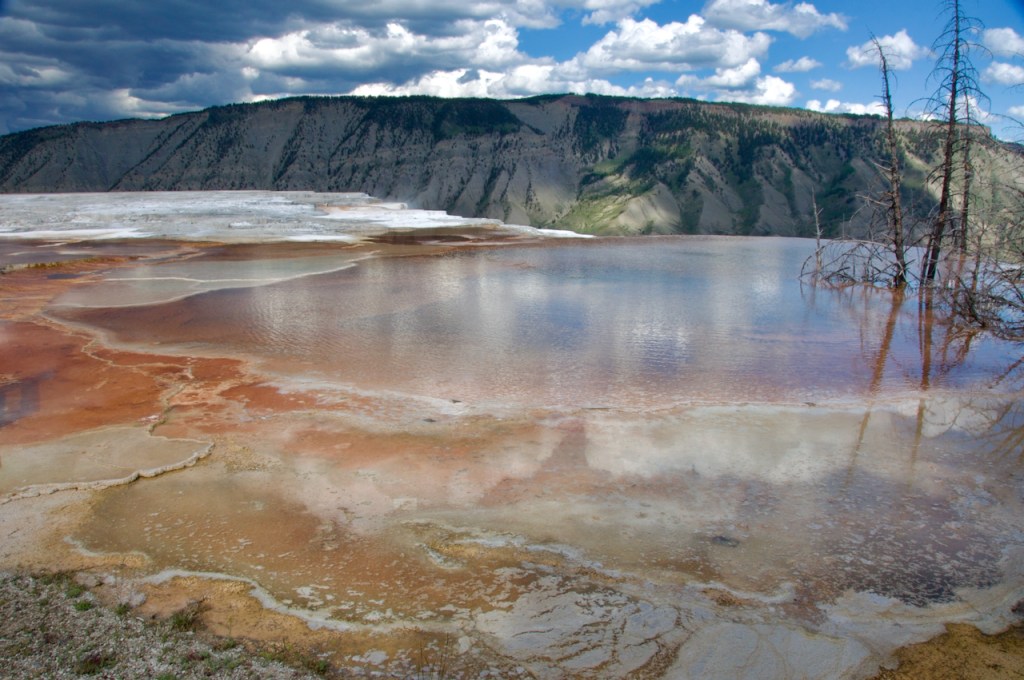
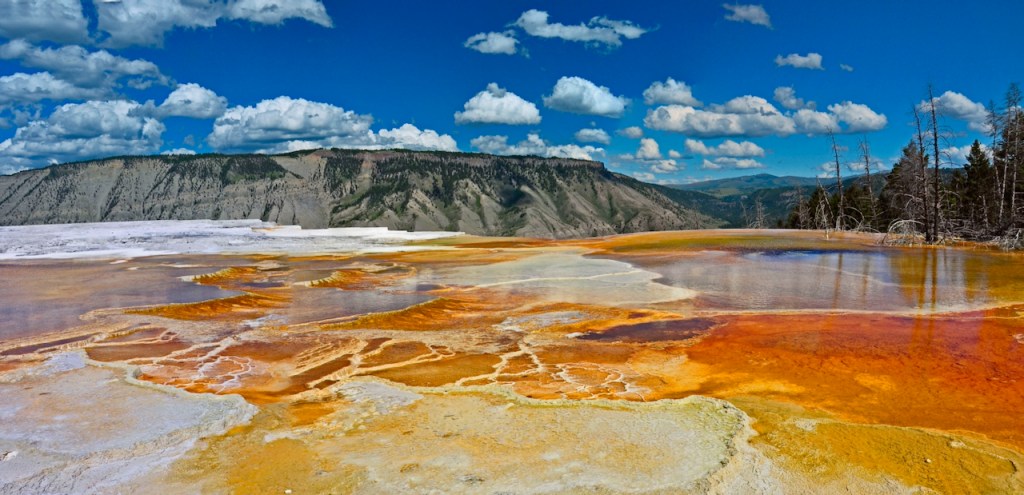
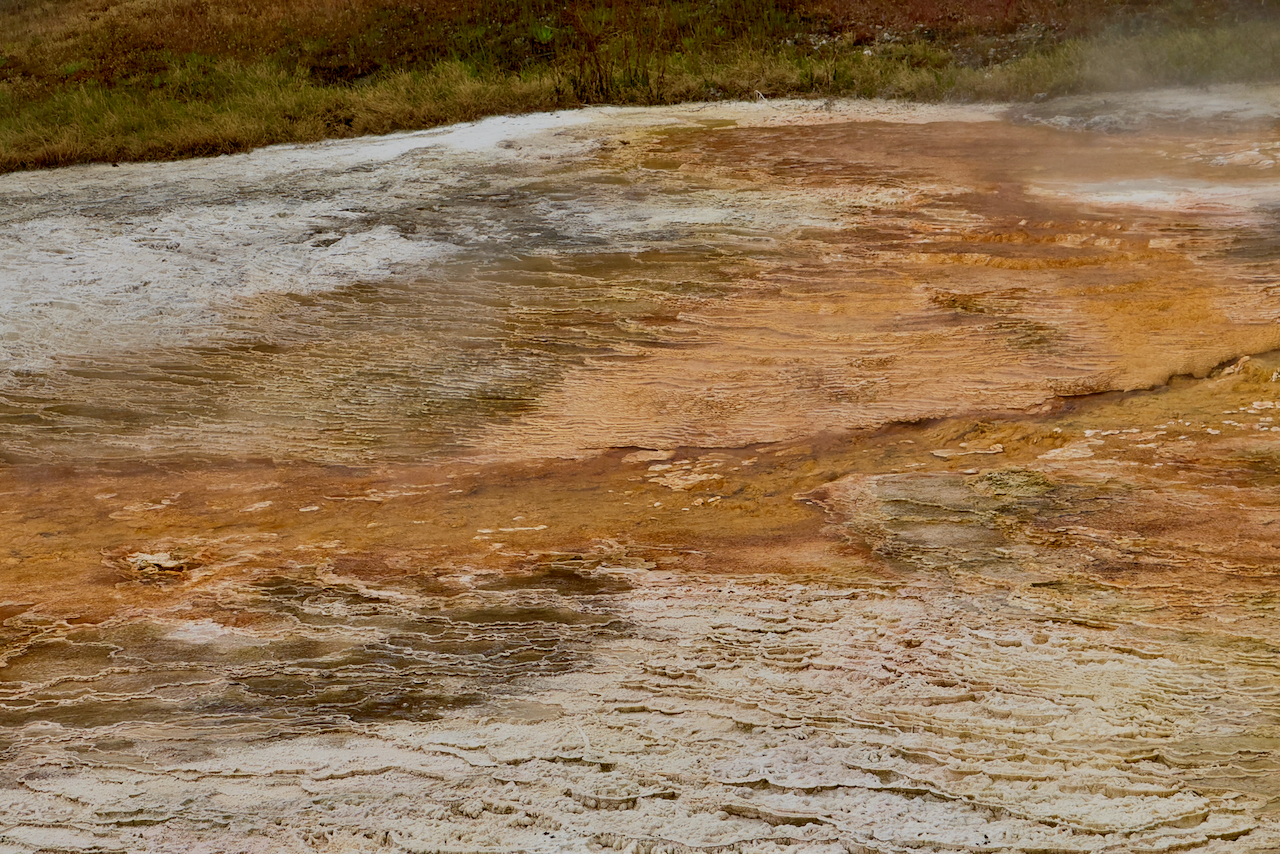
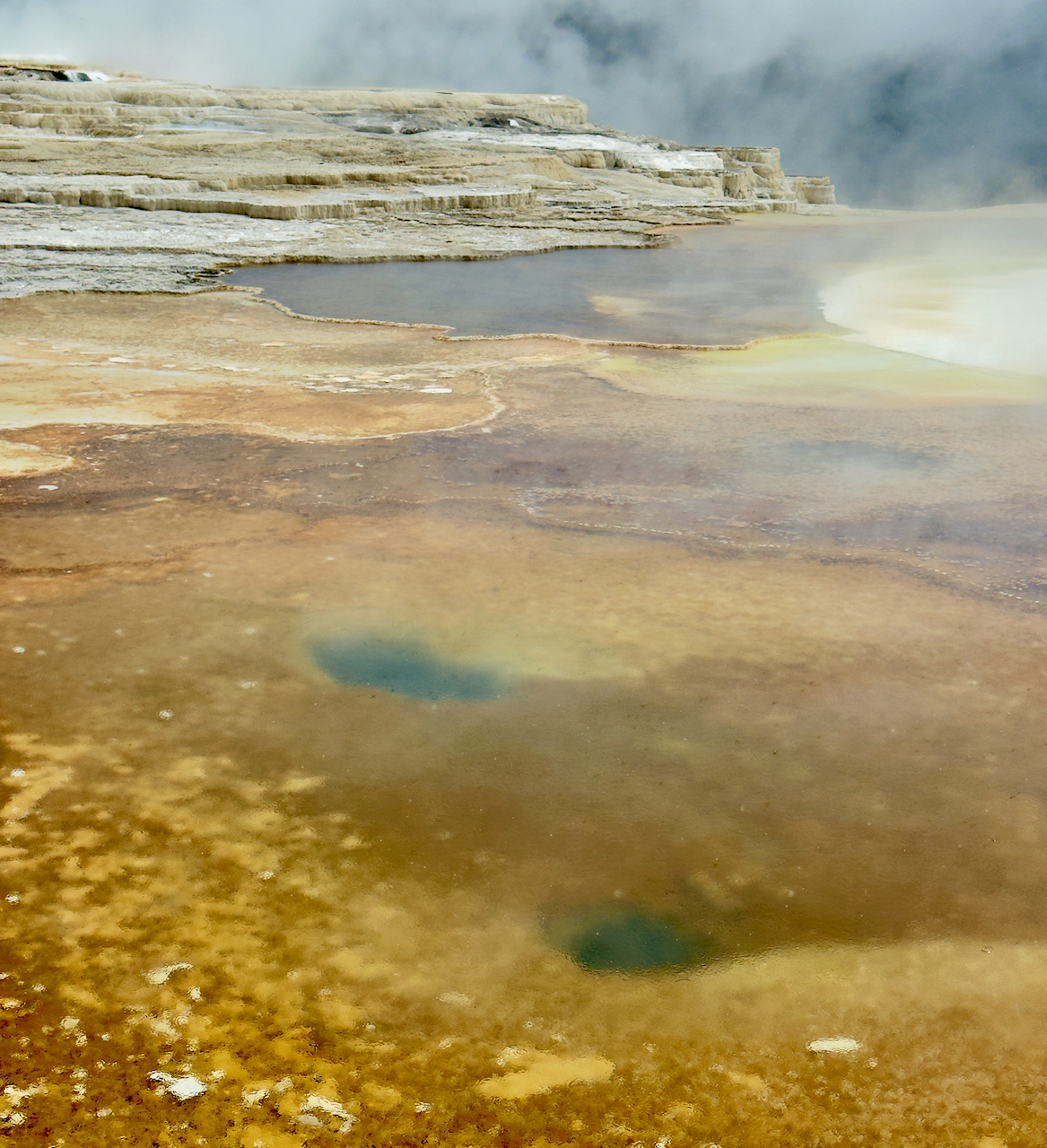
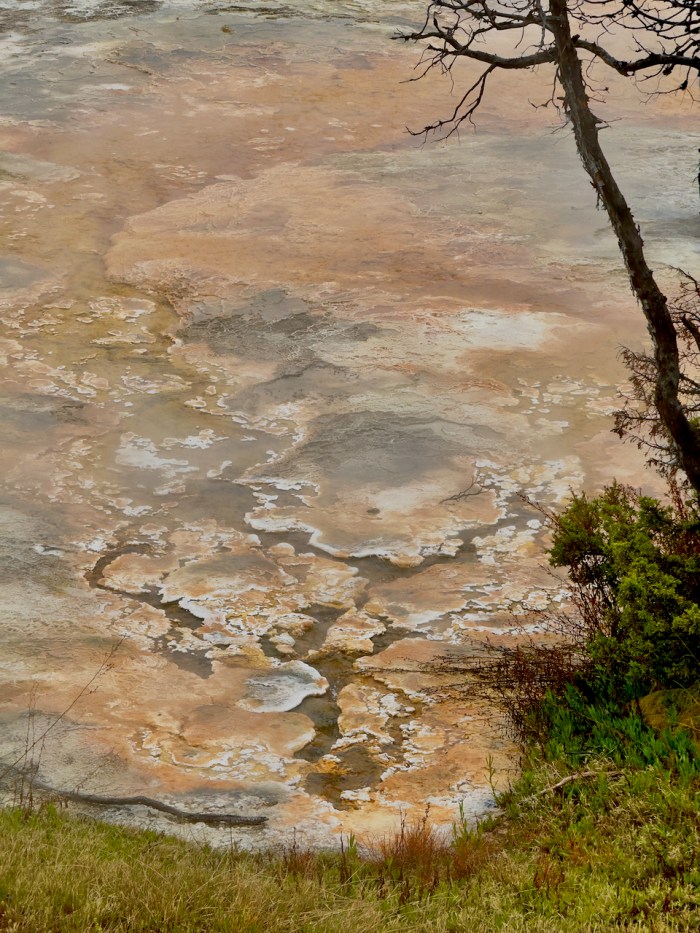
In the photos to the right, these show what happens when the water dries up – the terraces turn white or gray.
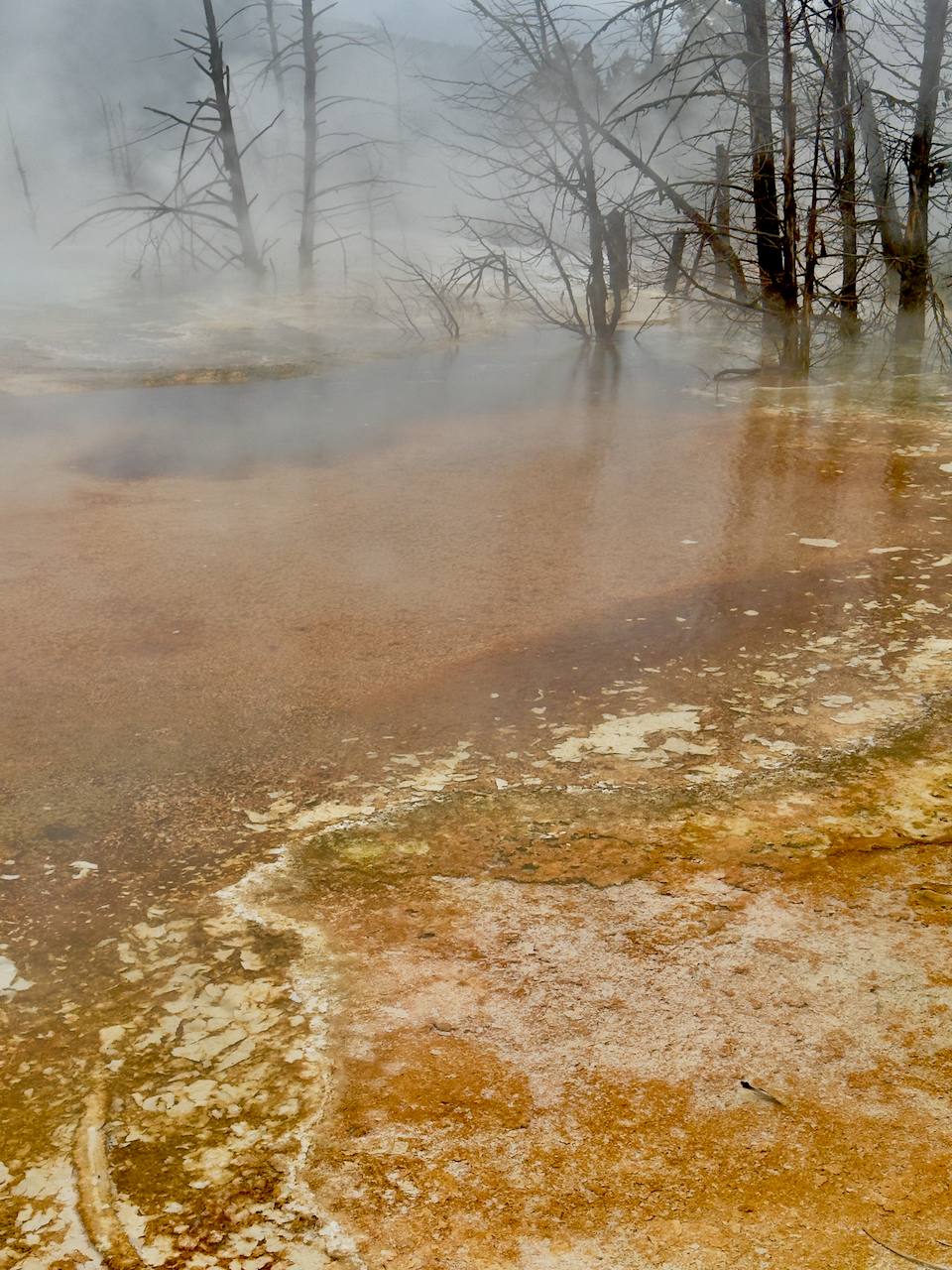
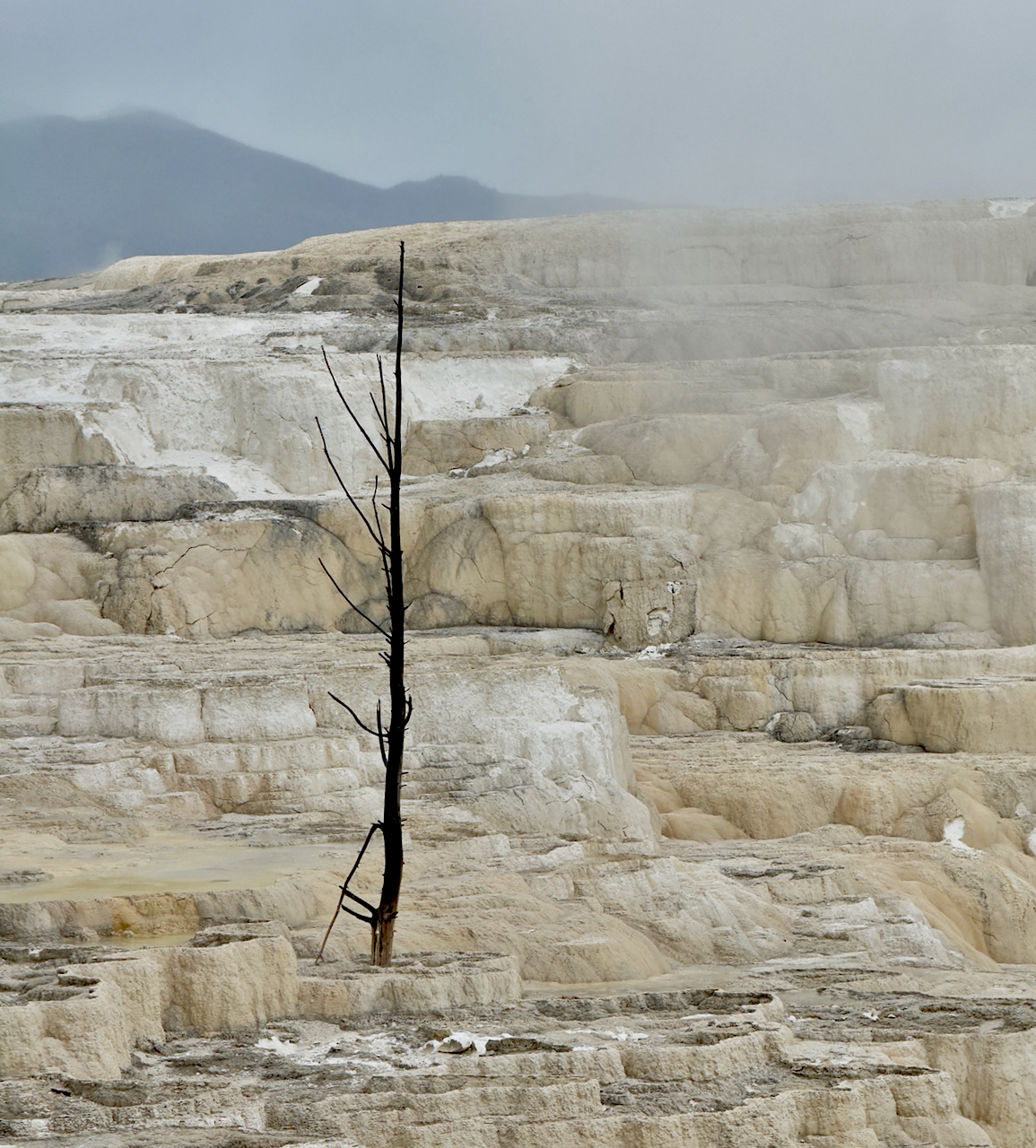
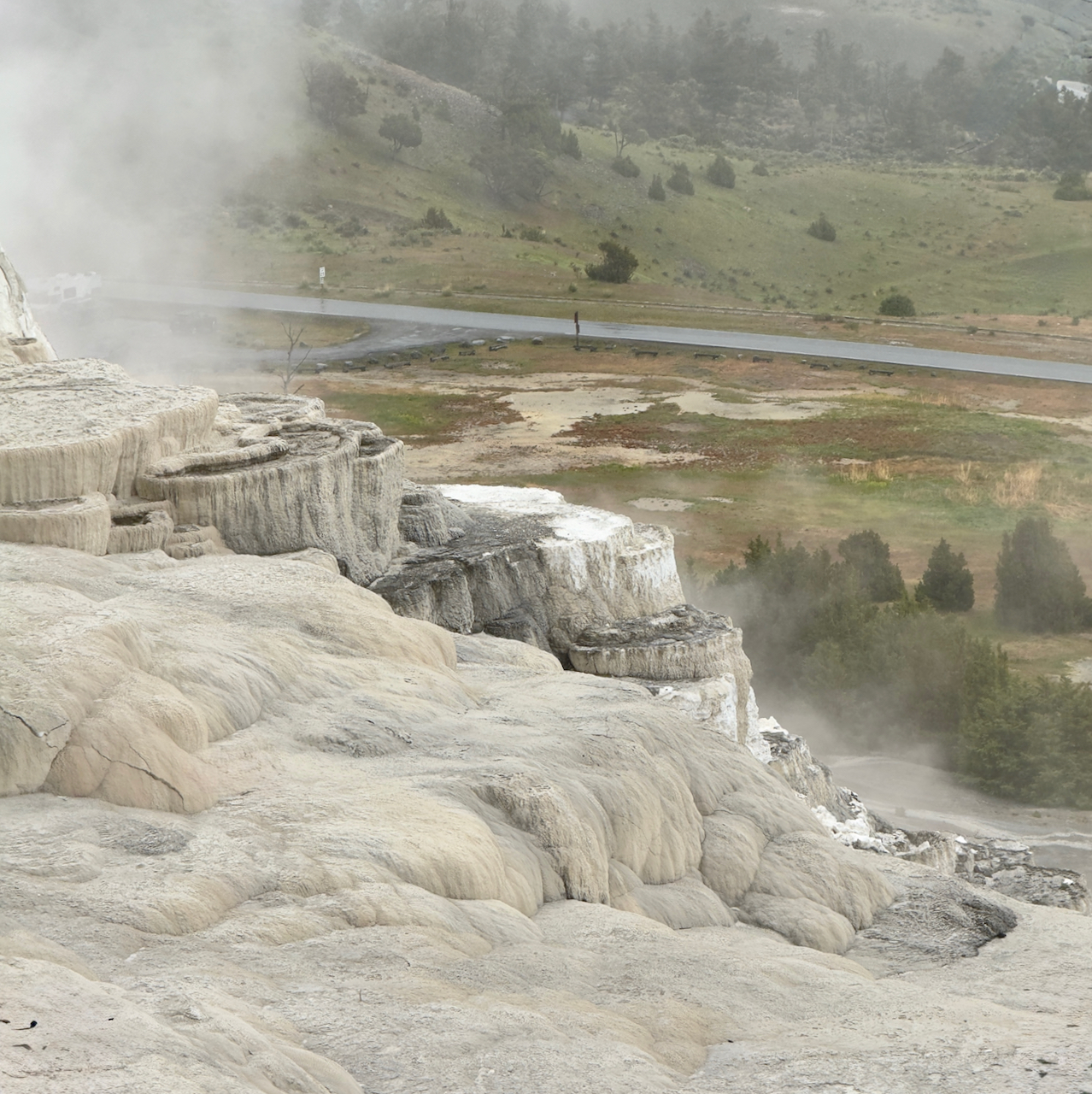
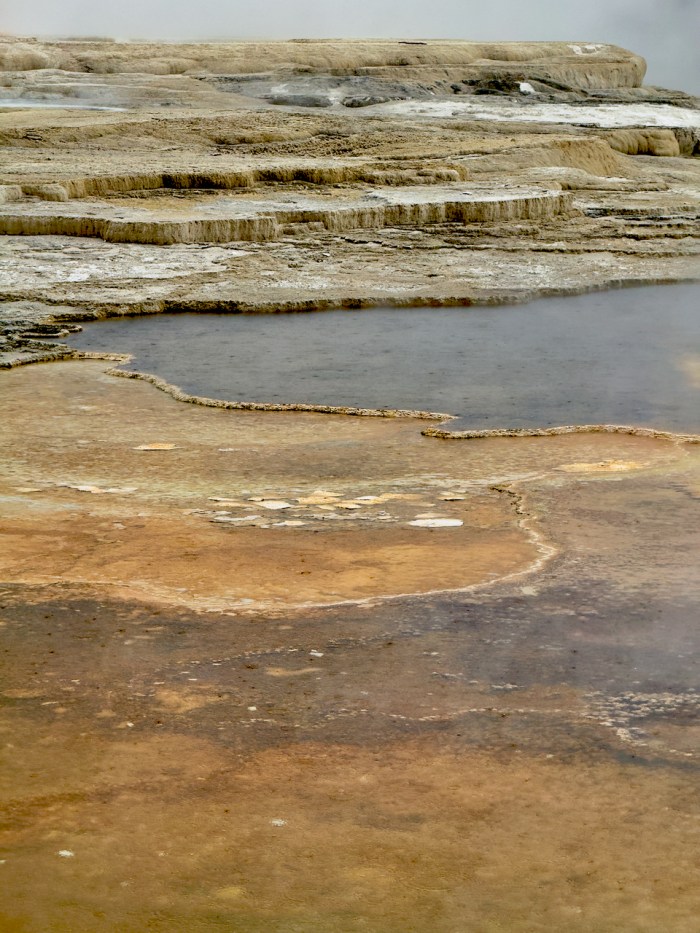
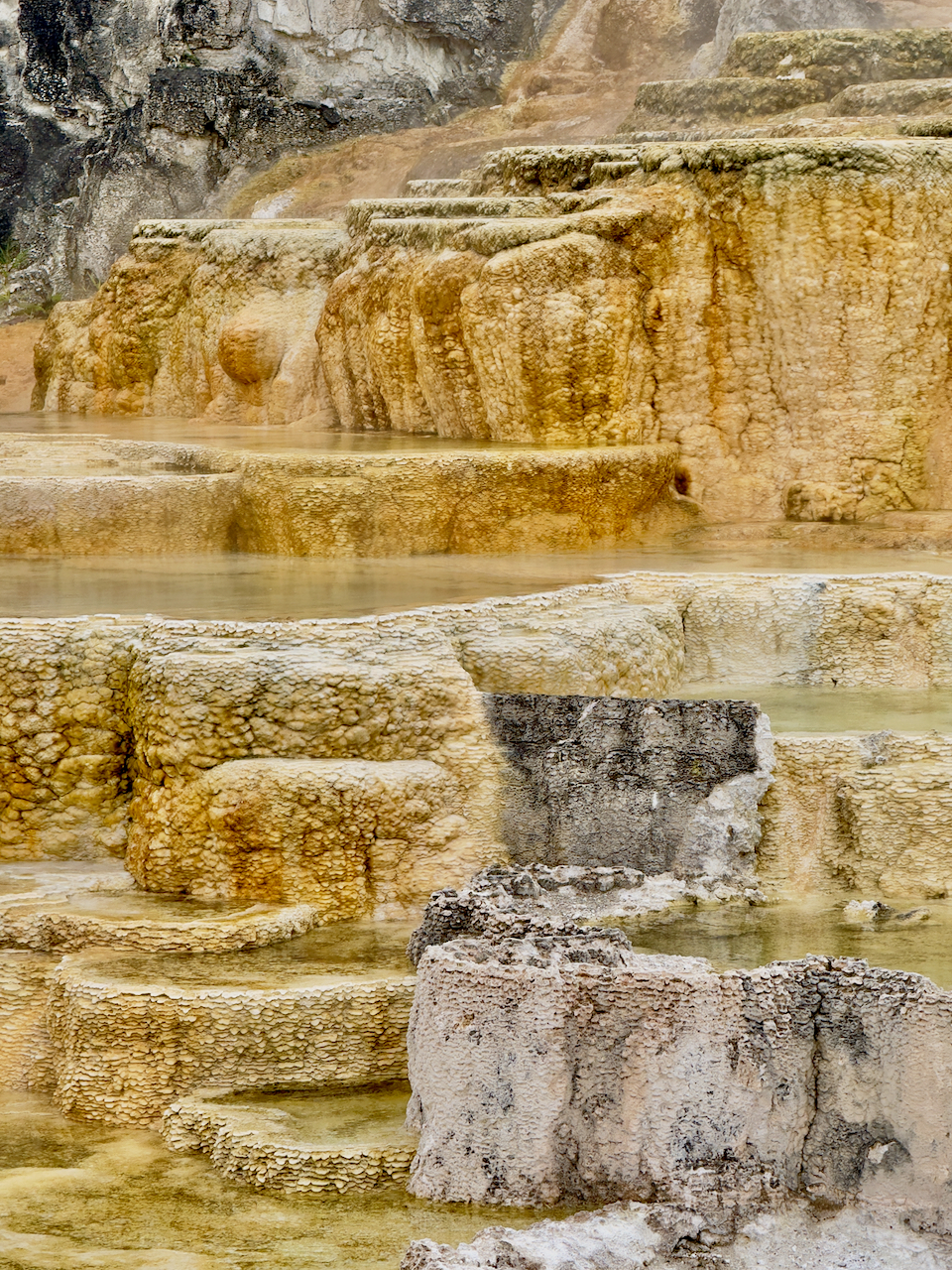
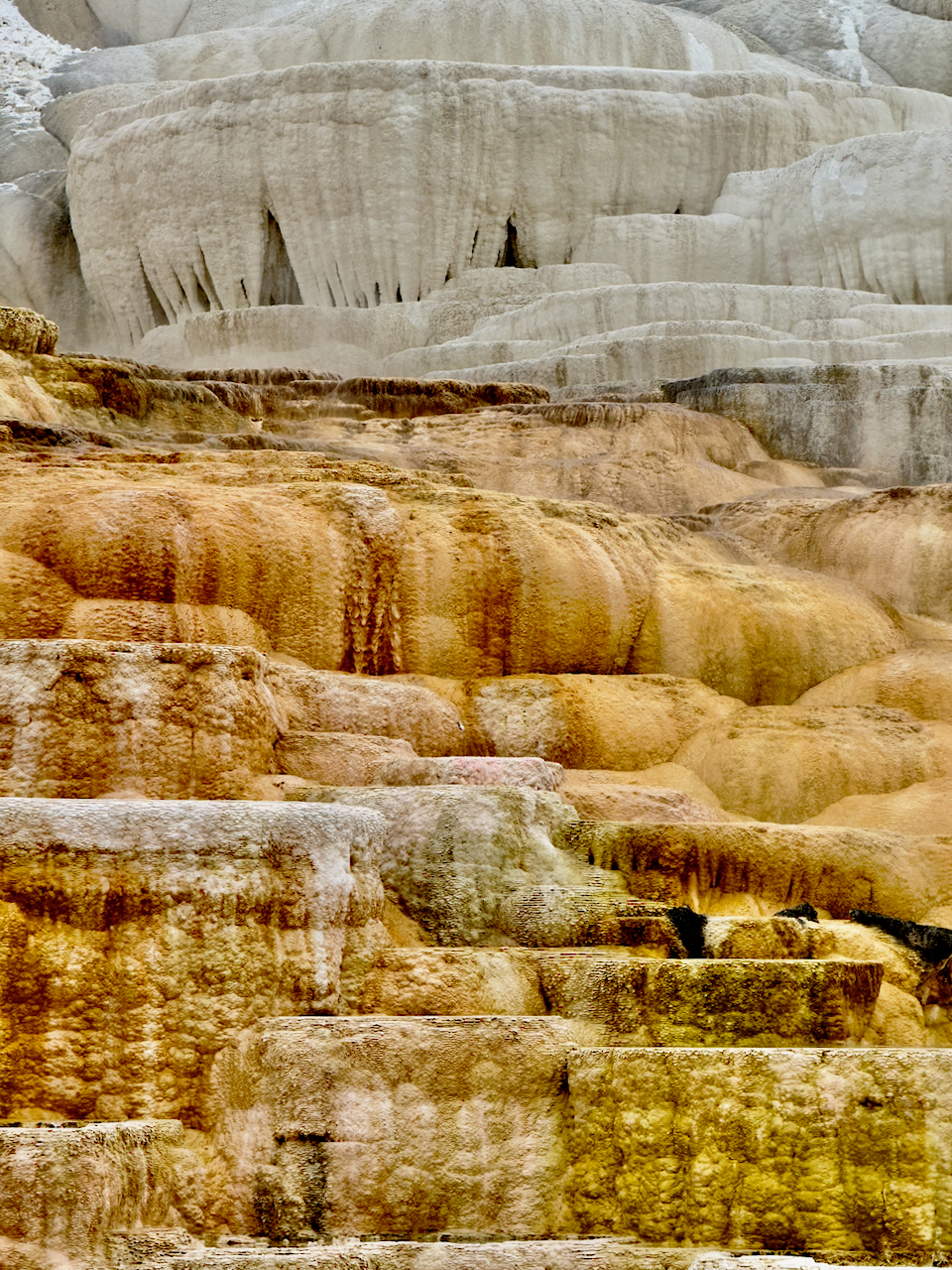
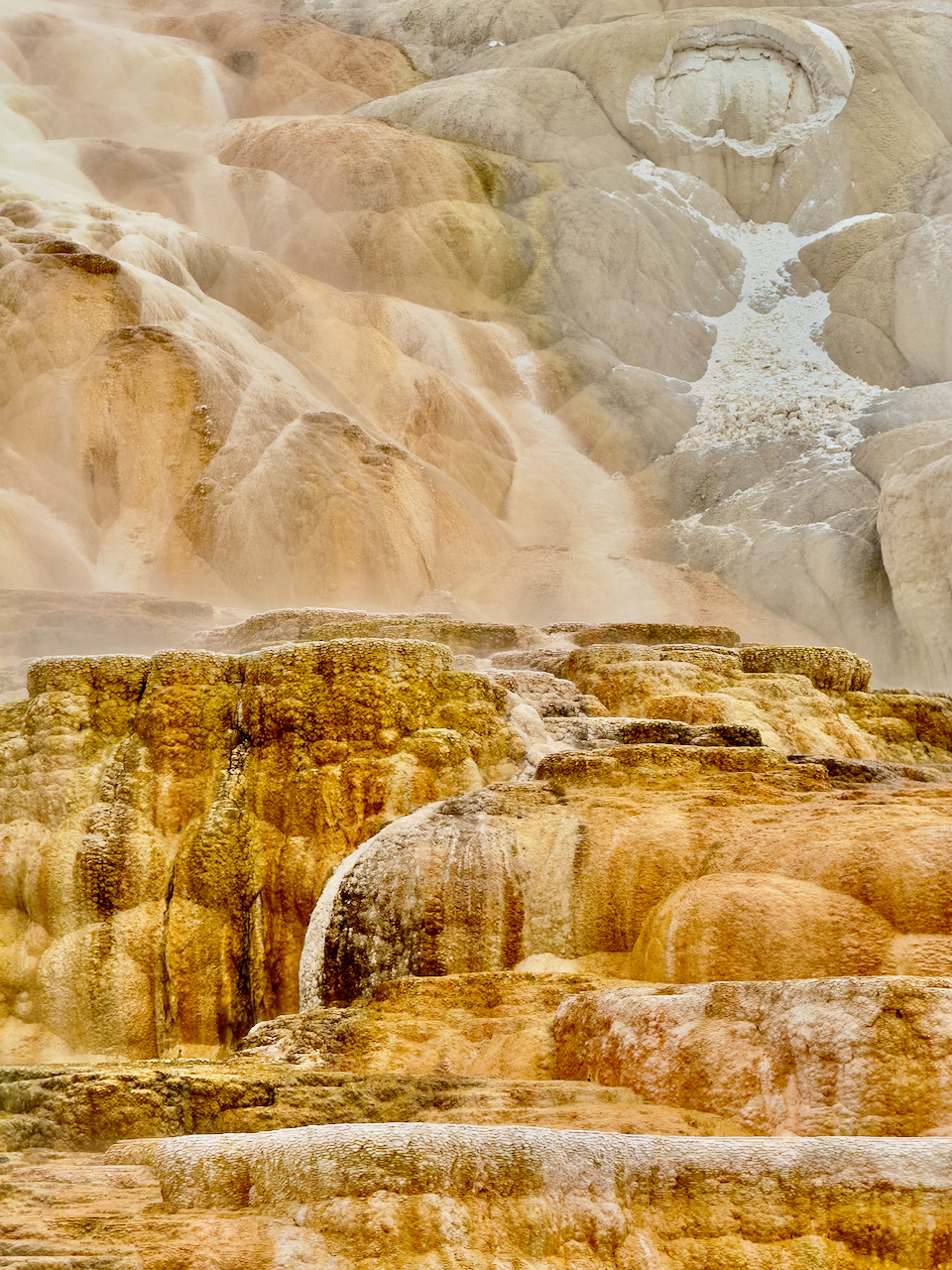
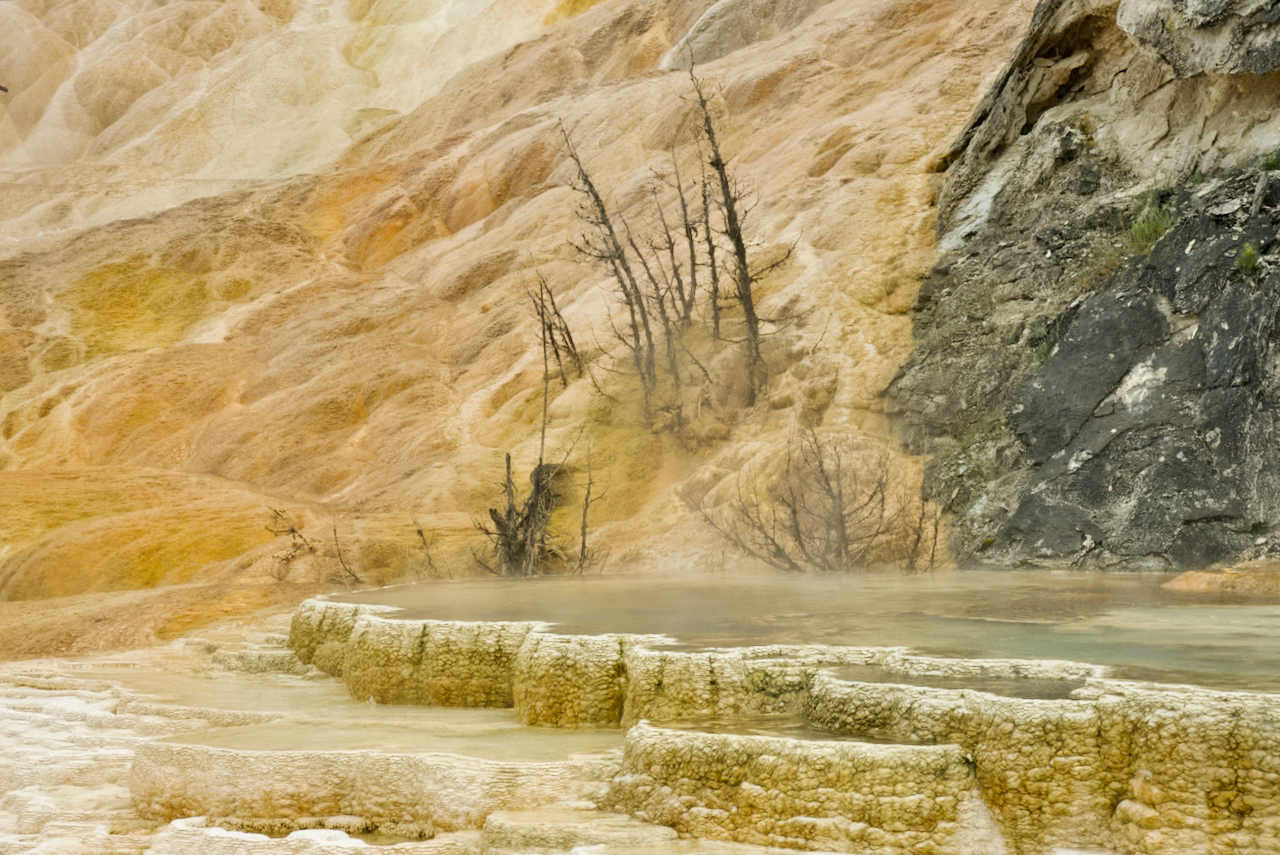
The next series of photos are from the face of the lower terraces.
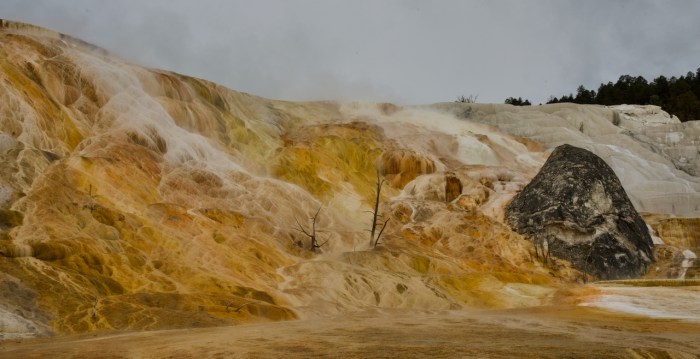
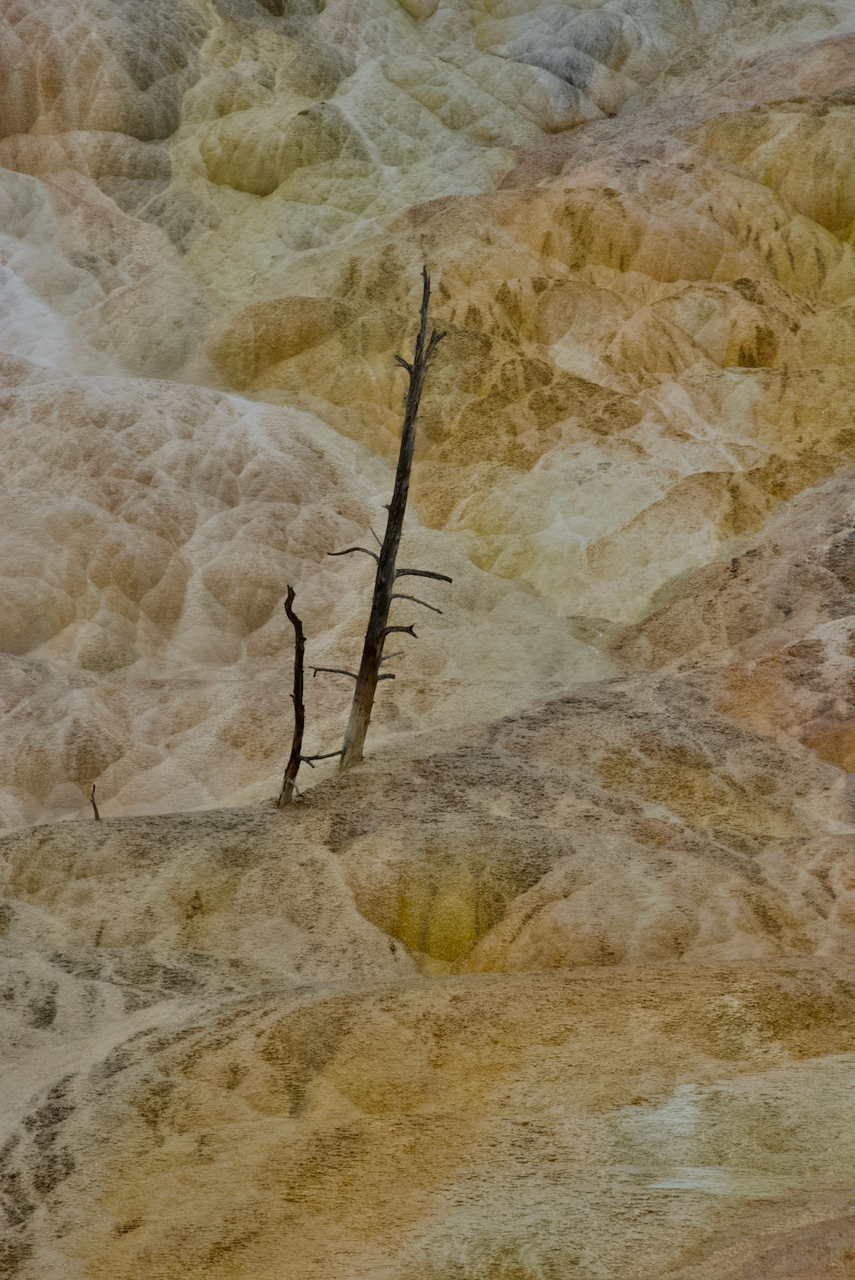
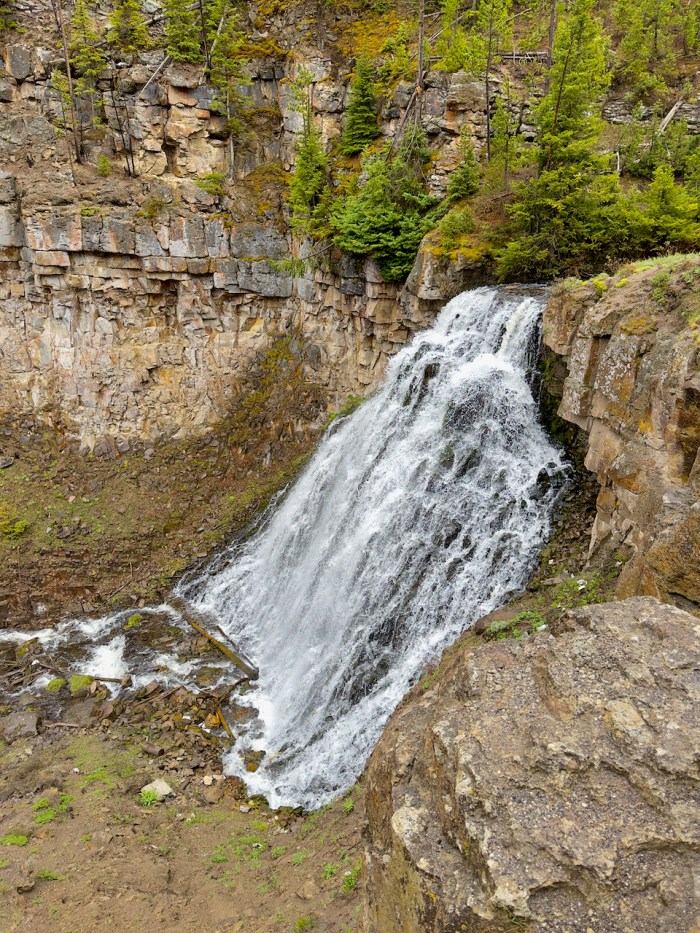
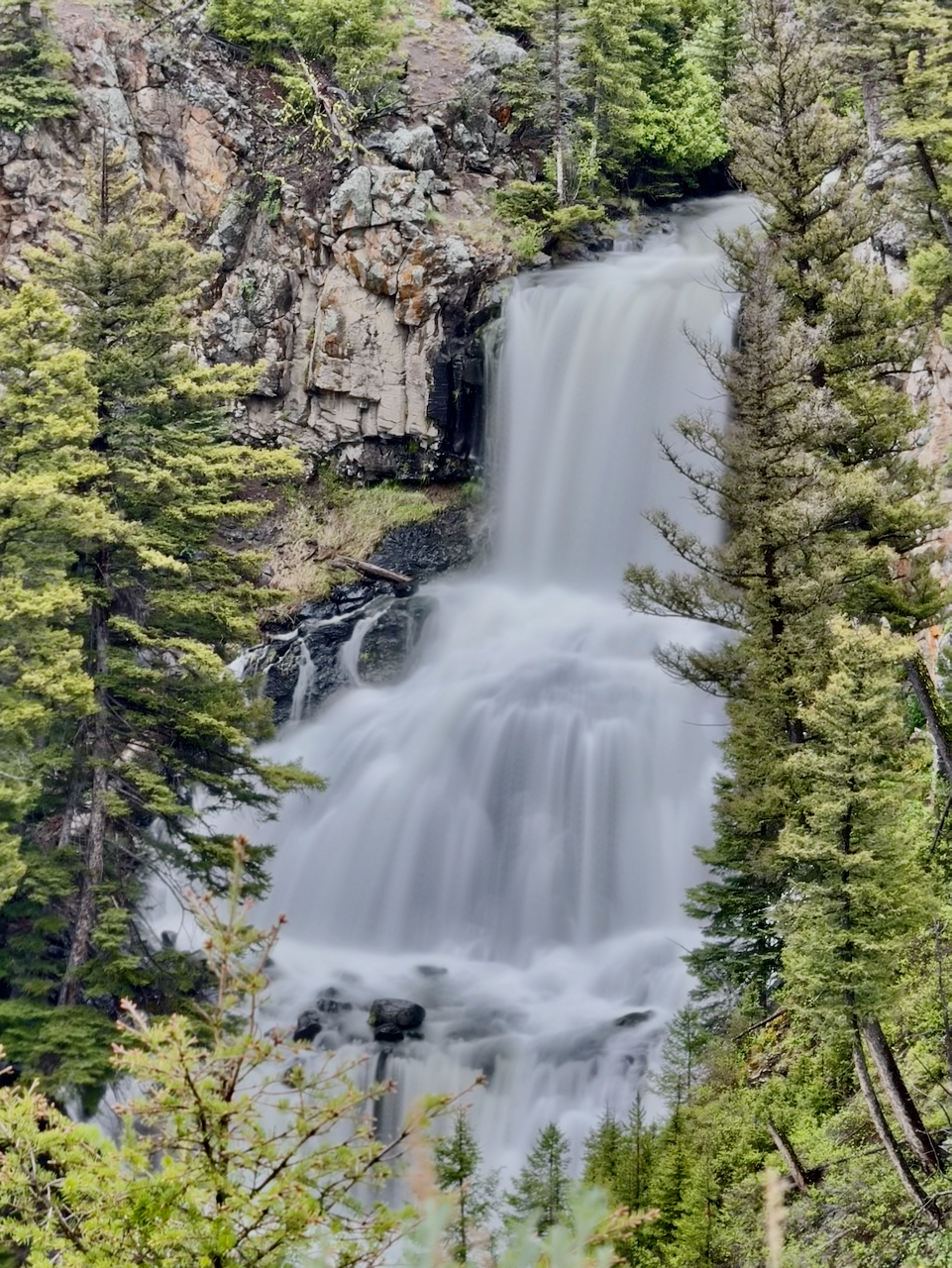
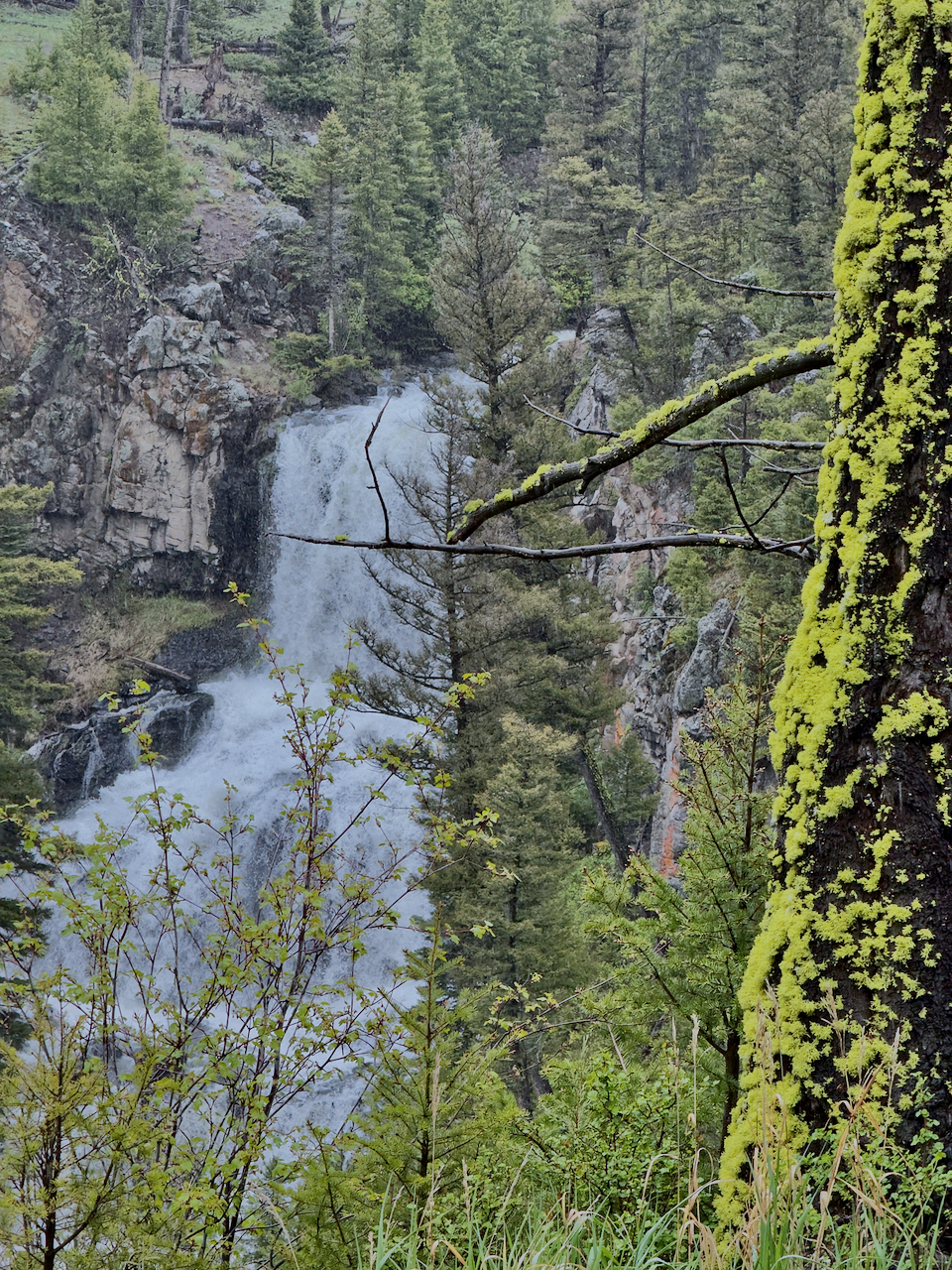
I drove on the northern most road in Yellowstone to Undine Falls and turned back for the night in Mammoth.
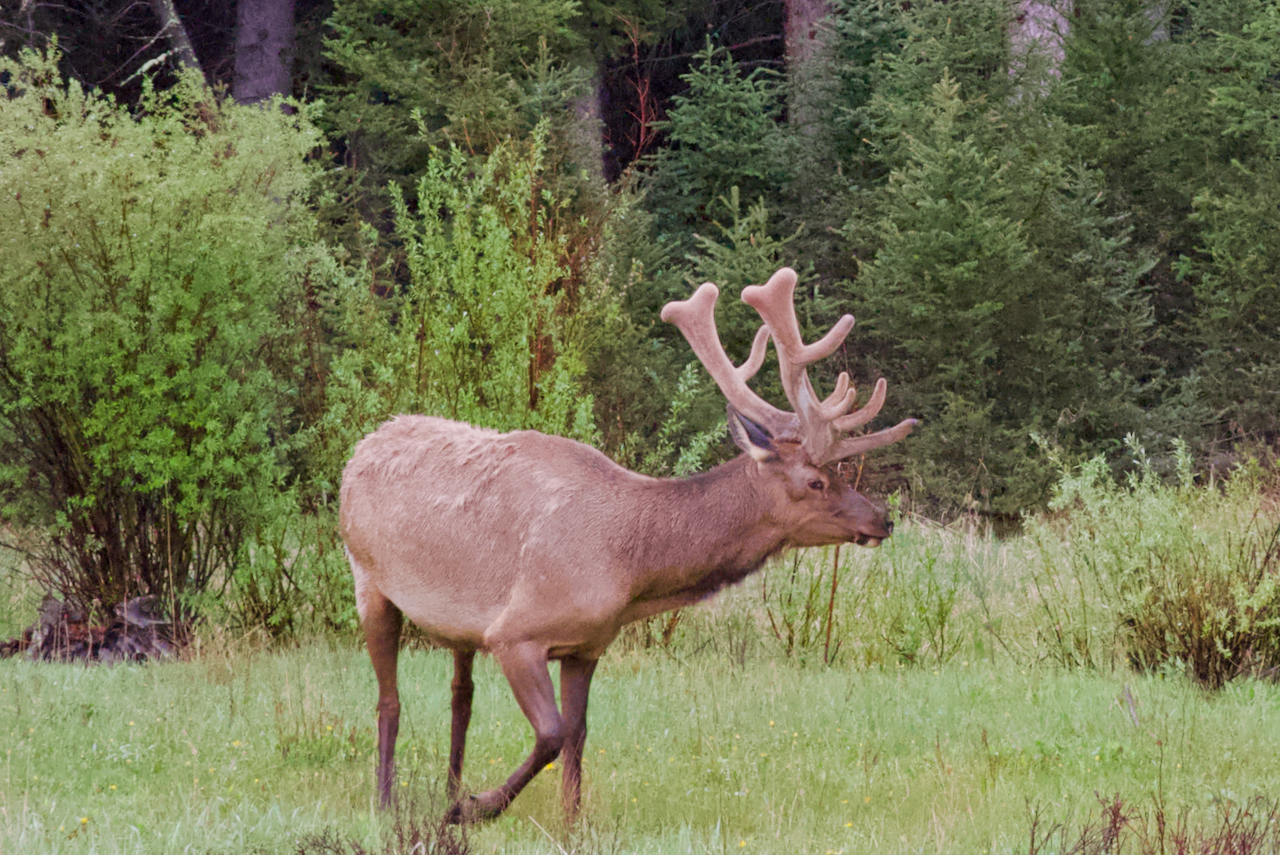
Along the way I found a bull elk in velvet on the antlers.

This concludes part 3 of the Yellowstone adventure. Stay tuned for the Canyon and Falls of the Yellowstone River.


Stunning photos,Charles! I just kept thinking, “What wonders God hath made!”
Hi Charles,
Beautiful. Amazing photos.
I hope you are well. Your trips are amazing.
Best,
Allan/Maine