February 25 – March 3, 2026:
Key West on the end of a long chain of islands is only one mile wide and four miles long, but there is a lot packed into that space. I flew in direct to Key West rather than taking the 100 mile island hopping road.
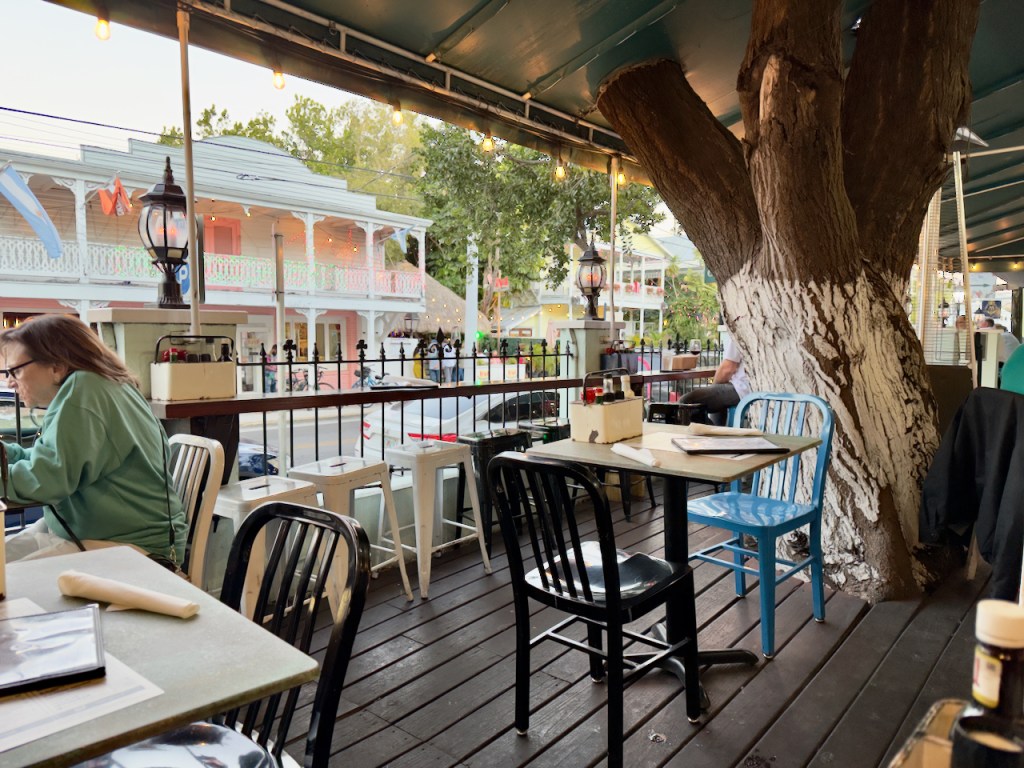
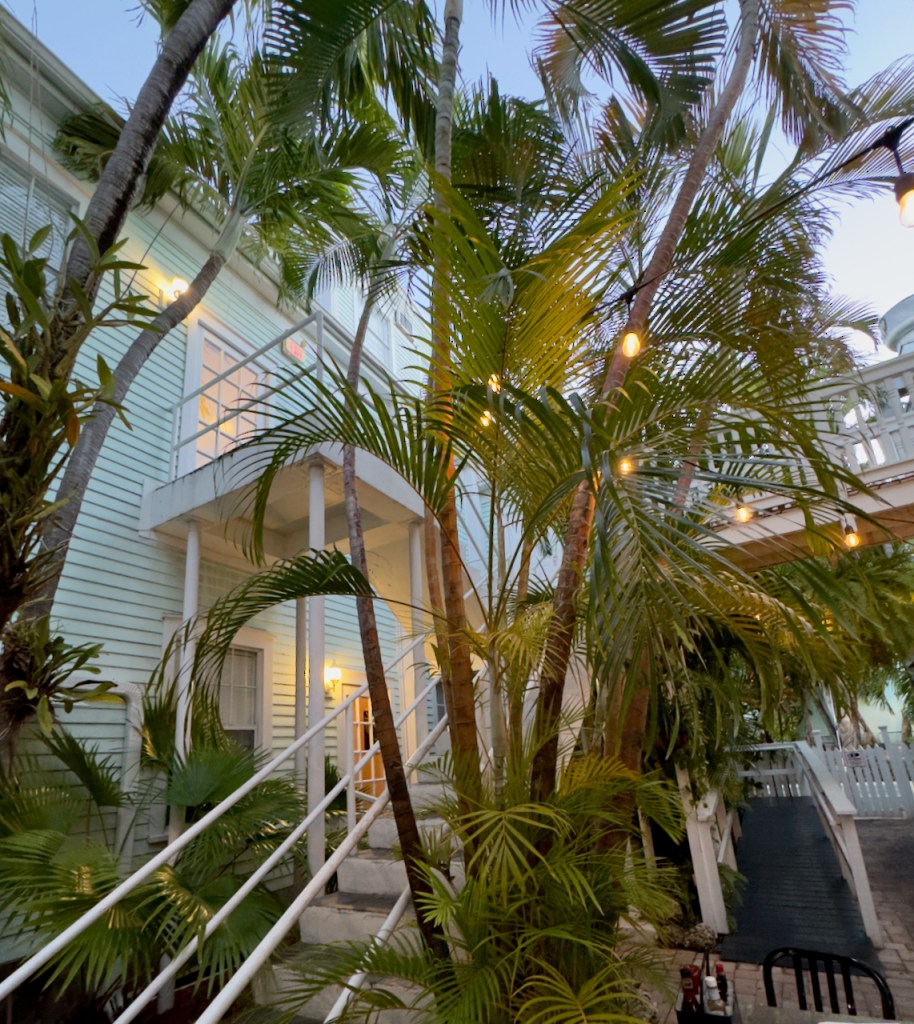
In the middle of old town I stayed in the Wicker House “hotel”, which was a collection of twelve houses divided into individual guest suites. The first night I ate at the Old Time Tavern right across the street from the hotel.
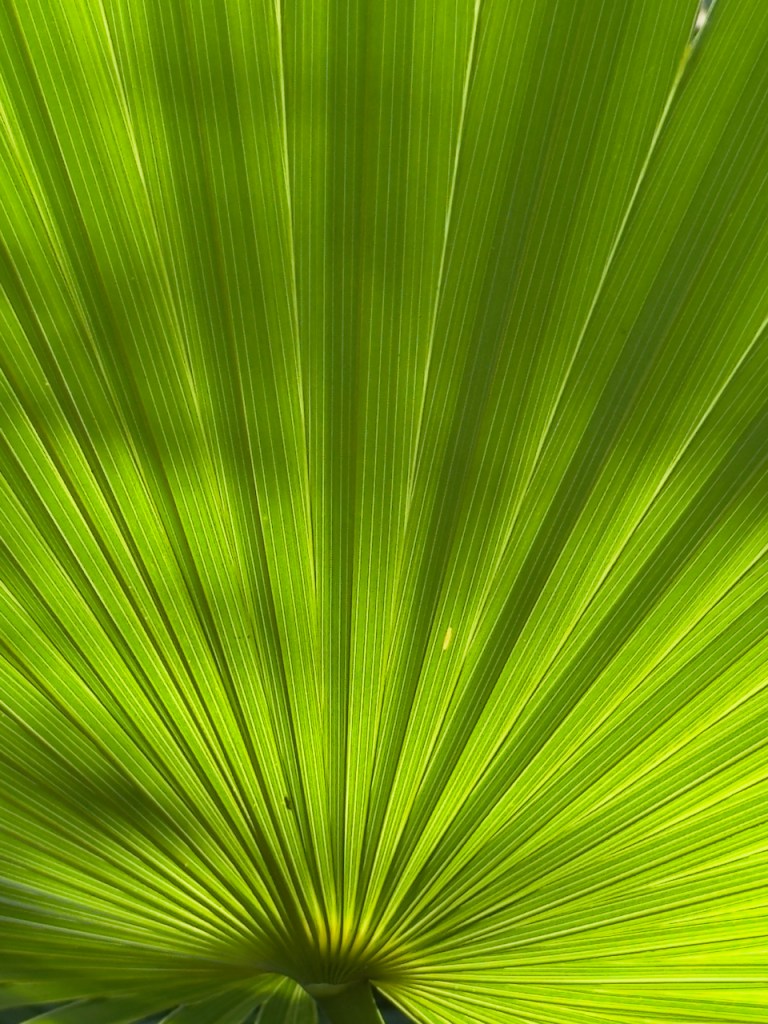
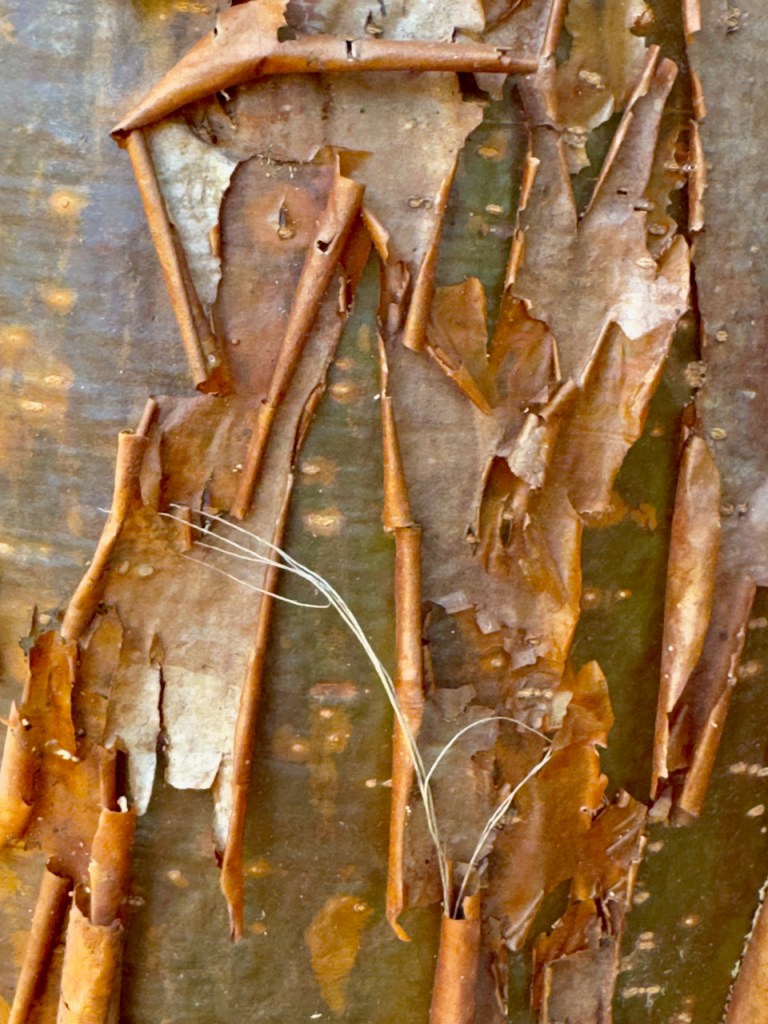
The first day I took the Key West Trolley around the Island and my first stop was at the Tropical Forest and Botanical Garden. It really wasn’t worth the long walk from the trolly stop. There weren’t any flowers but quite a few fans and an interesting tree with curling bark.
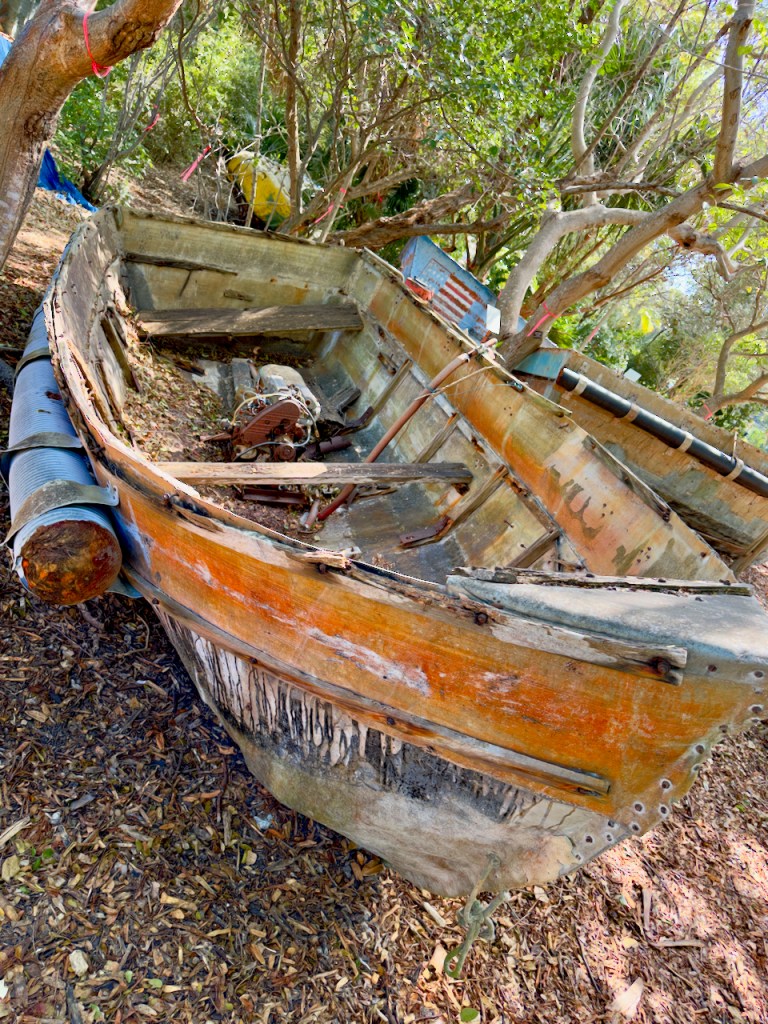
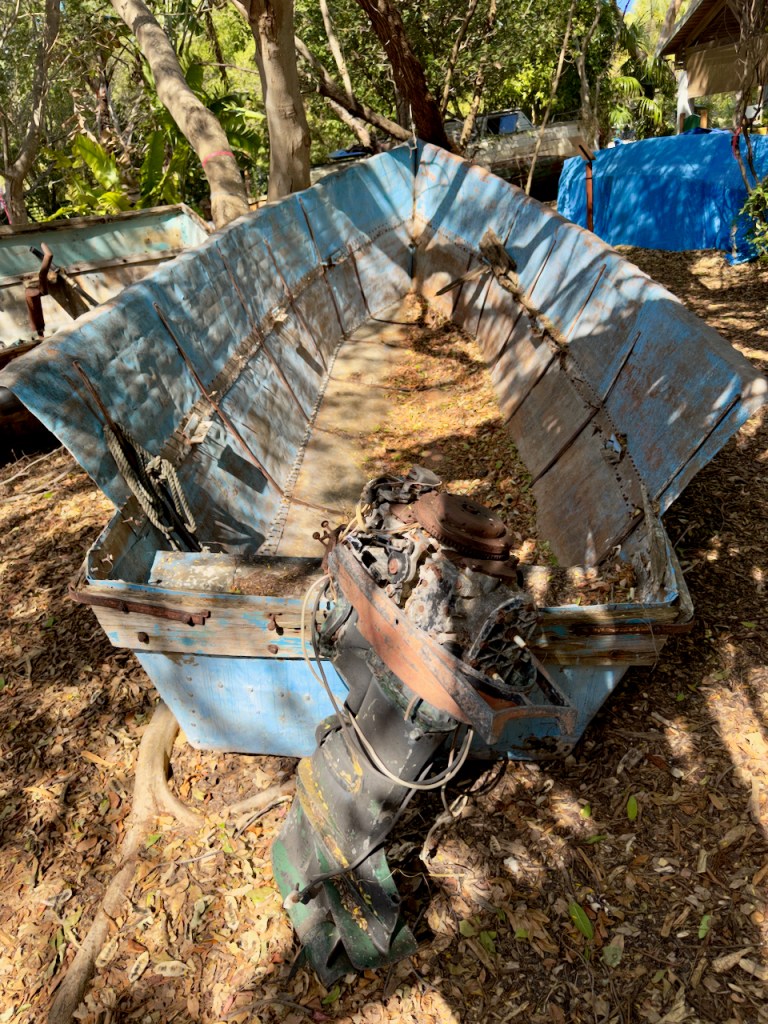
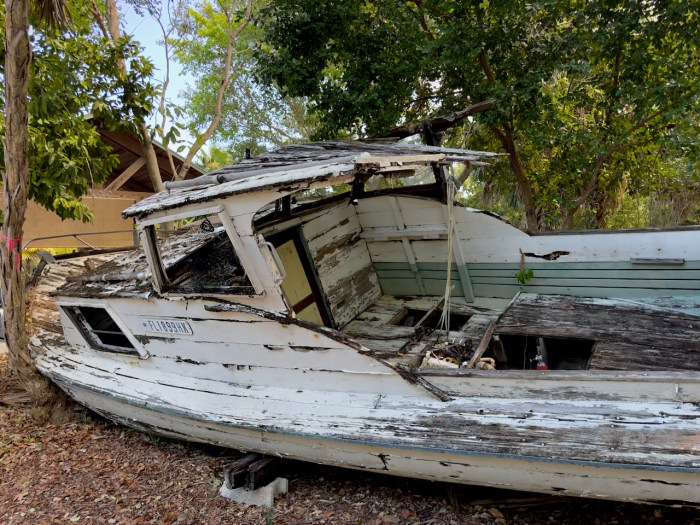
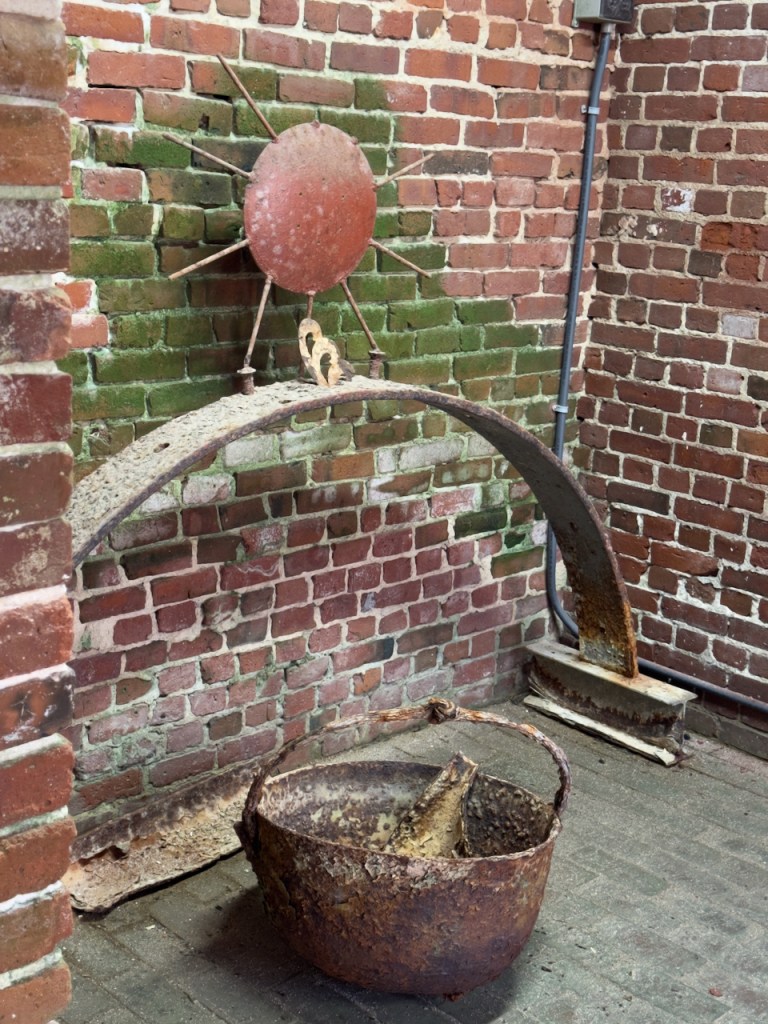
But what was interesting was an old ship yard with rotting boats on the grounds of the garden. These are some of the remnants of the boats used during the Muriel exodus of Cubans in 1980. They call these boats Cuban Chugs and were made with anything that could float and had some type of engine.
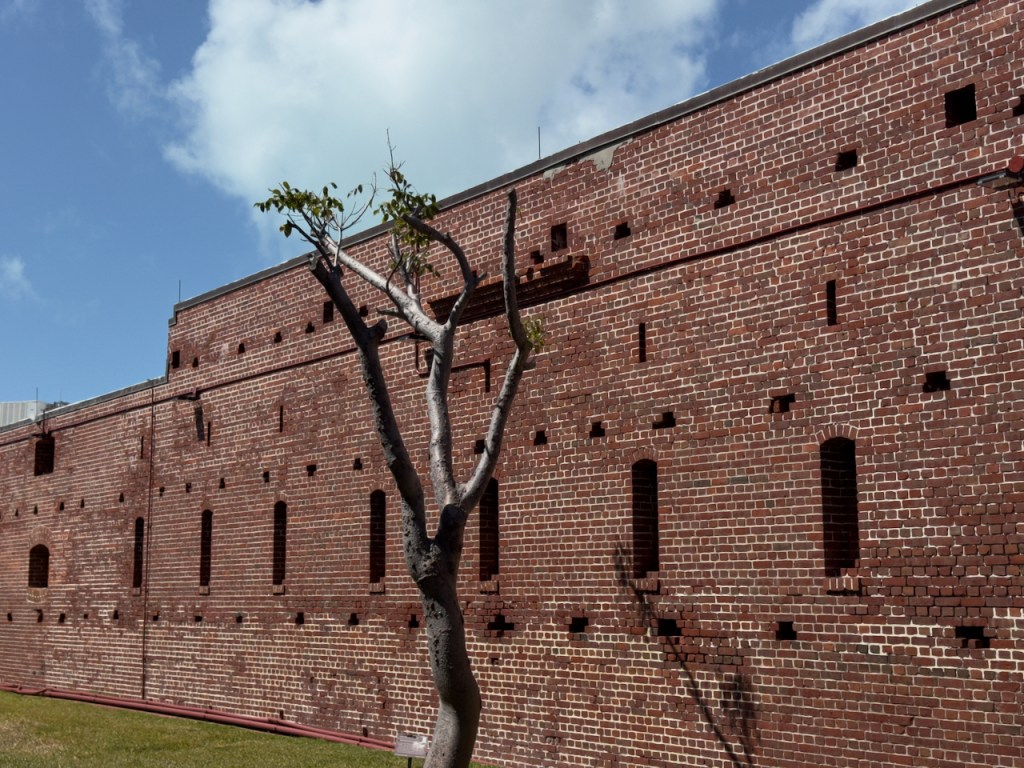
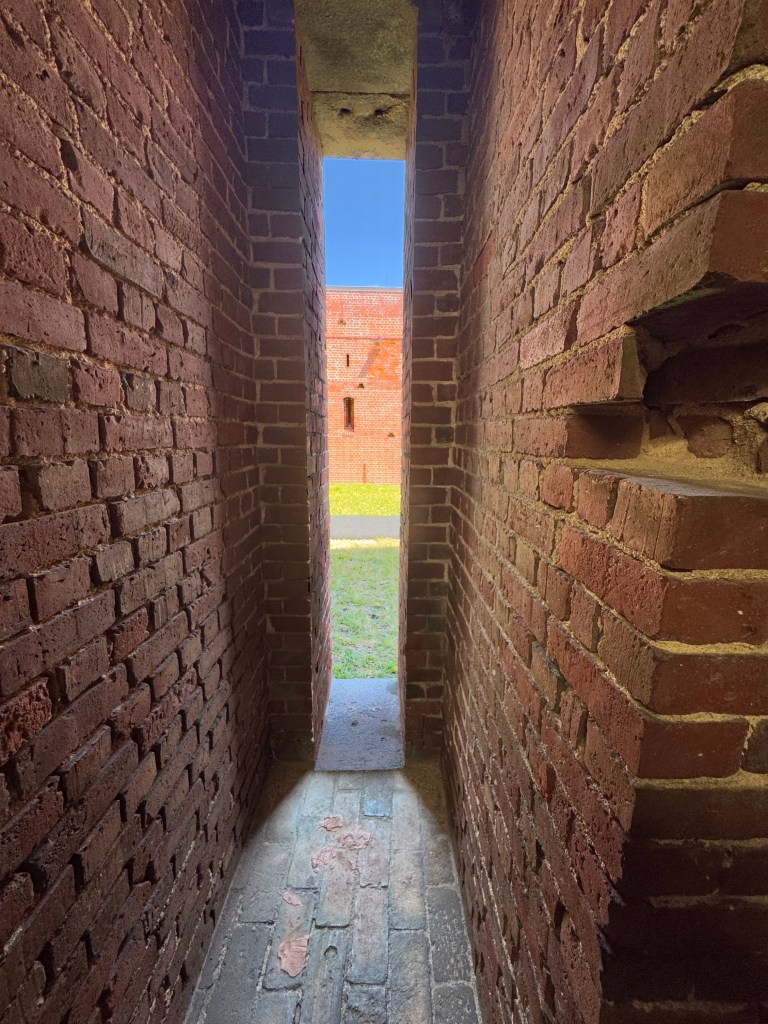
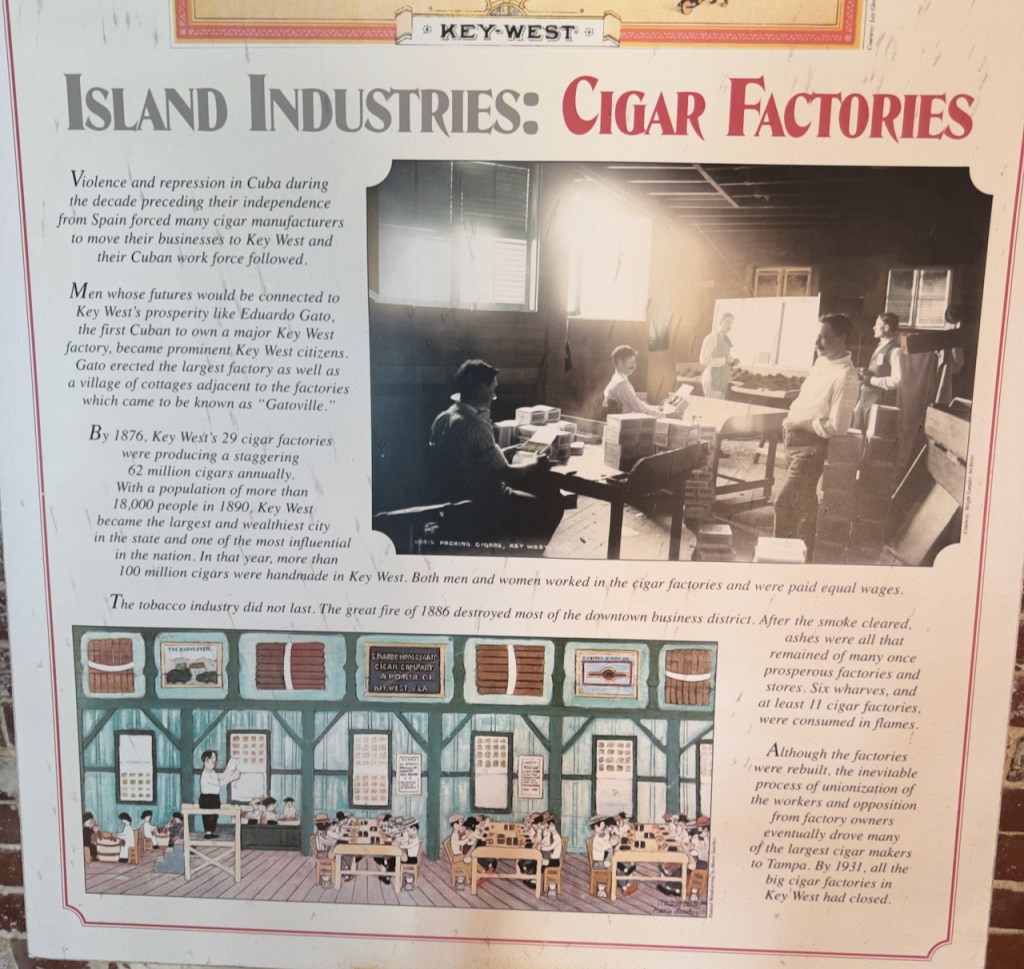
The next stop, Fort East Martello was constructed in 1862 during the Civil War. It has vaulted brick ceilings and curved walls. It has many exhibits but the one that interested me the most was the history of cigar making in Key West.
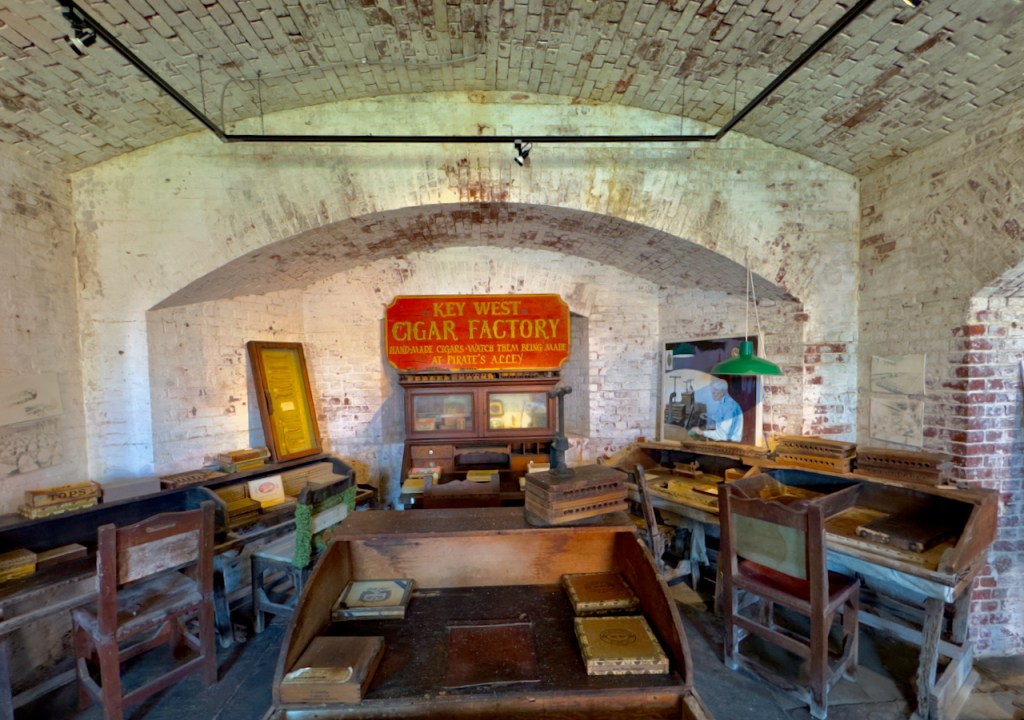
I think the following panel explains it the best. The cigar factories were one of the thriving industries that brought much wealth to Key West in the 1800’s.
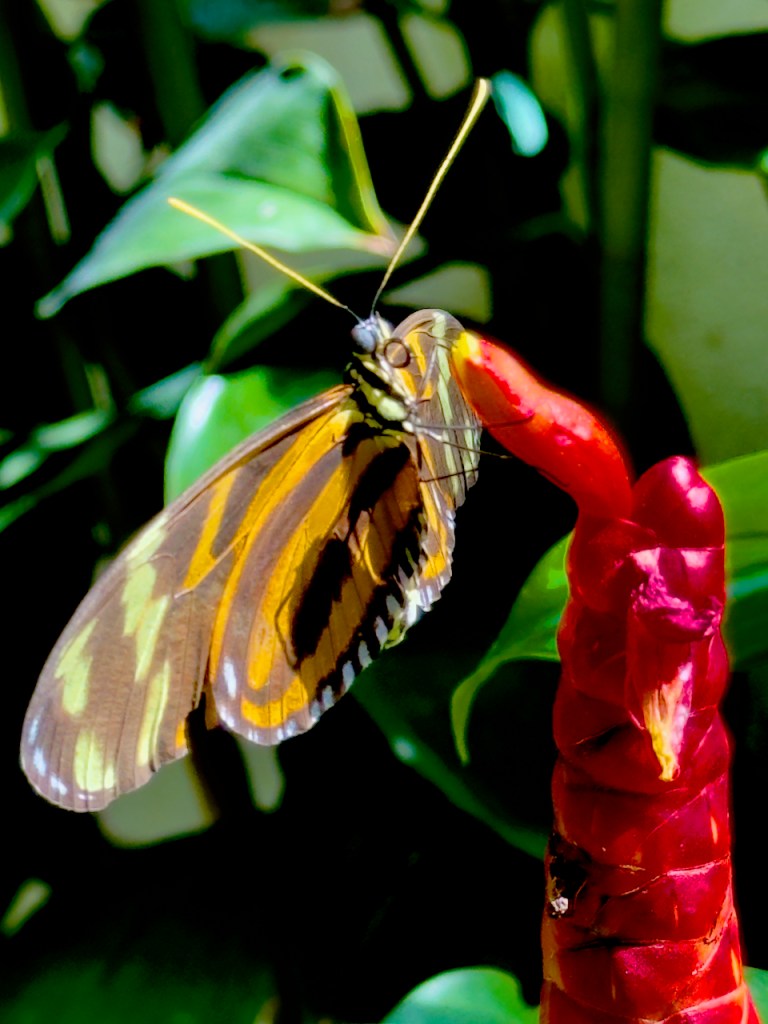
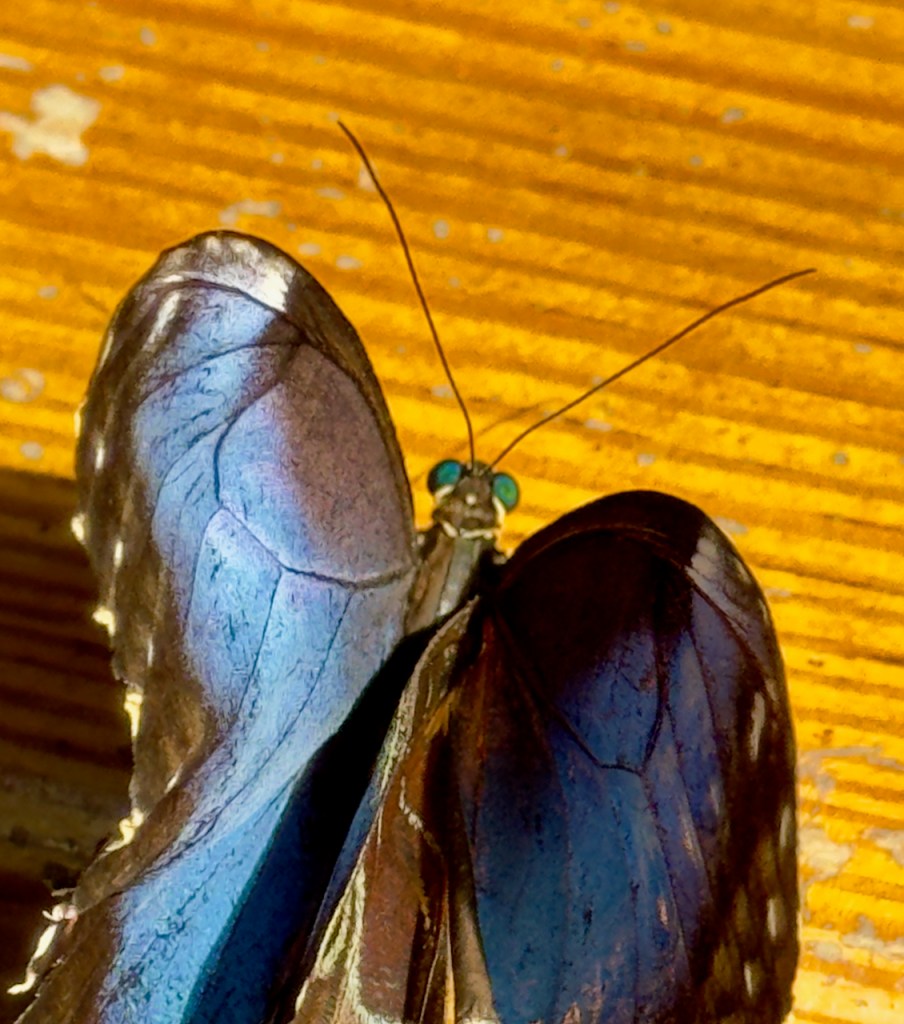
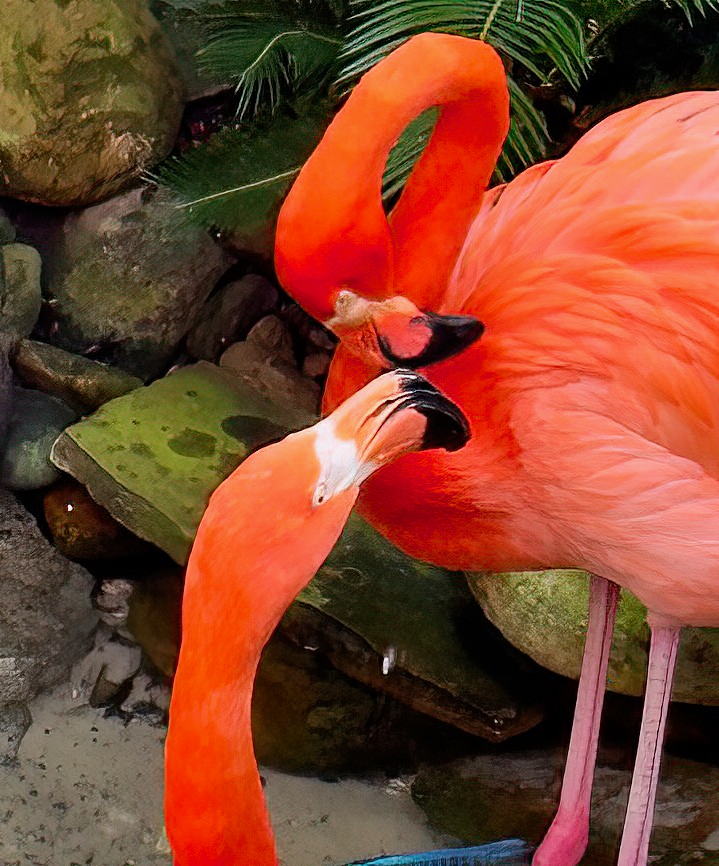
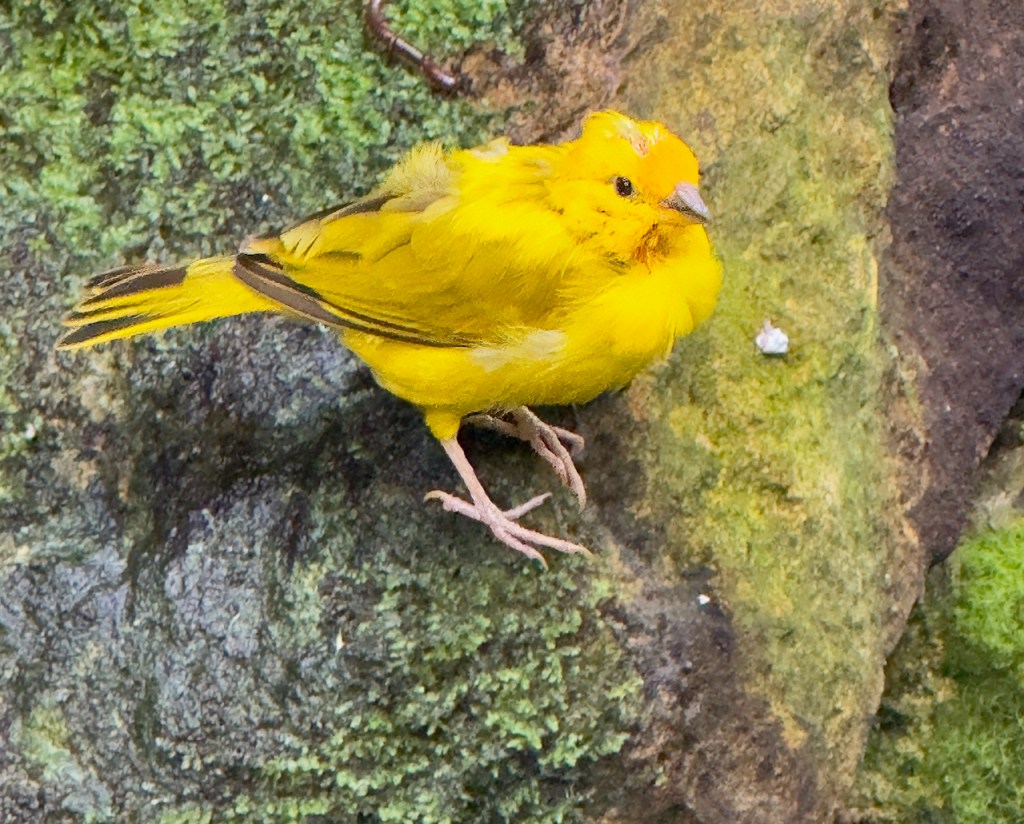
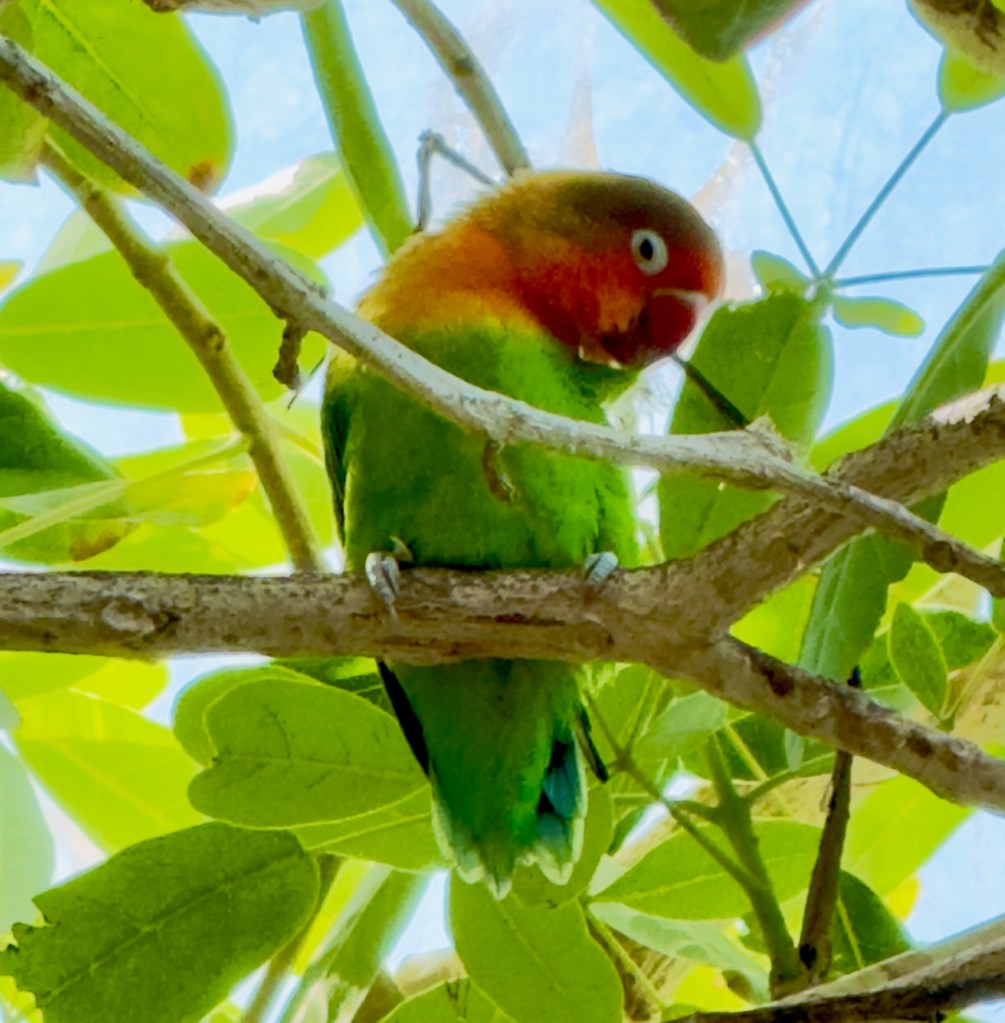
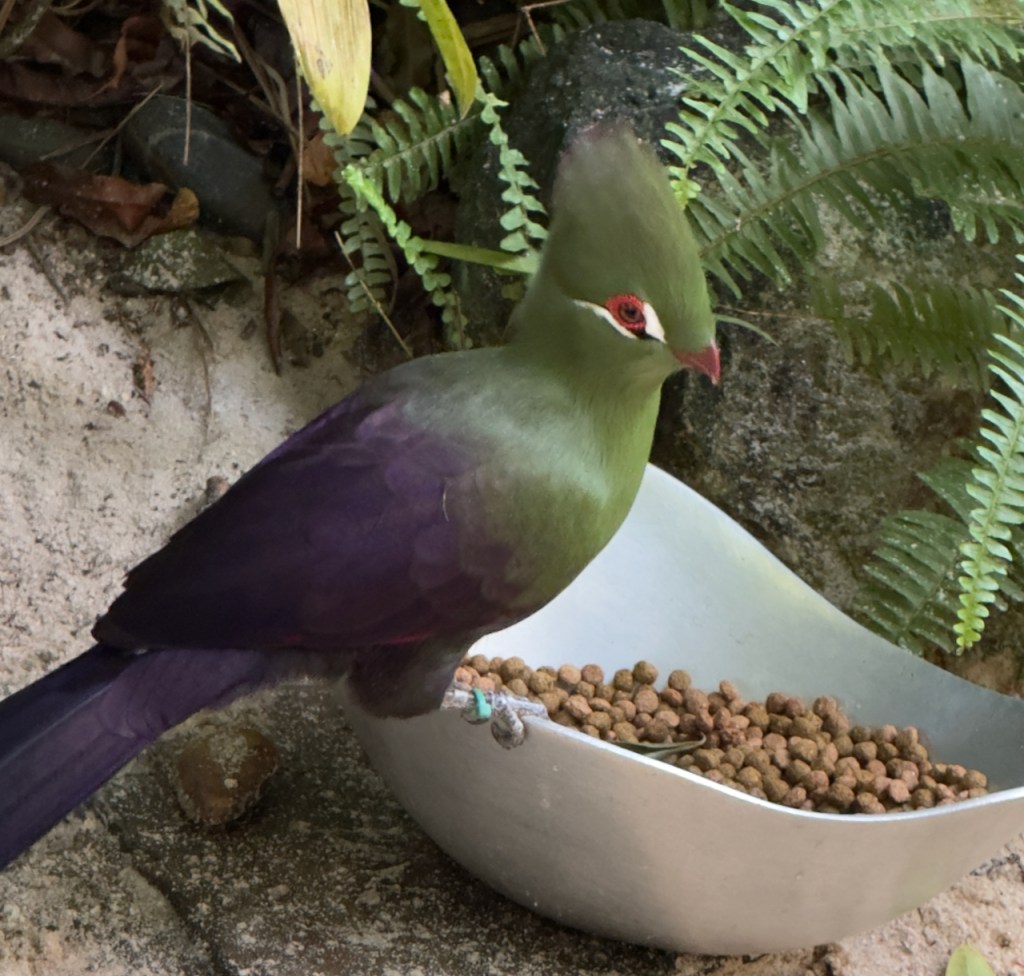
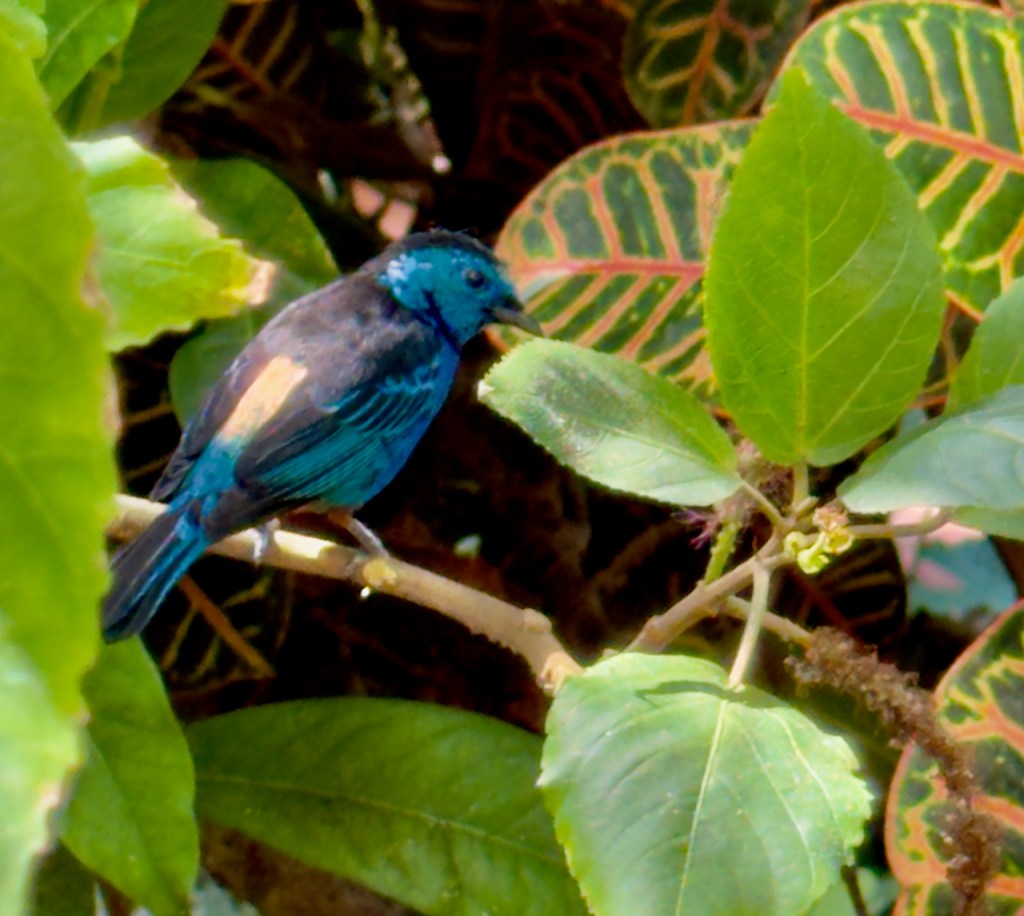
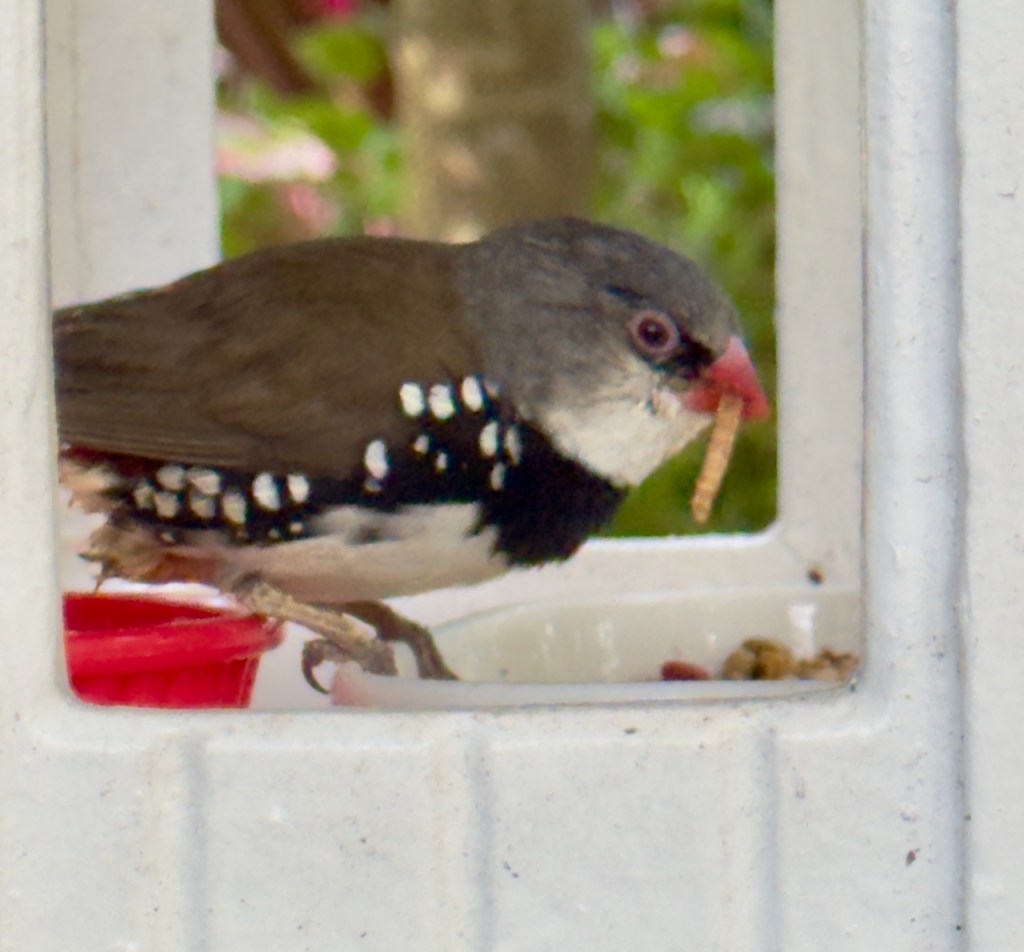
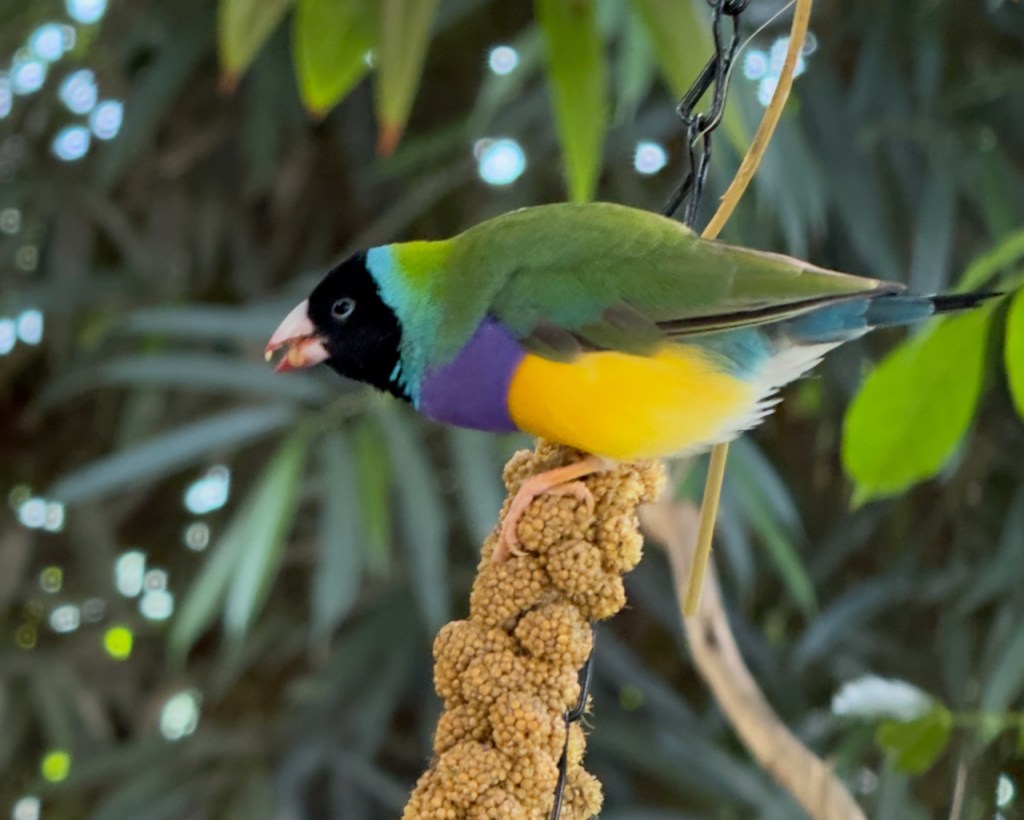
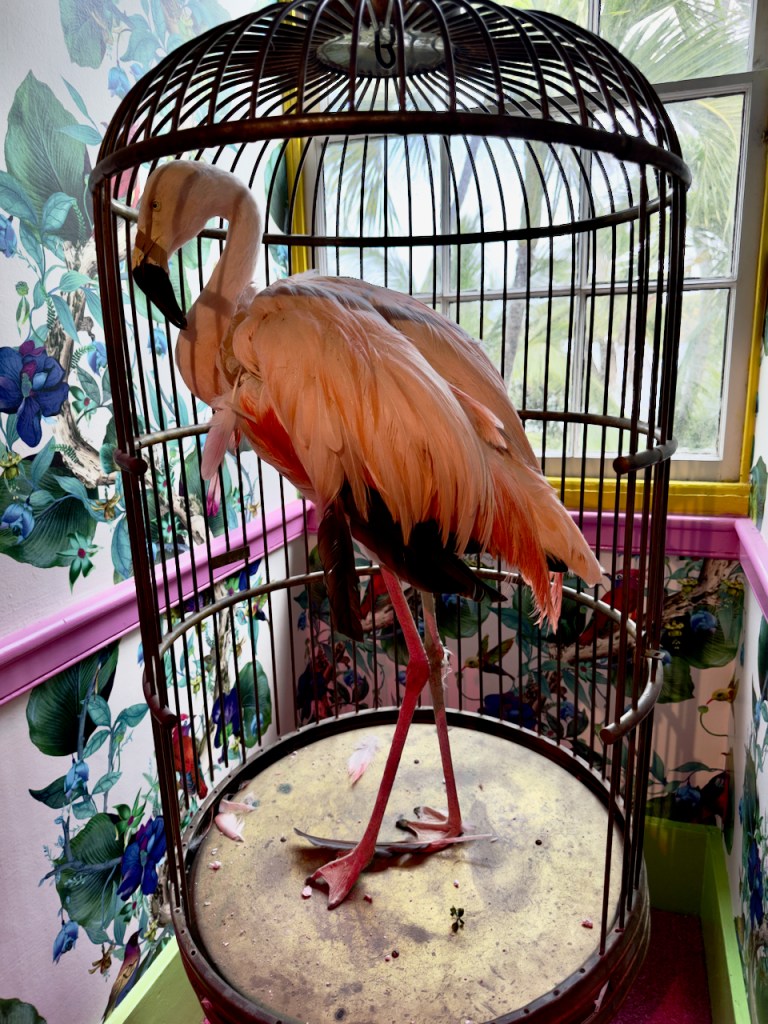
Next stop was the Butterfly and Nature Conservatory. There were many blue Morpho butterflies flying about. When they land they fold their wings and the outside wings are brown which is not so pretty. There were also a number of small birds and two flamingos.
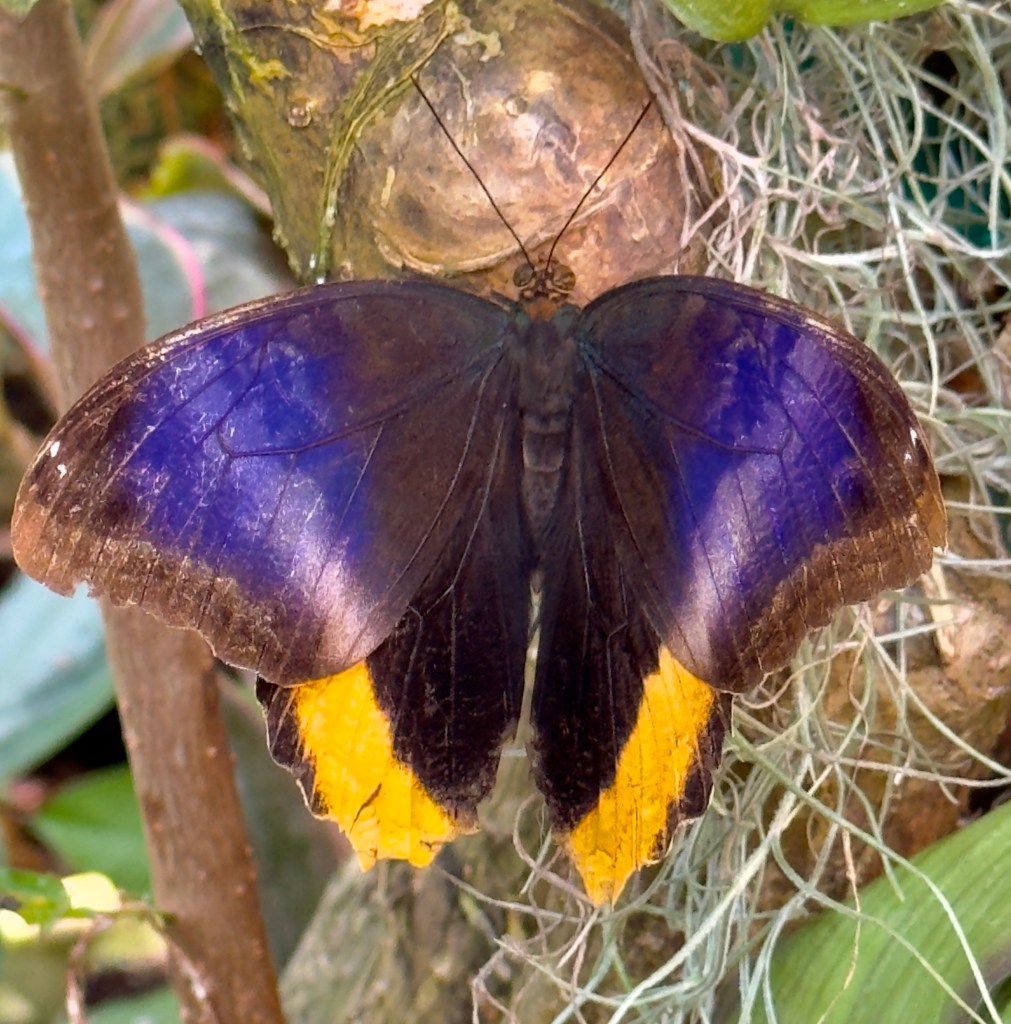
Magnificent Owl Butterfly below.
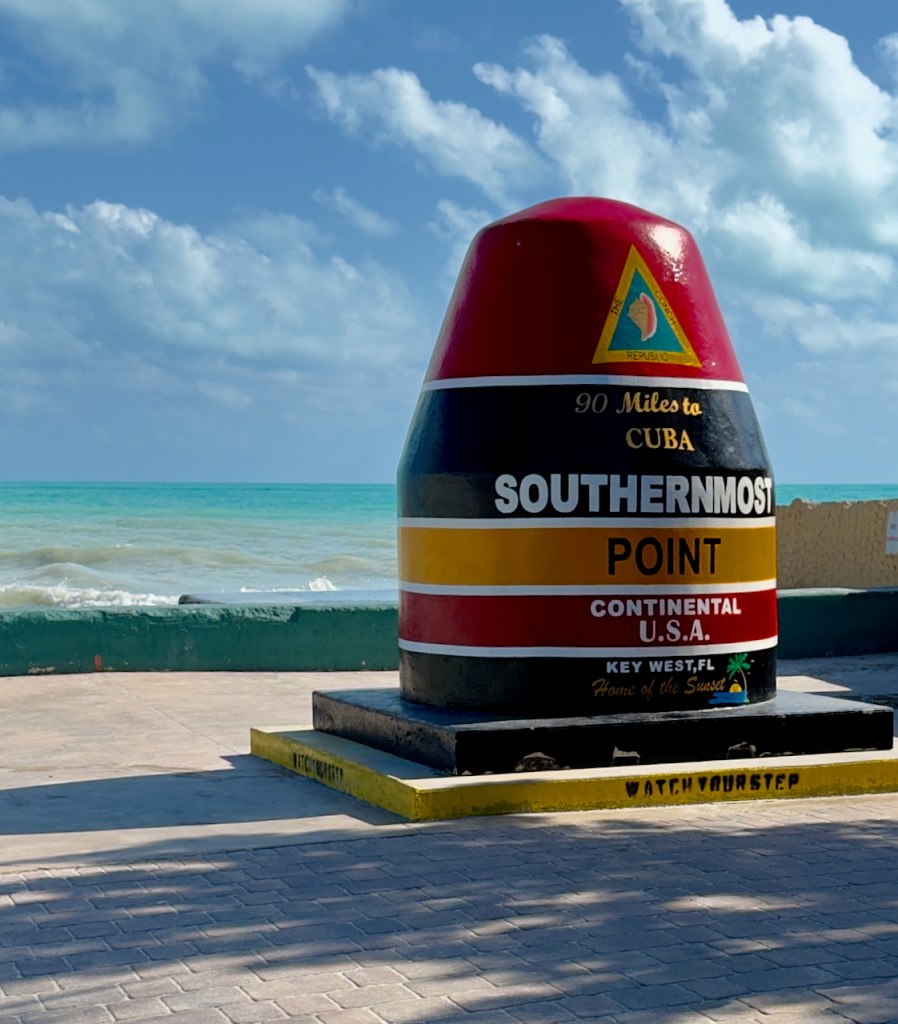
This location is the most southern point of the U. S. and people lined up to have their photos taken here.
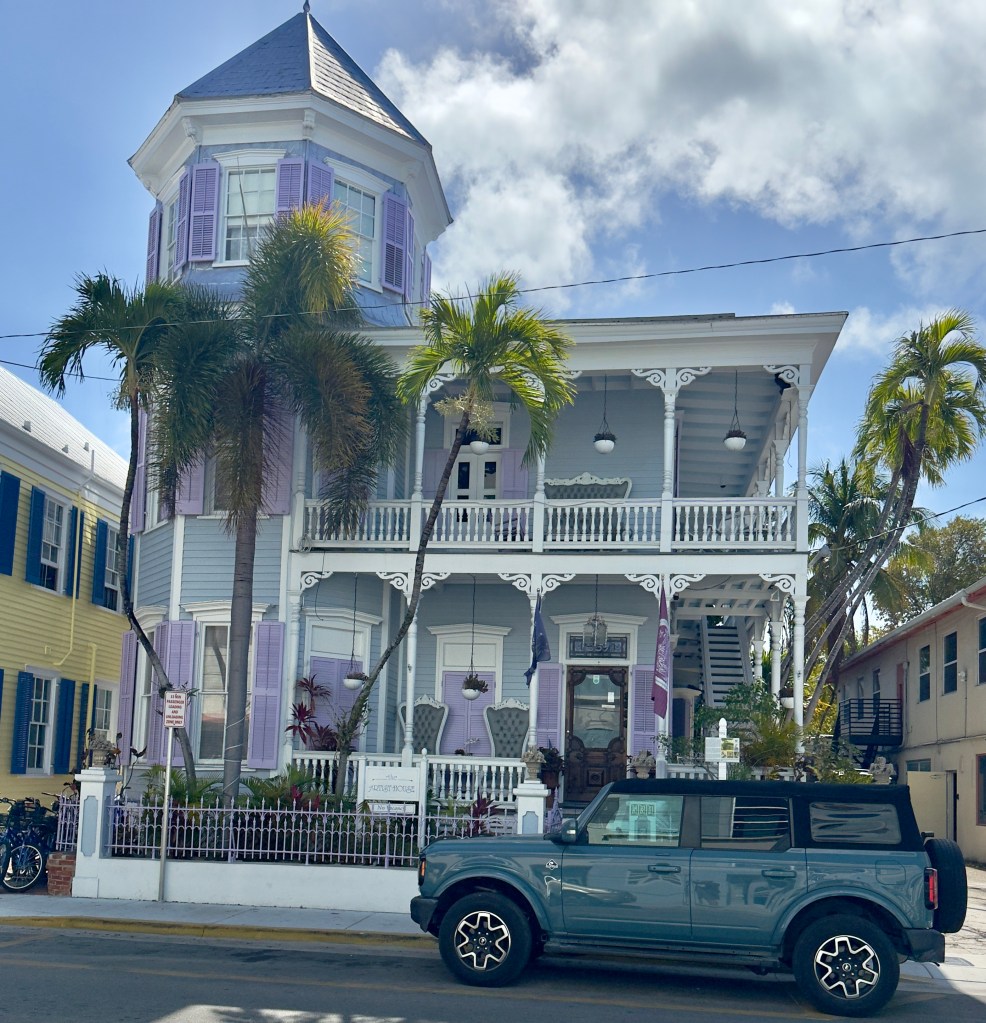
The next photos shows the southern most historical house, now a resort, and then some typical houses with second story porches.
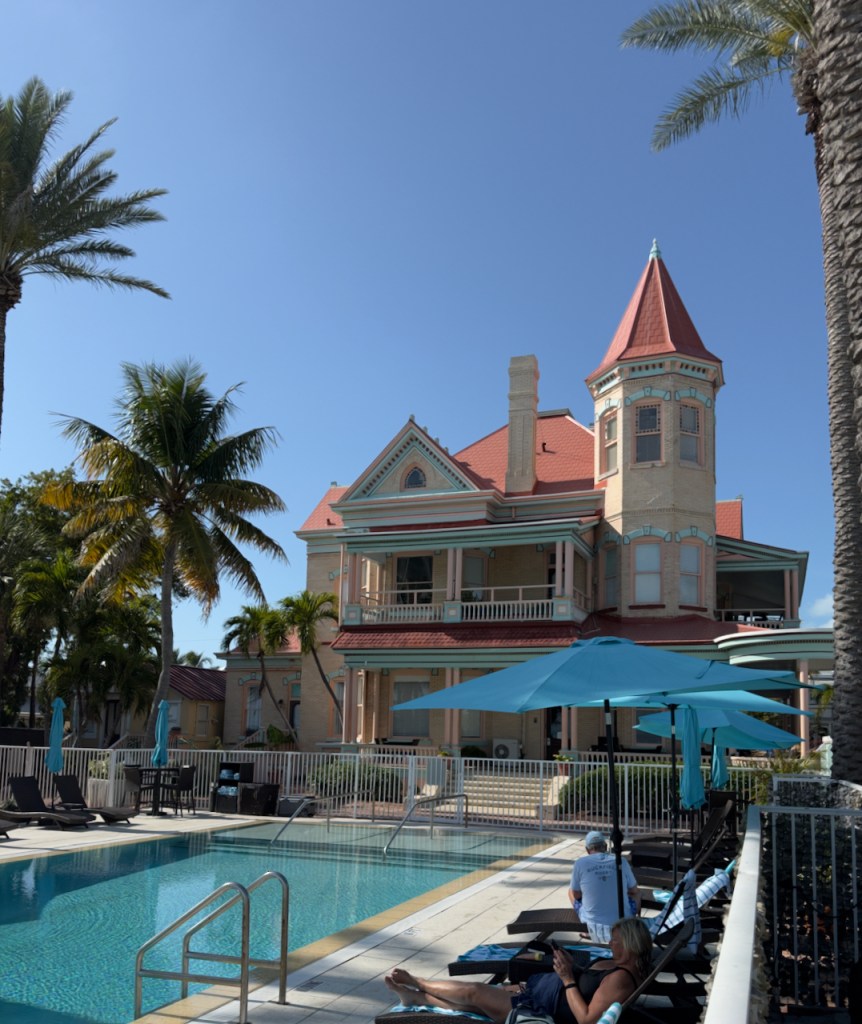
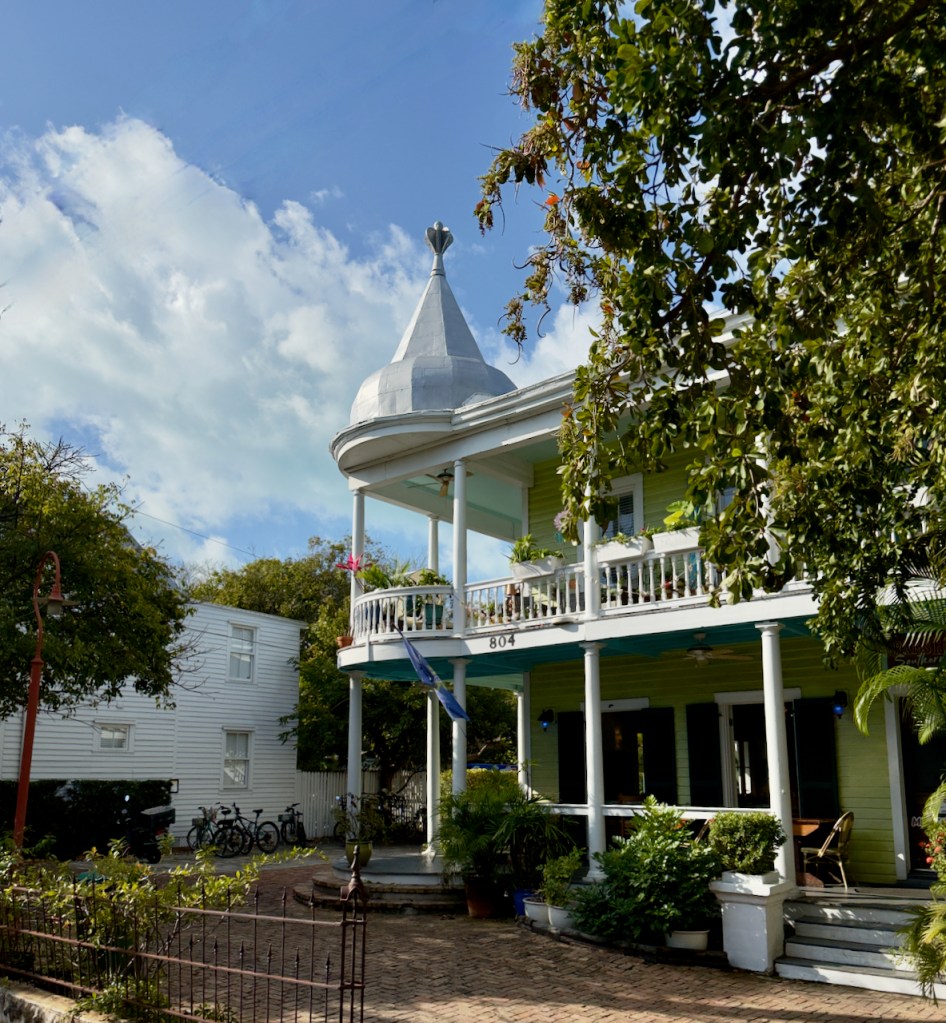
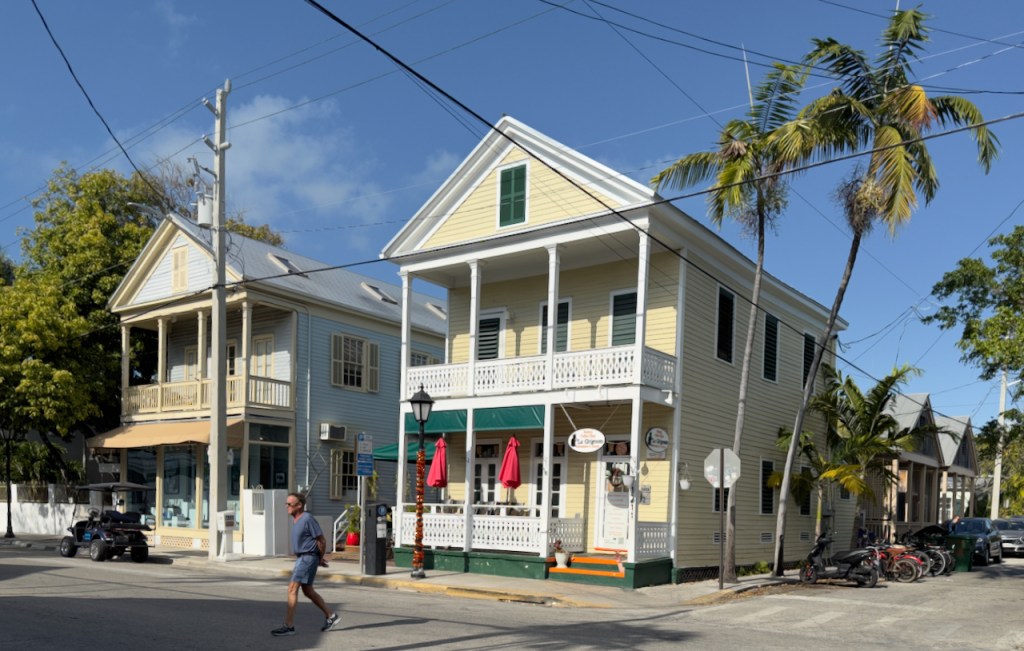
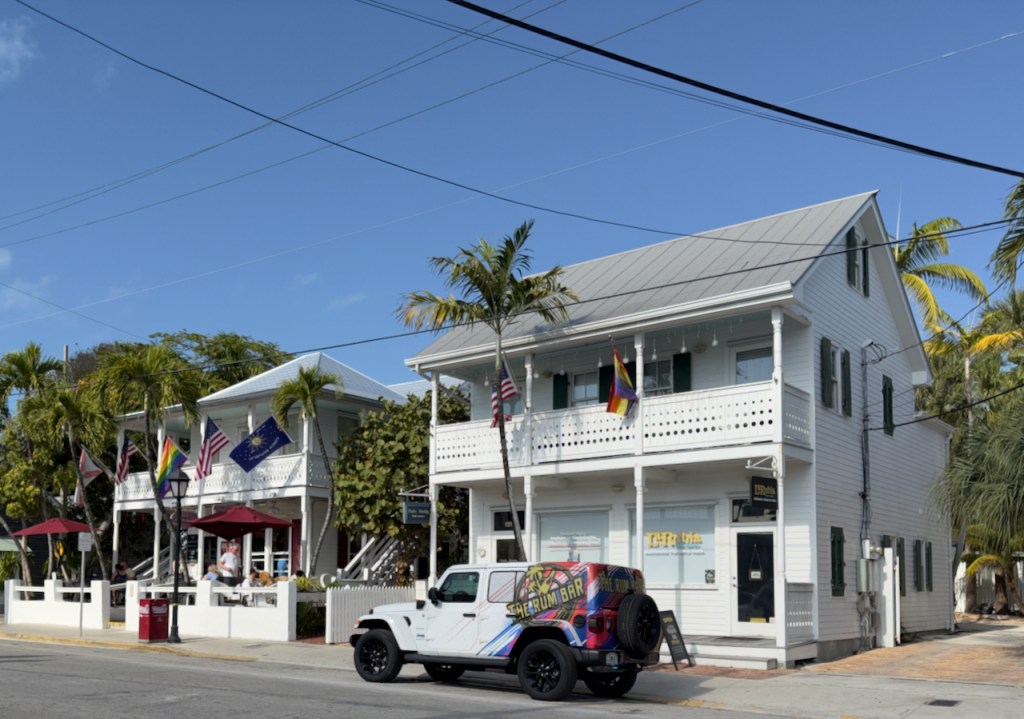
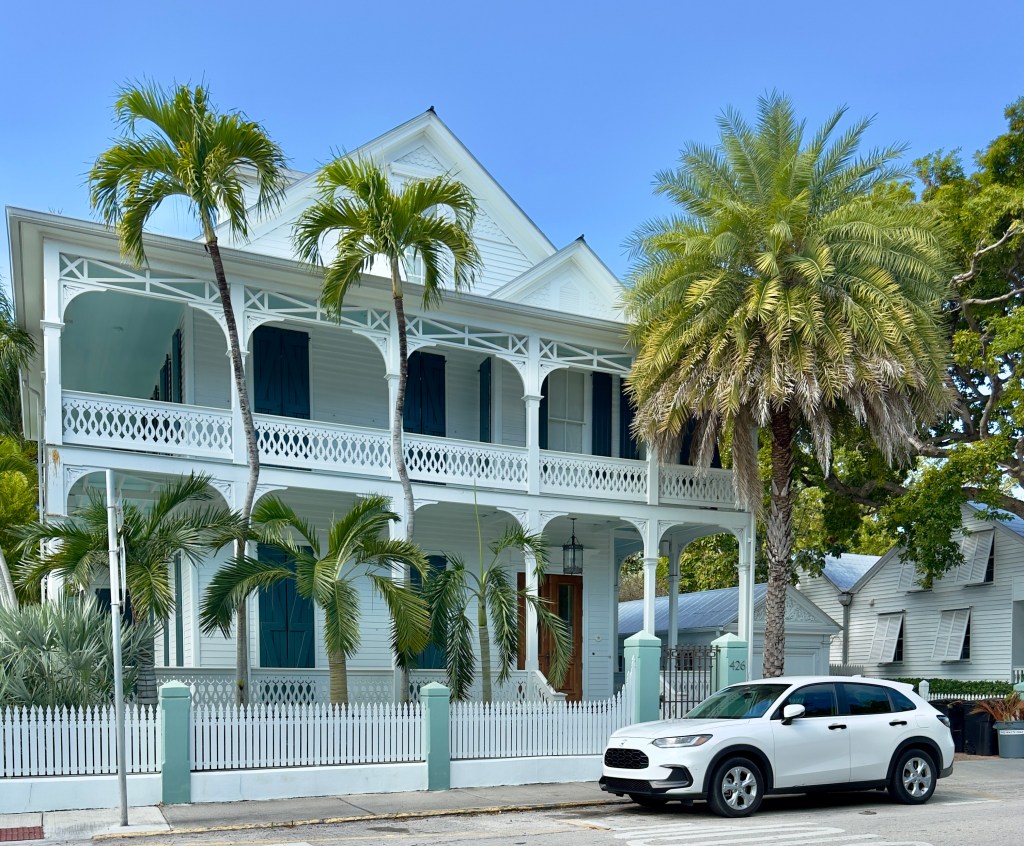
The Artist House
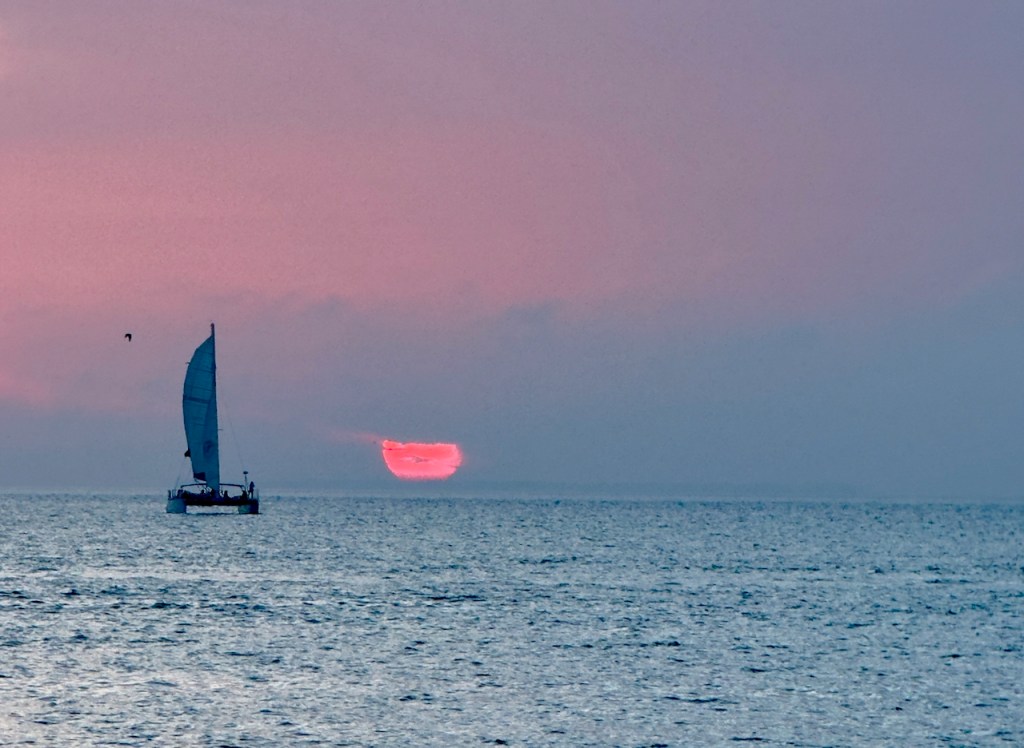
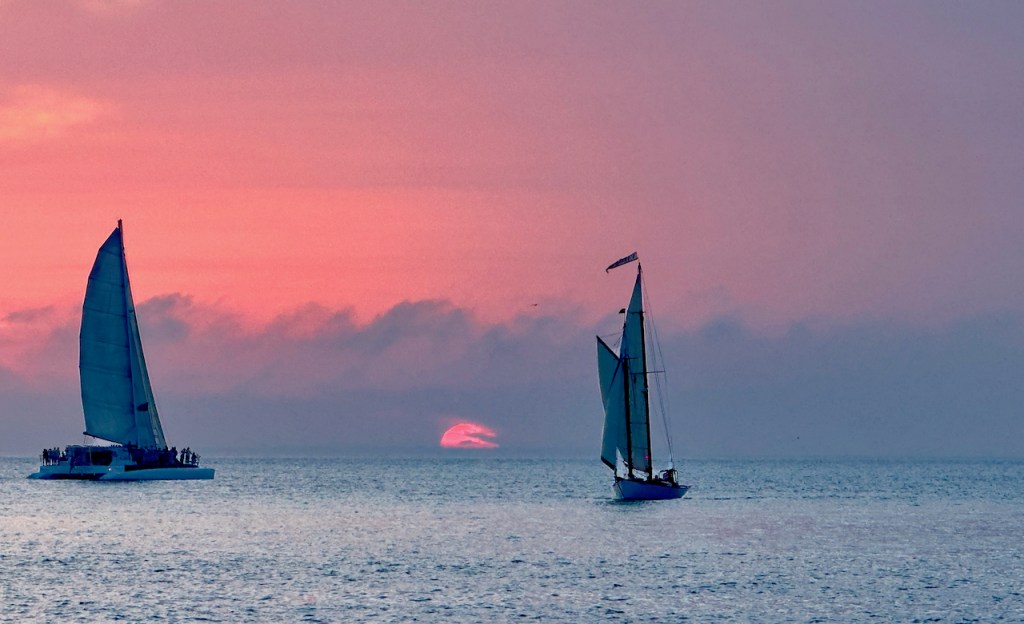
In the evening a popular activity is to watch the sunset from Mallory Square, but you have to get there an hour ahead to get a front row spot. I have so many photos it was hard to choose.
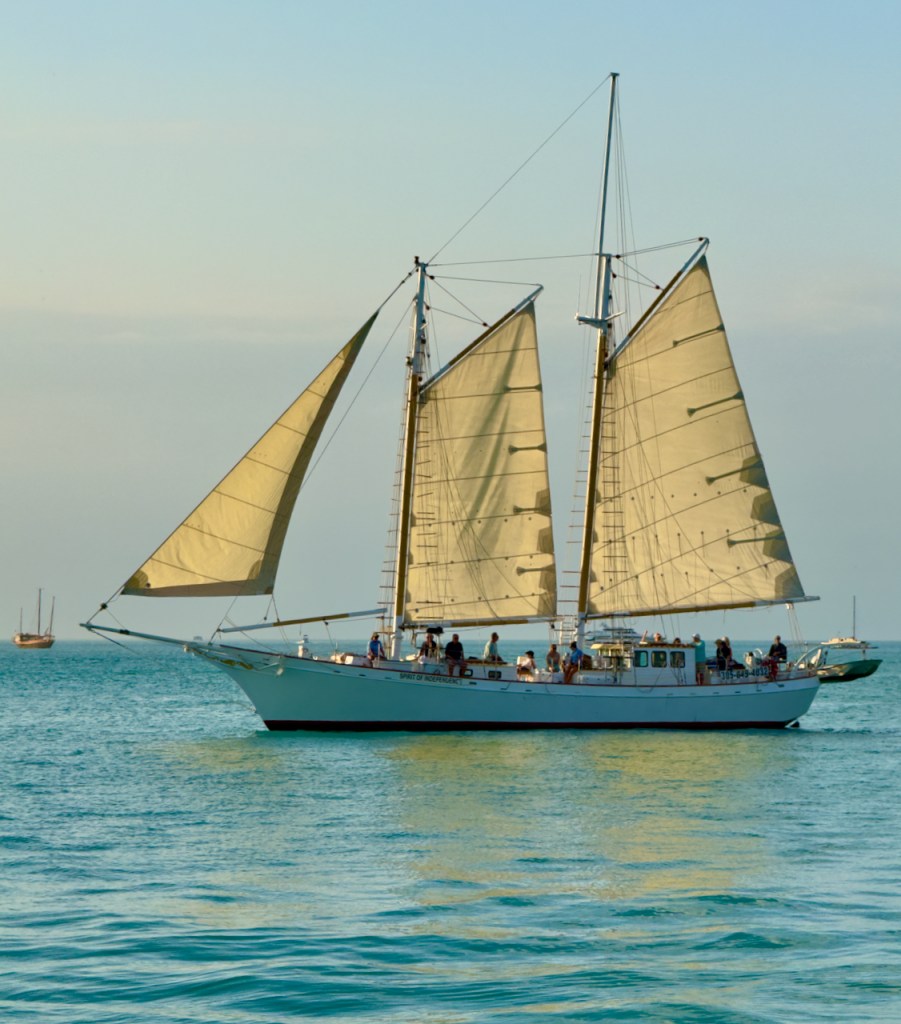
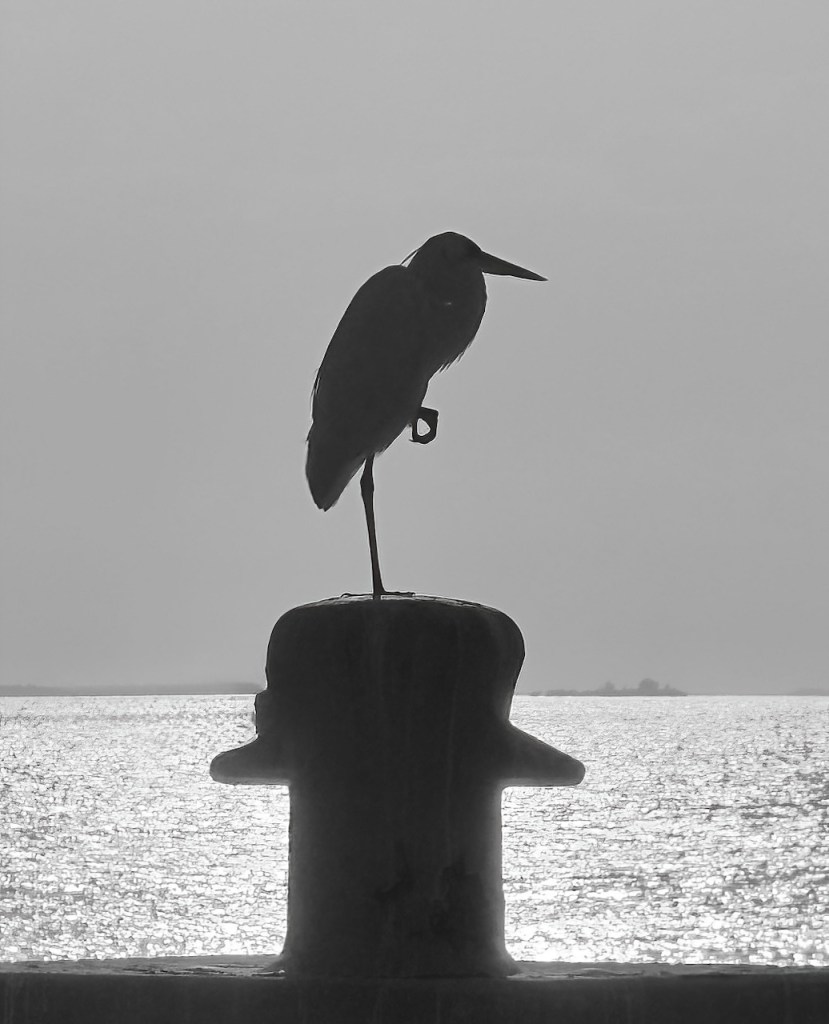
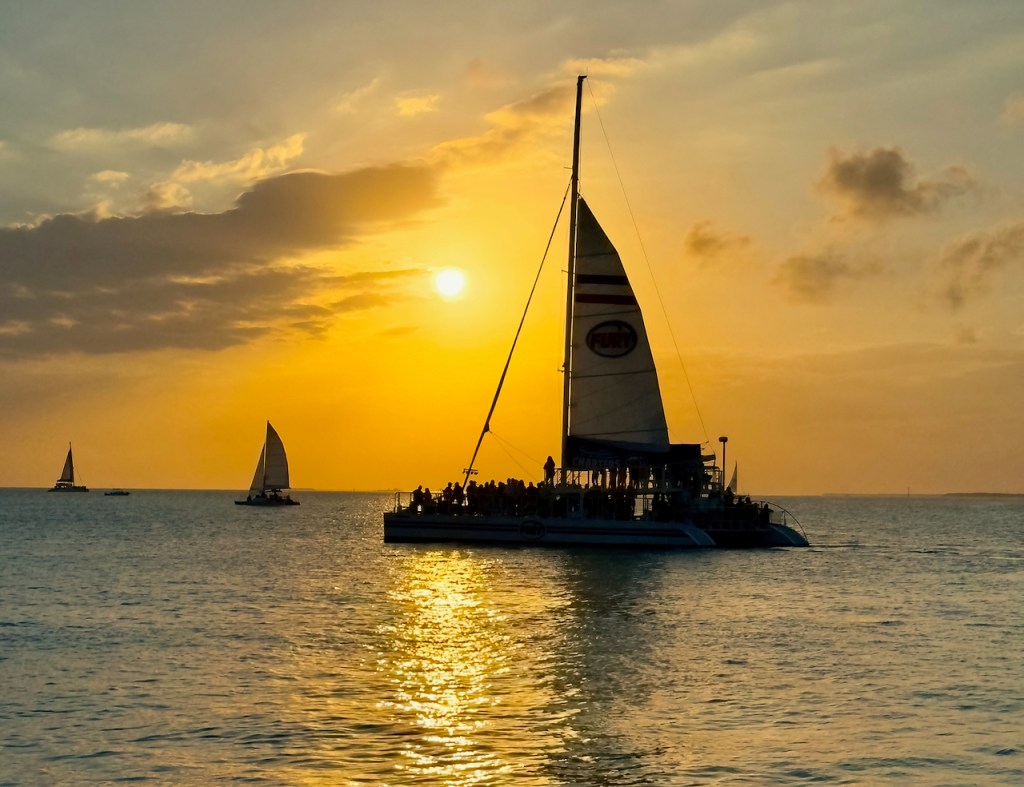
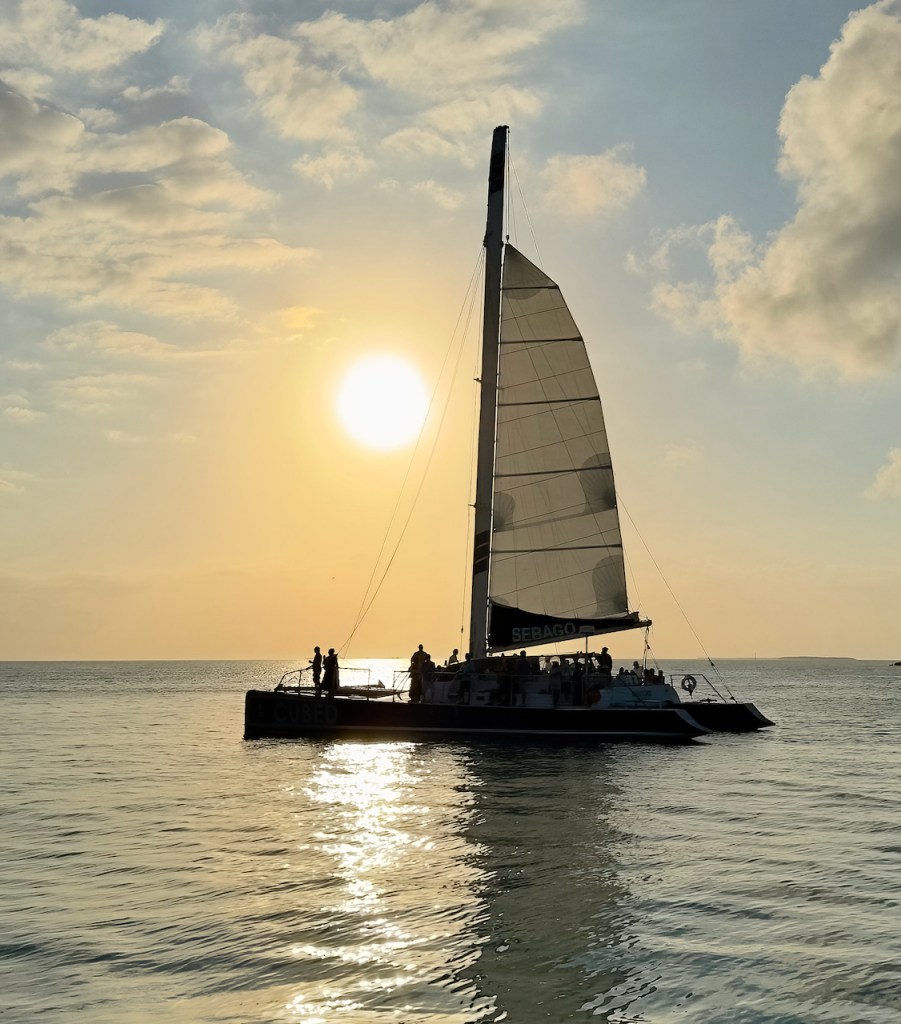
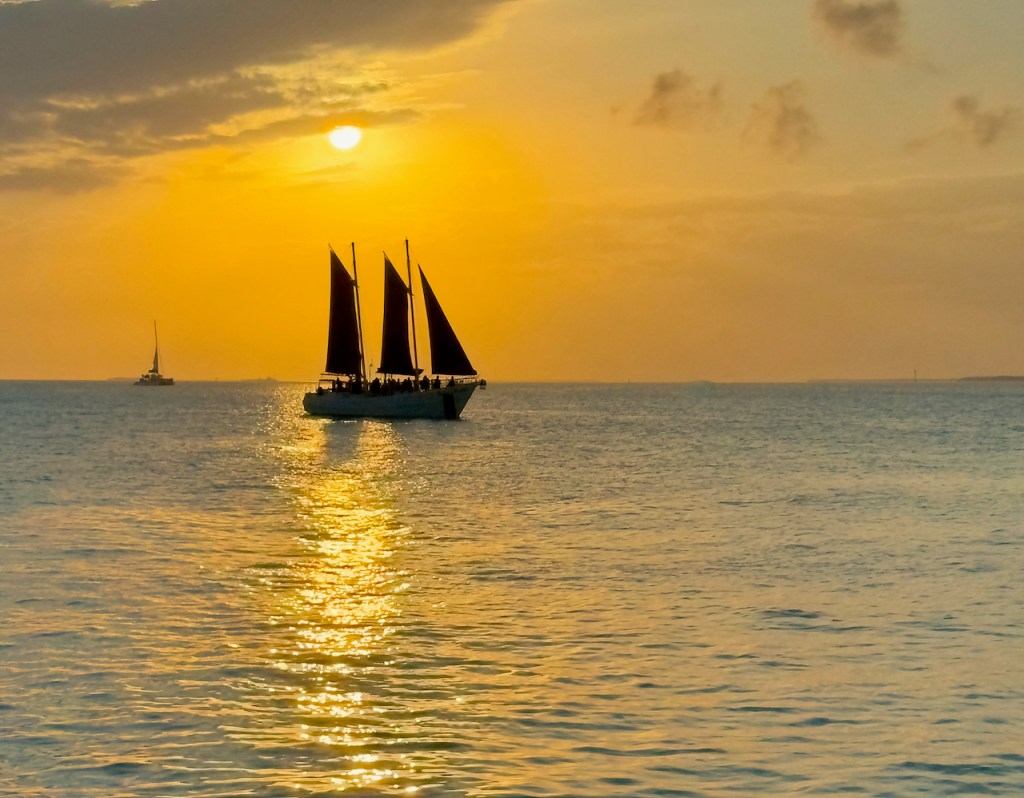
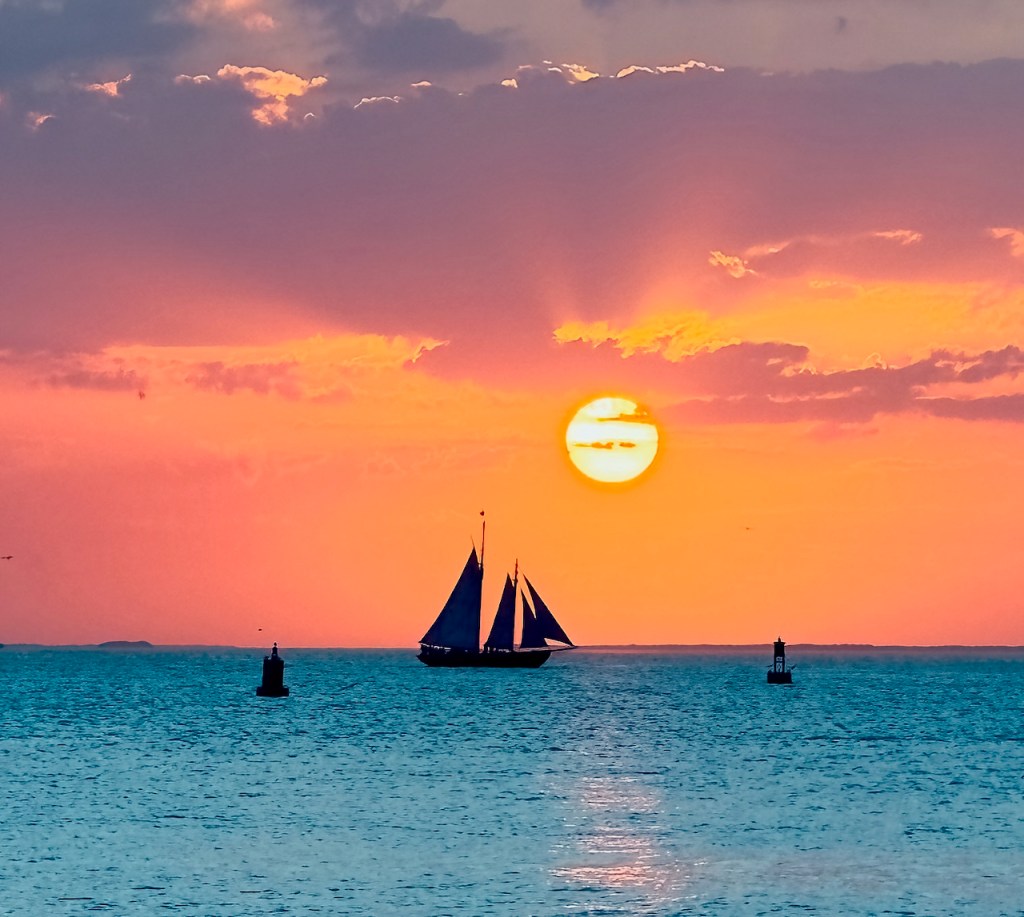
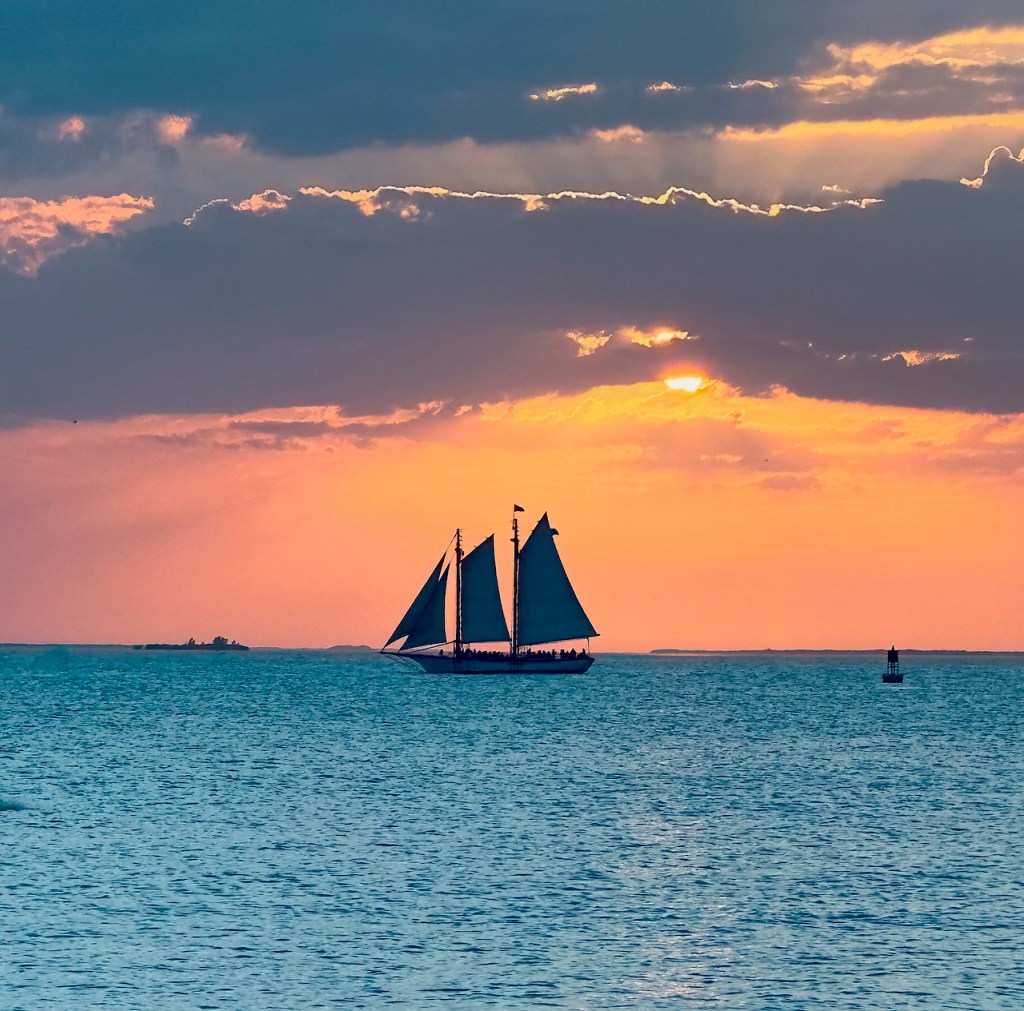
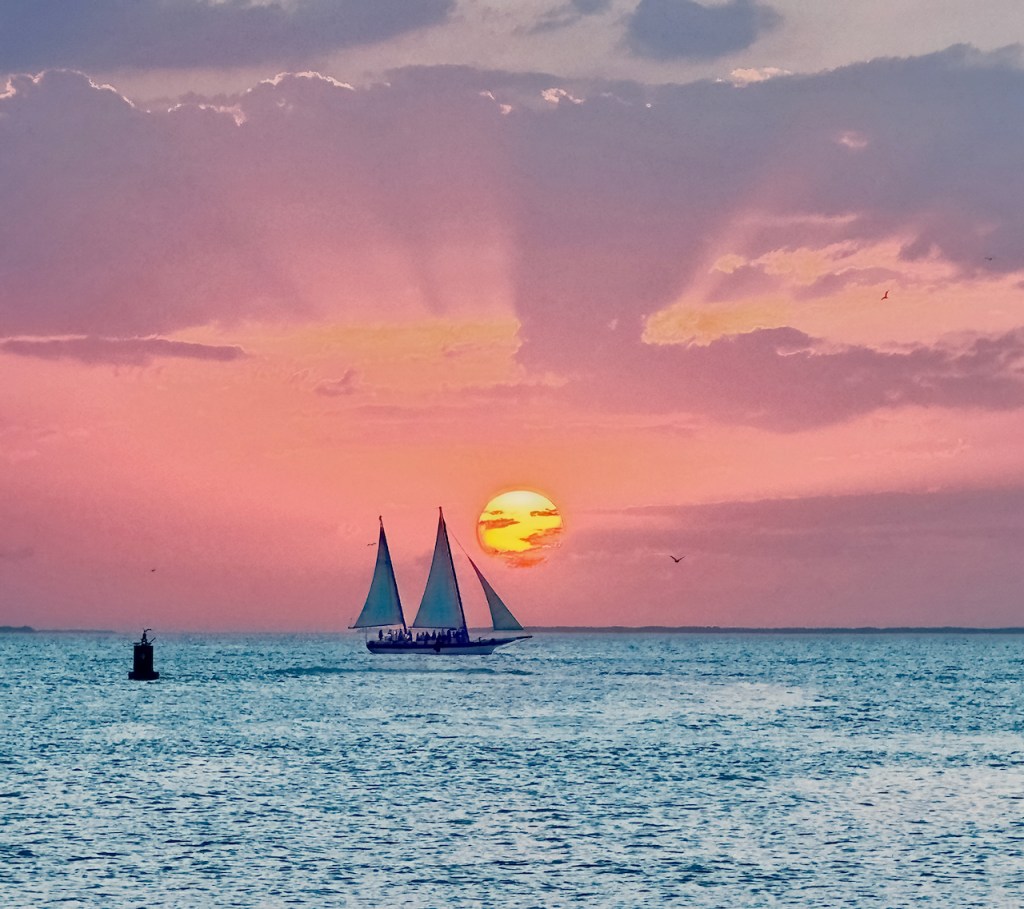
The next day the first tour was Ernest Hemingway’s House, which was a block from my hotel.
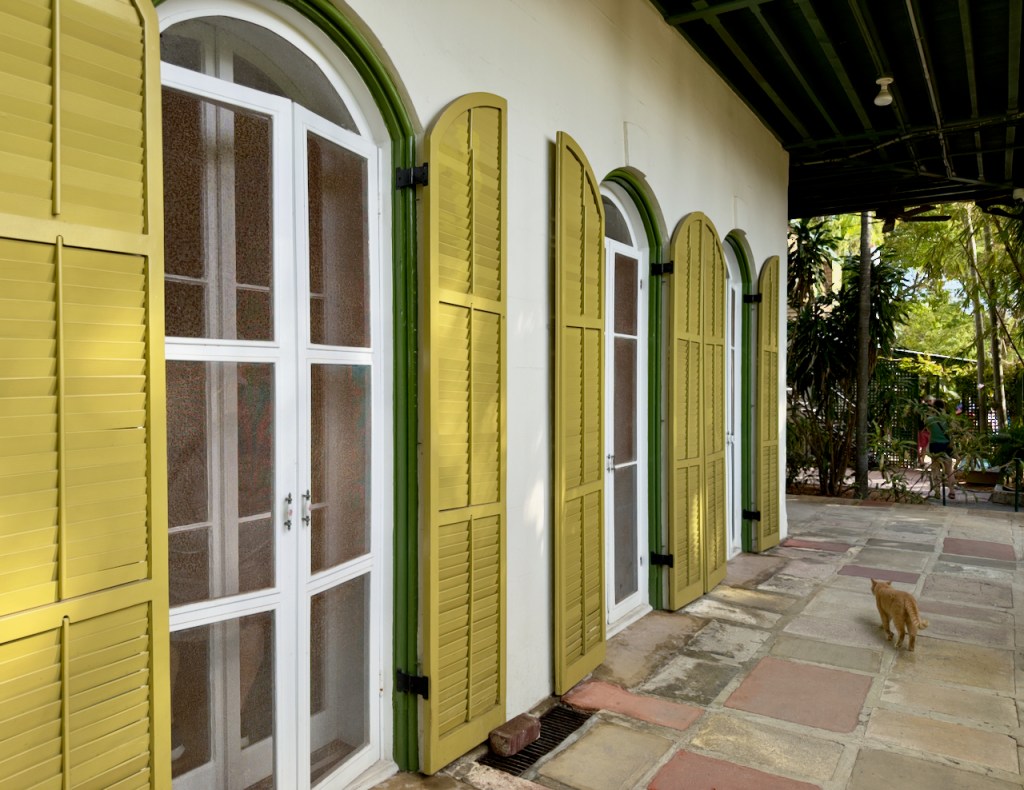
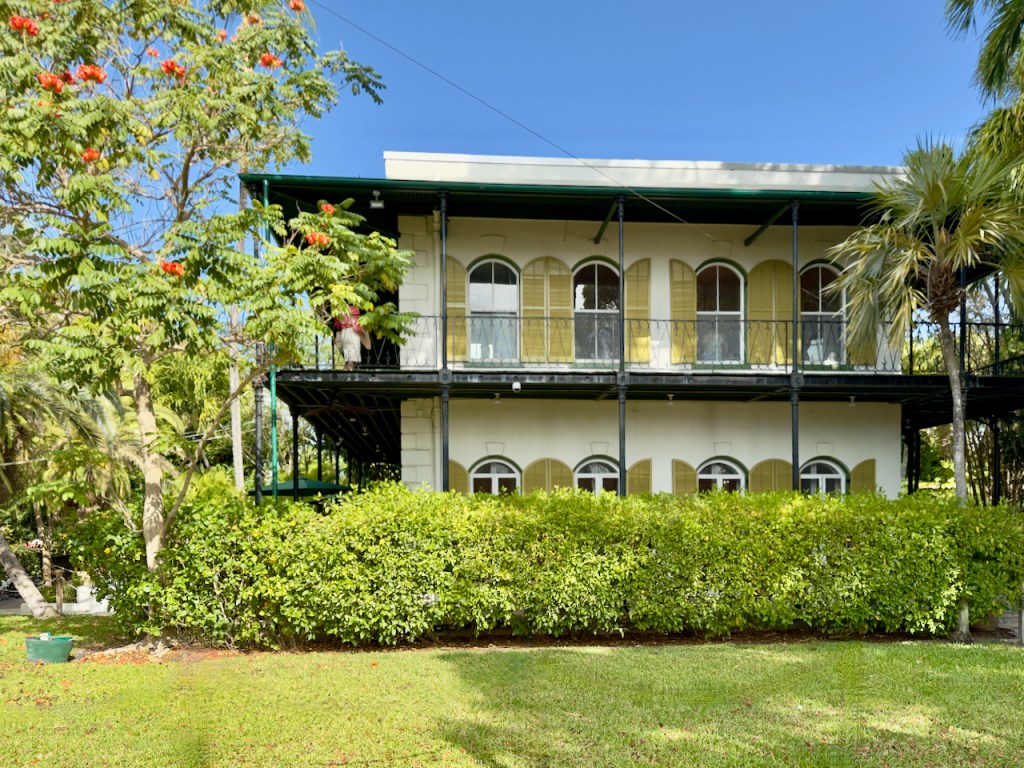
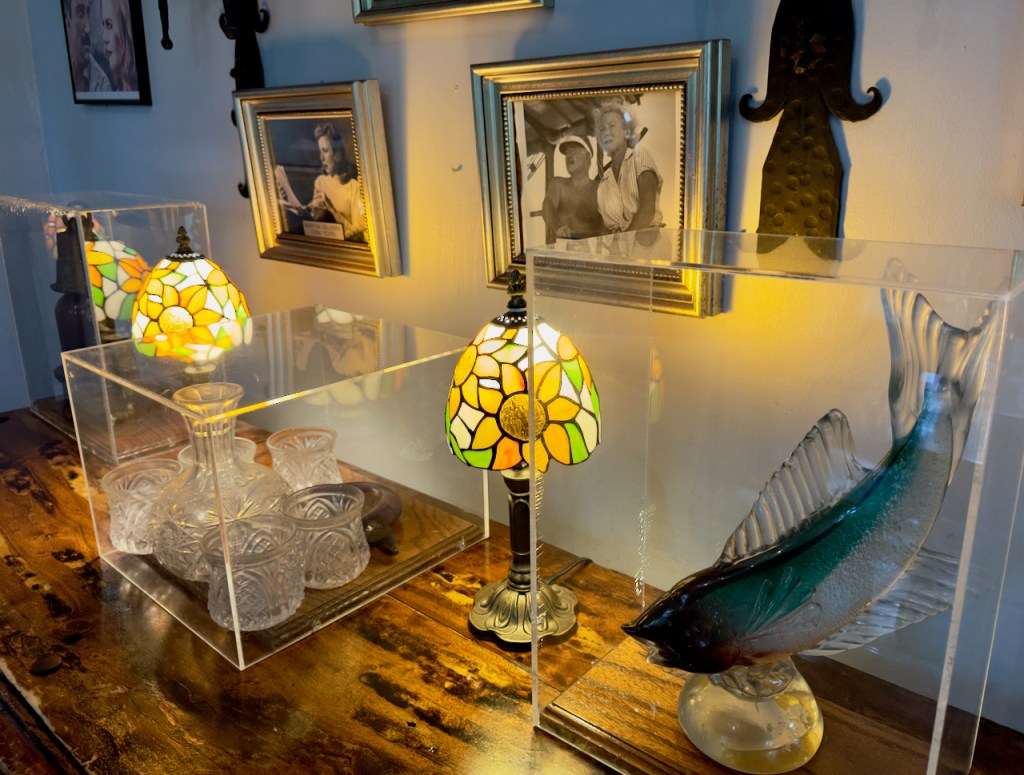
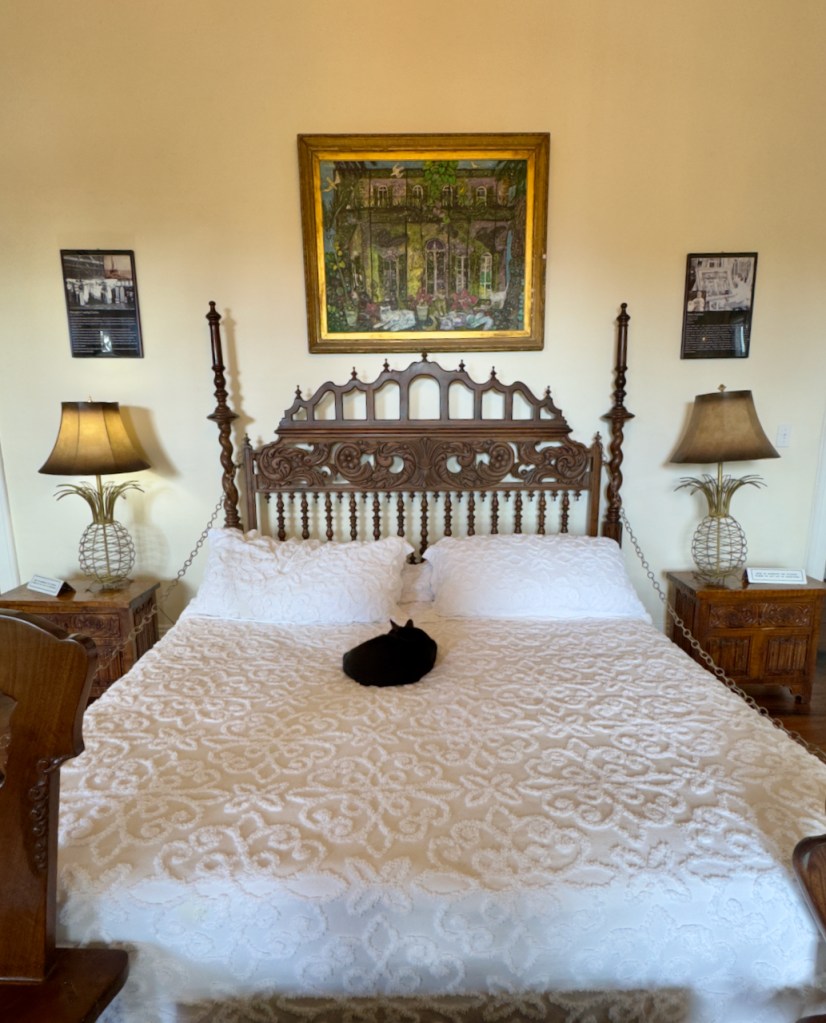
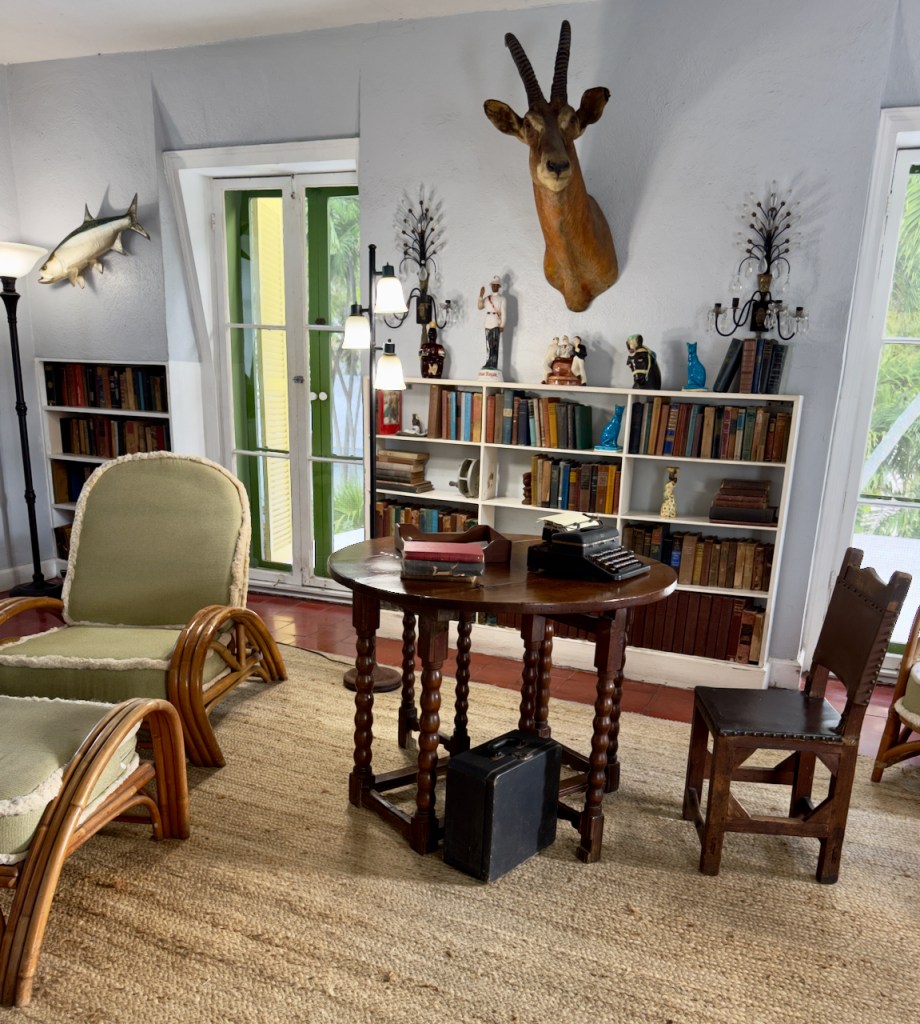
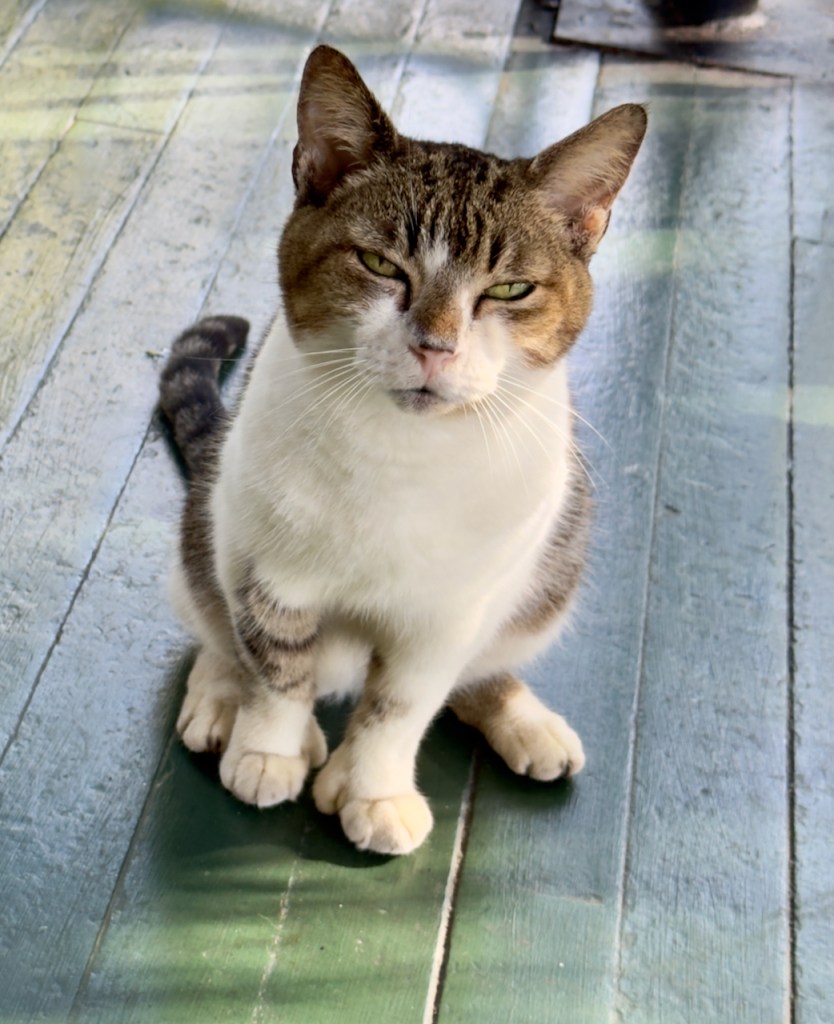
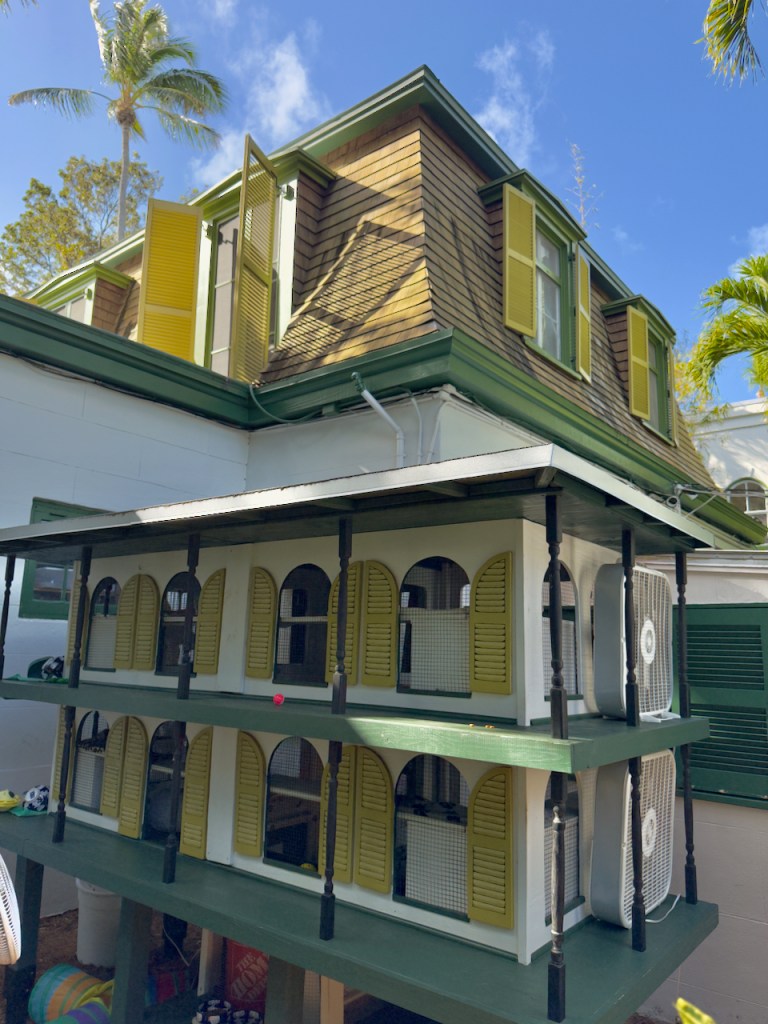
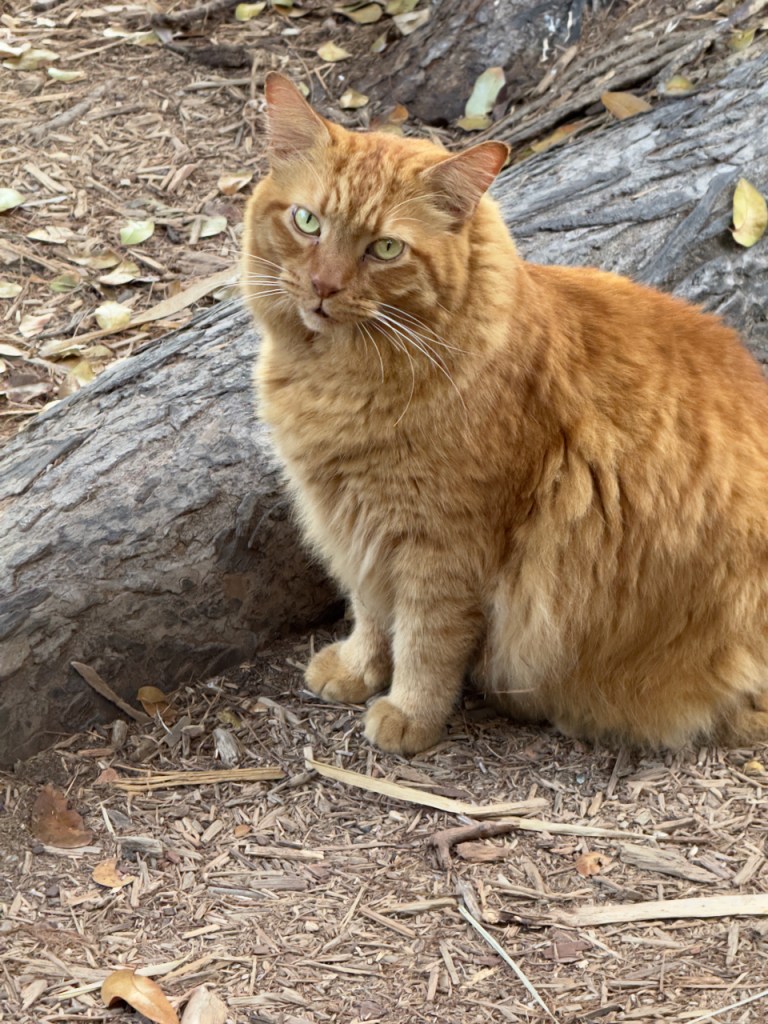
The Hemingway house is also famous for having cats (61 to be precise) roaming around. It even had a cat condo!
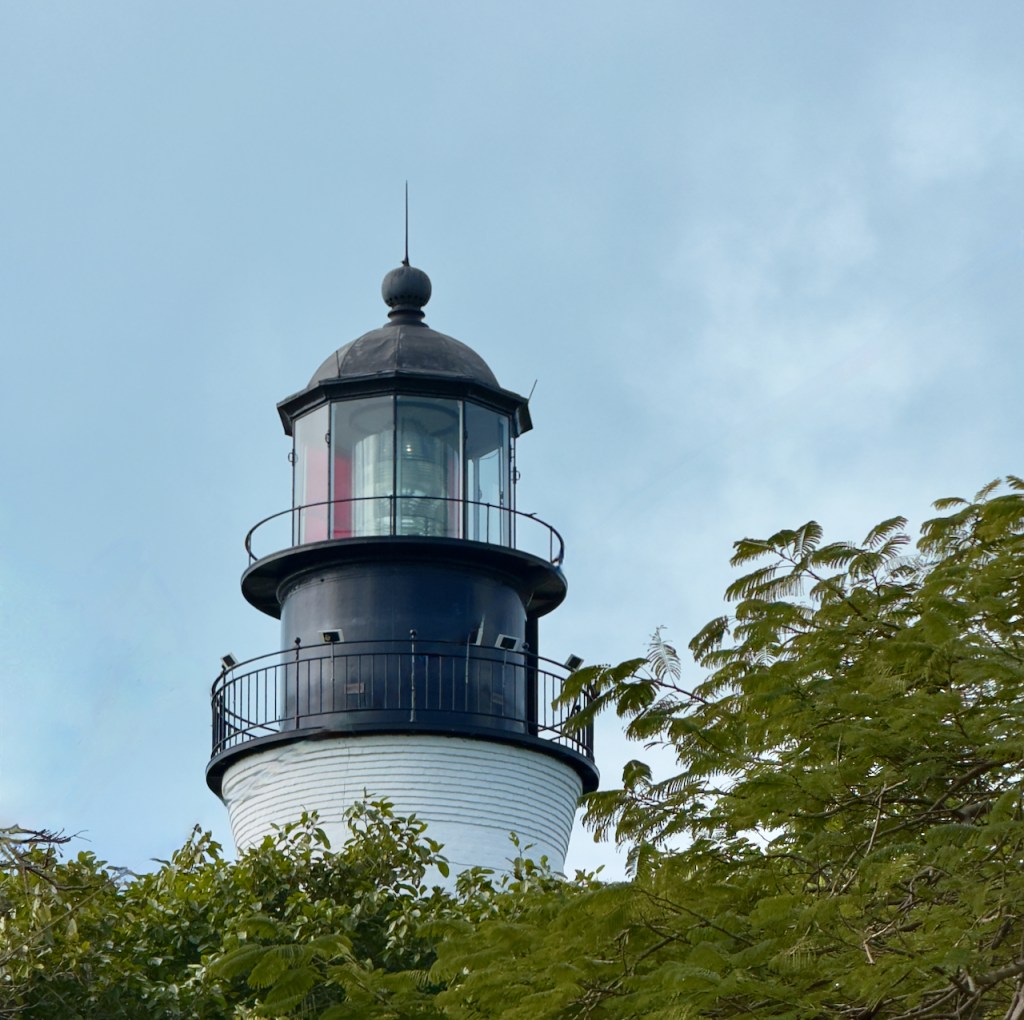
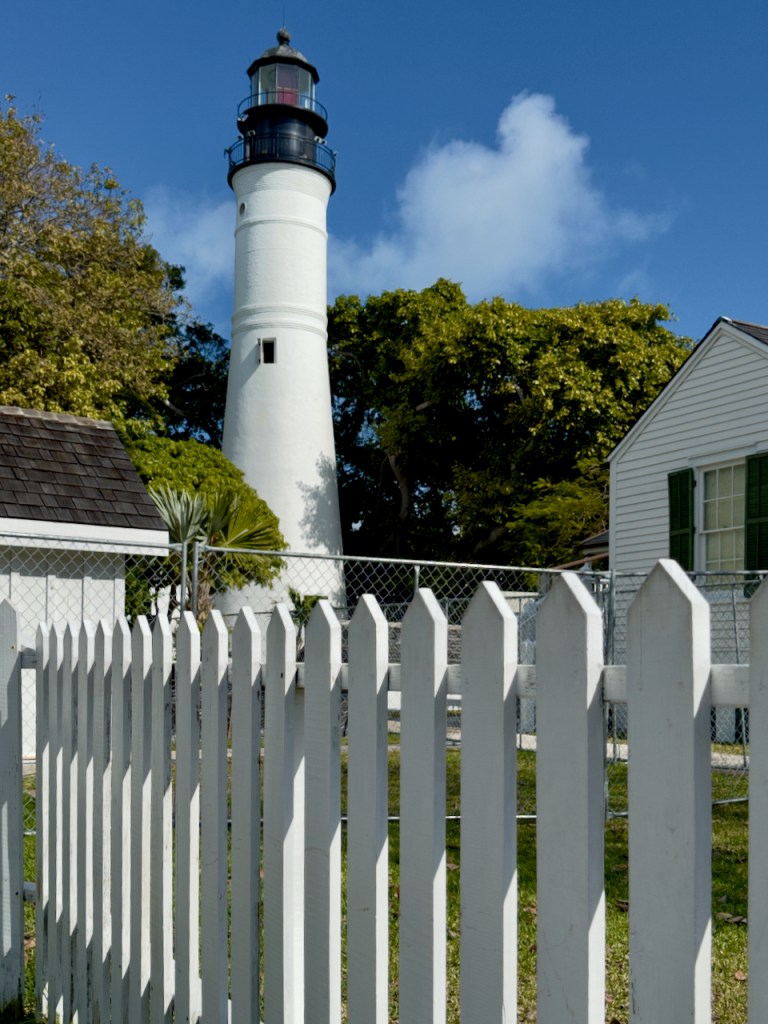
The current lighthouse was built in 1848 and under went several renovations after damage from hurricanes. It was decommissioned in 1969 and given to the historical society. I did not tour it.
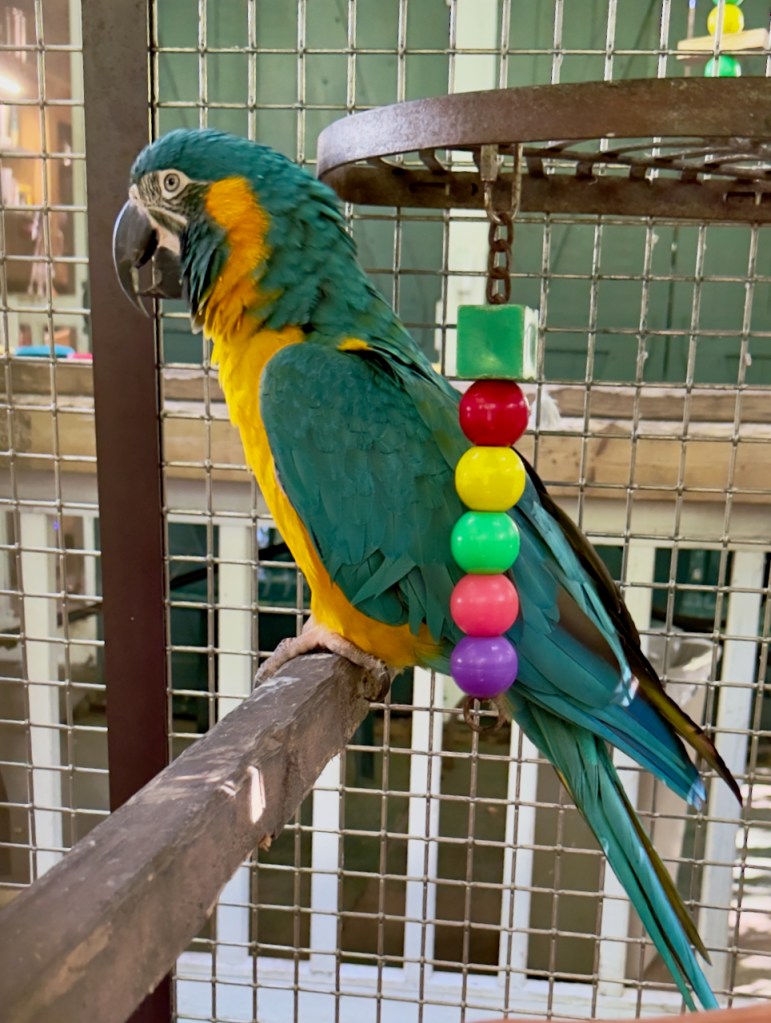
I took an Uber to Nancy’s Secret garden which was in fact a Parrot rescue place. I could put the iPhone camera right up to the screen to get shots through the small openings except some of the parrots would come right over to try to peck me. They certainly have beautiful colored feathers.
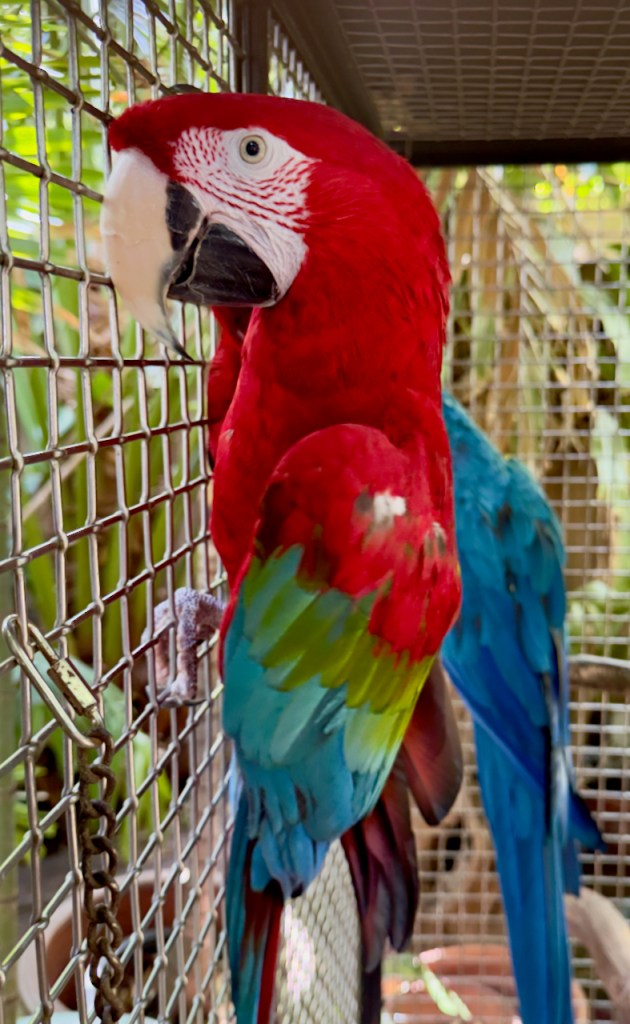
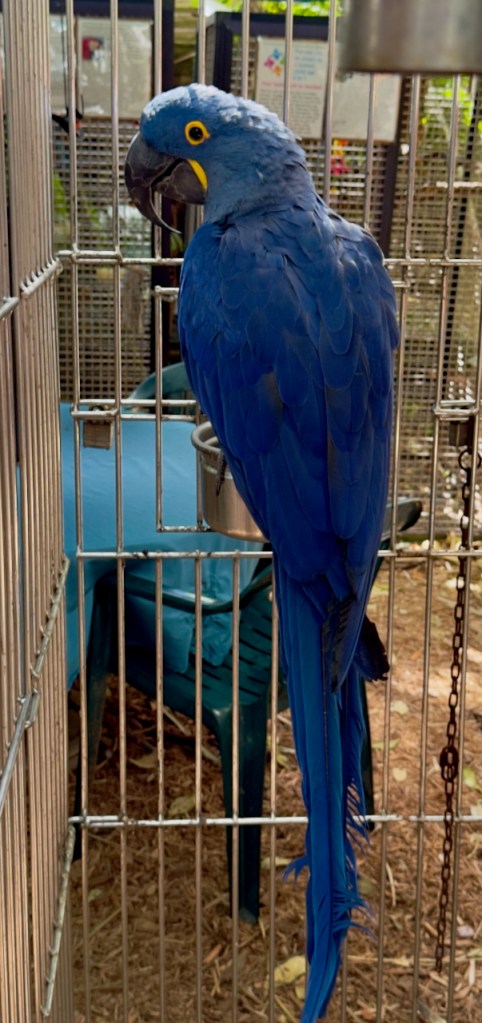
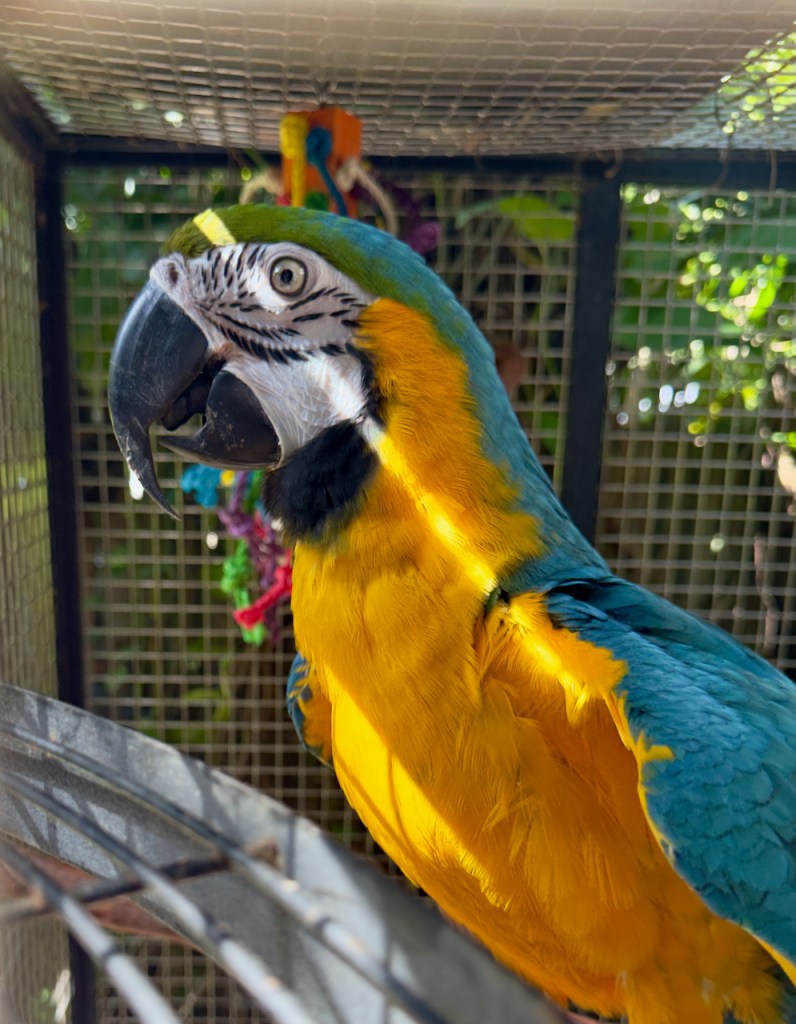
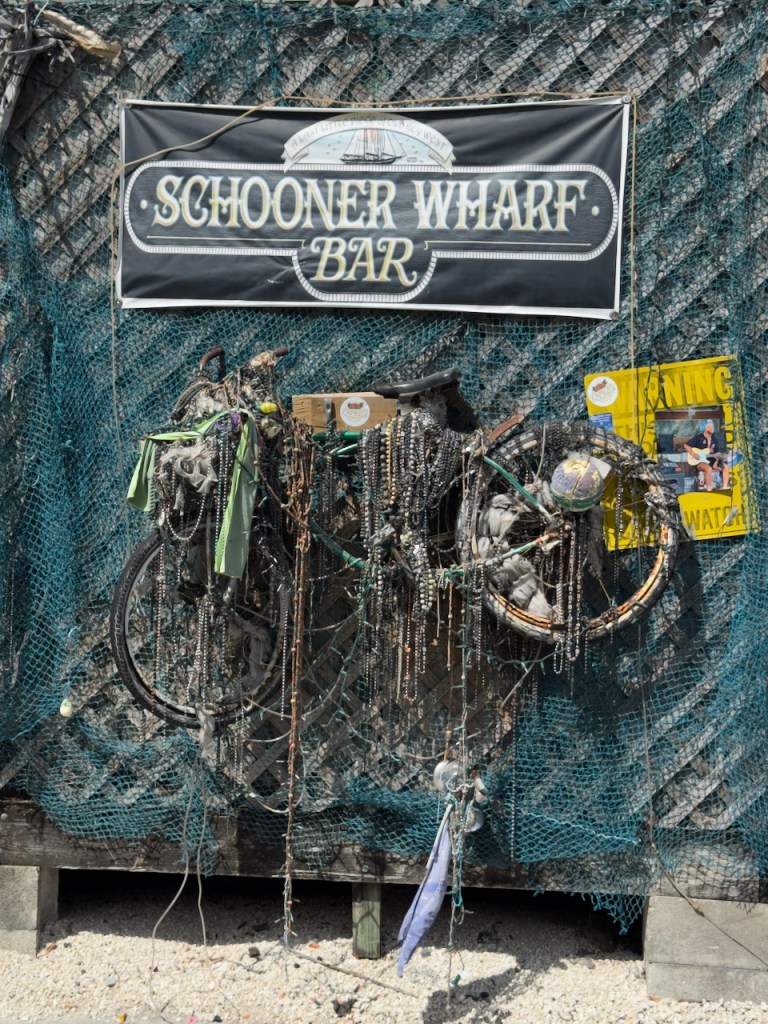
I spent some time at the Sails to Rails museum, an old railroad depot, but didn’t take many interesting photos. It featured the building of a railroad from the mainland out to the Keys which is now a 100 mile road. Then I hung out at the Schooner Wharf Bar until it was time to go sunset sailing on the Appledore Schooner. This is a shrimp boat.
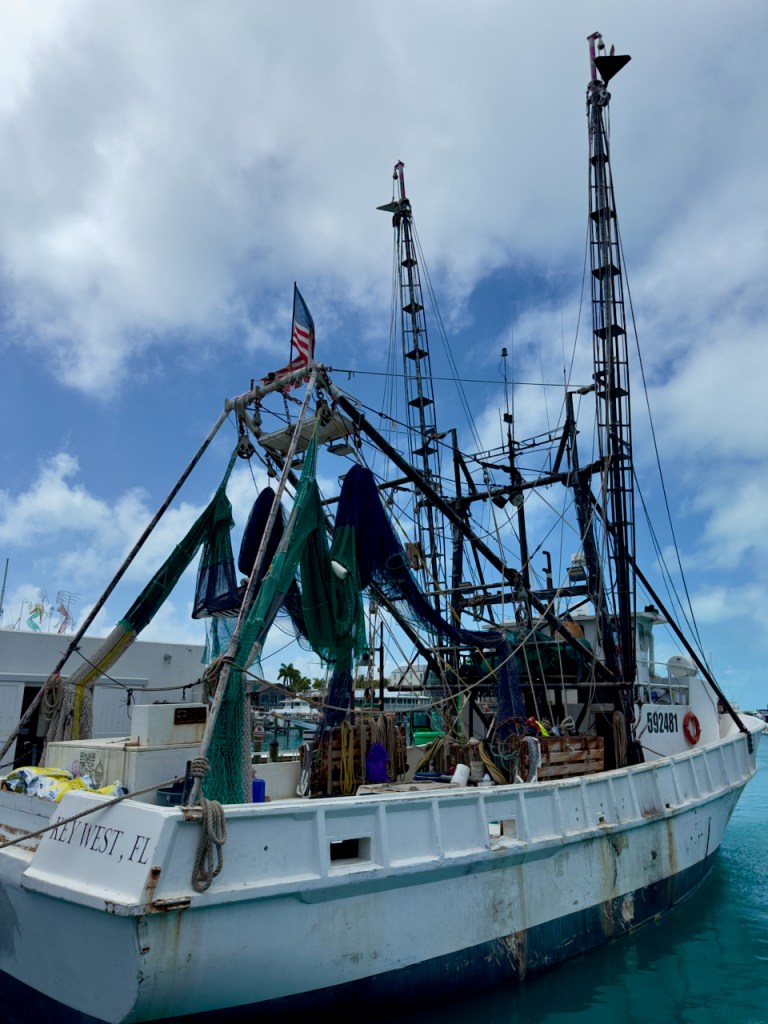
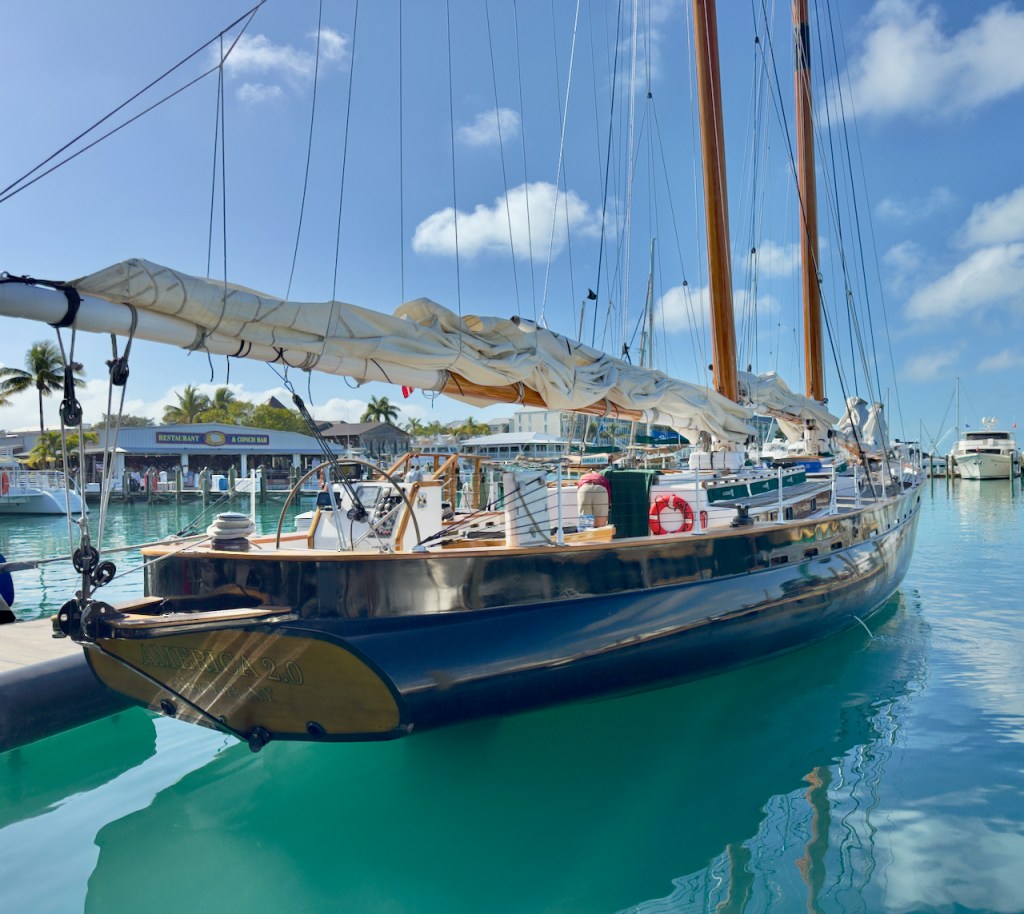
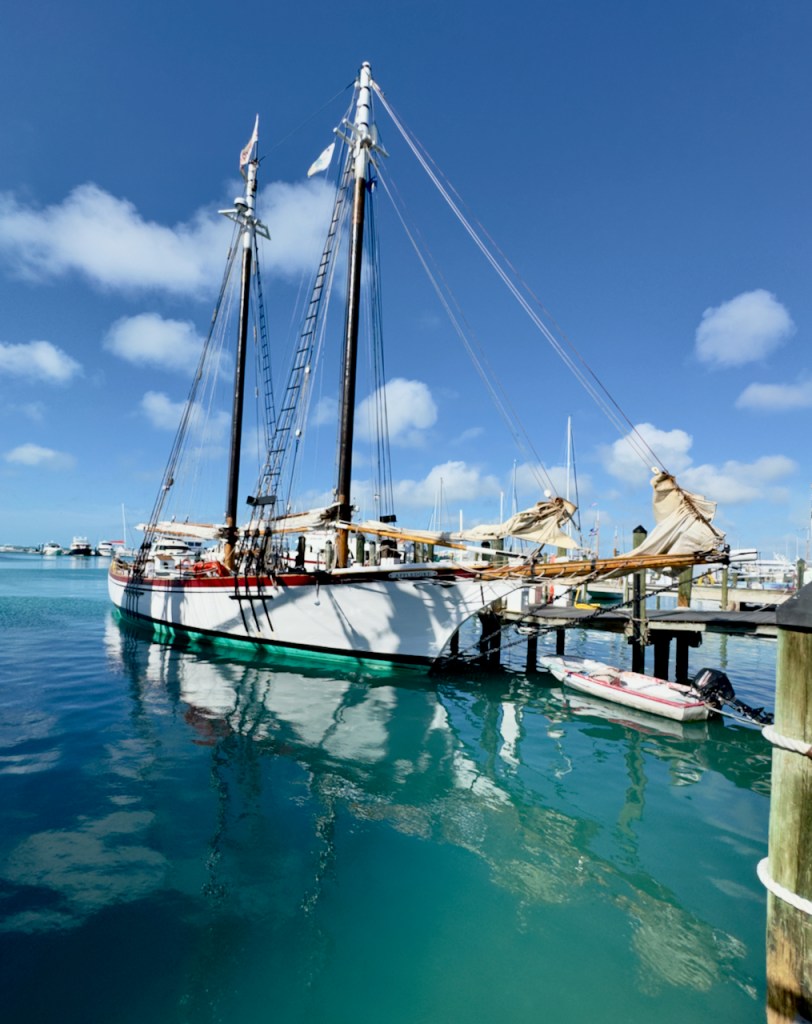
The ship on the left is the America 2 and on the right is the Appledore. I had sailed on this once before in Camden, Maine.
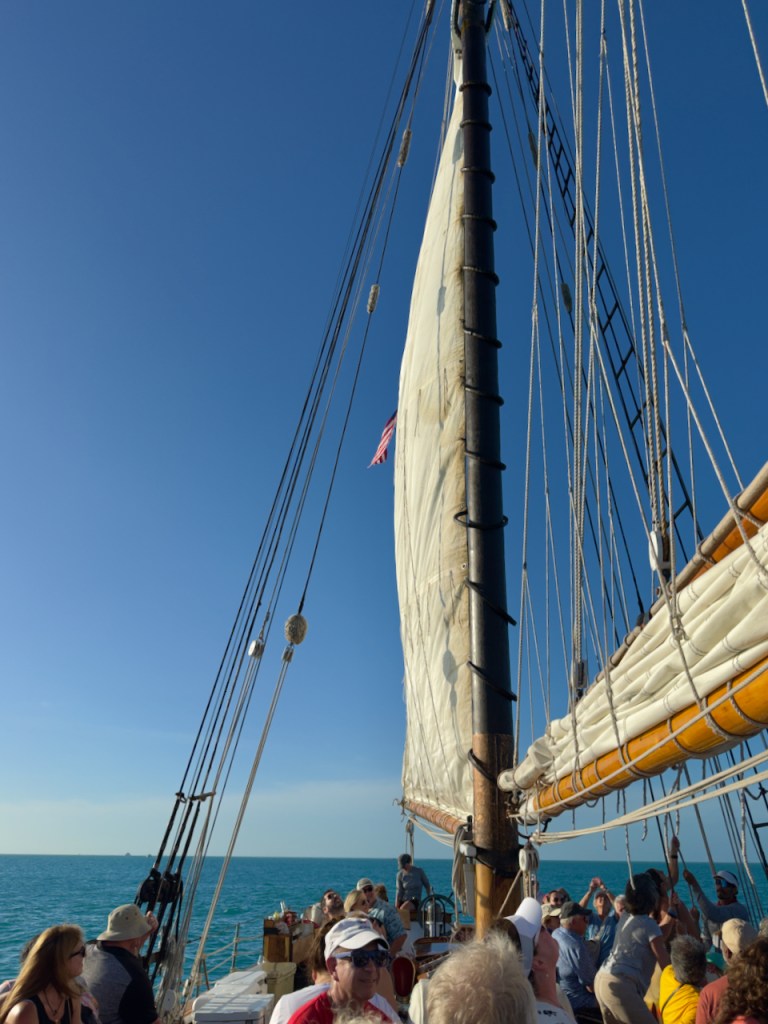
The sails are being raised by pulling them up with ropes on pullies.
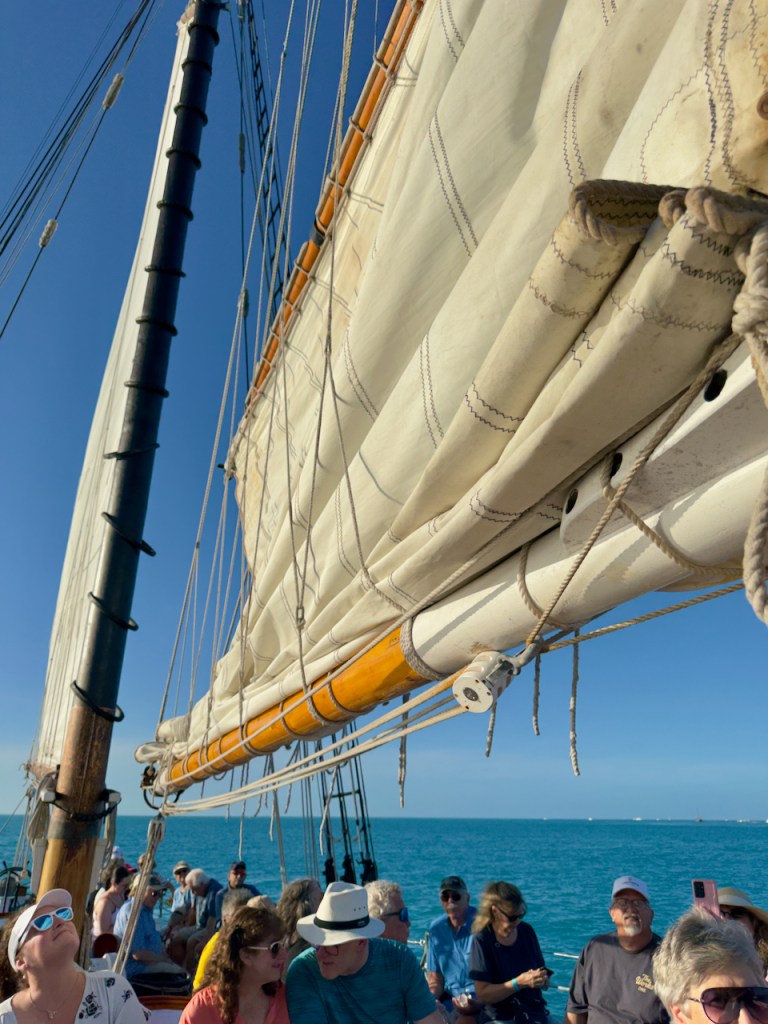
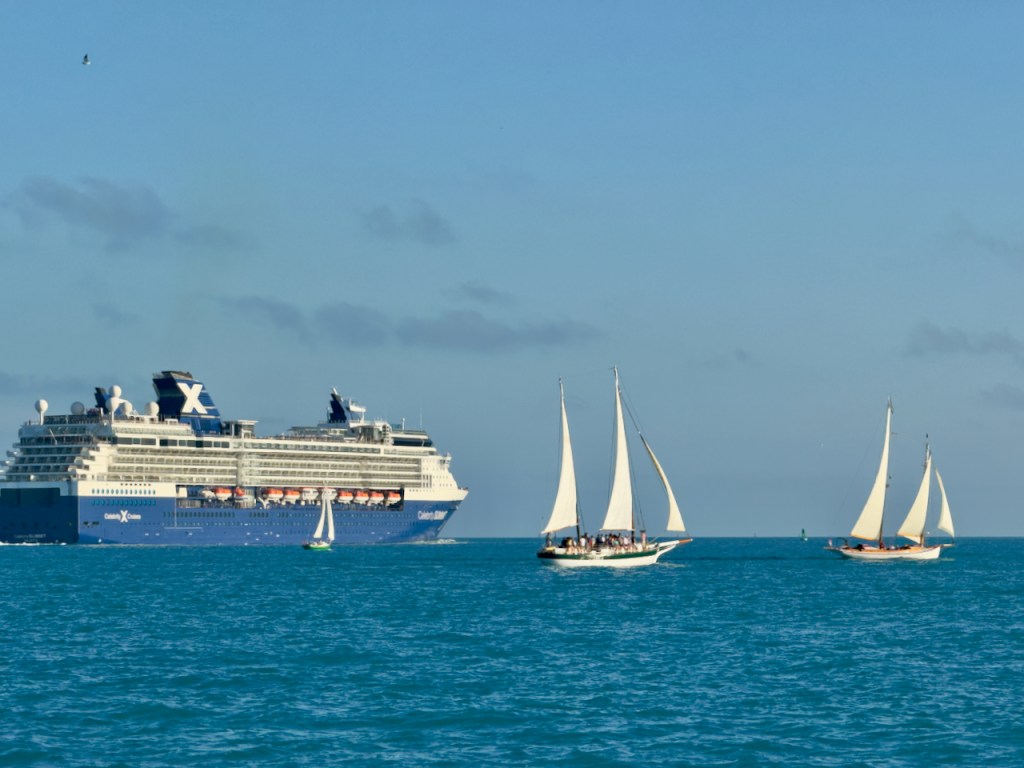
Now we are under sail and passing the huge Celebrity cruise ship. Below is the America 2 which I sailed on later in the week.
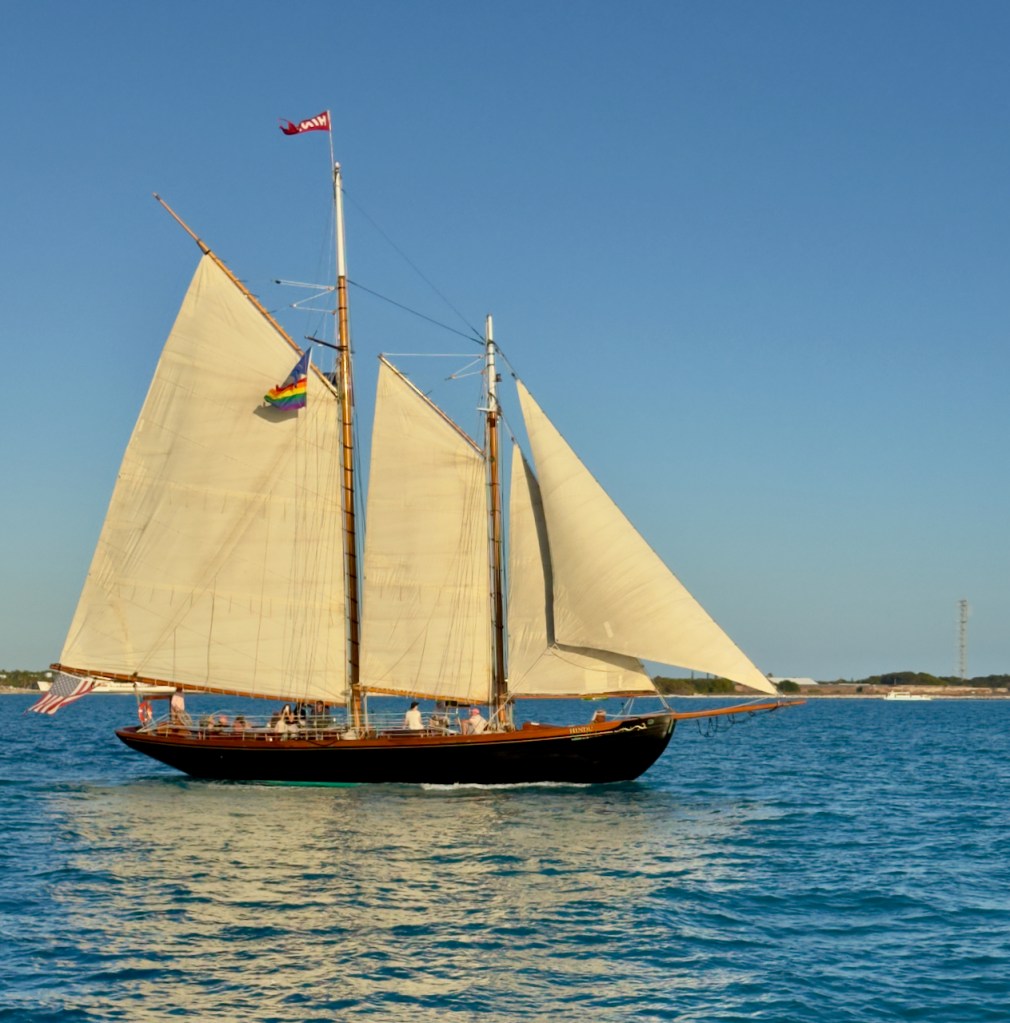
It was a beautiful evening.
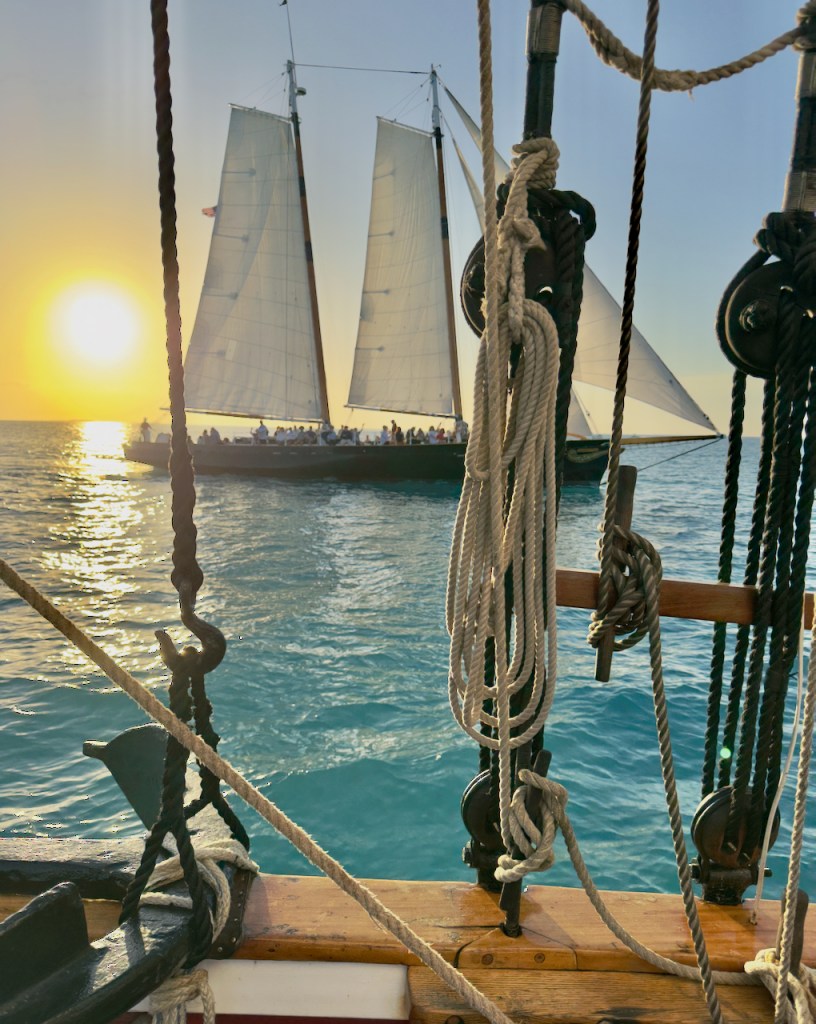
Time to take down the sails.

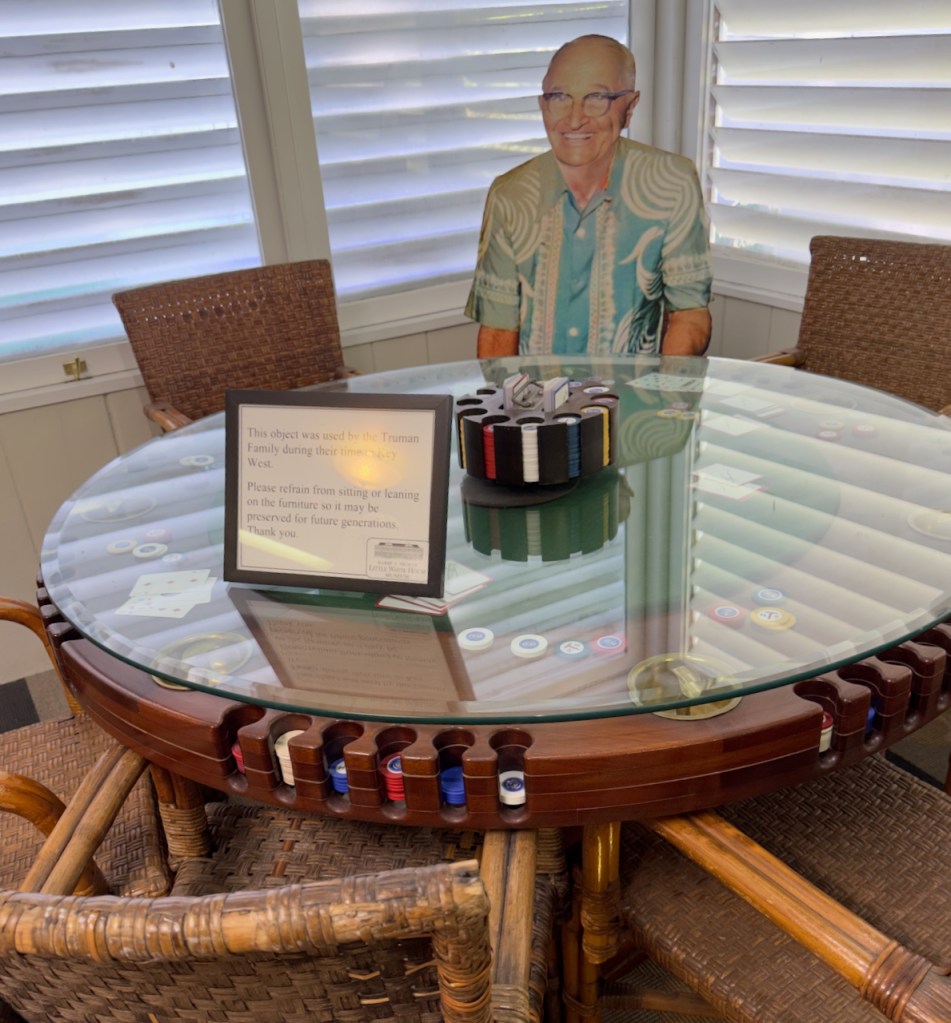
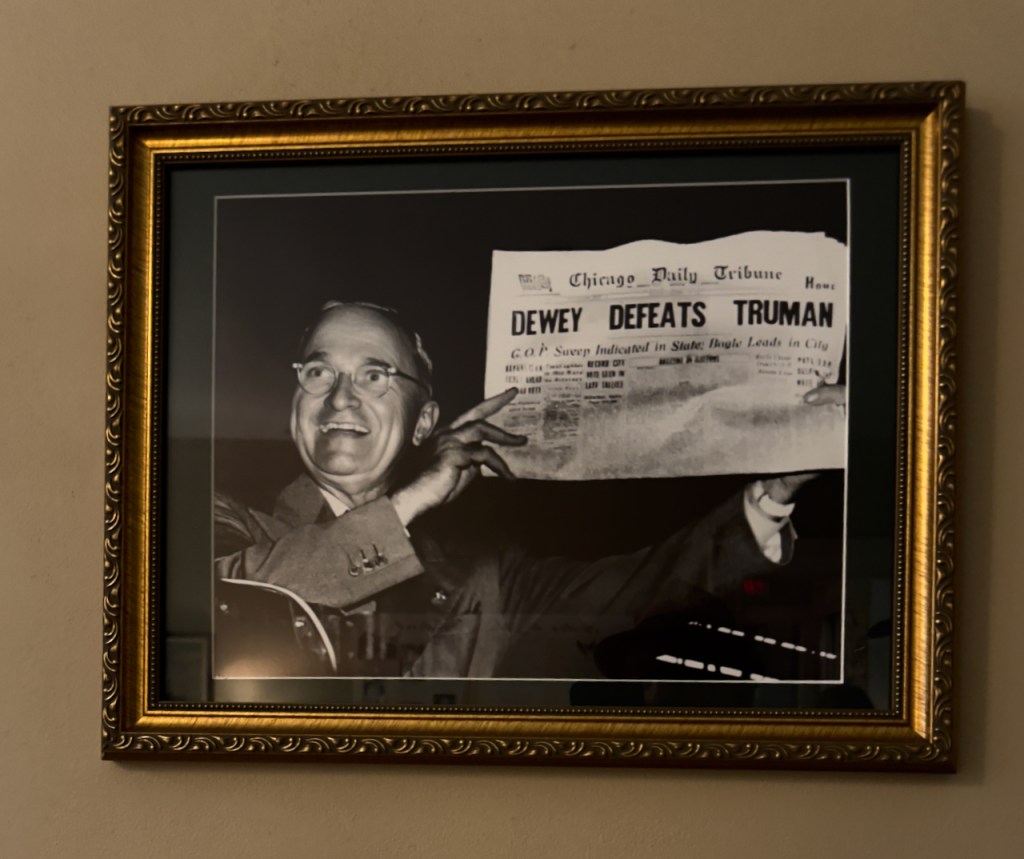
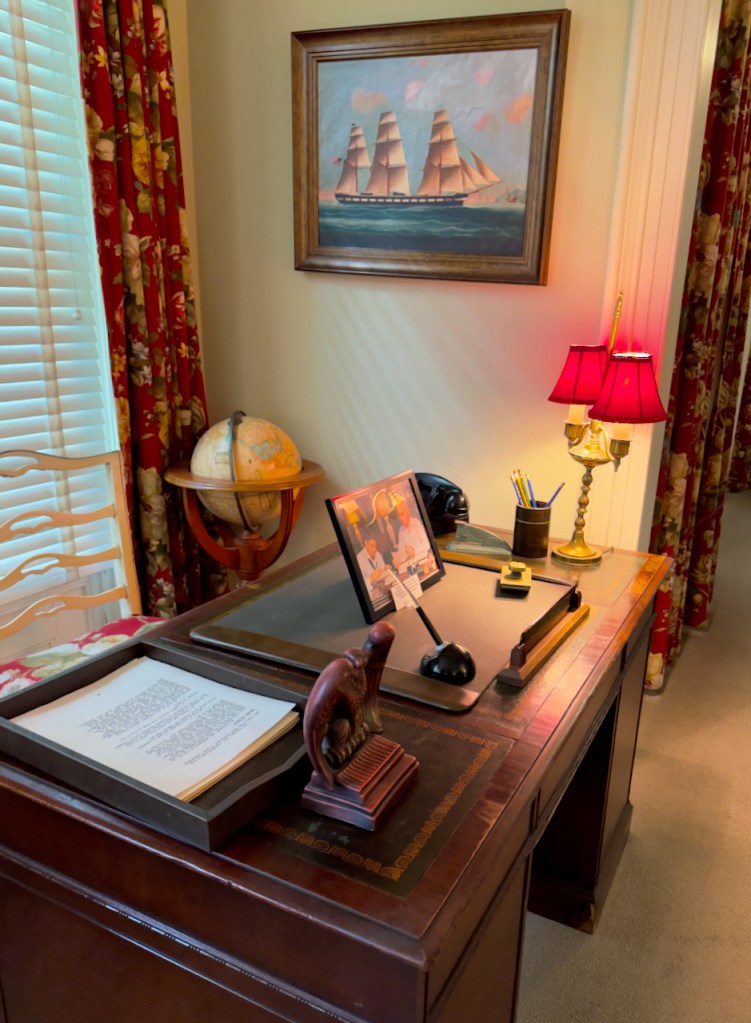
The next morning I took the guided tour through the Harry Truman Little White House, which has a fascinating presidential history of the late 1940’s and early 1950’s. Truman loved to play poker and this is his specially built table. We also see the famous erroneous newspaper headline declaring that Dewey beat Truman in the 1950 election – which he did not. This was his desk with the famous plaque – “The buck stops here”.
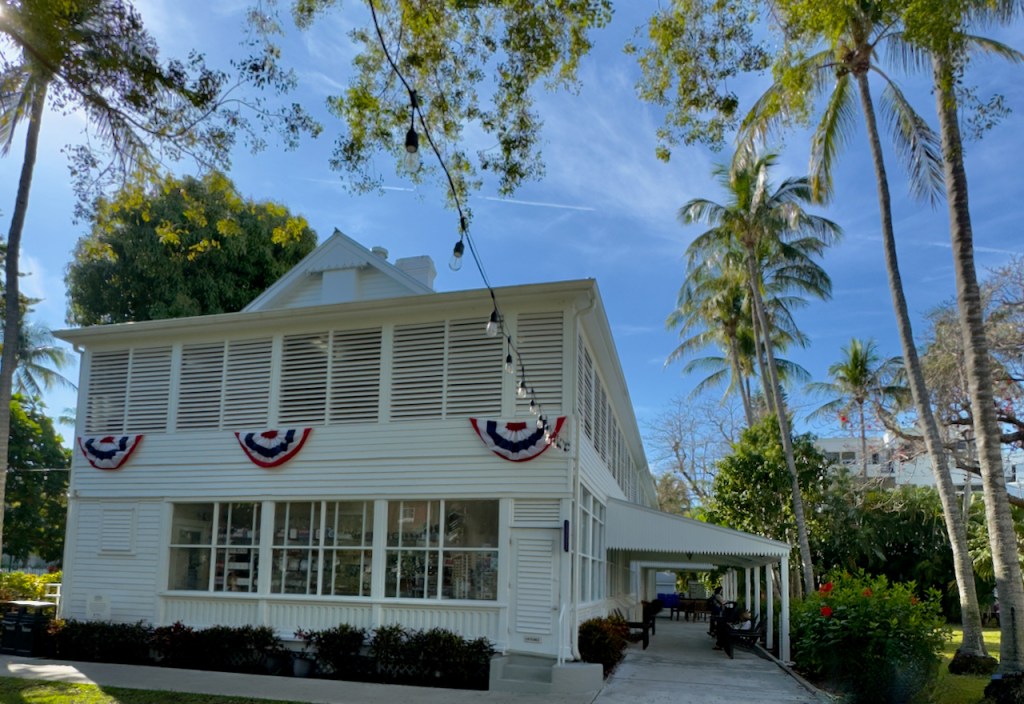
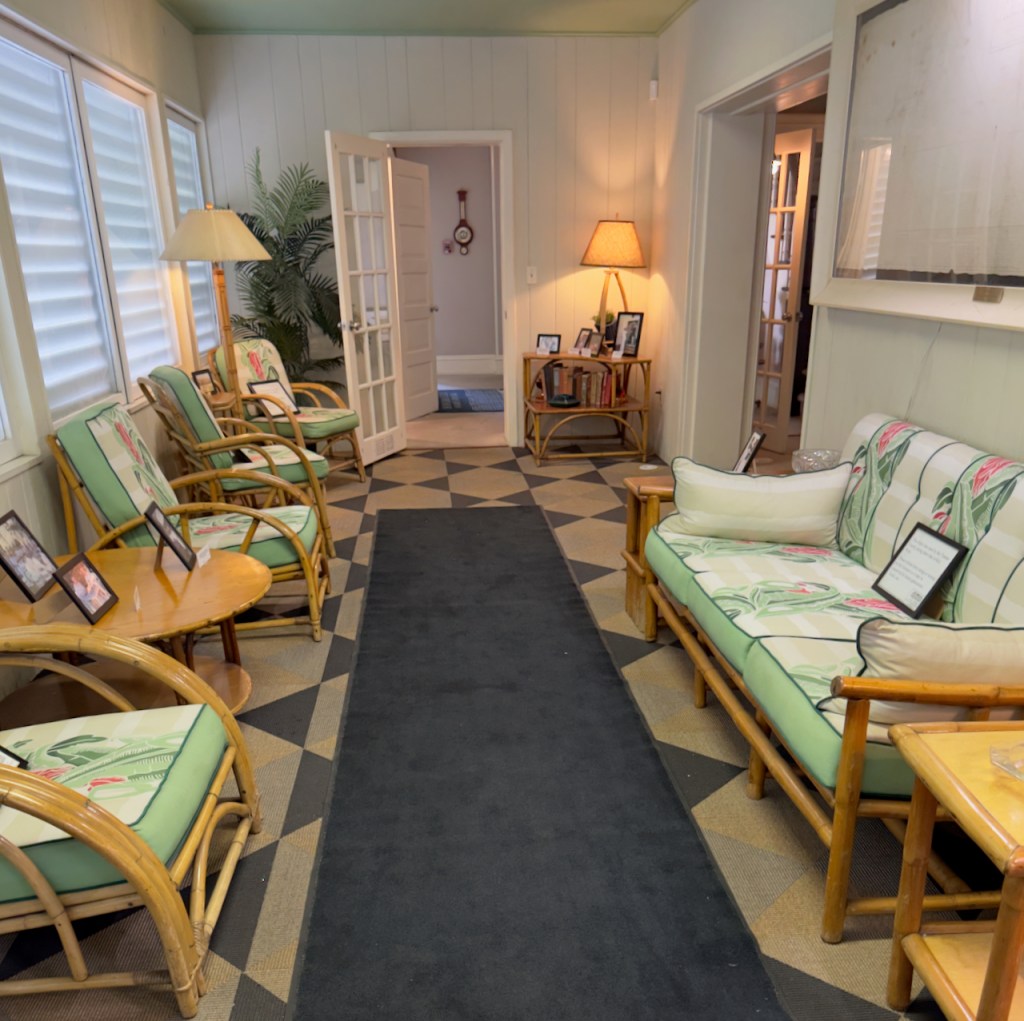
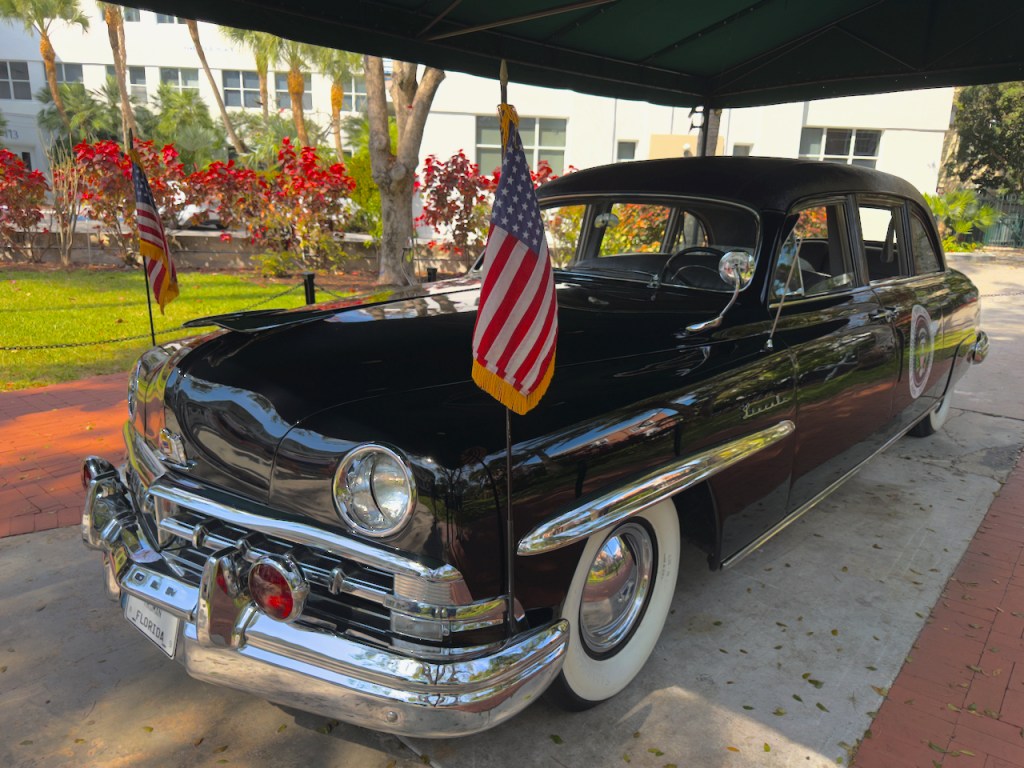
This is the 1950 Lincoln Presidential Limousine used by Truman and Dwight Eisenhower.
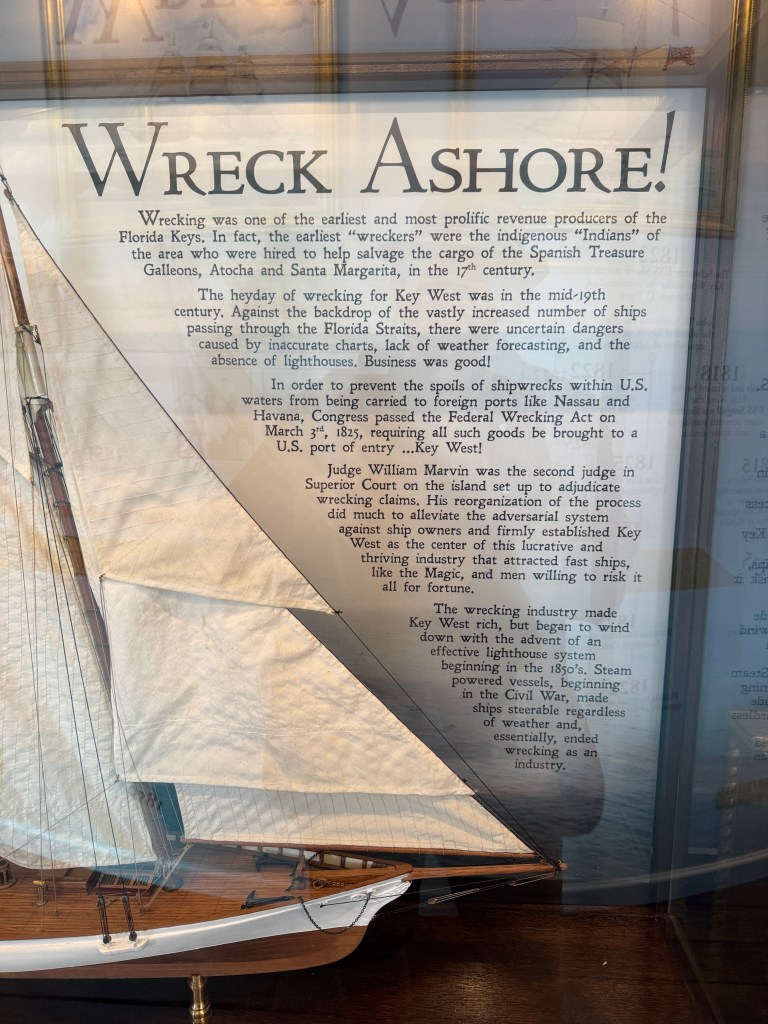
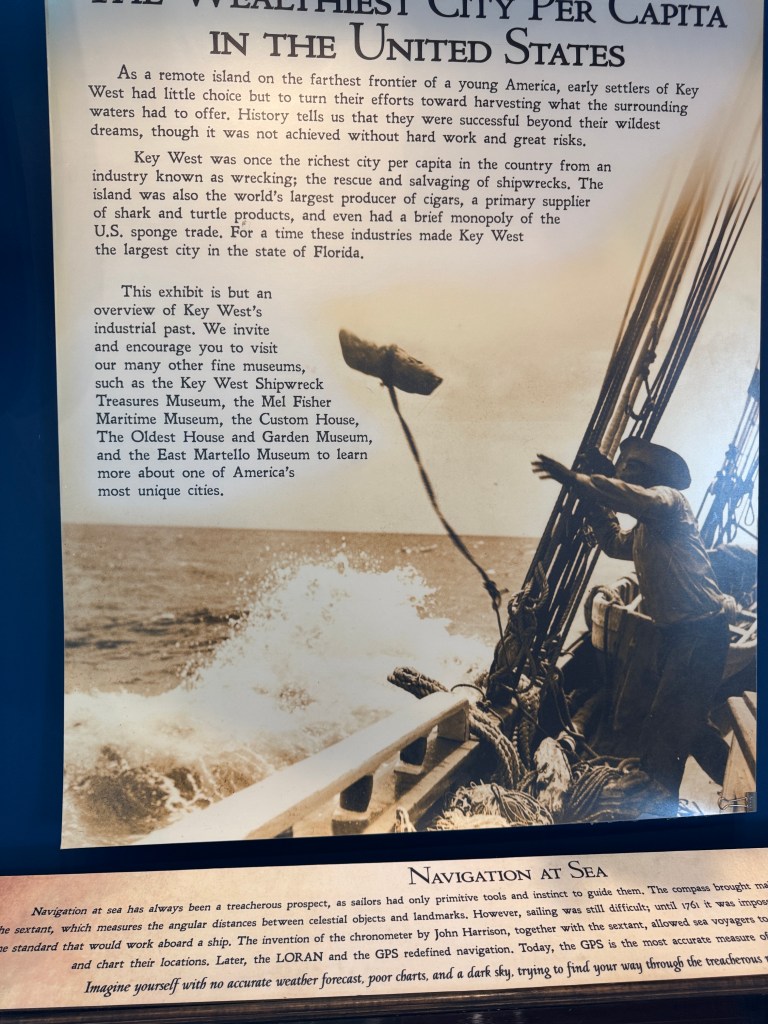
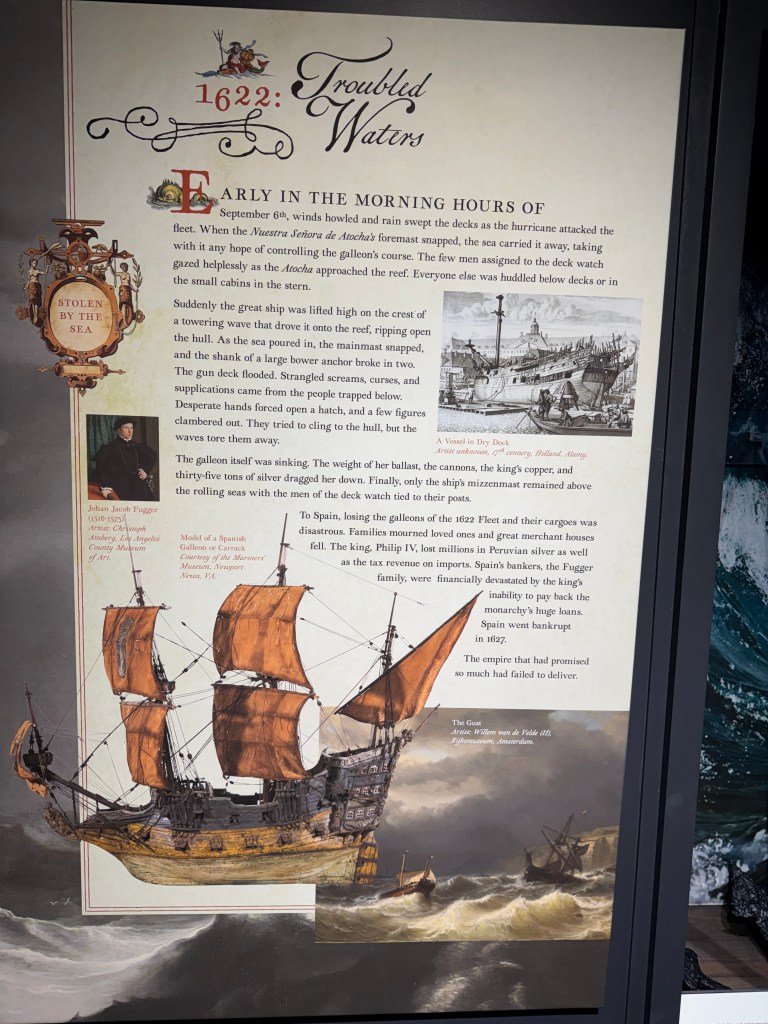
Are you ready to learn some things you probably never heard of? At one time in the mid 1800s, Key West was the most wealthy city in the United States. Part of this was due the cigar factories we already learned about and the second and most lucrative was the “Wrecking Industry”. Crews would go out to the reef off shore and salvage the cargoes of ships smashed on the reef. I am going to let the museum information boards explain all of this to you. You probably need a computer screen to read them.
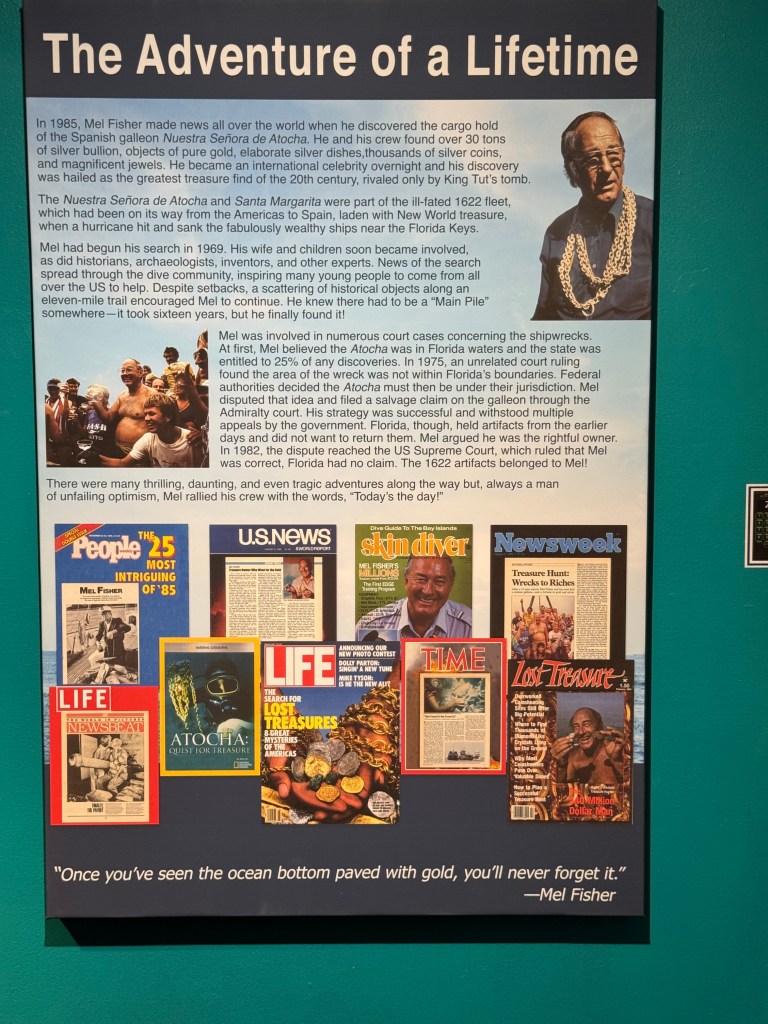
To continue the ship wrecking story enter one of the greatest treasure hunters of all time. His name is Mel Fisher and he spent the last half of his life searching for the sunken Spanish ship, the Atocha, loaded with millions of dollars worth of gold, 35 tons of silver, copper, and many fine gold artifacts. He is shown wearing a gold chain.
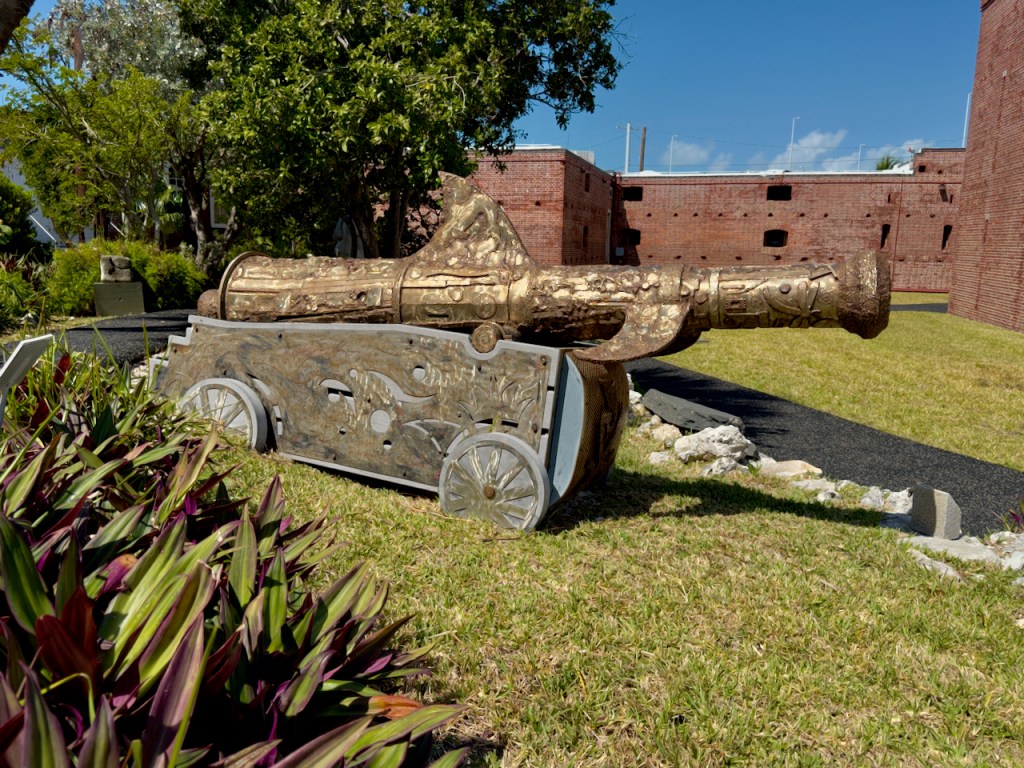
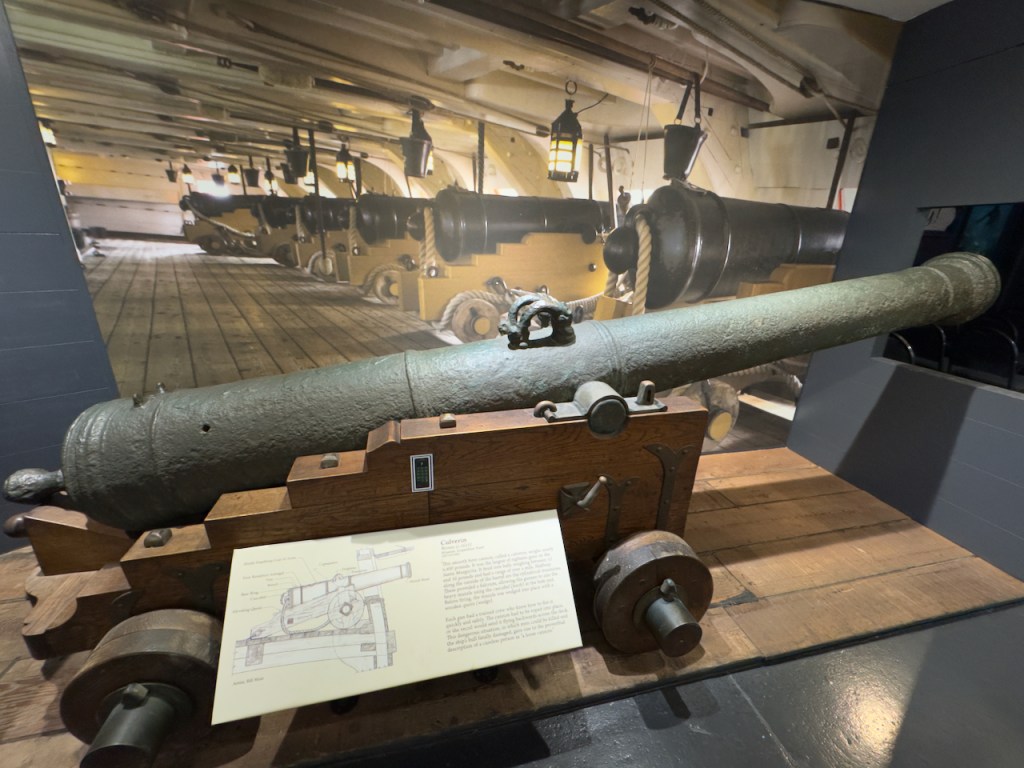
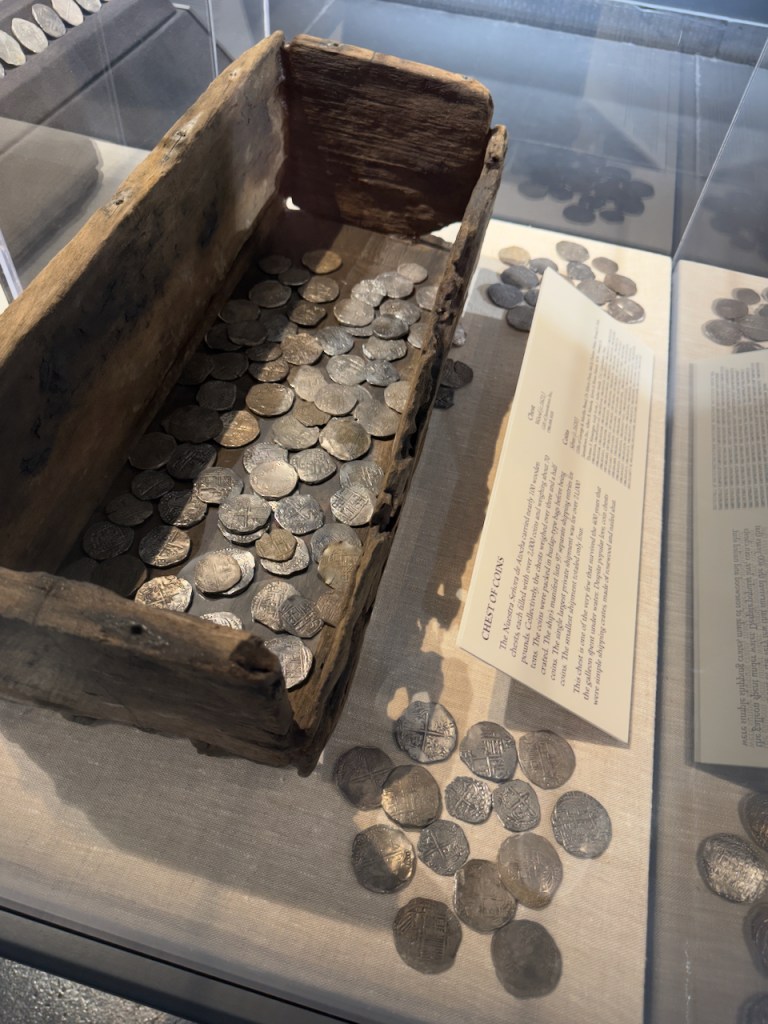
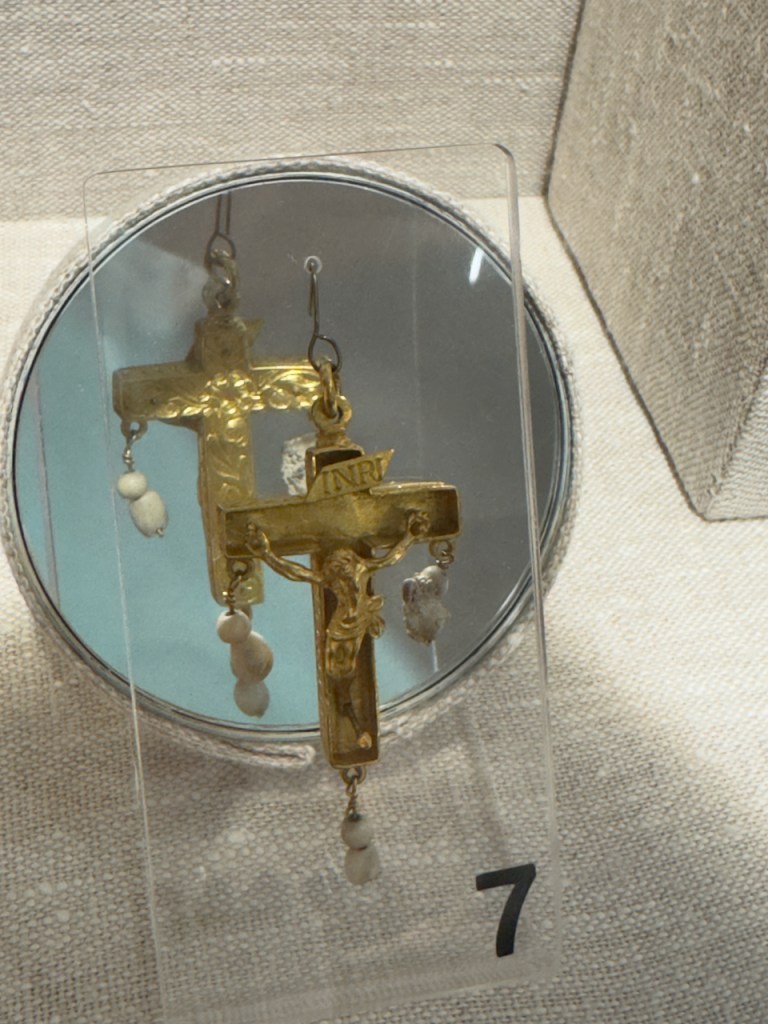
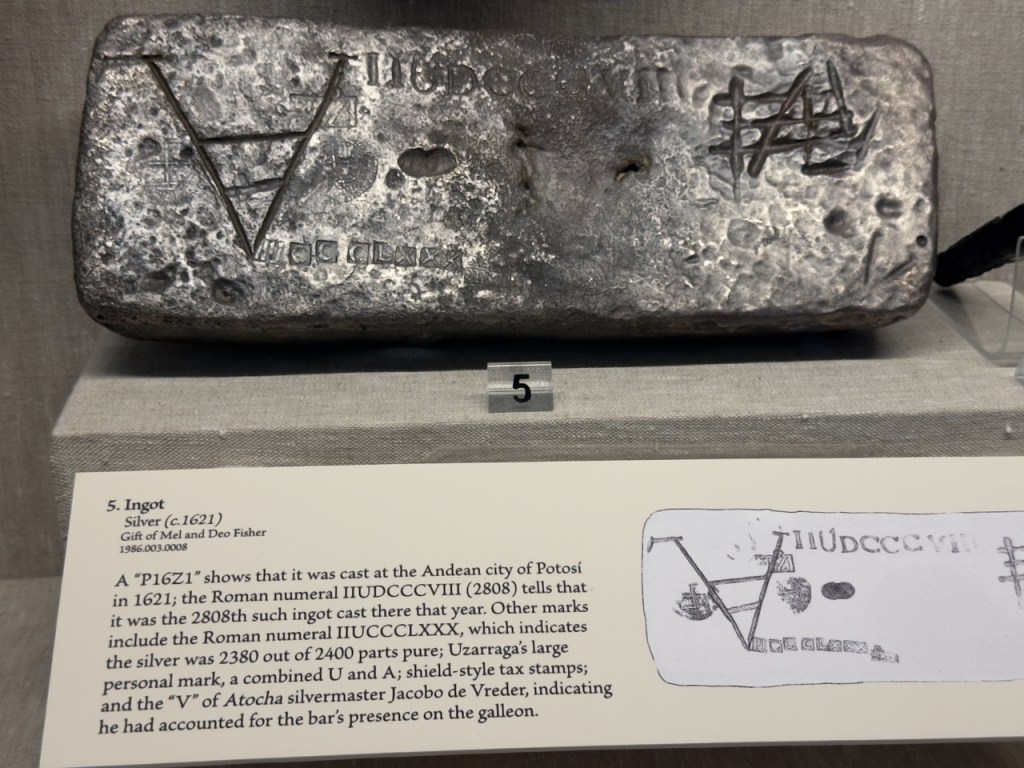
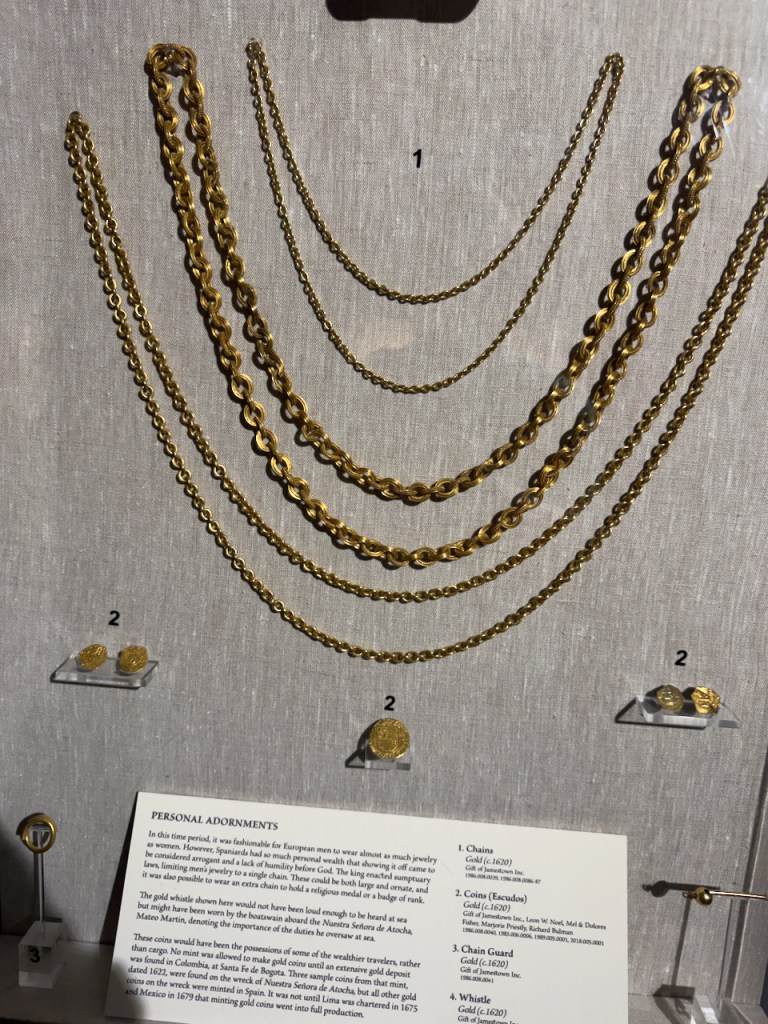
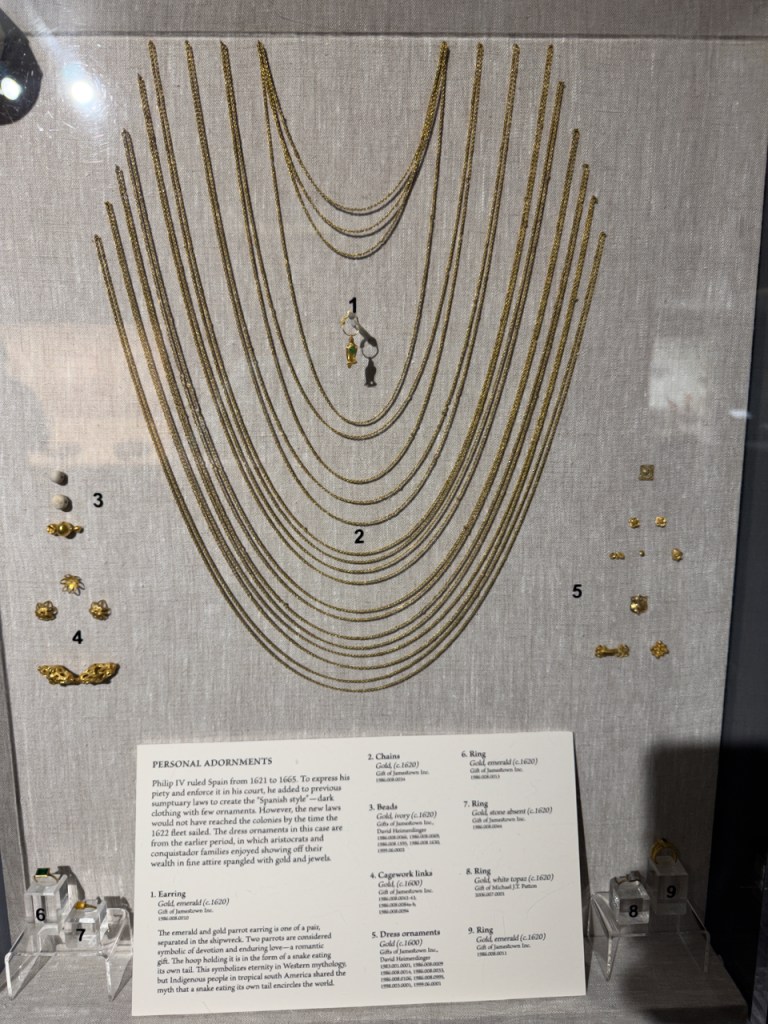
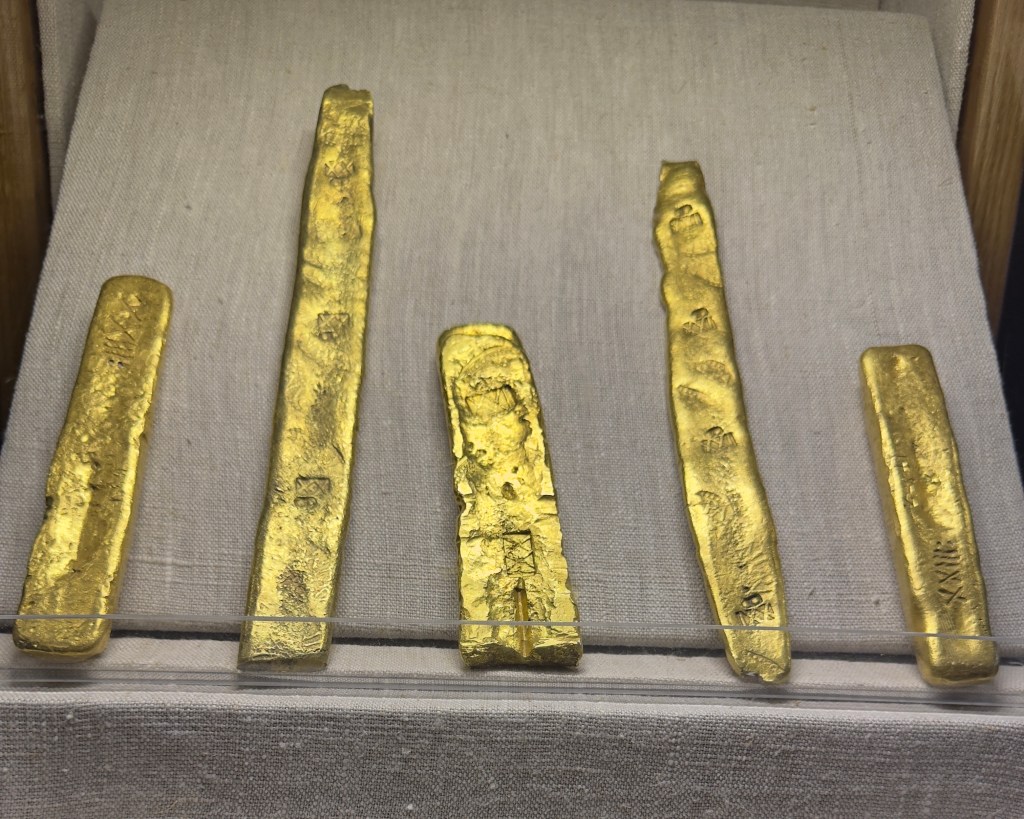
The following are just a few of the artifacts in the Mel Fisher museum. A cannon from the ship, silver coins found in encrusted clumps, heavy silver bars, fine gold artifacts such as this crucifix, intricate gold chains, and crude cast gold bars.
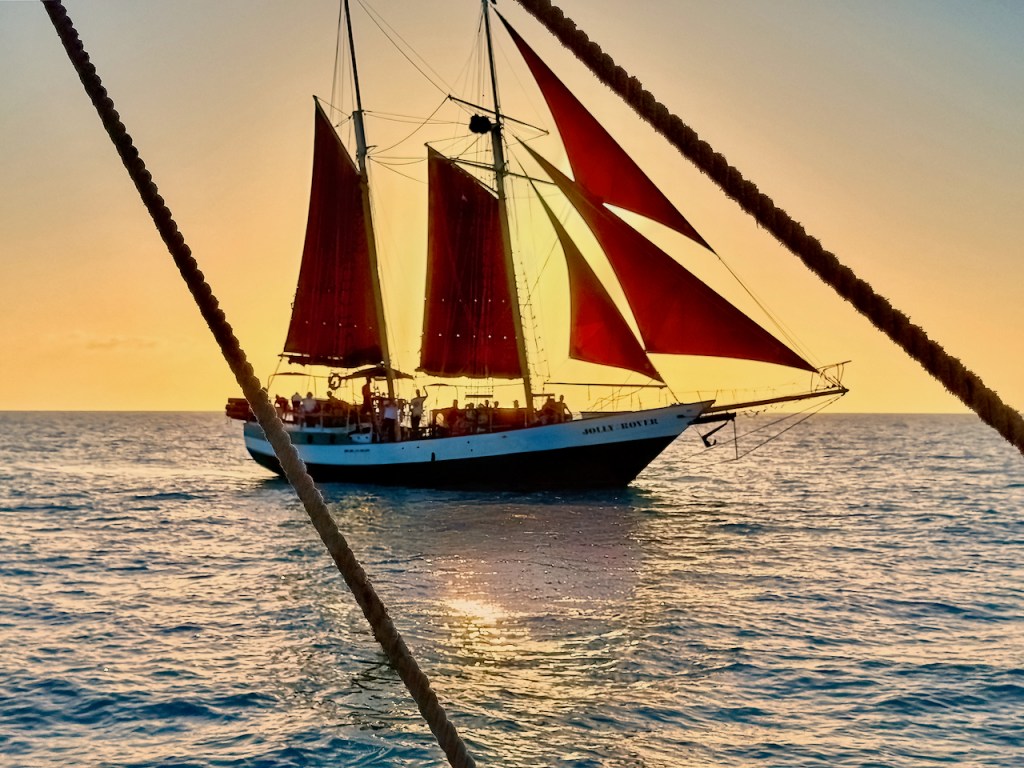
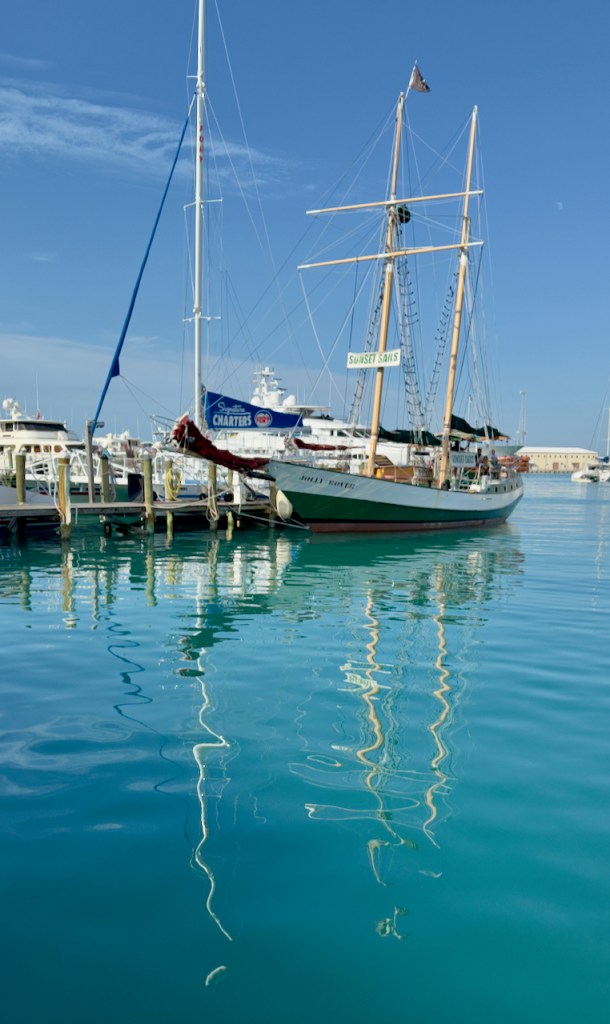
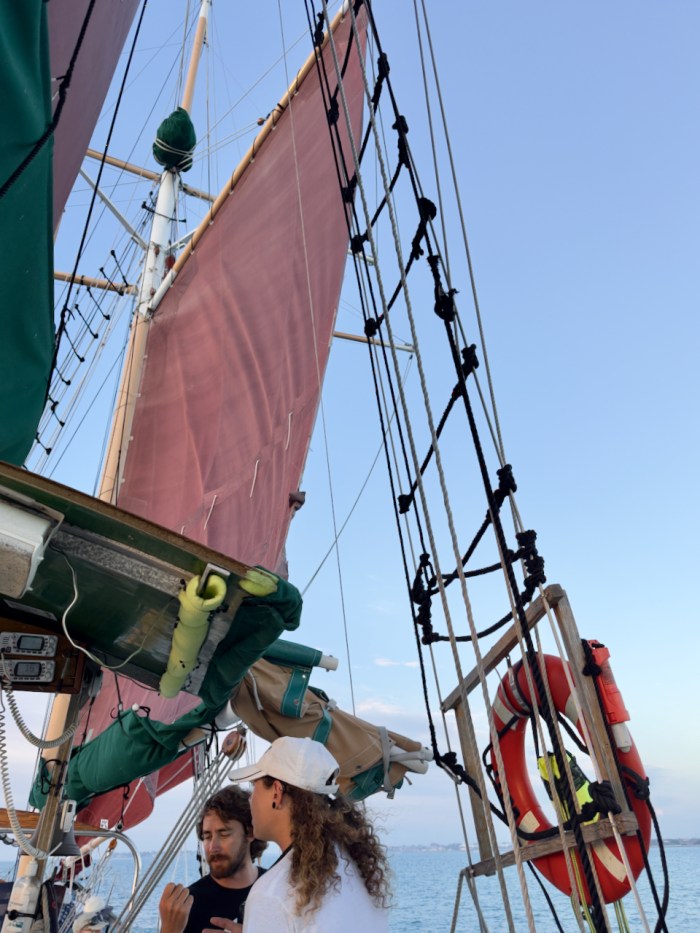
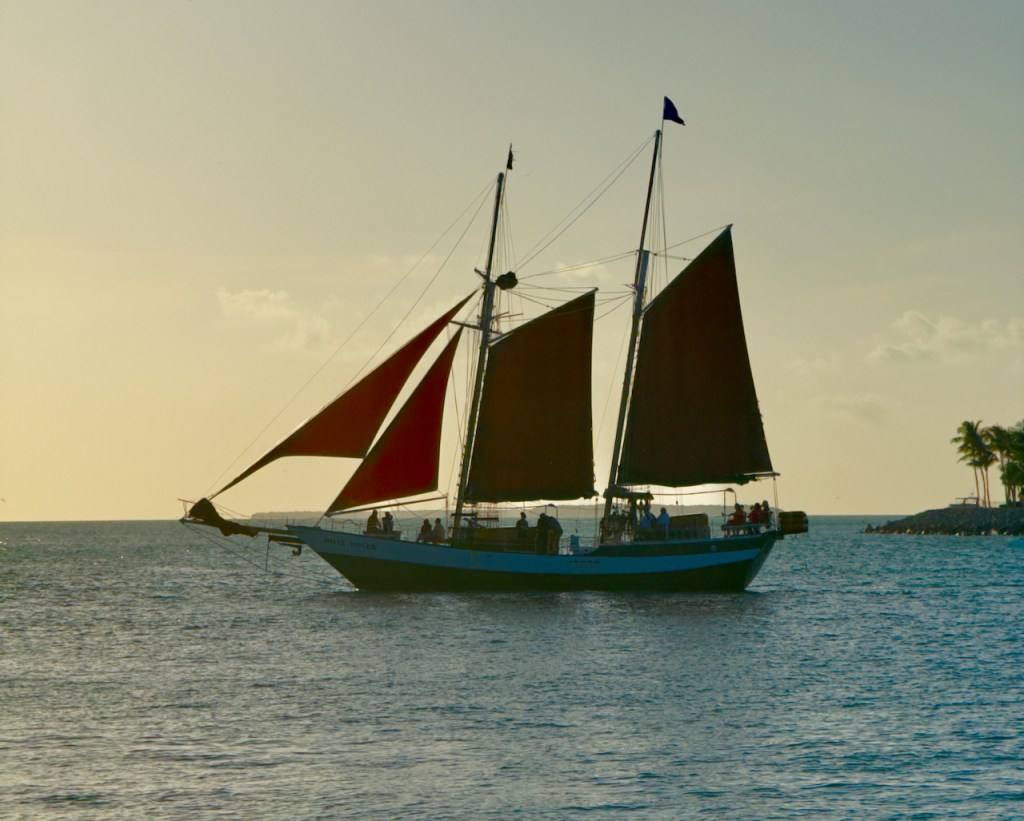
Again I booked a sunset sailing cruise, this time on the Jolly Rover.
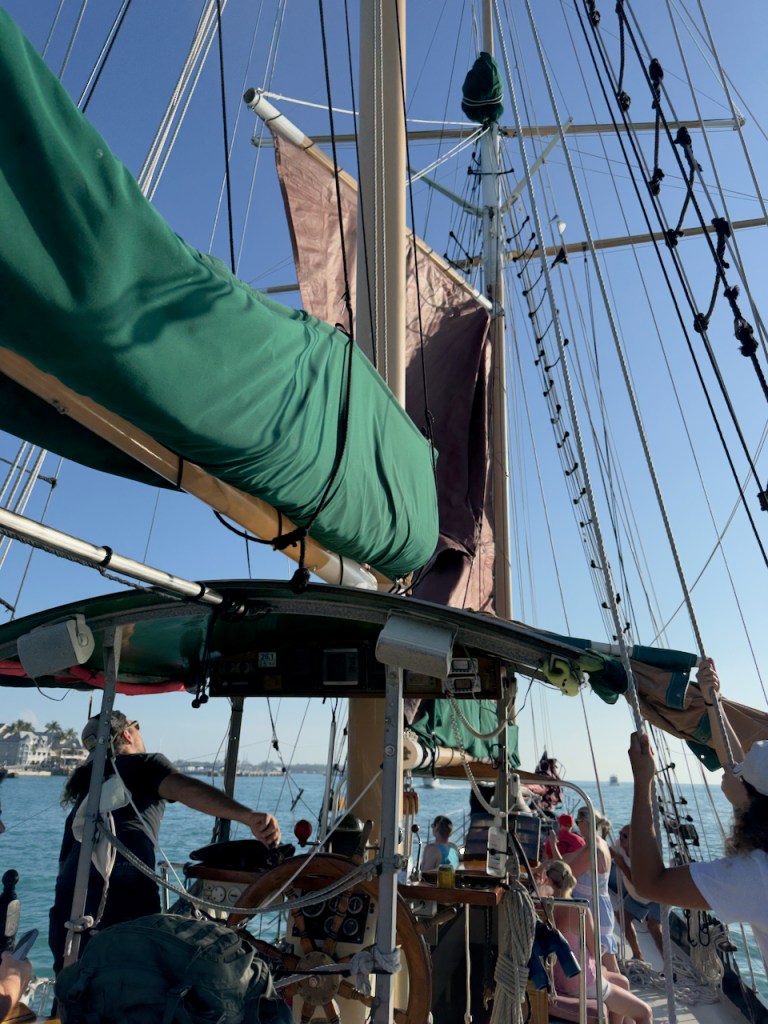
The only problem was that there was very little wind to fill the sails. Near the end of the sail they said we were sailing backwards because of the current.
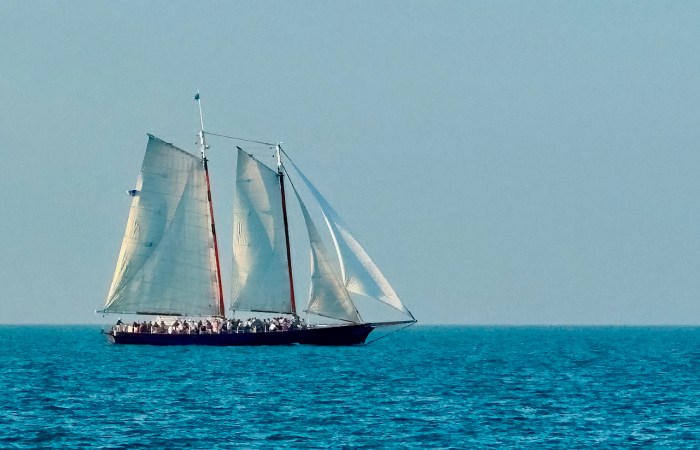
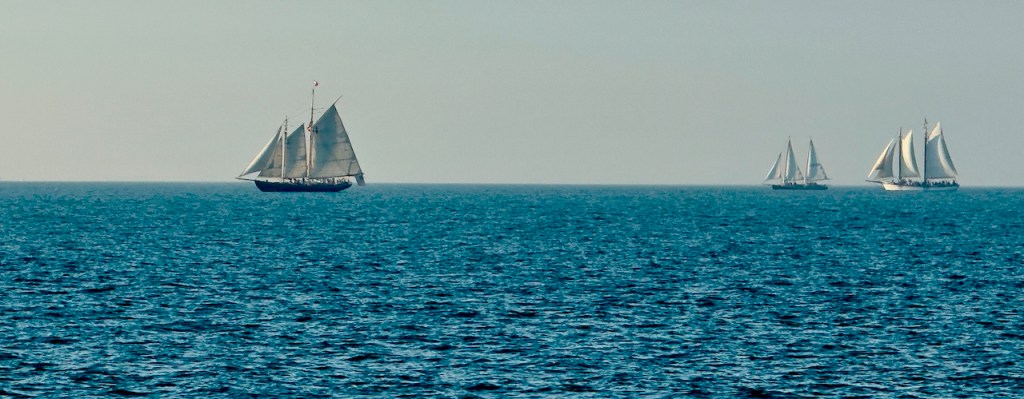
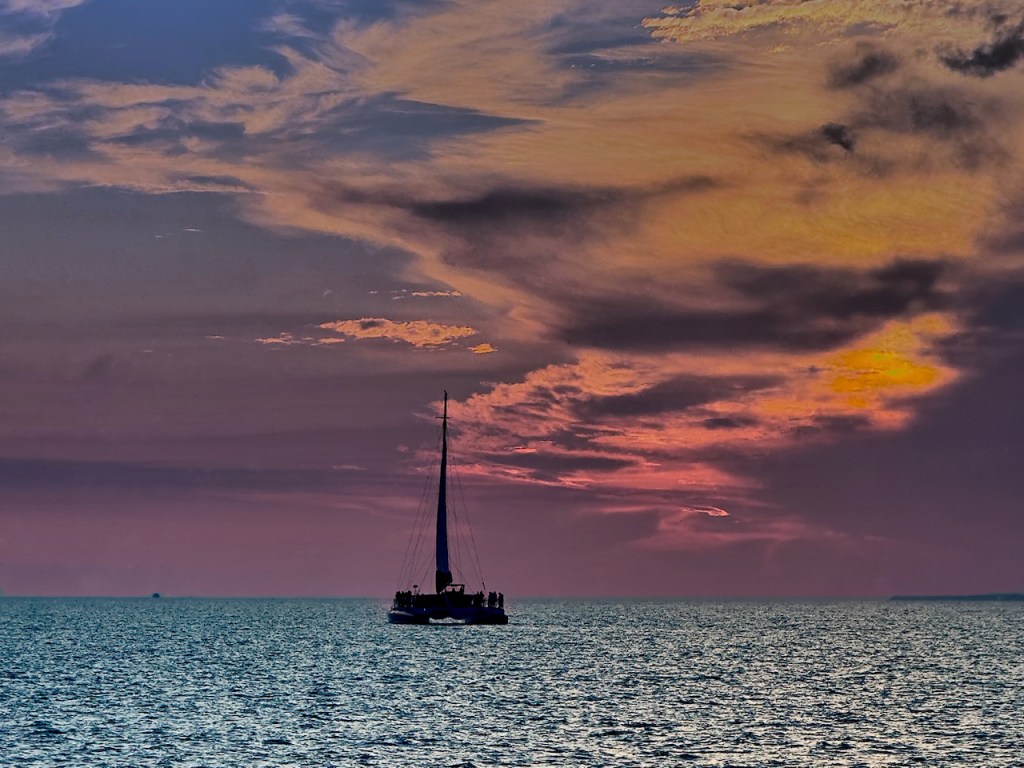
As a result of the low winds there were not many sail boats nearby at sunset.
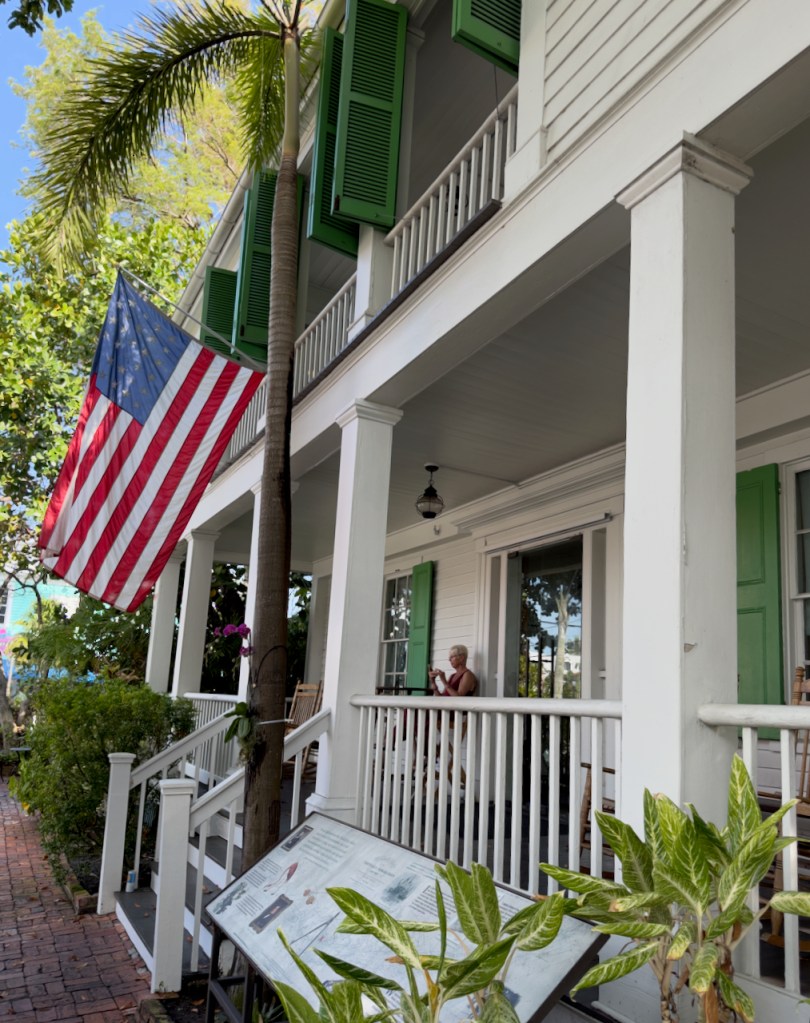
The next morning I toured the Audubon House. Between 1846 and 1849 Captain Geiger, one of Key West’s wealthiest wreckers, built this mansion. Four generations of the Geiger family lived there until the last member, a recluse, let the house fall into disrepair. In 1958 the house was slated for demolition. Mitchell and Frances Wolfson purchased the house and began its renovation. Influenced by James Audubon’s visit to Key West in 1832 it became the Audubon House Museum that shares Audubon’s famous bird art work. Audubon’s portfolio of drawings was published as 435 hand-colored life size prints (22 of Florida birds). They are so life-like they could be photographs.
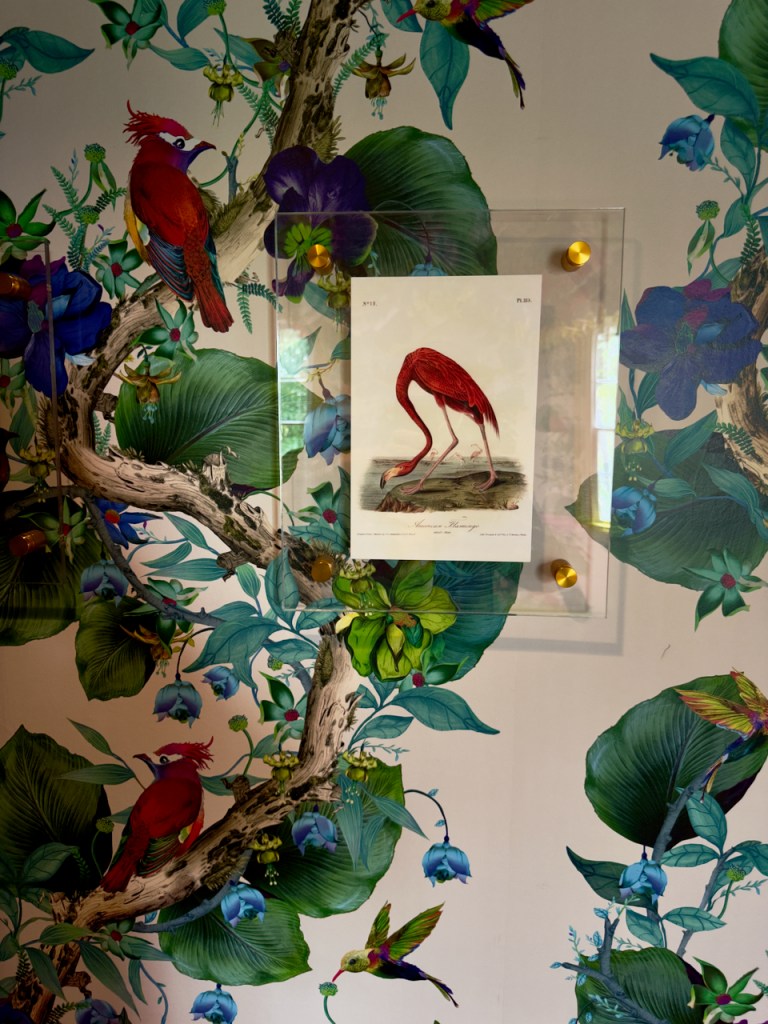
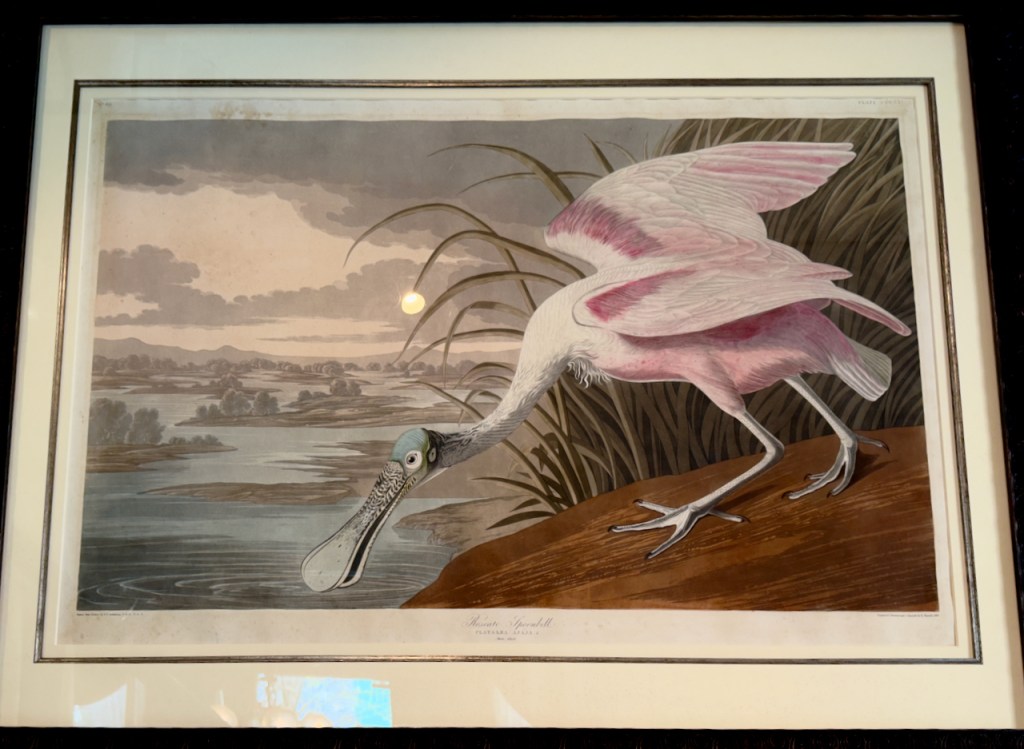
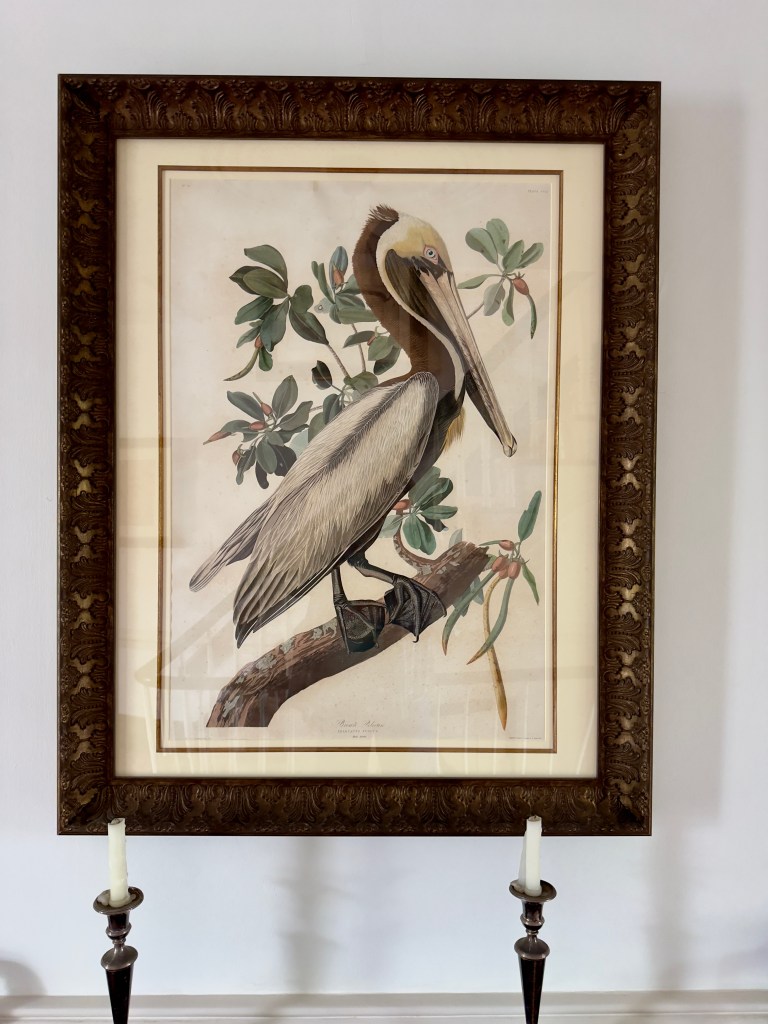
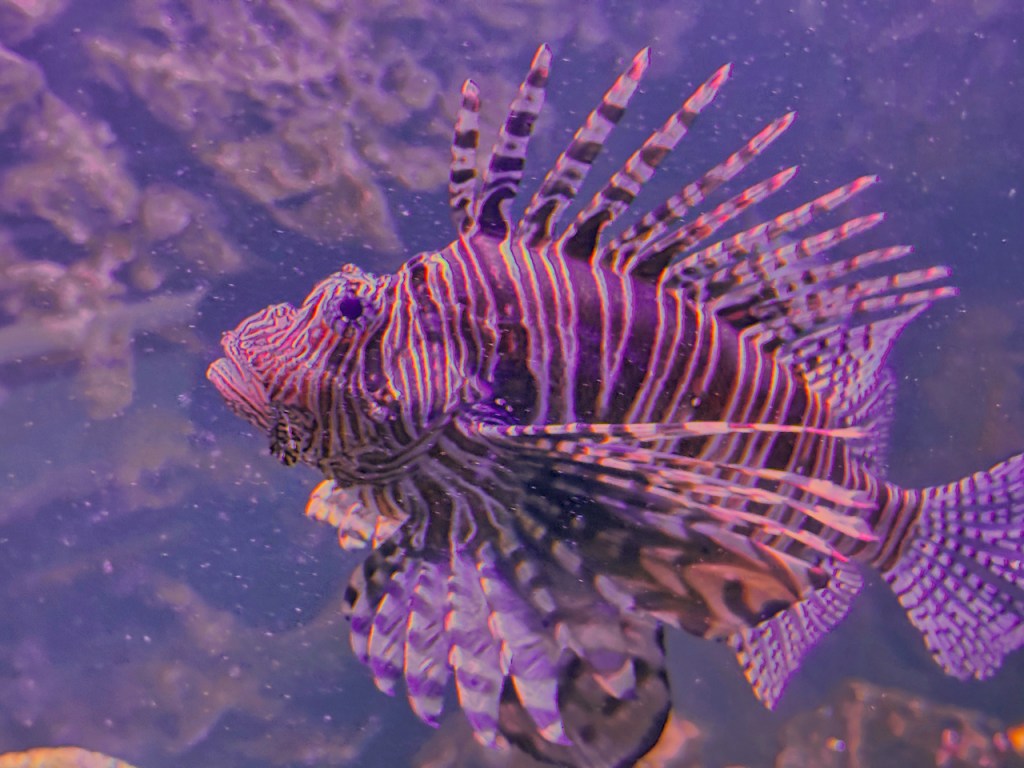
I also toured the Key West Aquarium but the fish were fast and the lighting poor.
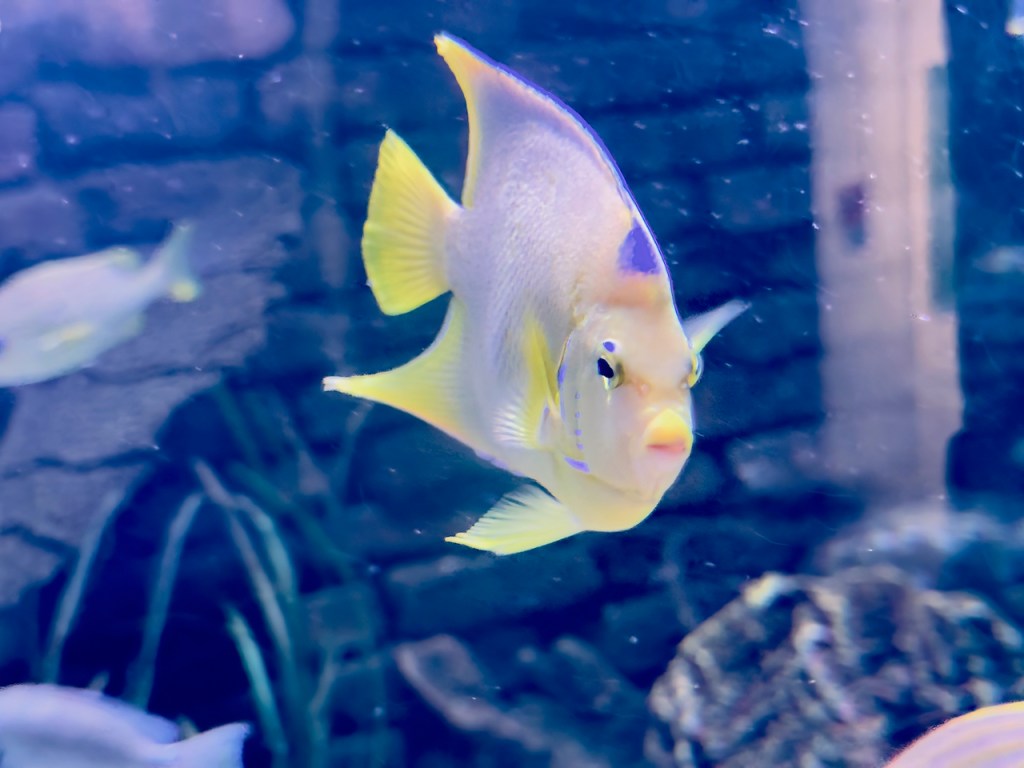
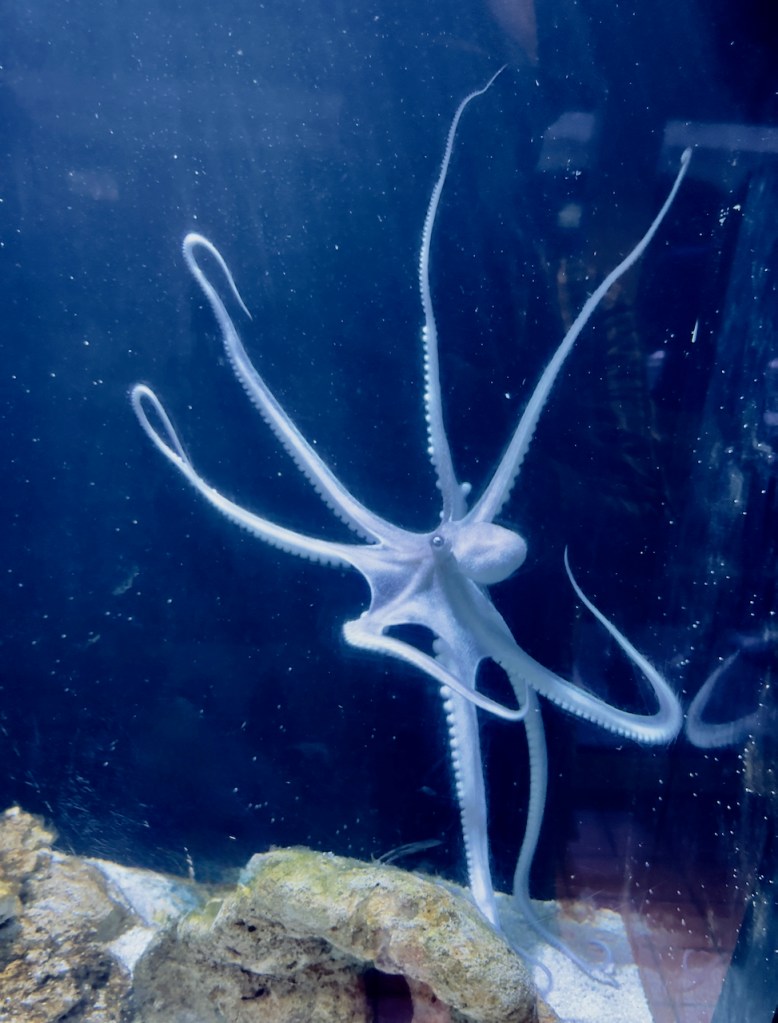
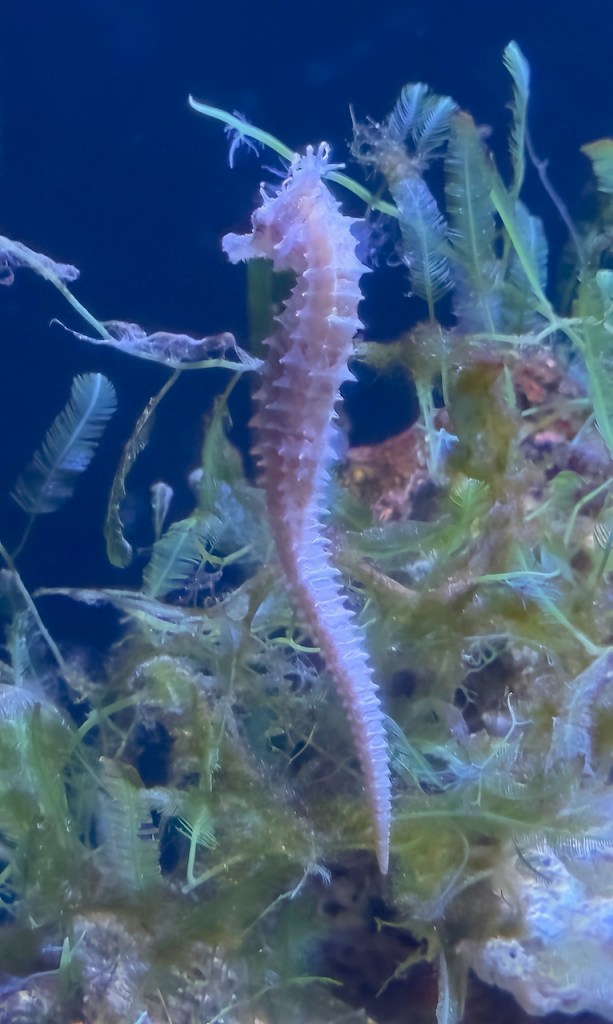
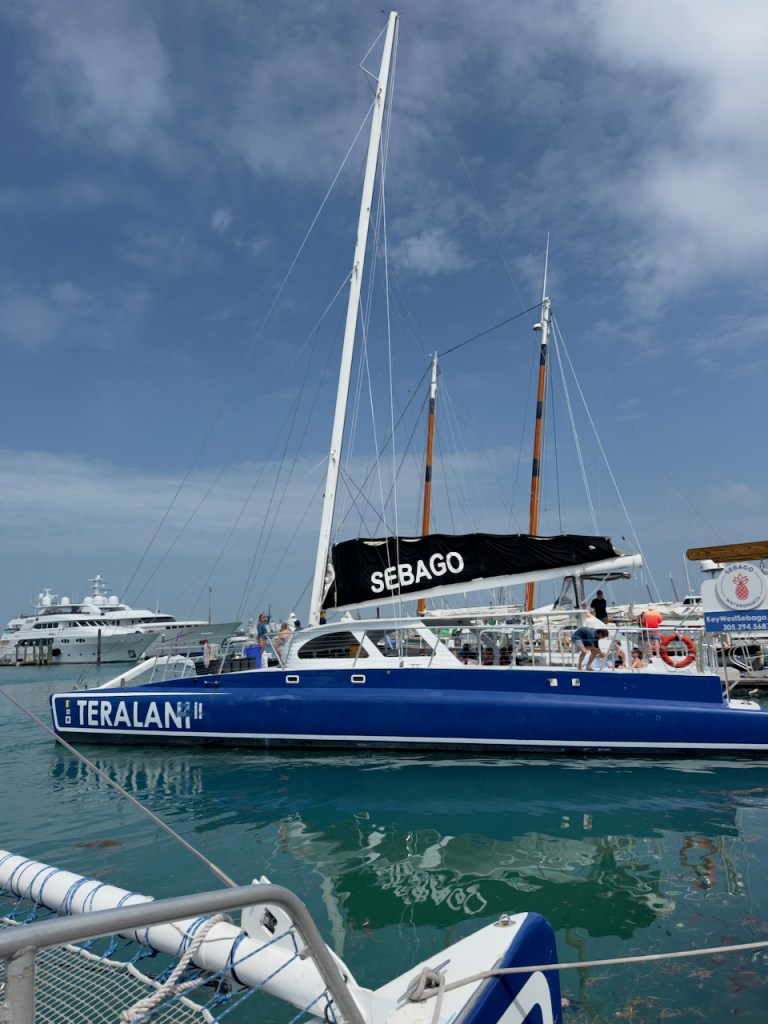
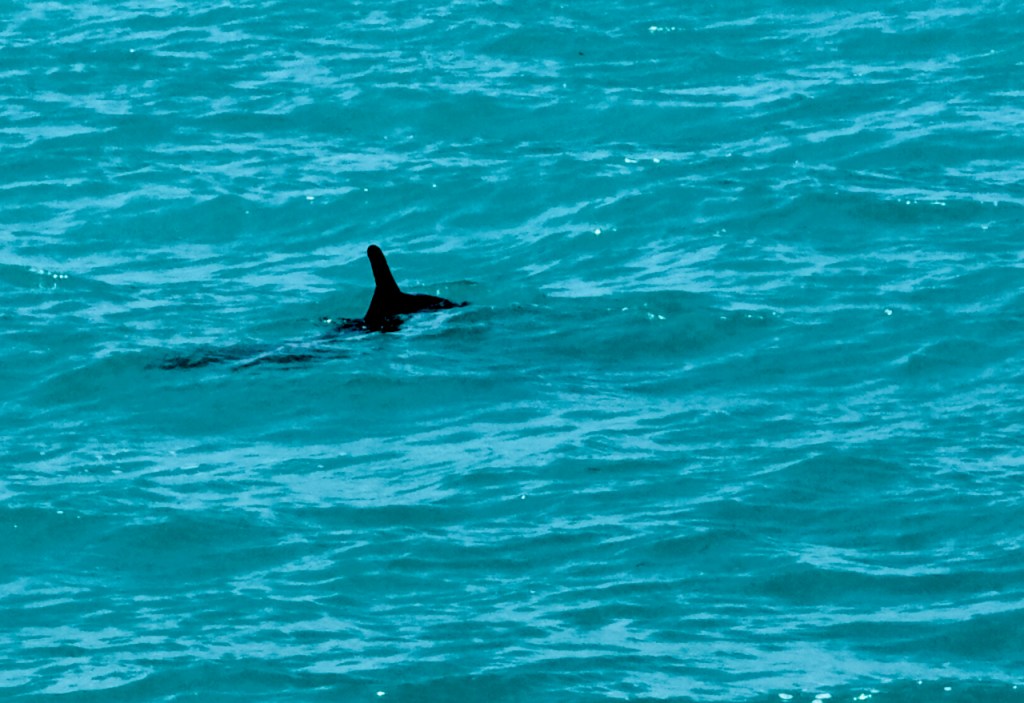
That afternoon I signed up for a dolphin watch tour on a catamaran. However the dolphins were pretty elusive and this is the only photo that I got. Pretty poor, right?
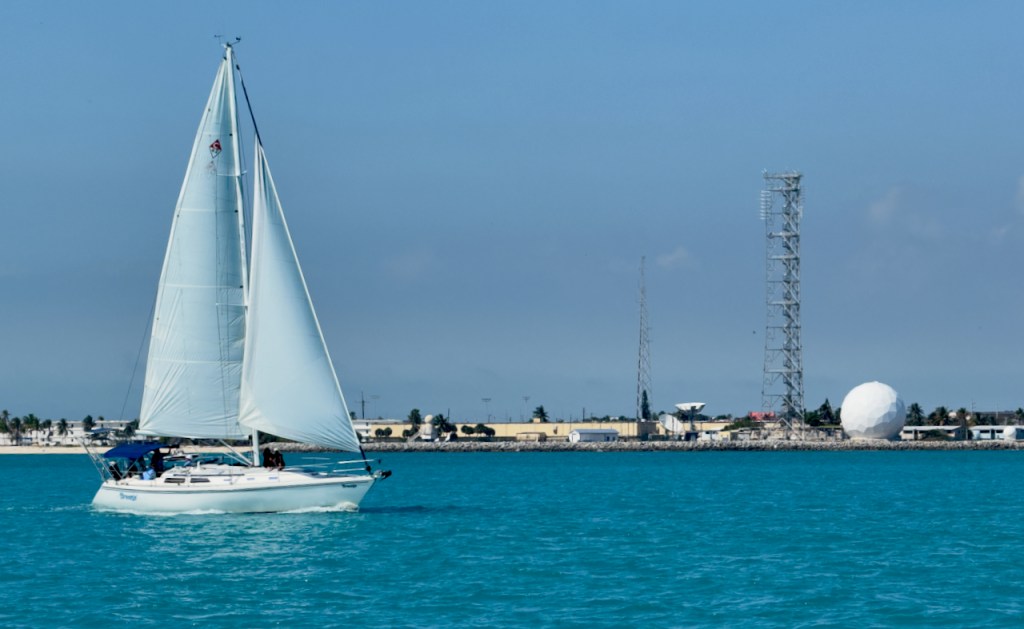
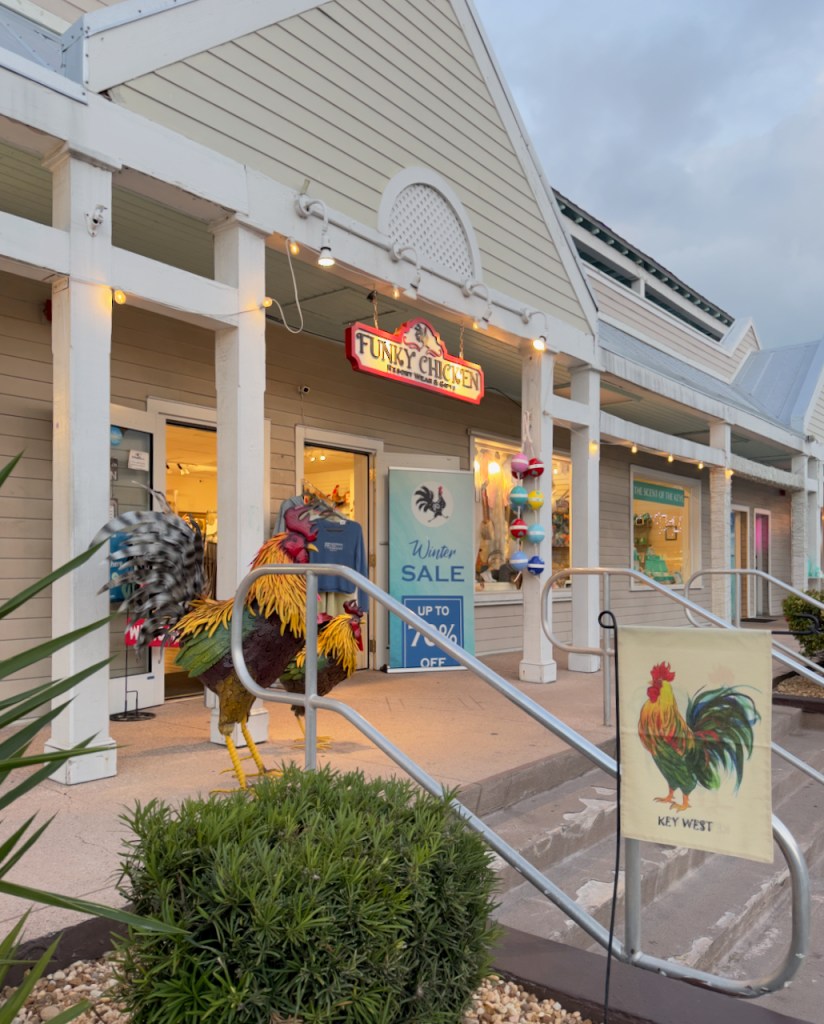
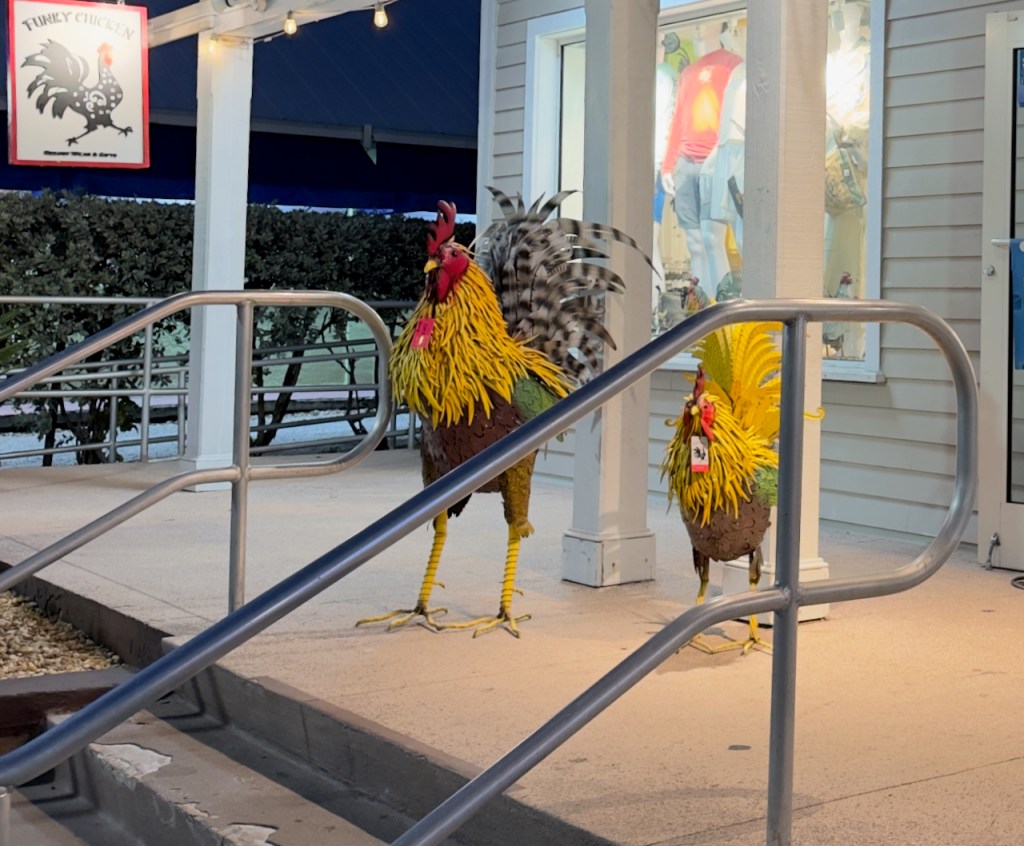
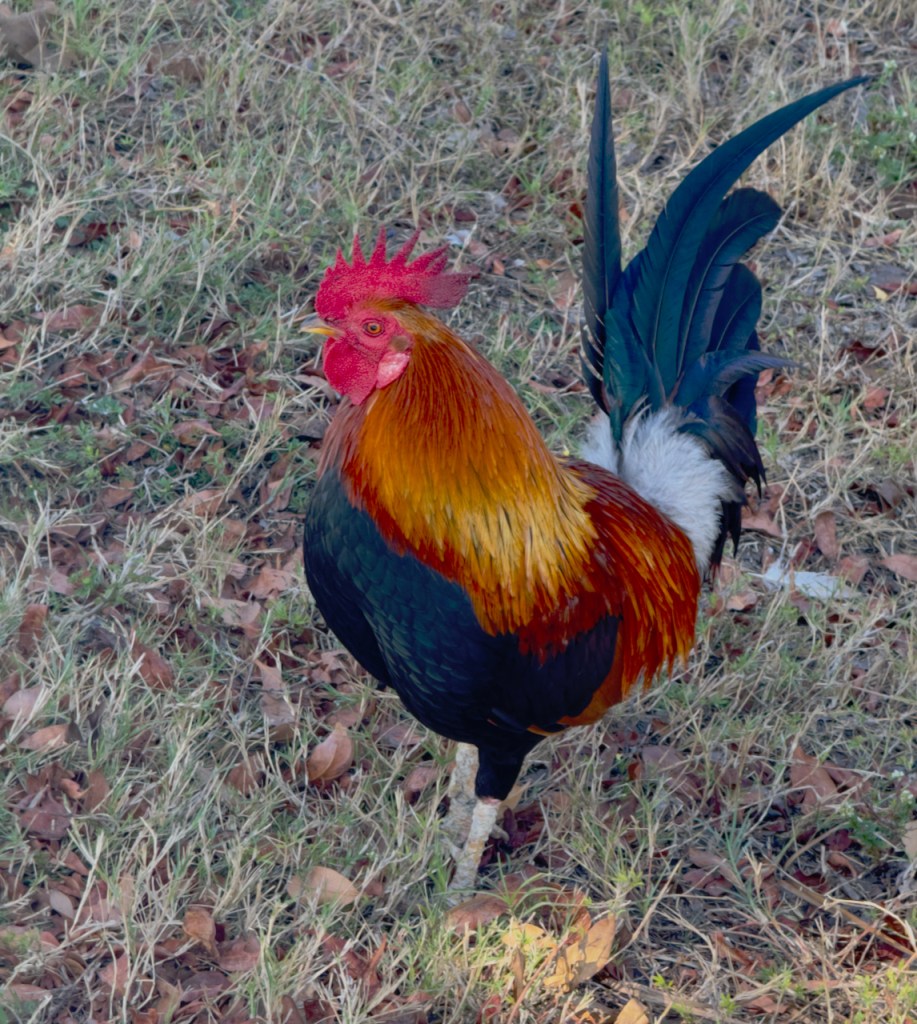
This store, Funky Chicken, pays homage to the many chickens and roosters running around.
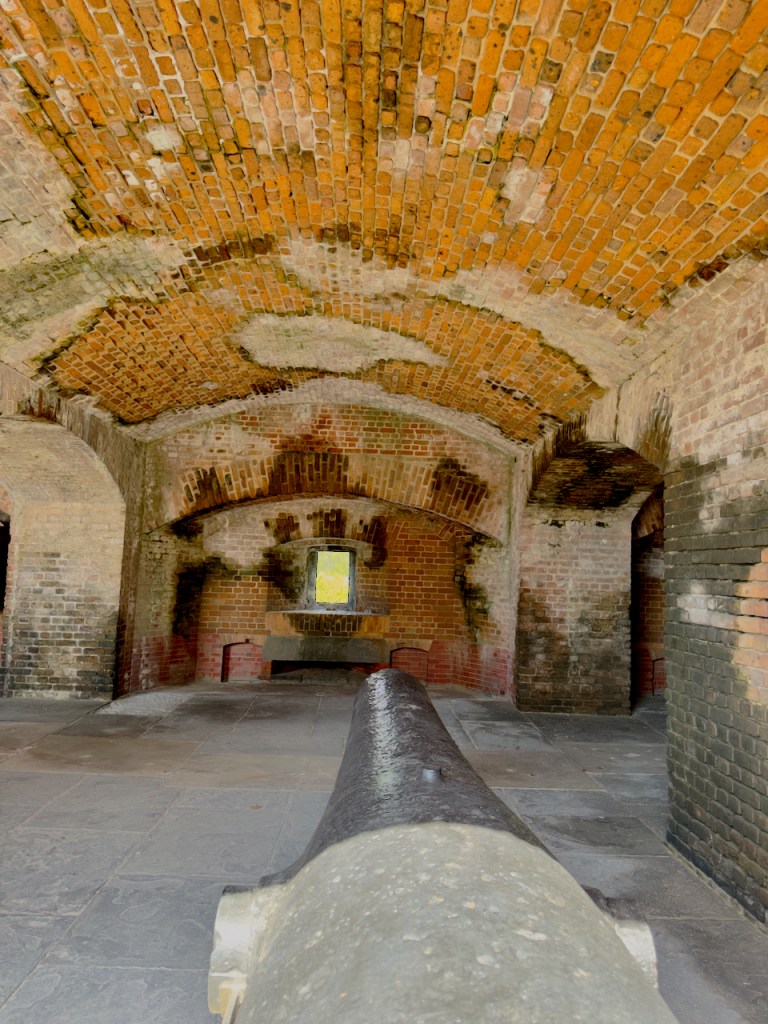
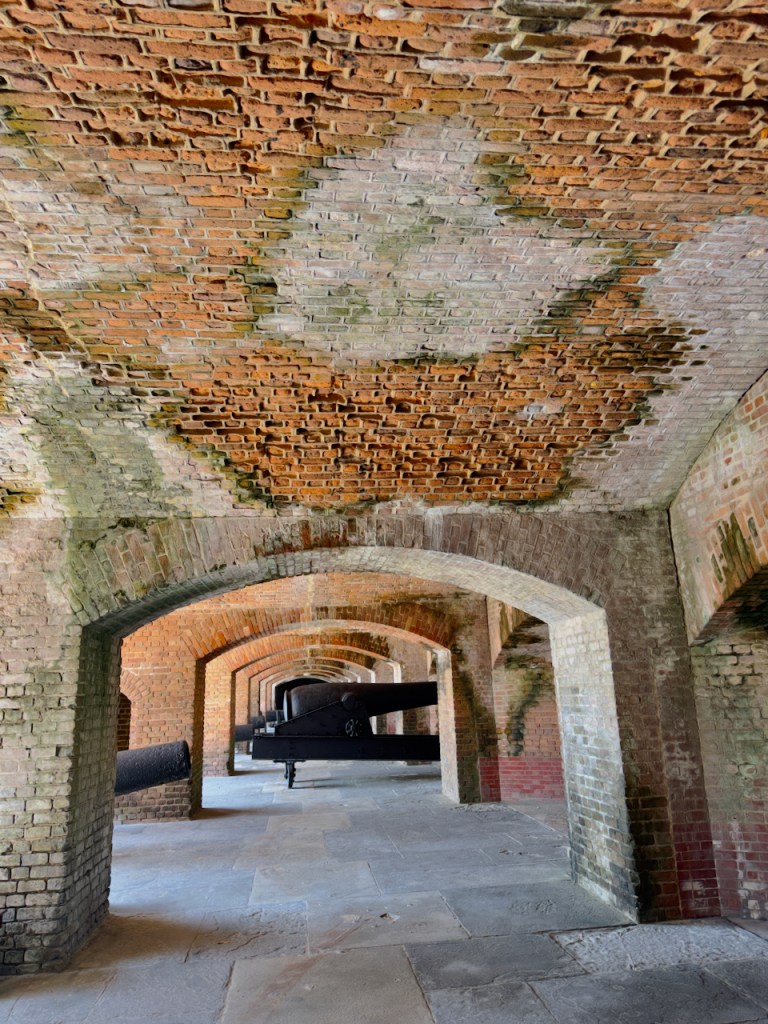
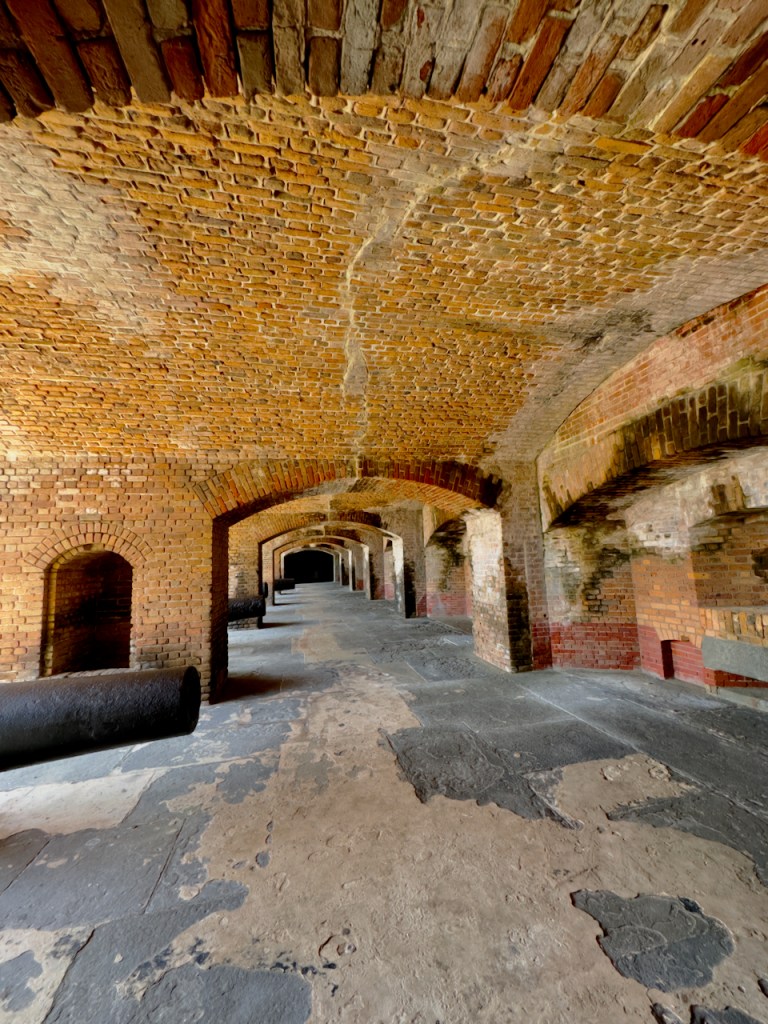
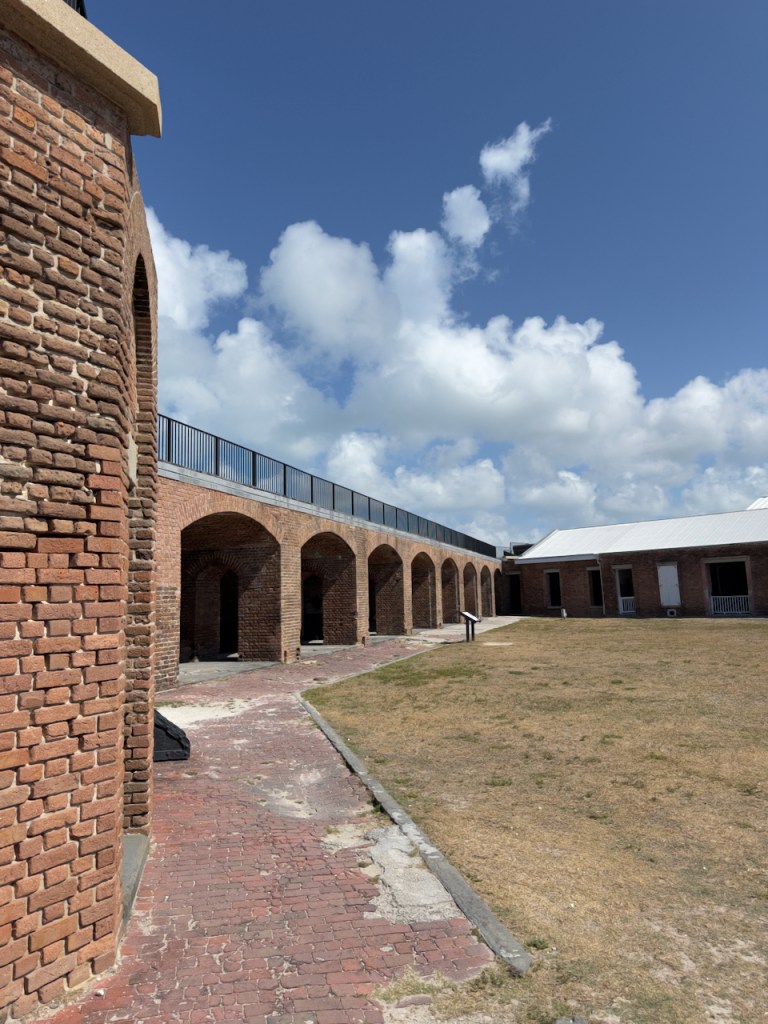
Fort Zachary Taylor predates the Civil War and contains some very large cannon. This Fort and Key West was always in Union control during the Civil War. The Fort State Park has a popular beach fronting the ocean.
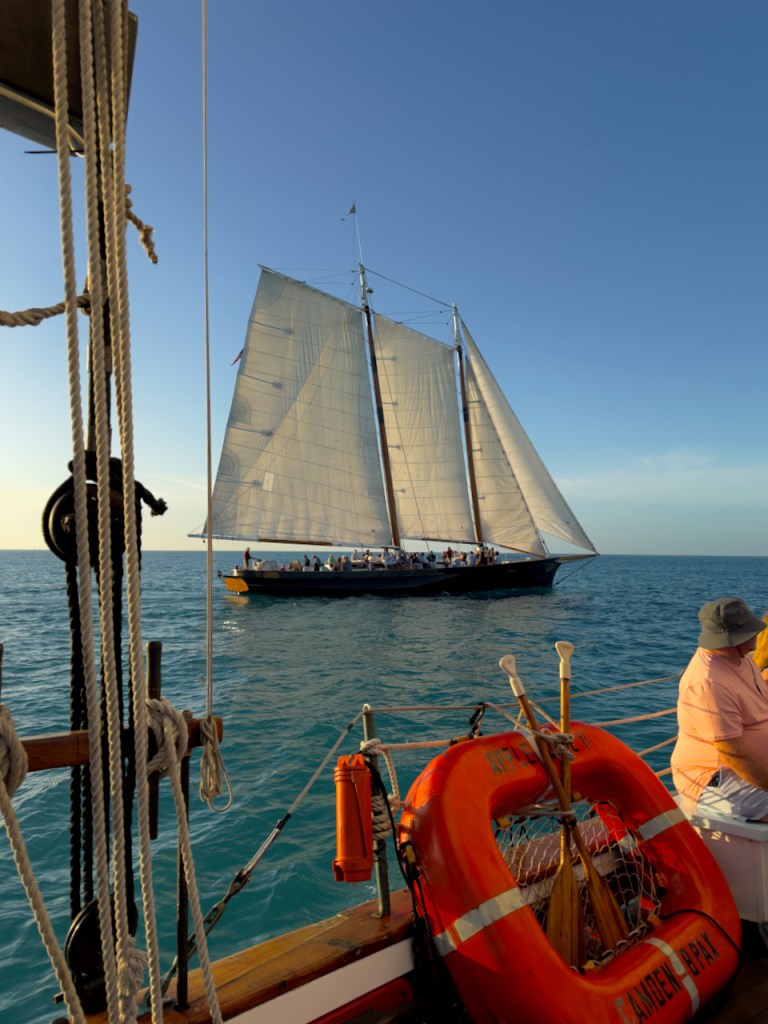
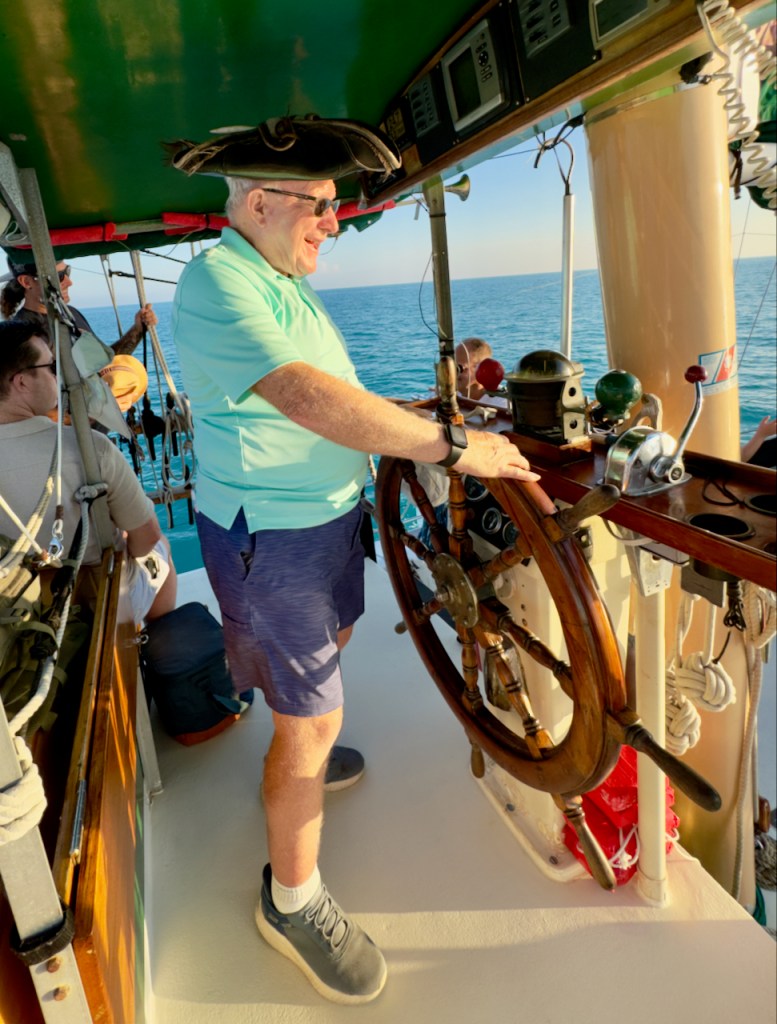
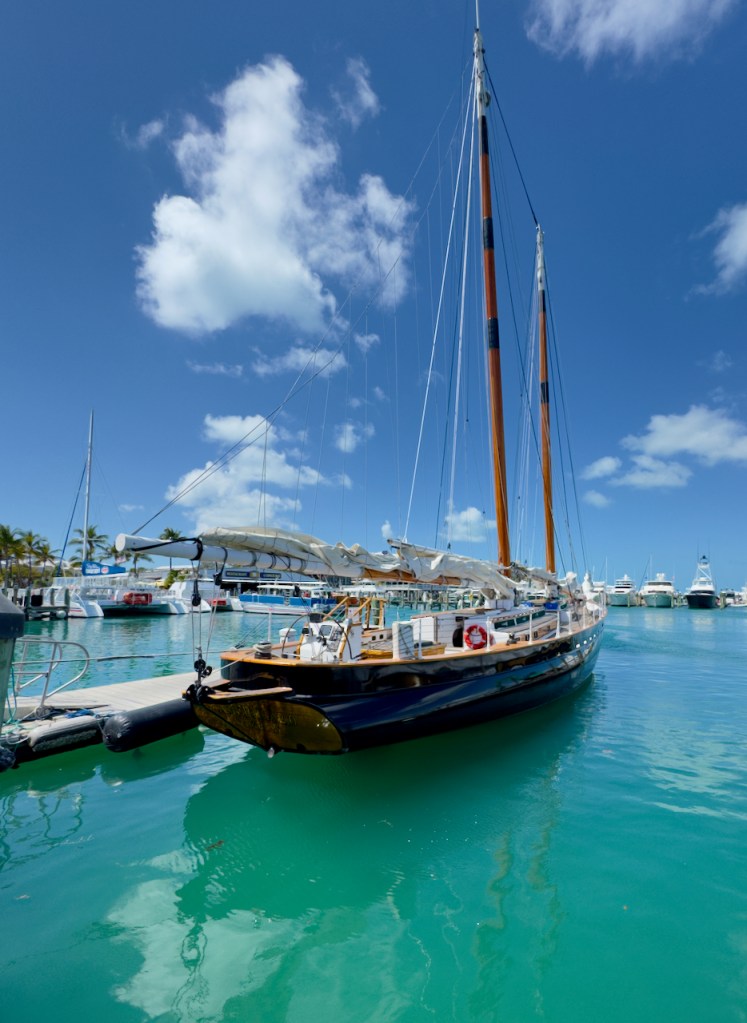
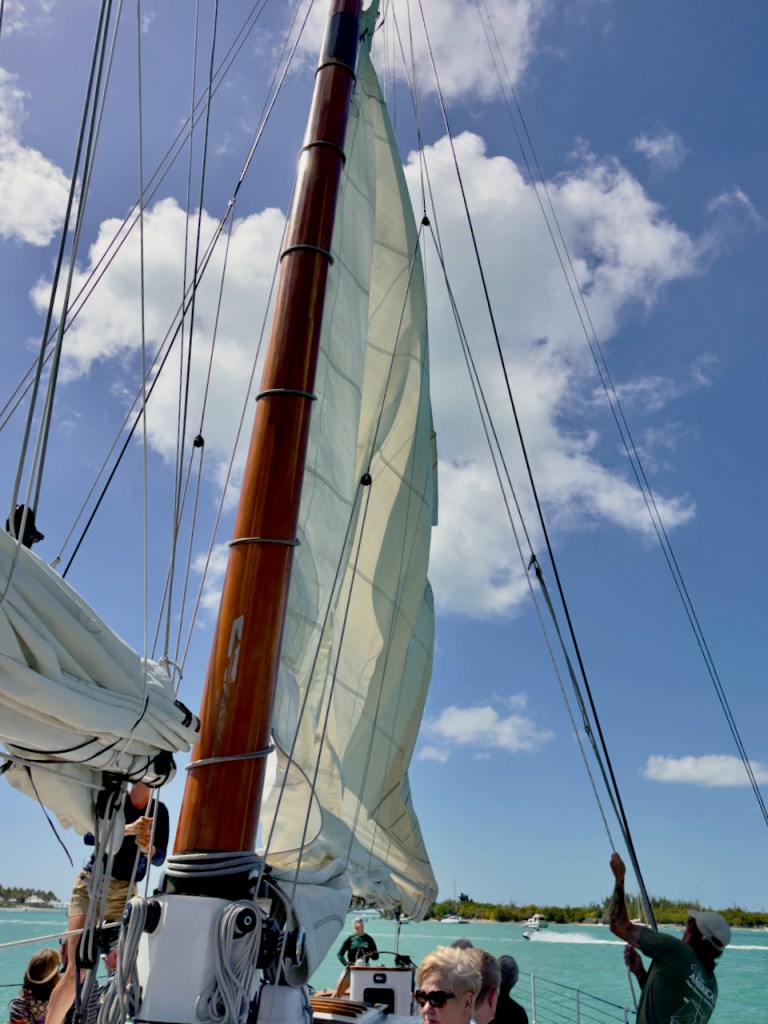
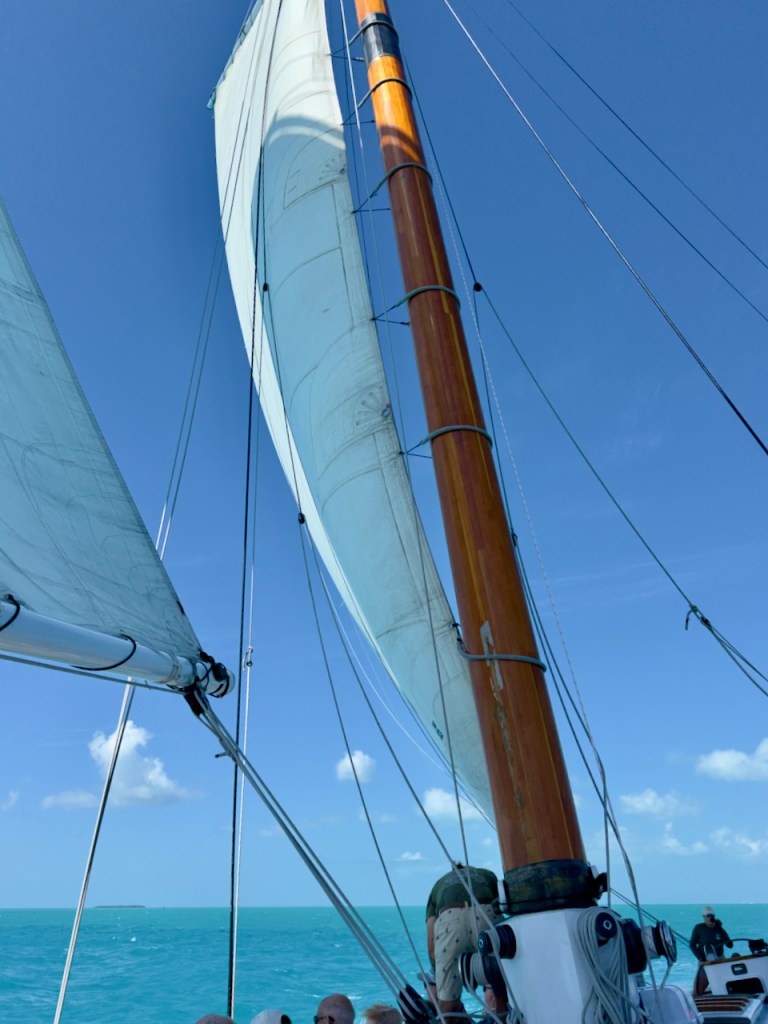
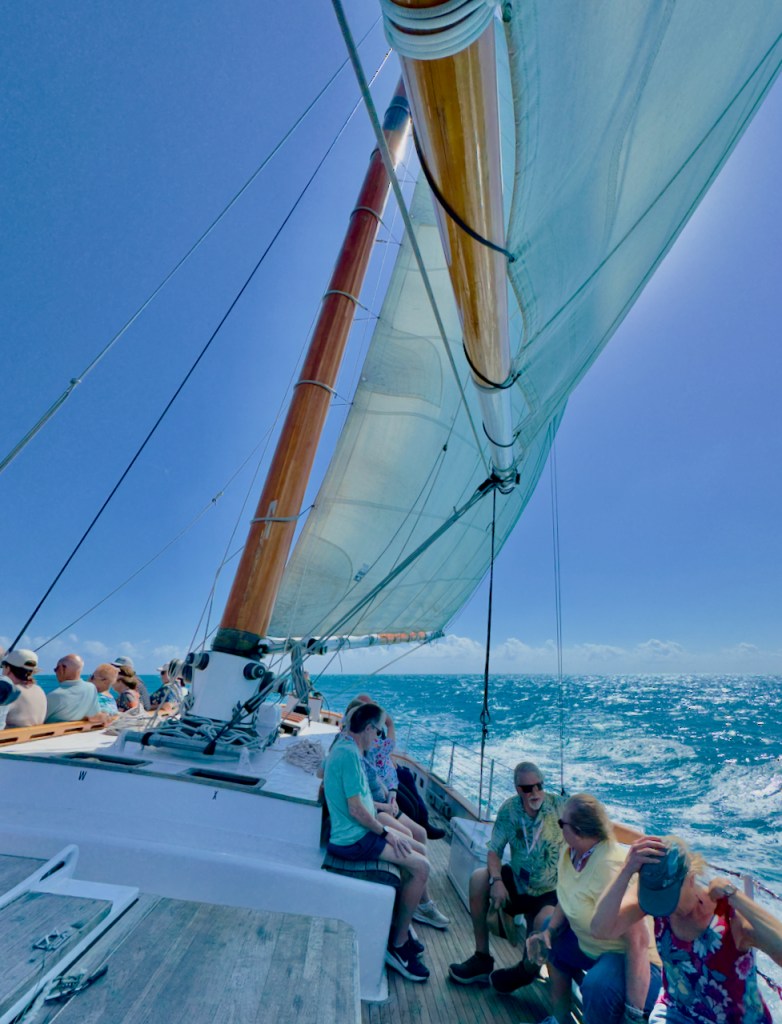
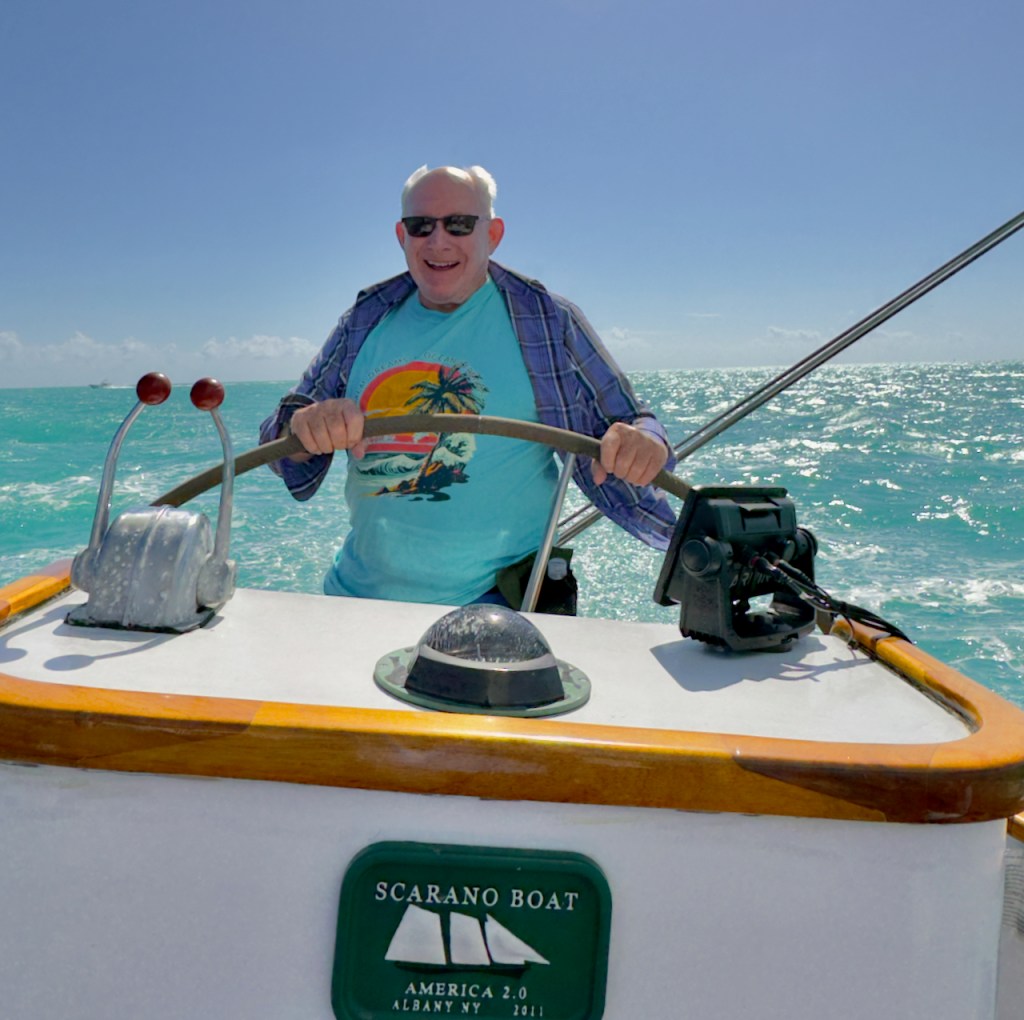
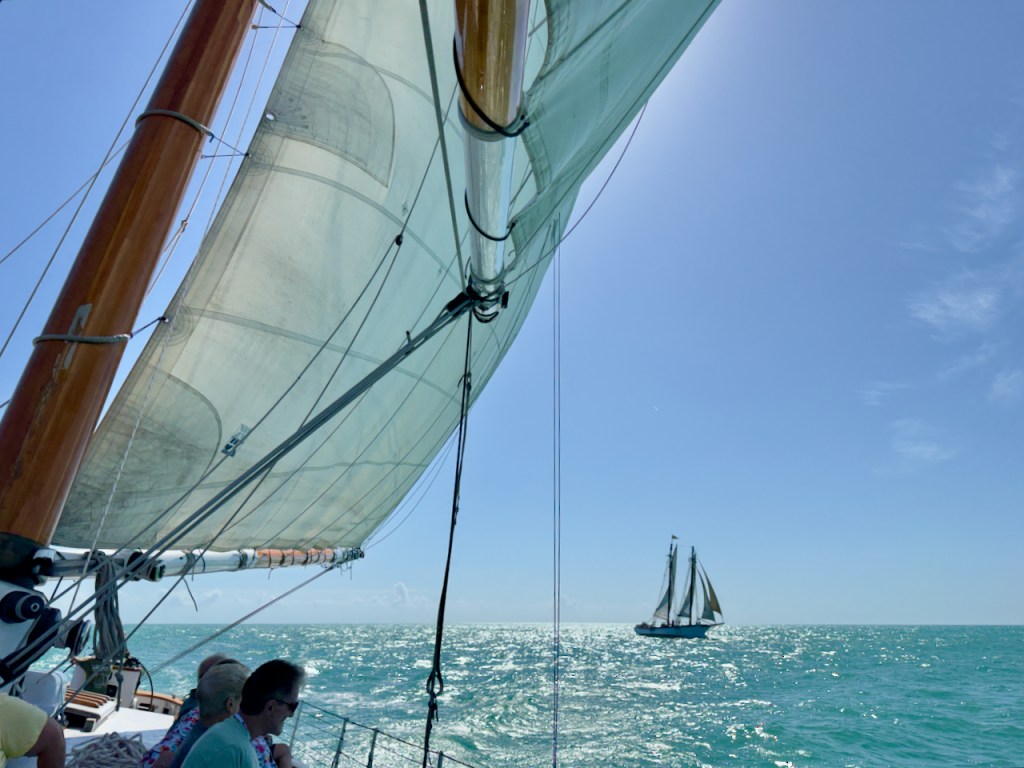
In the afternoon I had one of the best sails of my life on the America 2 which is a replica of the America Schooner that won the inaugural America Cup race in 1851. Its sleek lines, innovative design, and unmatched speed allowed it to outpace the British yachts. I got a chance to experience the speed of 10-11 knots (close to mph) and at times the splashing of water over the deck. You can tell by the masts that she was canted over 10-15 degrees. And what a thrill for me to take the helm for a brief time! This is what the America 2 looks like in the harbor and under full sail.
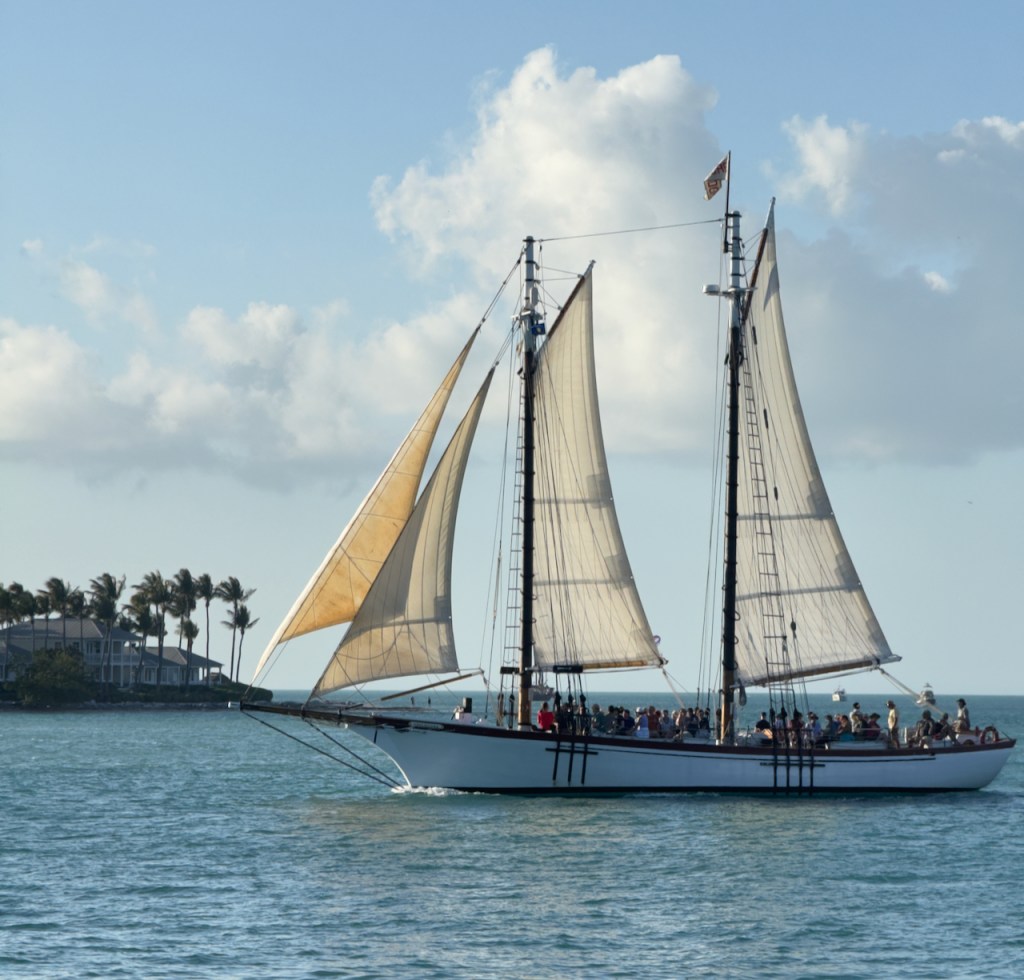
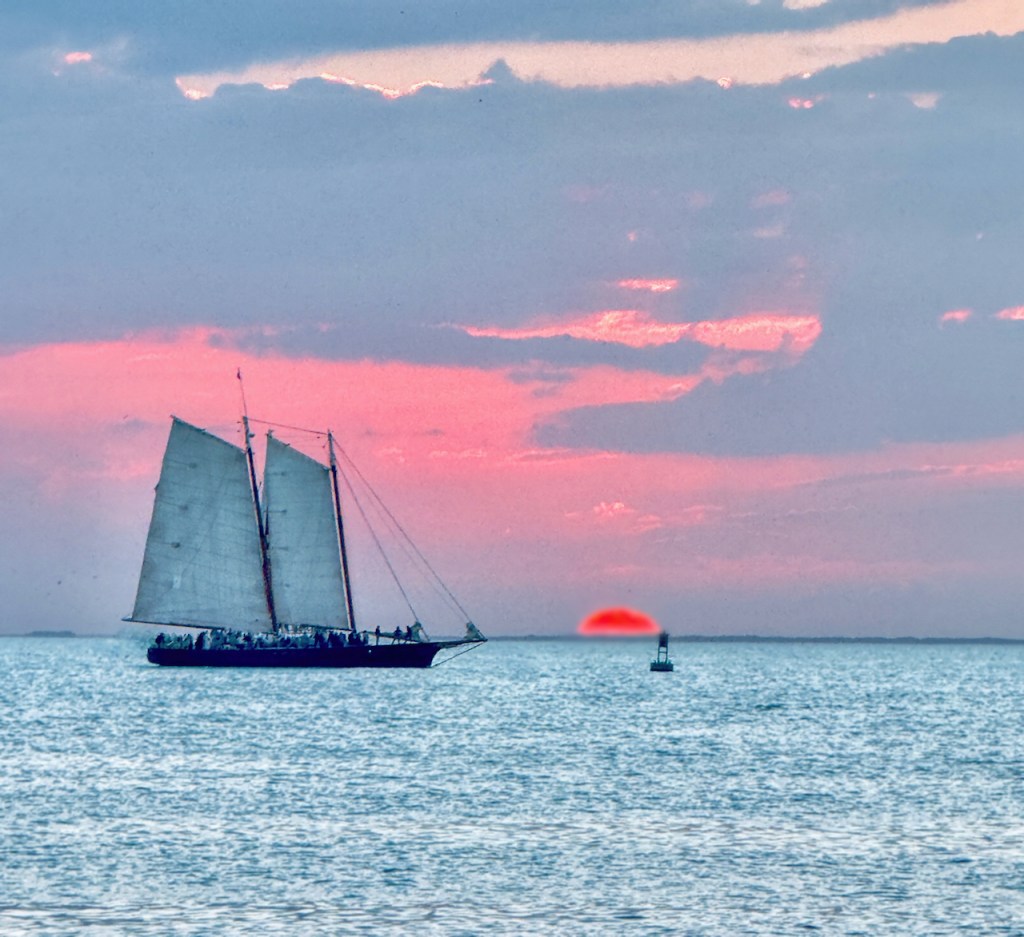
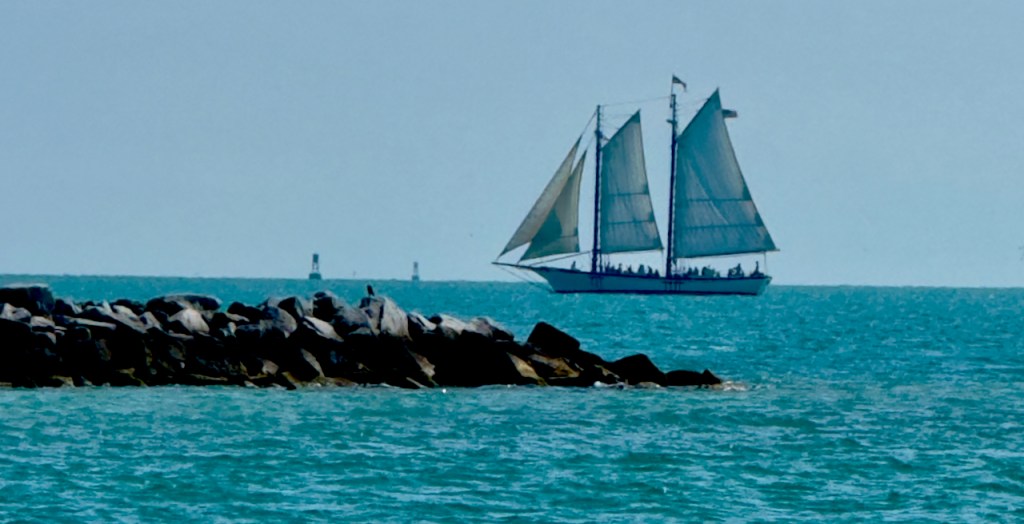
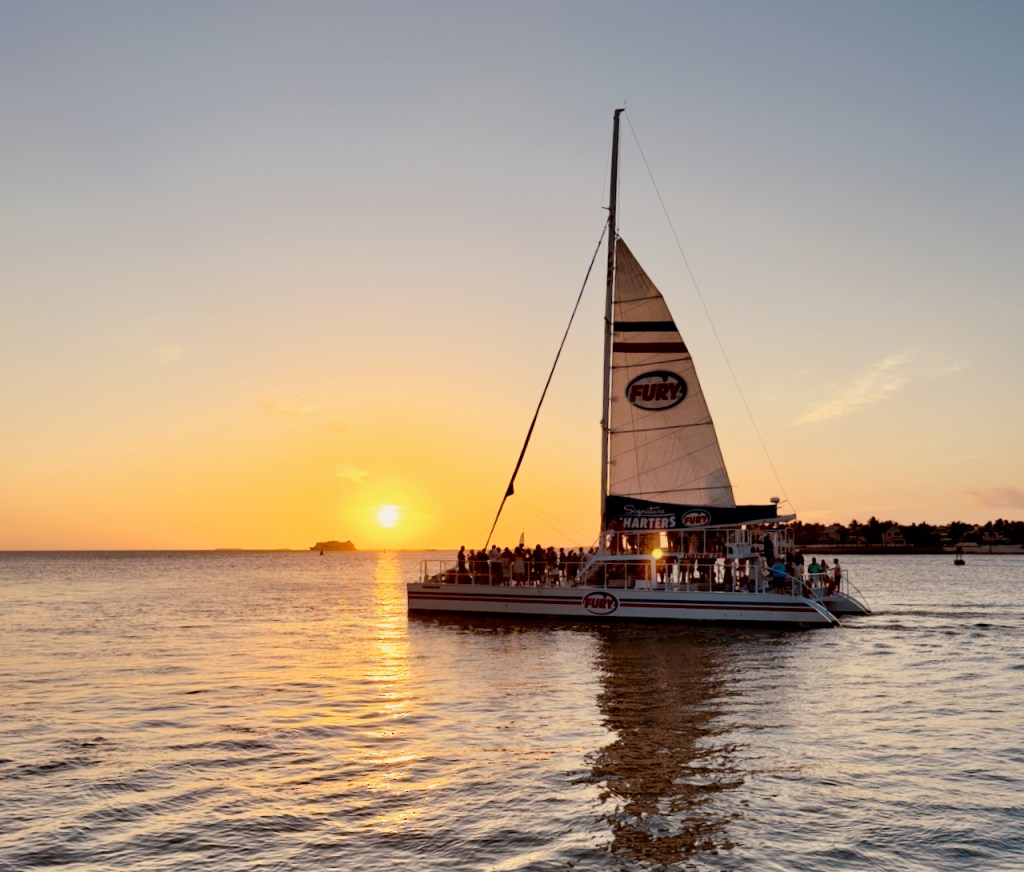
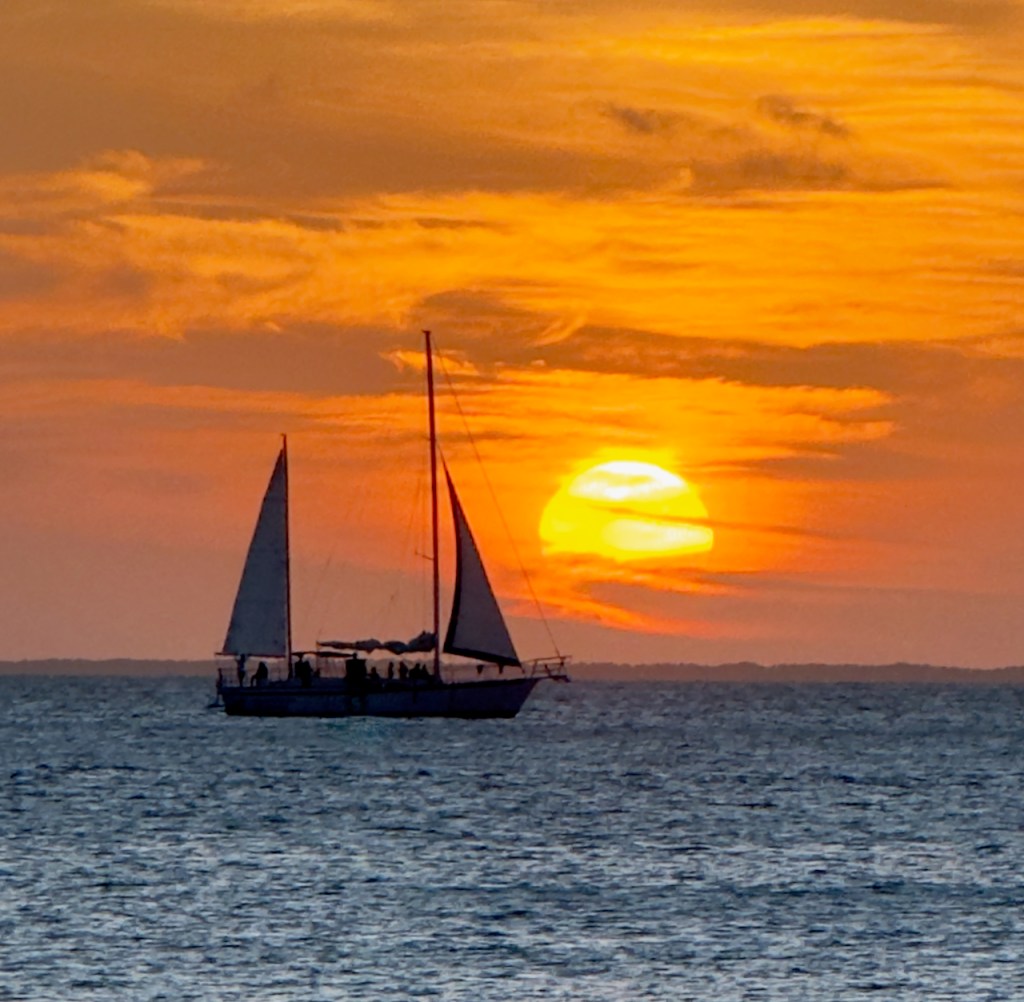
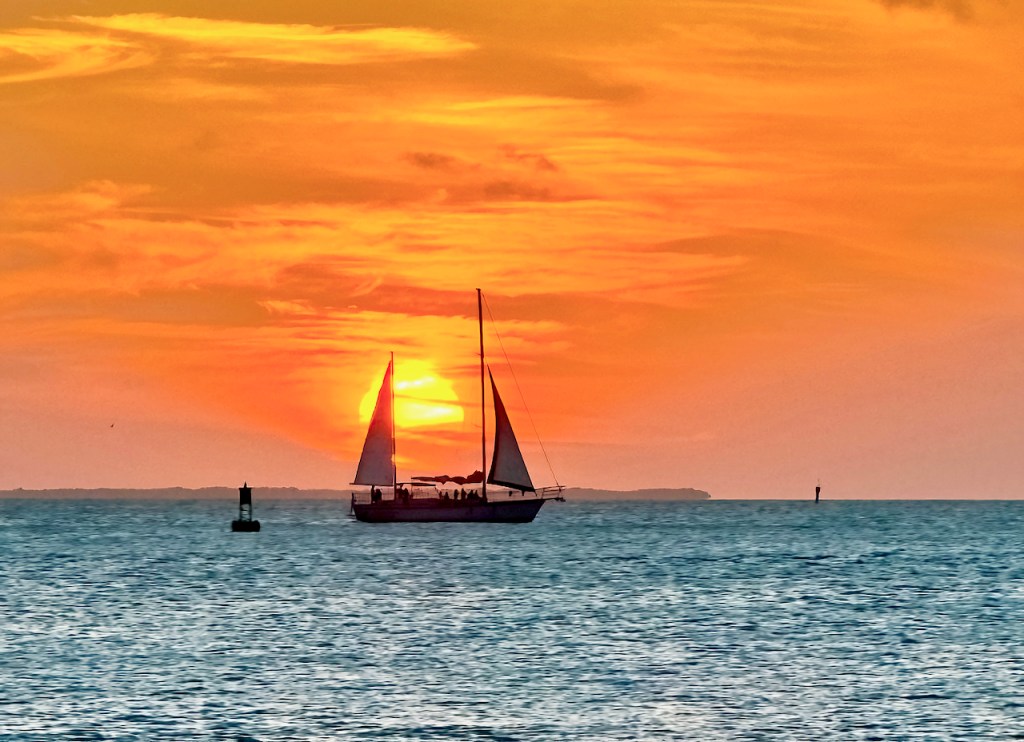
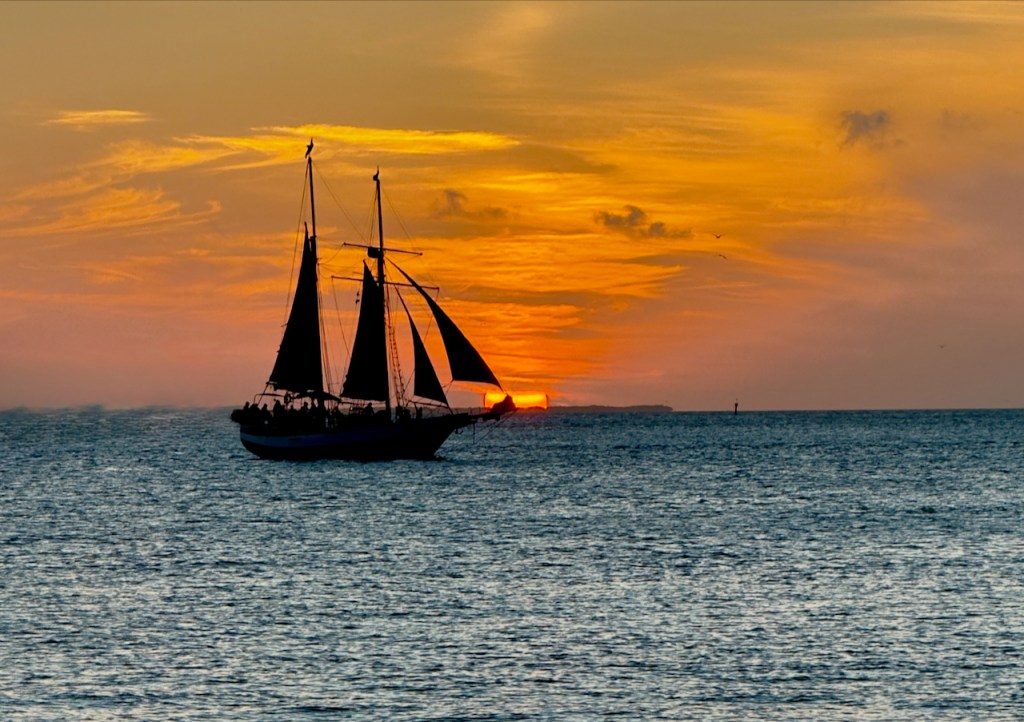
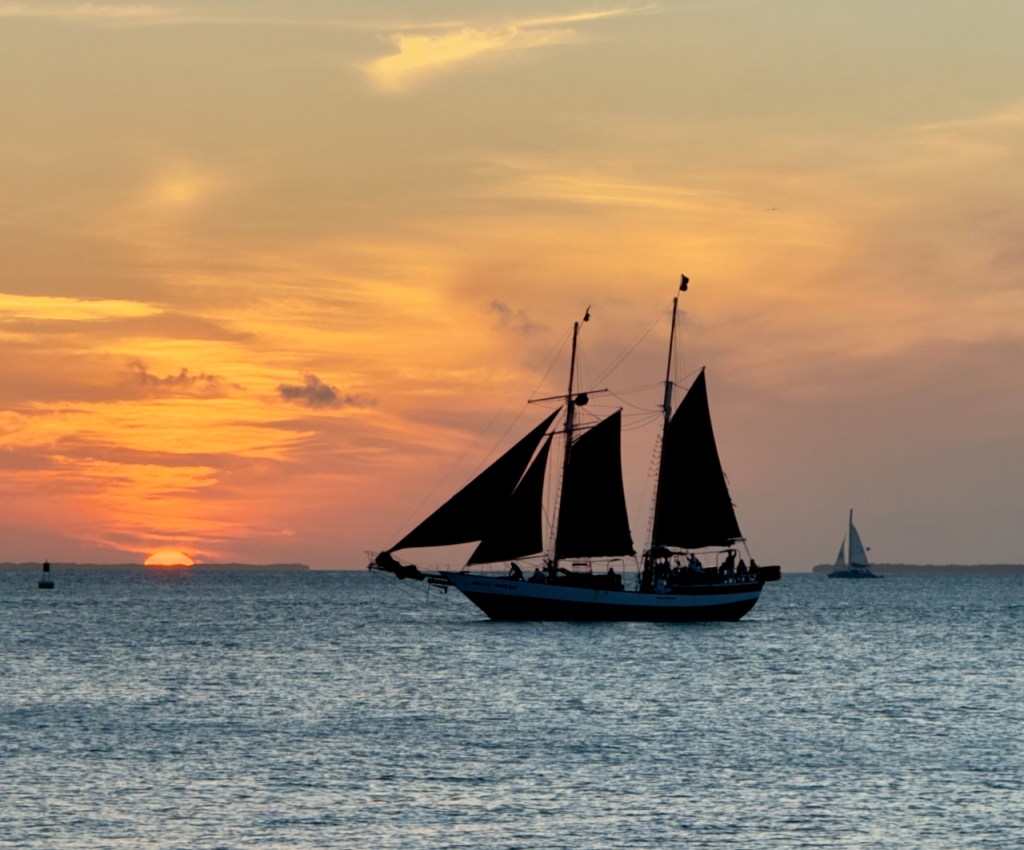
The final night I was again in Mallory Square to watch the sunset. The first ship is the Jolly Rover with it’s red sails the I sailed on earlier.
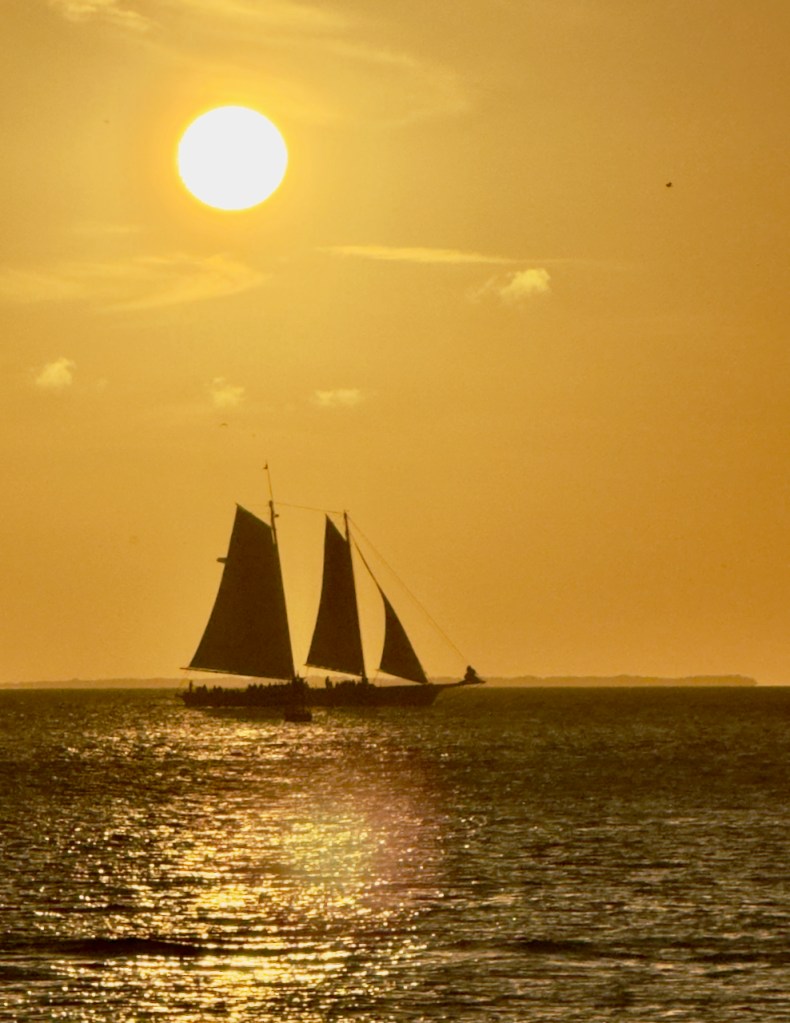
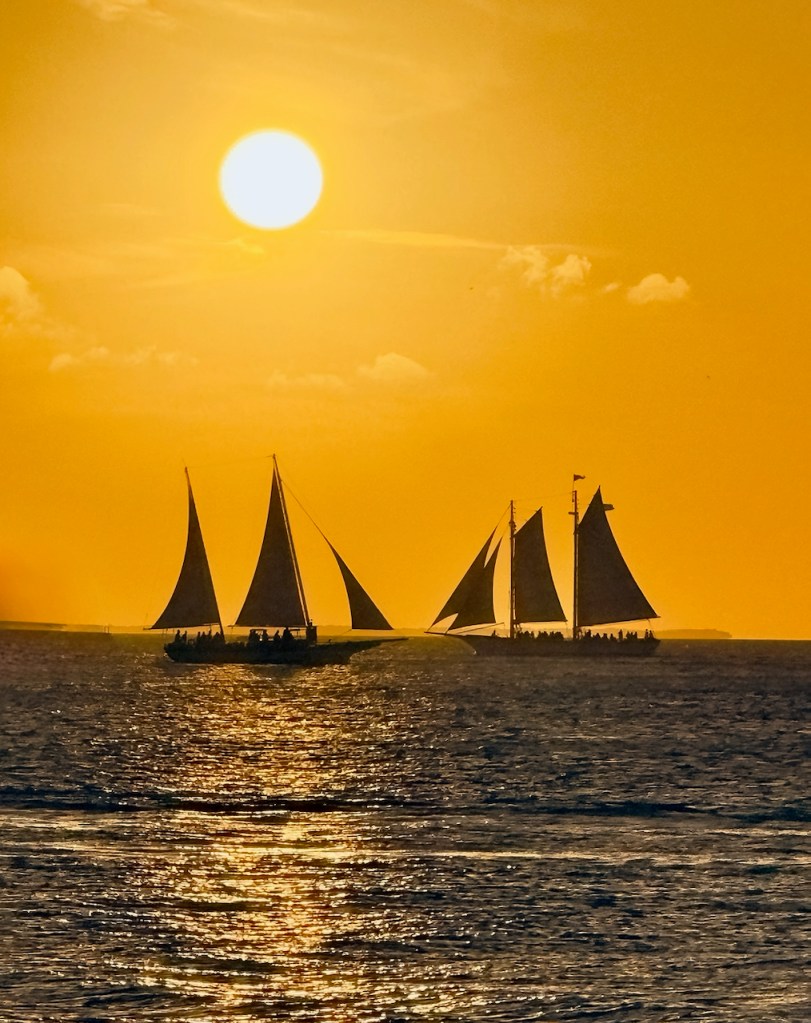
This concludes my adventures in Key West and hope that you enjoyed it as much as I did,


 Ophardt Photos
Wow