June 5-8:
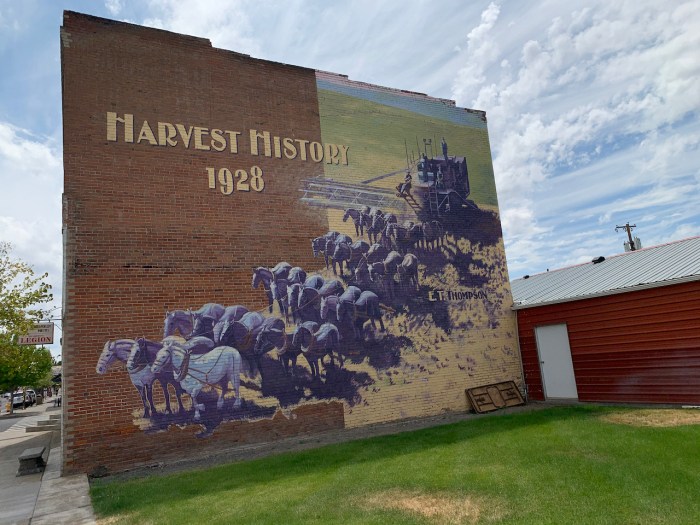
The Palouse is a fertile wheat growing region in north central Idaho and southeastern Washington which covers over 19,000 square miles. The soil is called Loess which is a fine grained loose fertile soil which accumulated over thousands of years. In the 1920s the wheat harvest required up to 120 men and 320 mules and horses which moved from farm to farm. The combine had been invented but required up to 40 horses and six men to operate. More interesting details are in Wikipedia.
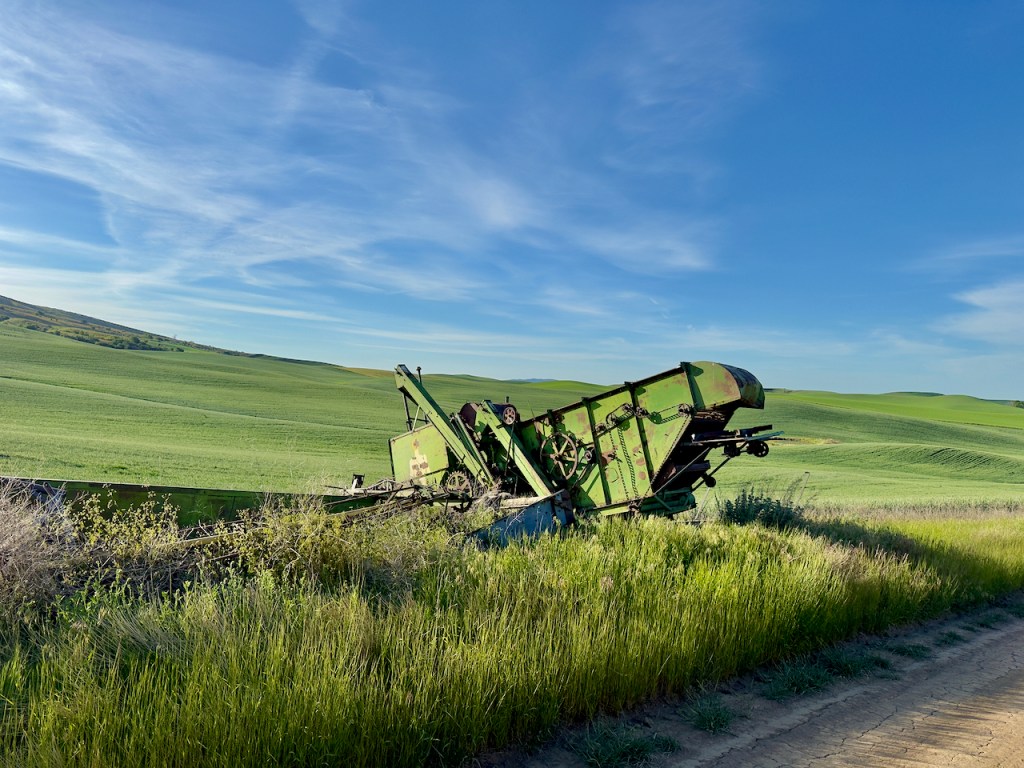
As a result, after mechanization, many barns were abandoned and fell down, but the few that remain are the focal points in many photographs. The photo below was taken in 2021 in Connell, WA and depicts the horse drawn combine.
As I travel I look for barns and hopefully there is a pull out off the road nearby.

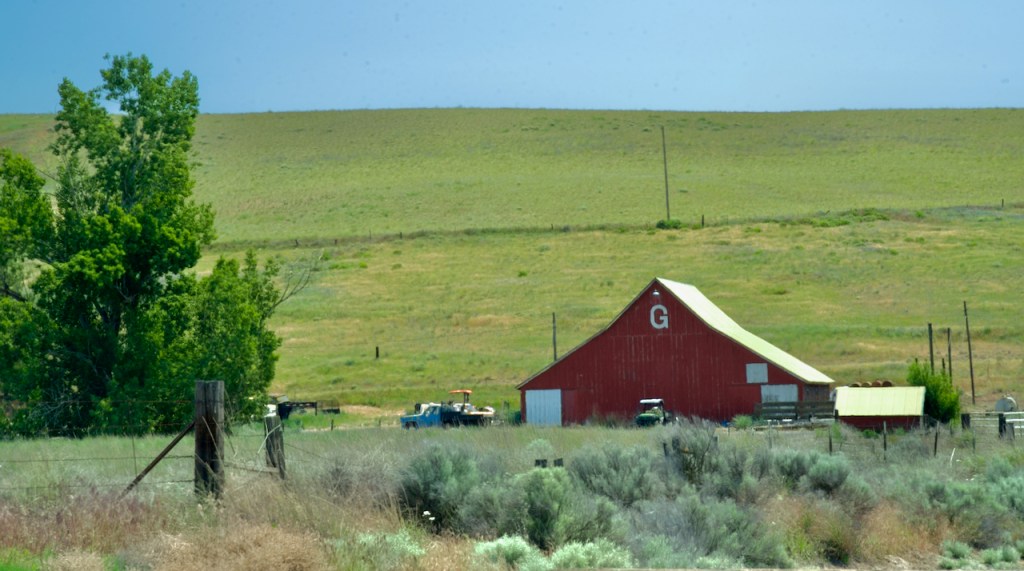
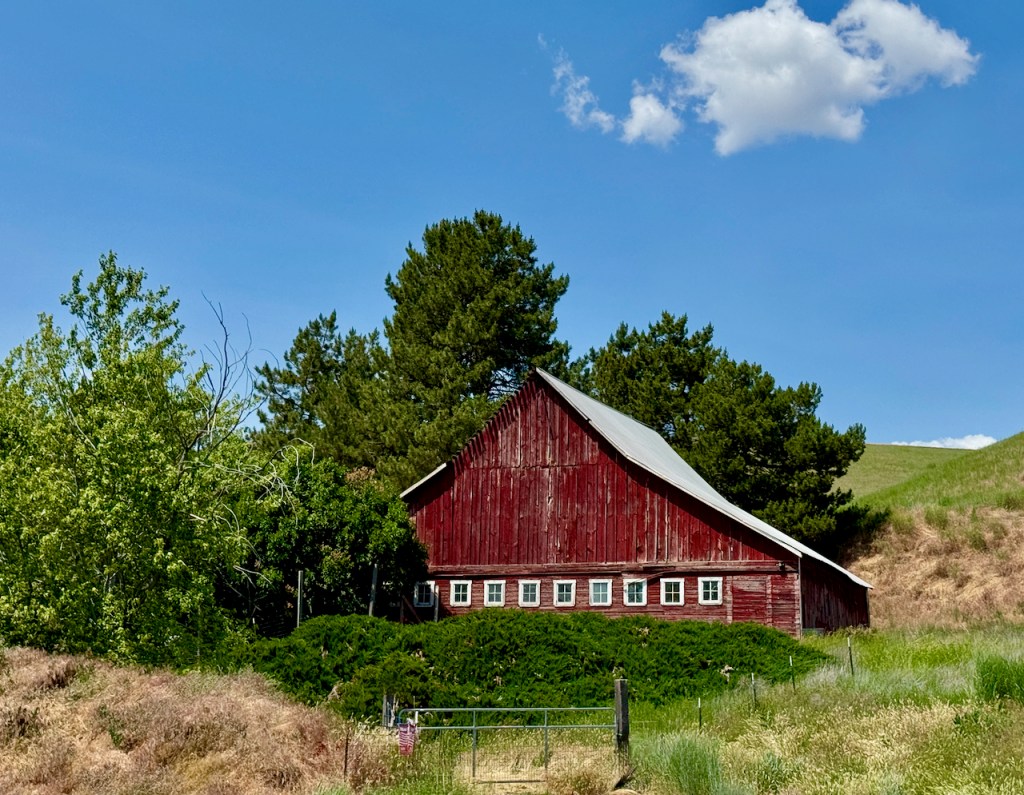

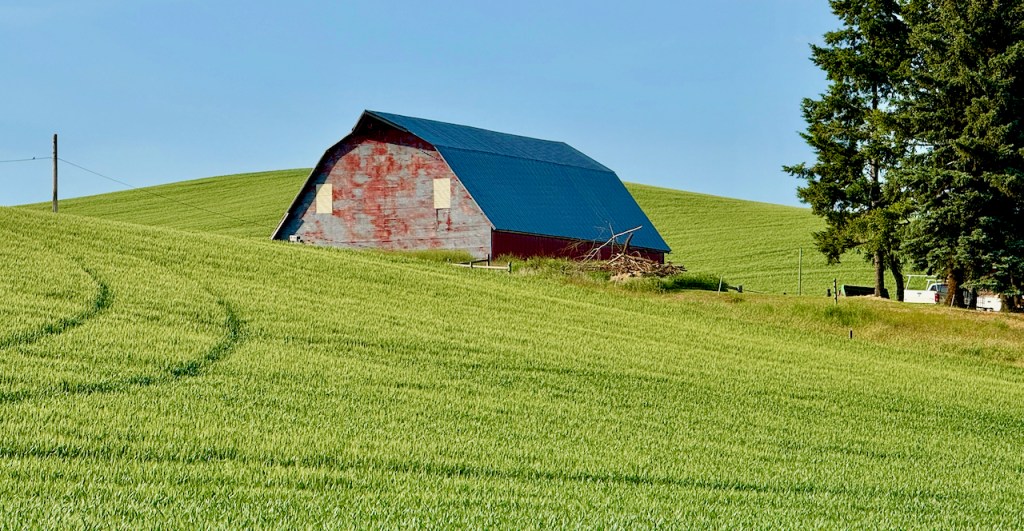
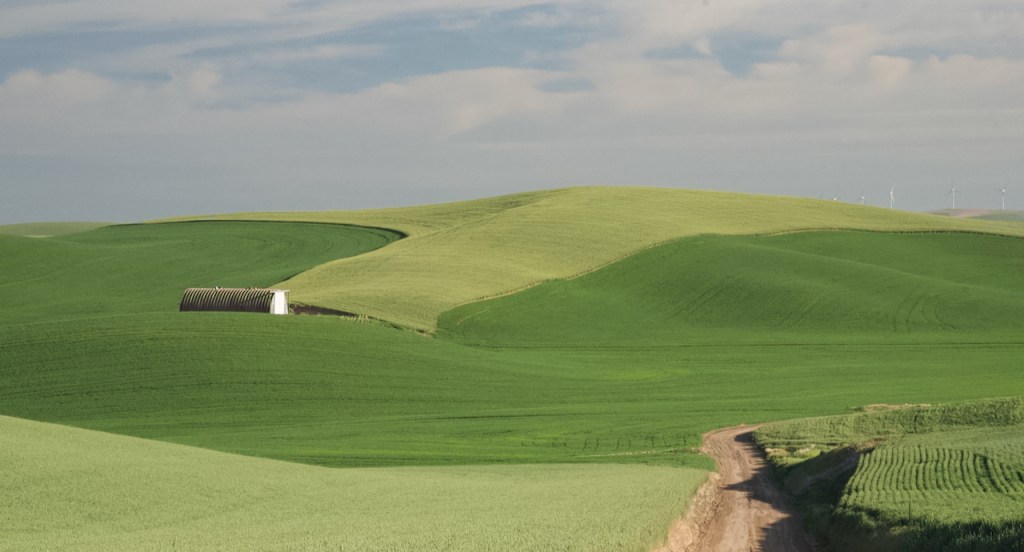
This gives an early idea of the rolling hills landscape.
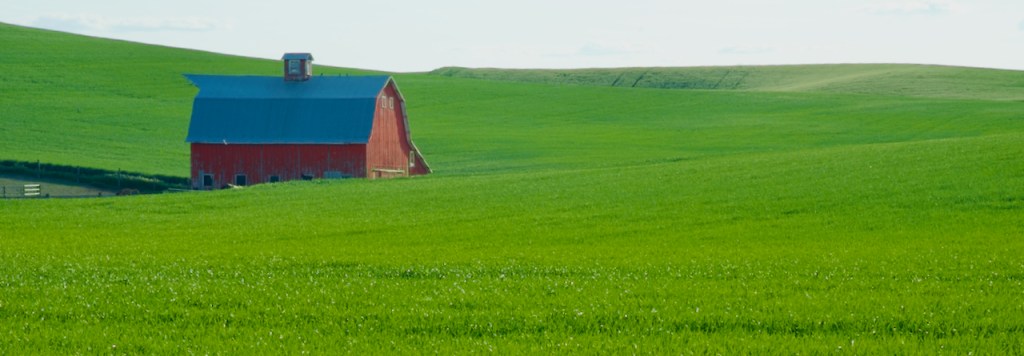


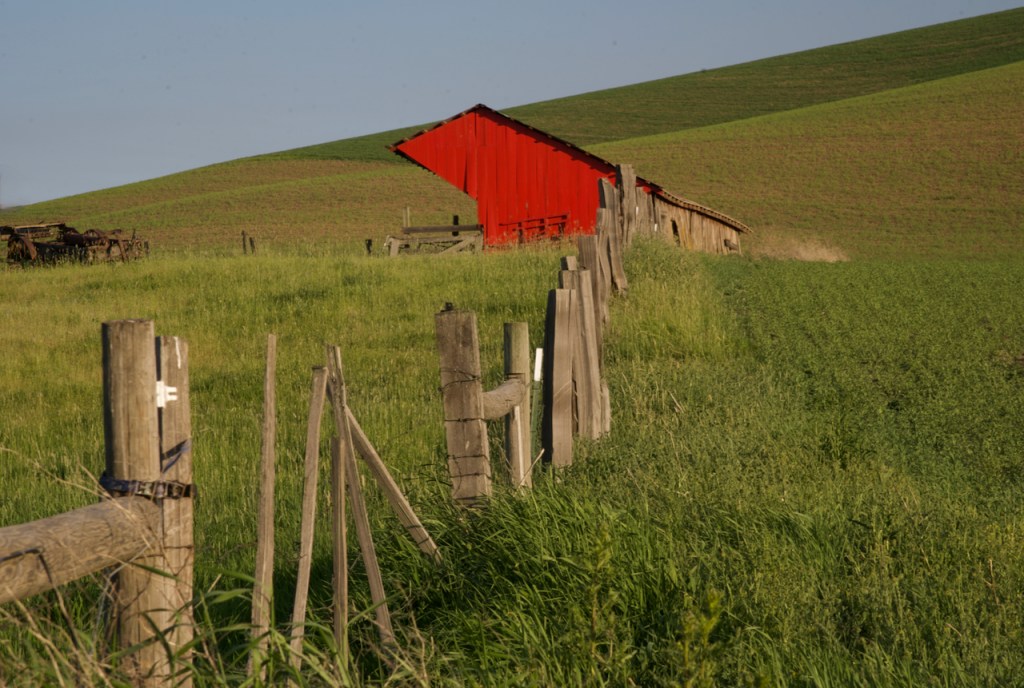
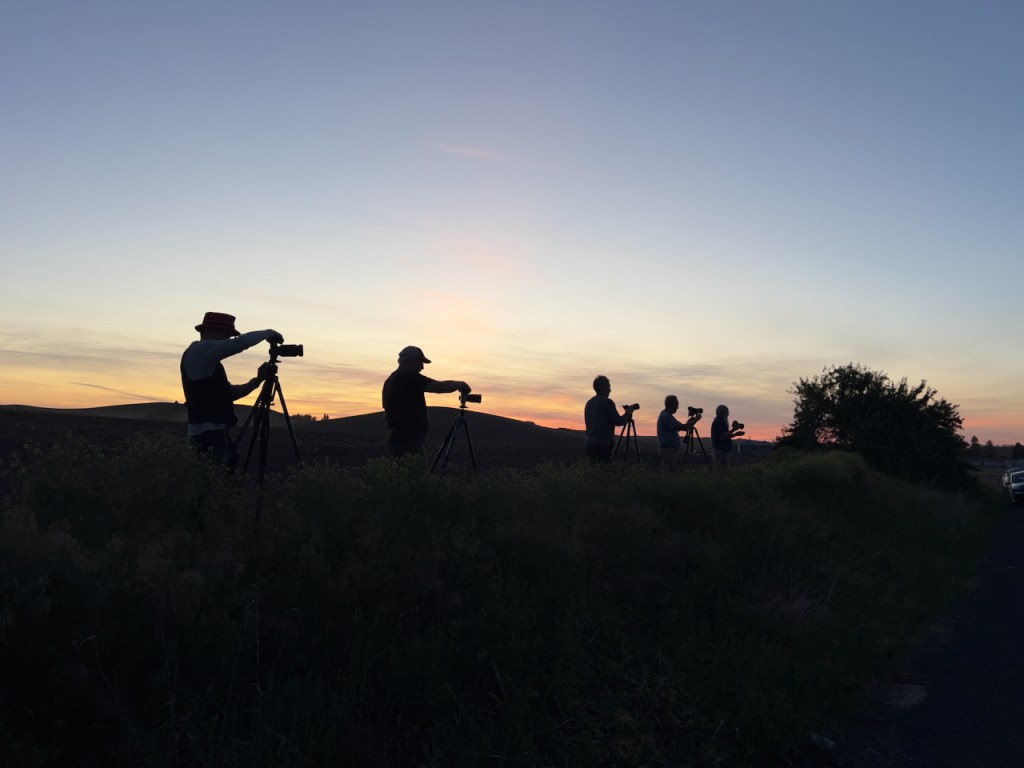
The Phoenix Camera Club traveled to the Palouse on a field trip led by Mark Laverman. One requirement was to get up for sunrise at 5:00 AM, which meant for me to get up at 3:15 to meet the group by 4:00 for three days in a row. The early morning or early evening light is the best for photography. The first morning was kind of a bust as the sunrise was obscured by clouds. And also the barn that was selected did not have the desired foreground or background.
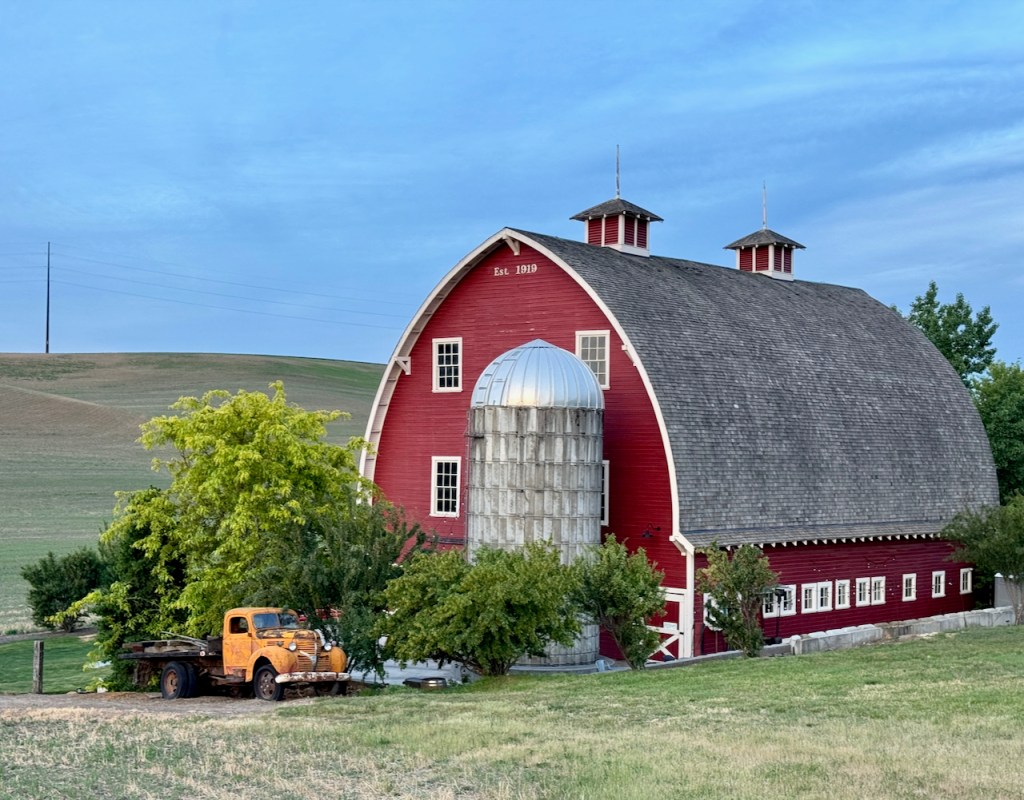
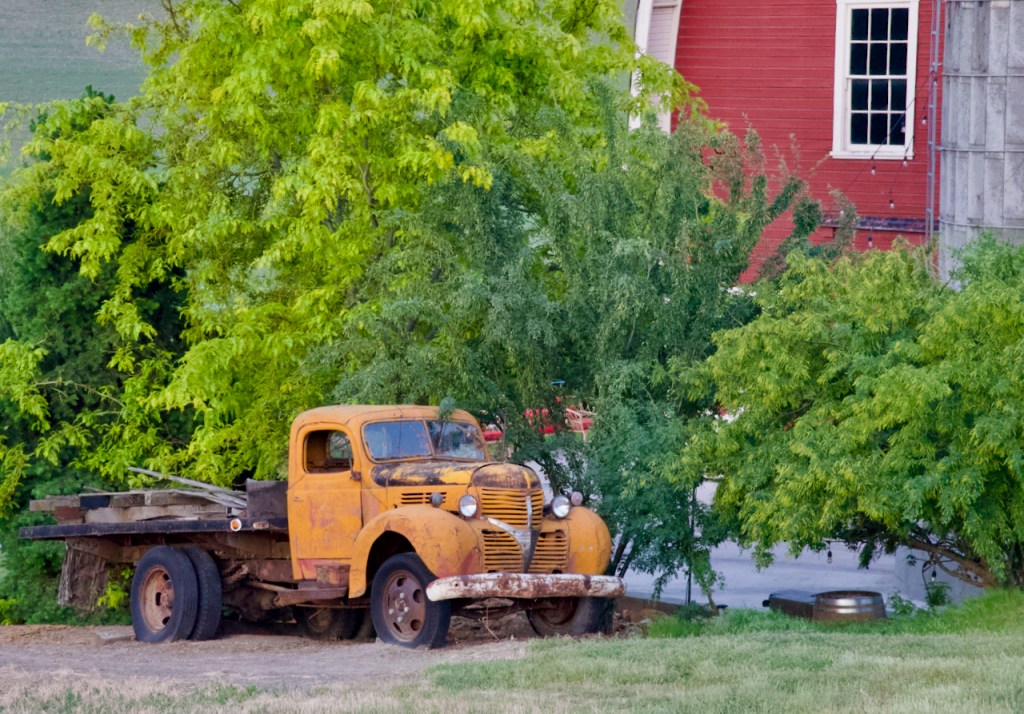
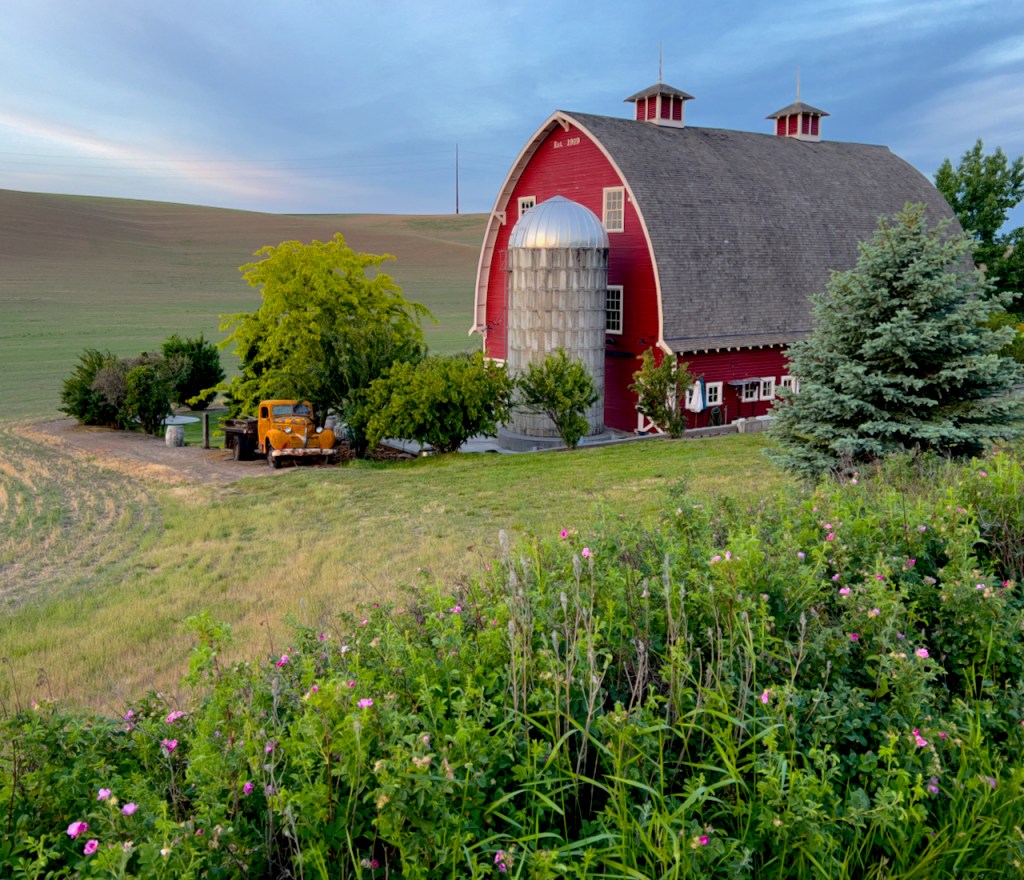
We continued on to other places.

The round barn is interesting, but we could not get very close to it.
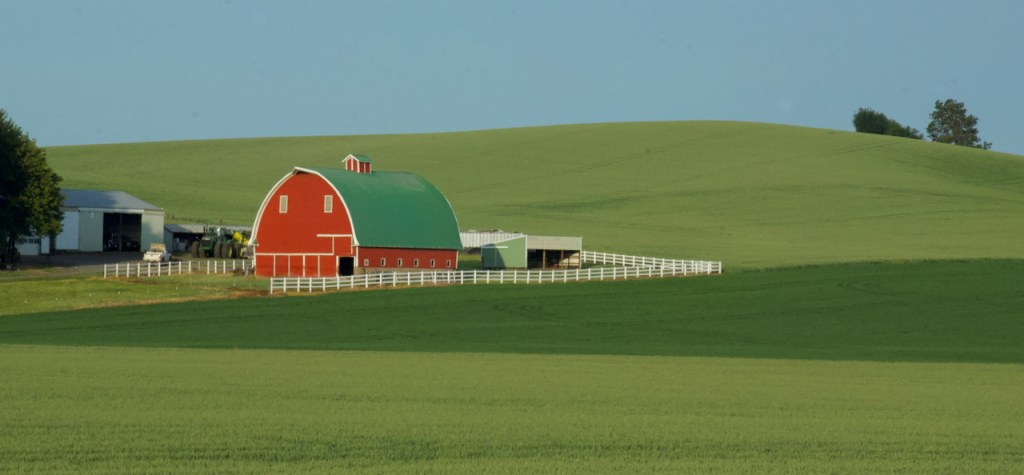
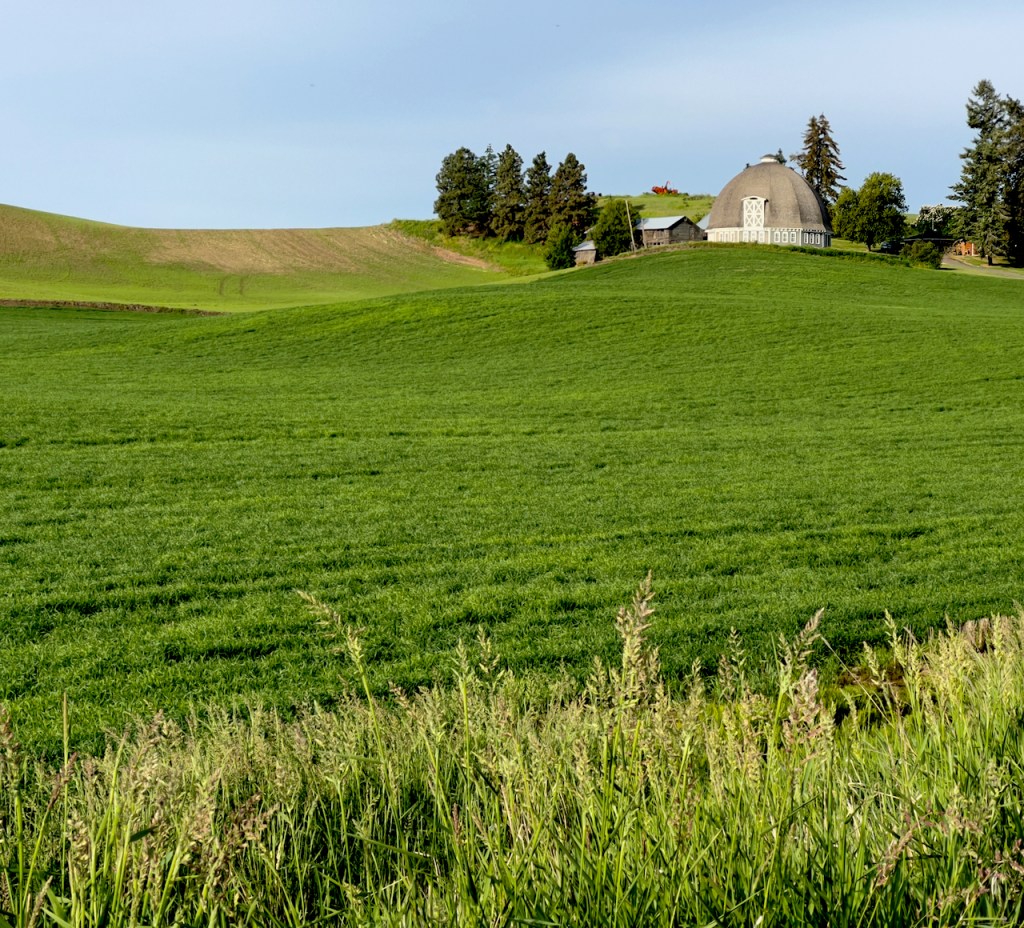

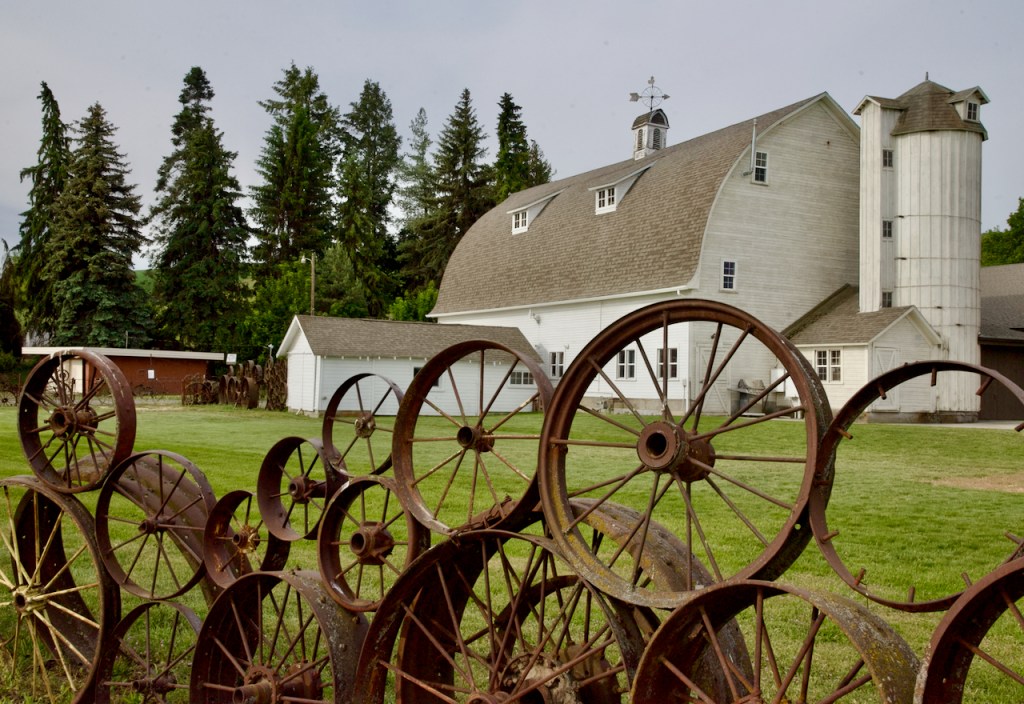
The Dahmen Barn with its welded wagon wheel fence in Uniontown is a must see tourist attraction.

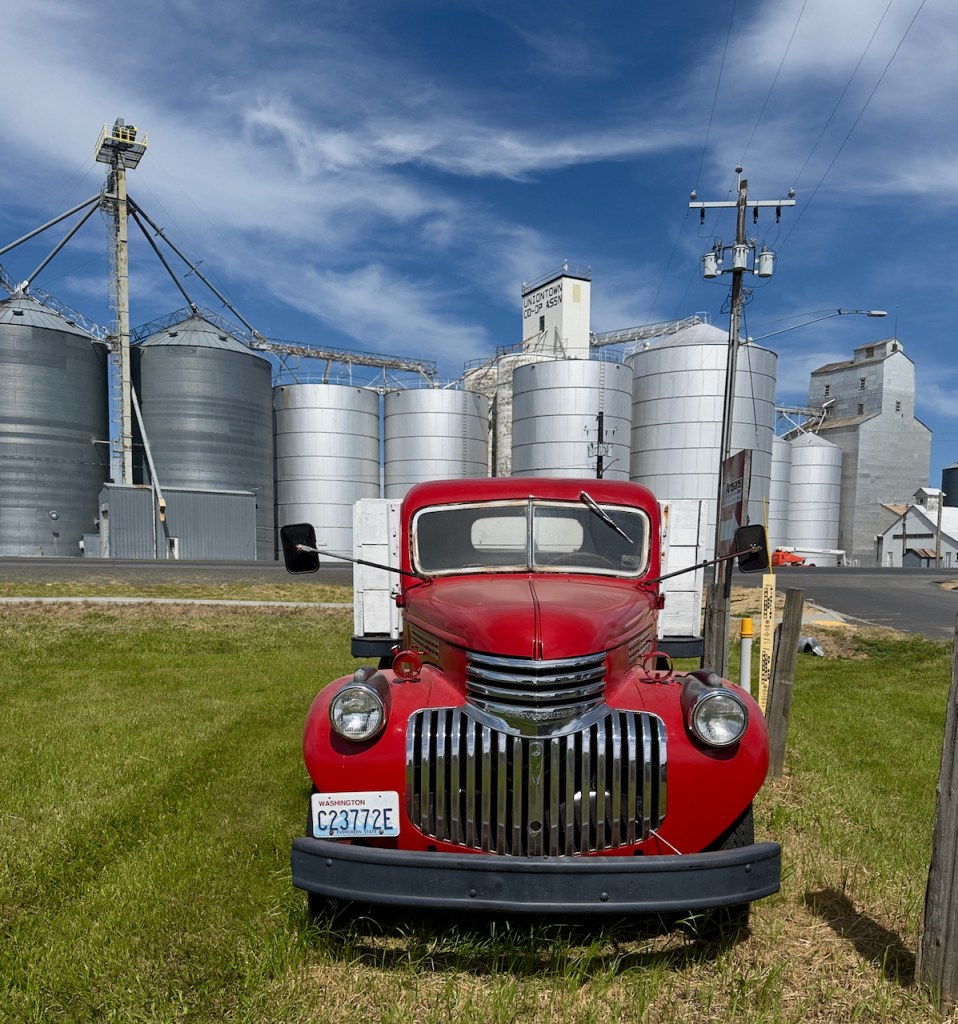
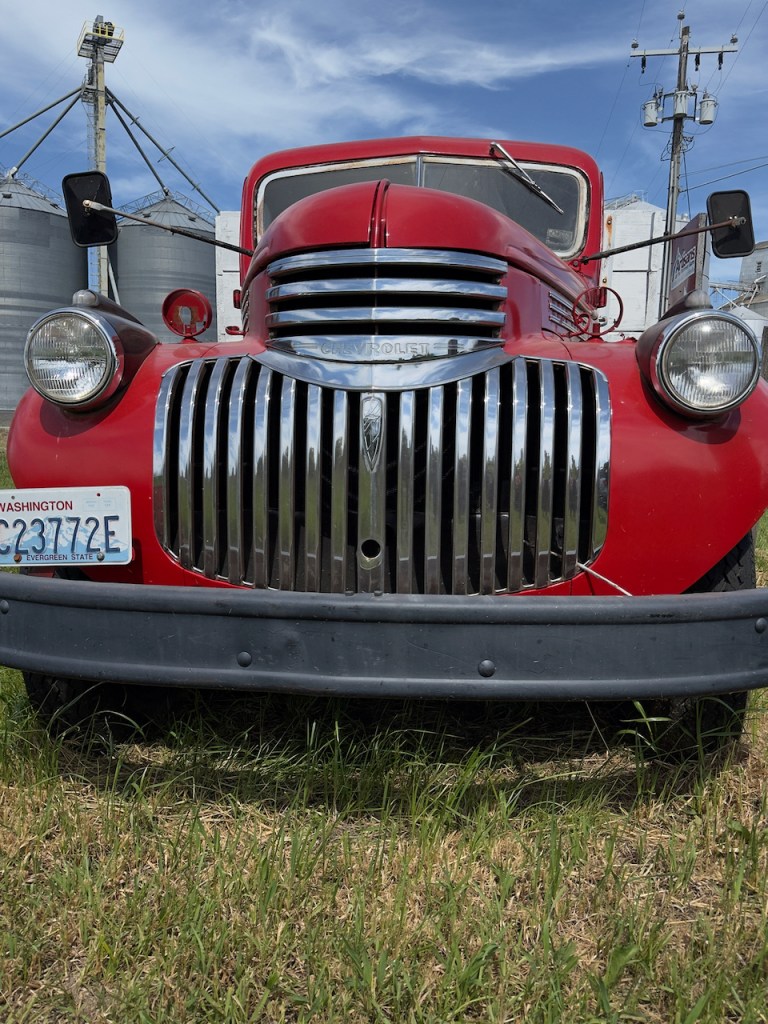
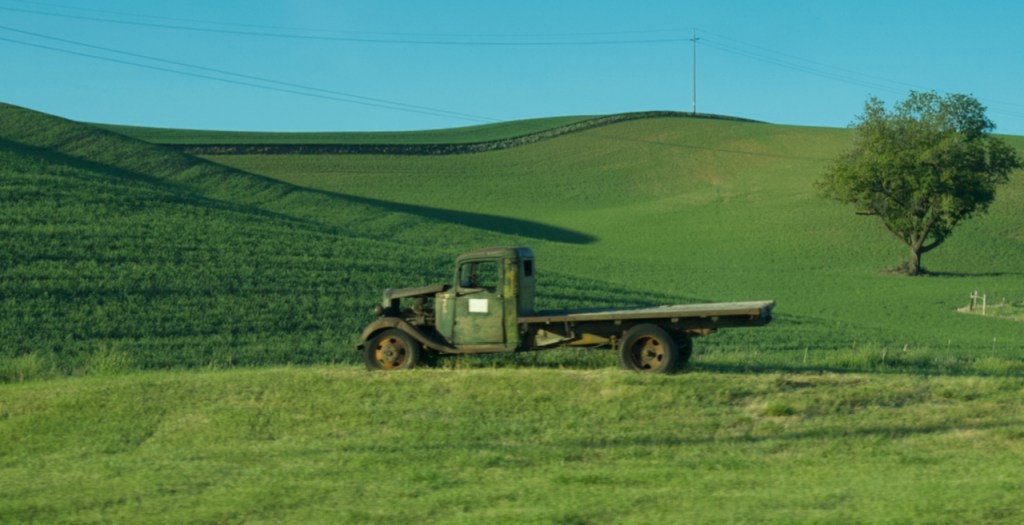
At the entrance is an old GMC red truck with the huge granaries in the background.
Nearby is this red barn.

After a nap, I went west a little ways to find the Erickson Barn, another round barn, and an old granary.


In the late afternoon we went out again in search of photo ops.


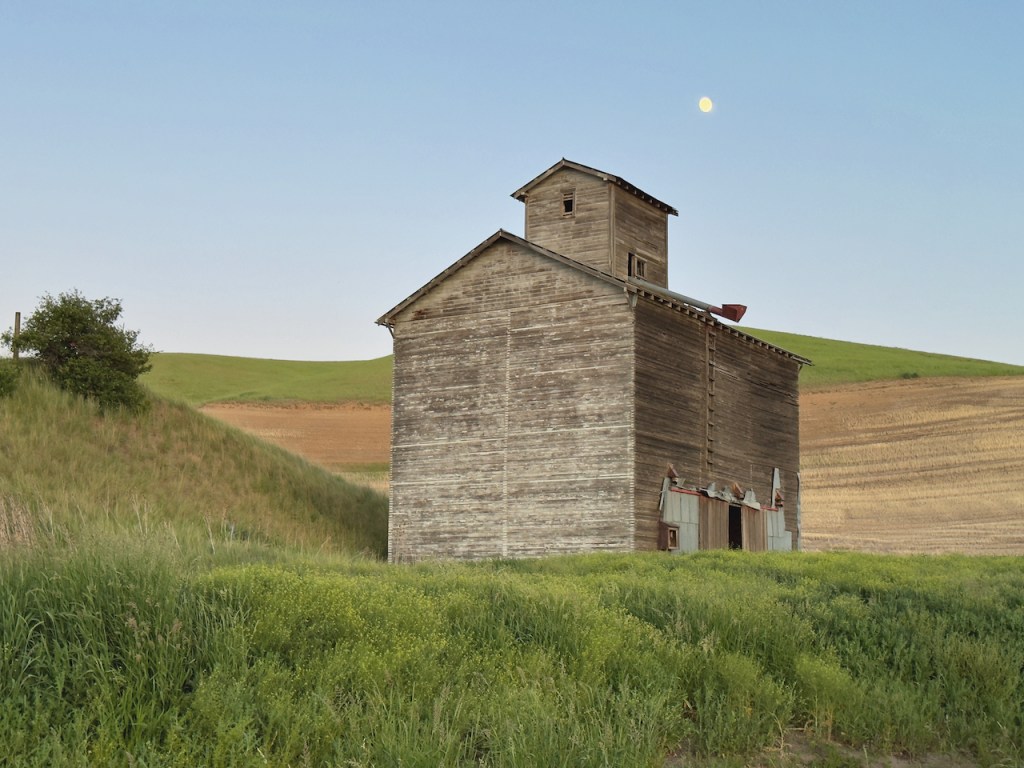
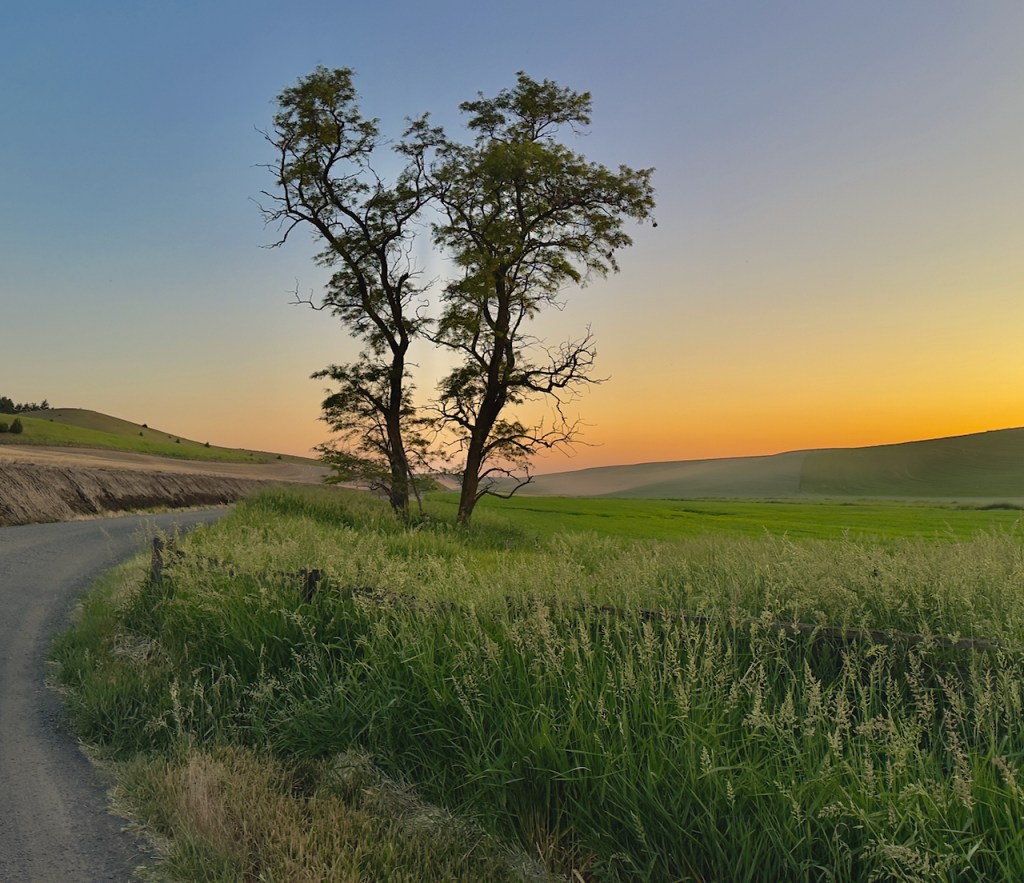
The sunset location is by an old granary, but the primary colors were in the opposite direction.
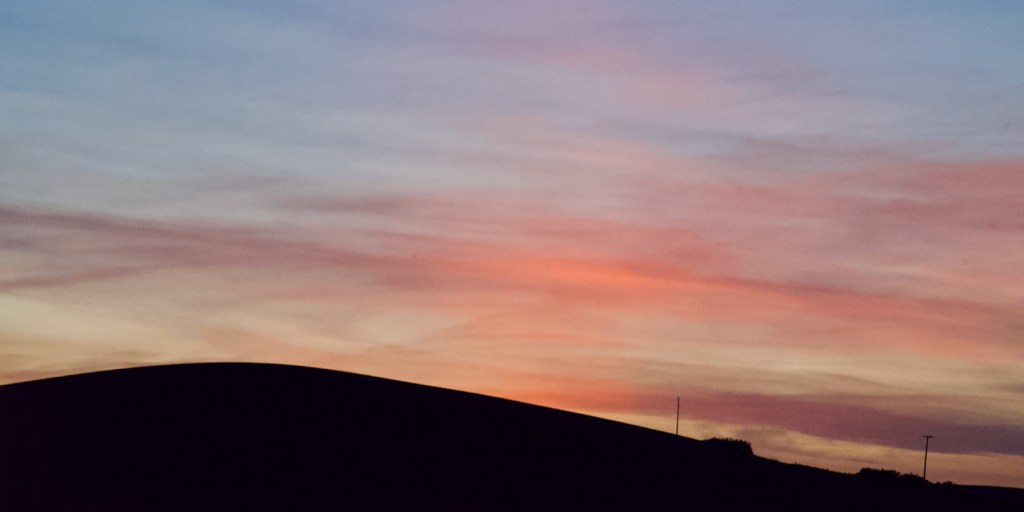
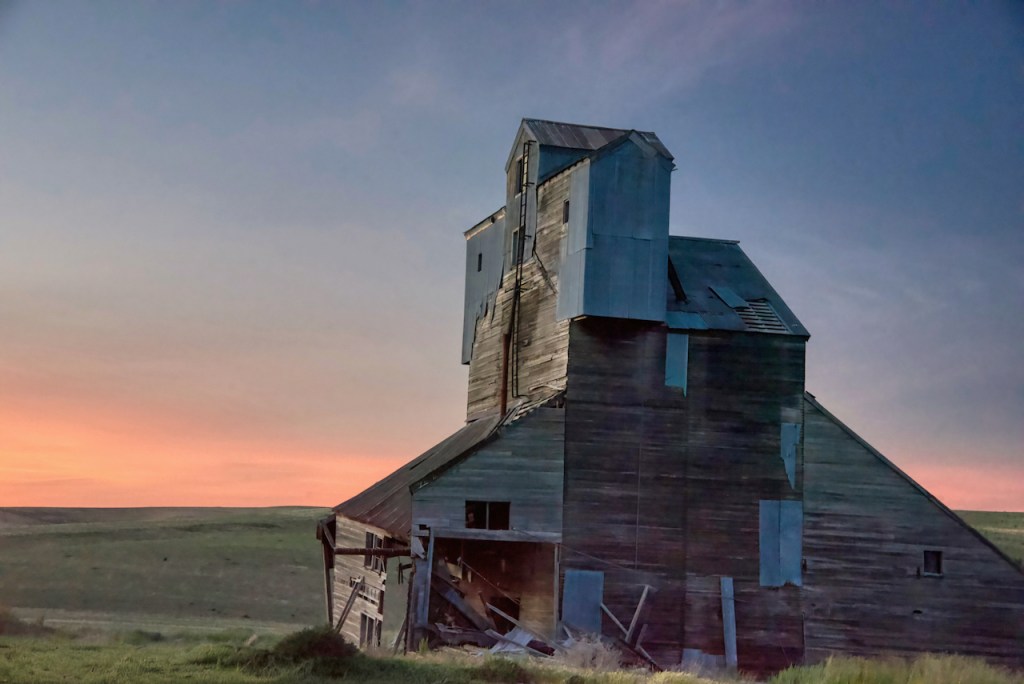
The following morning we finally had a wonderful sunrise.
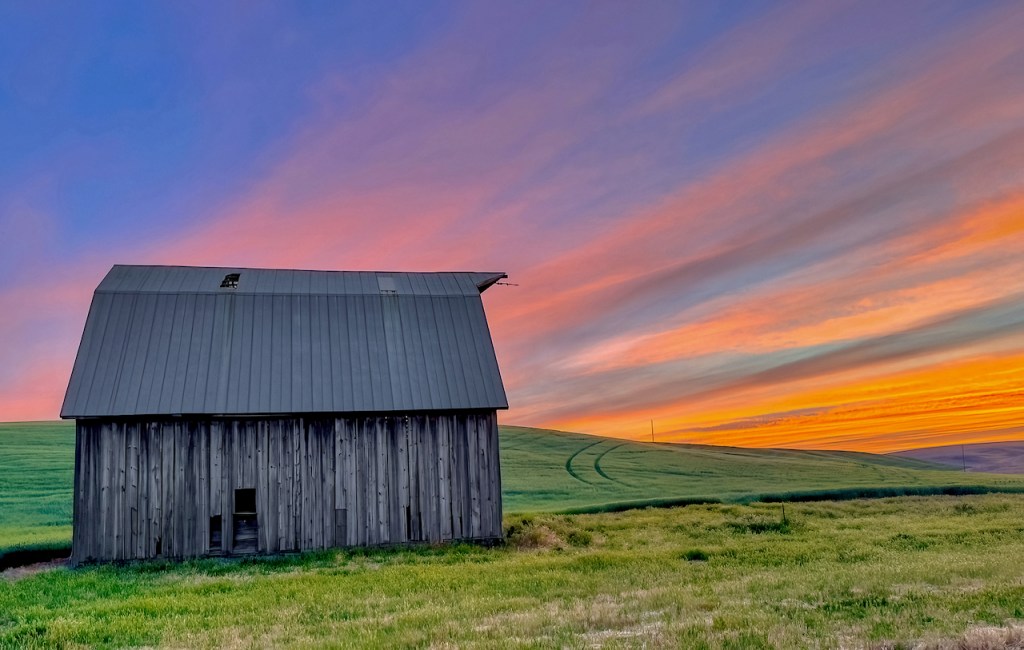
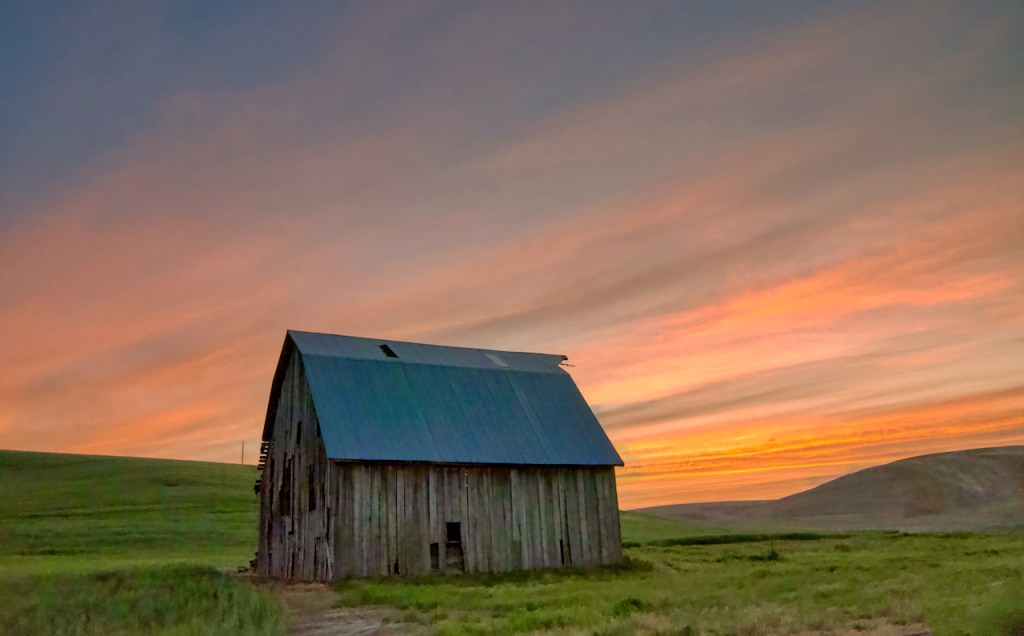
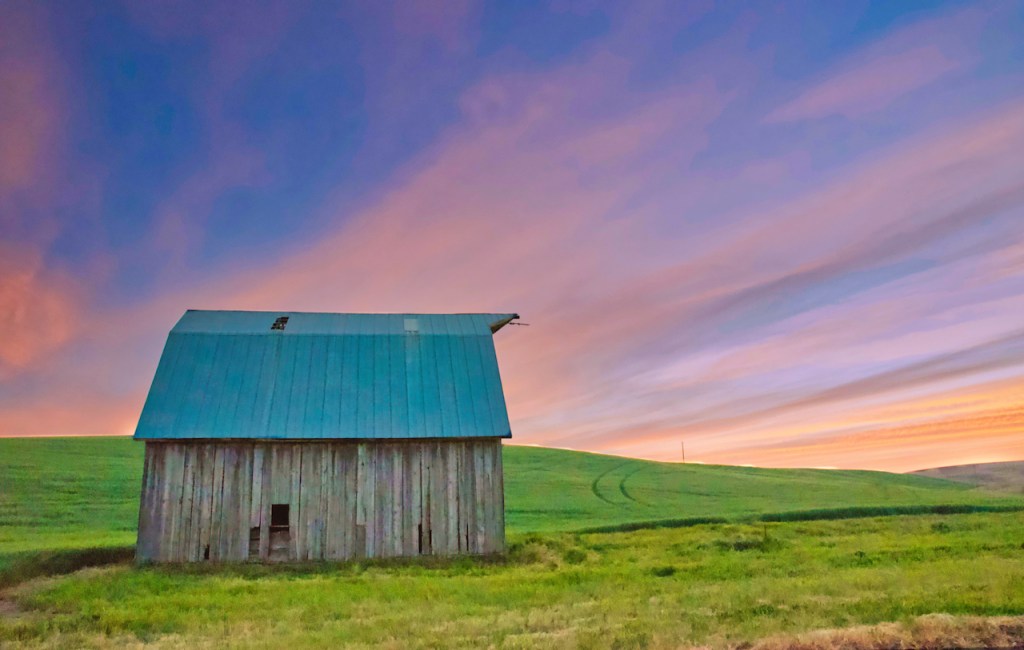
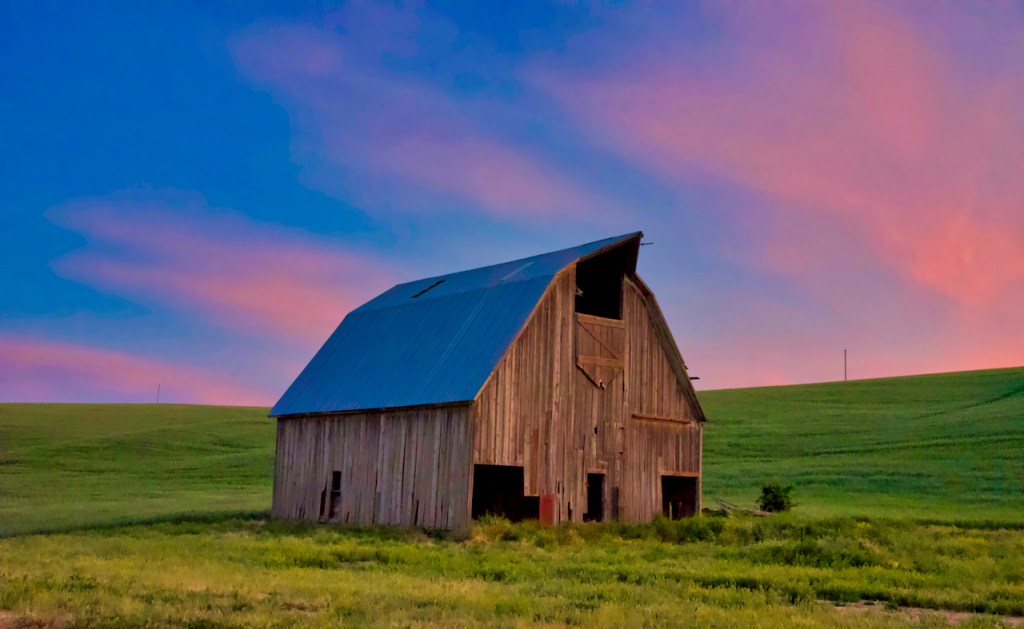




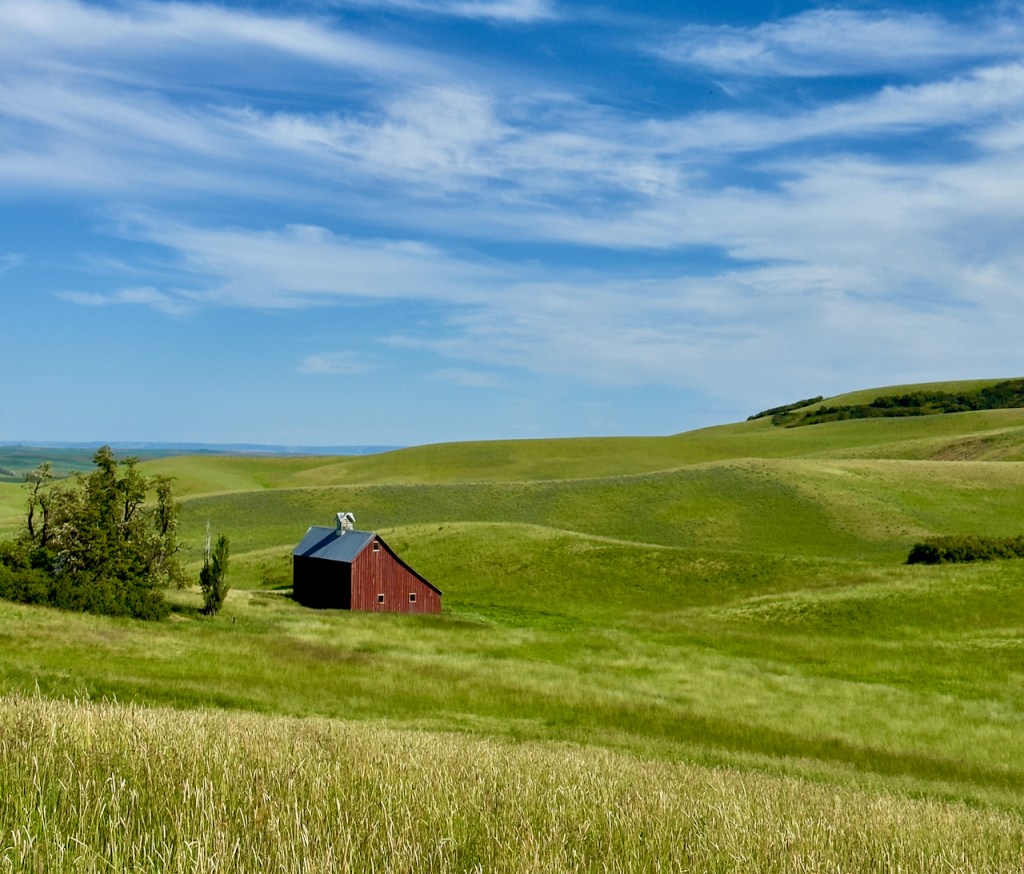
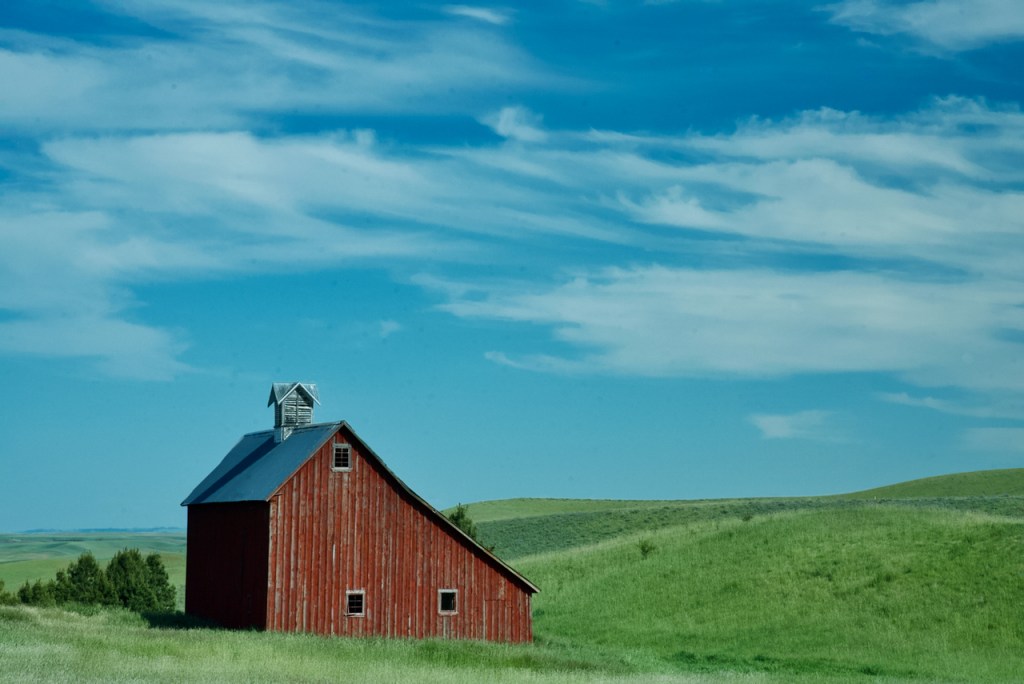
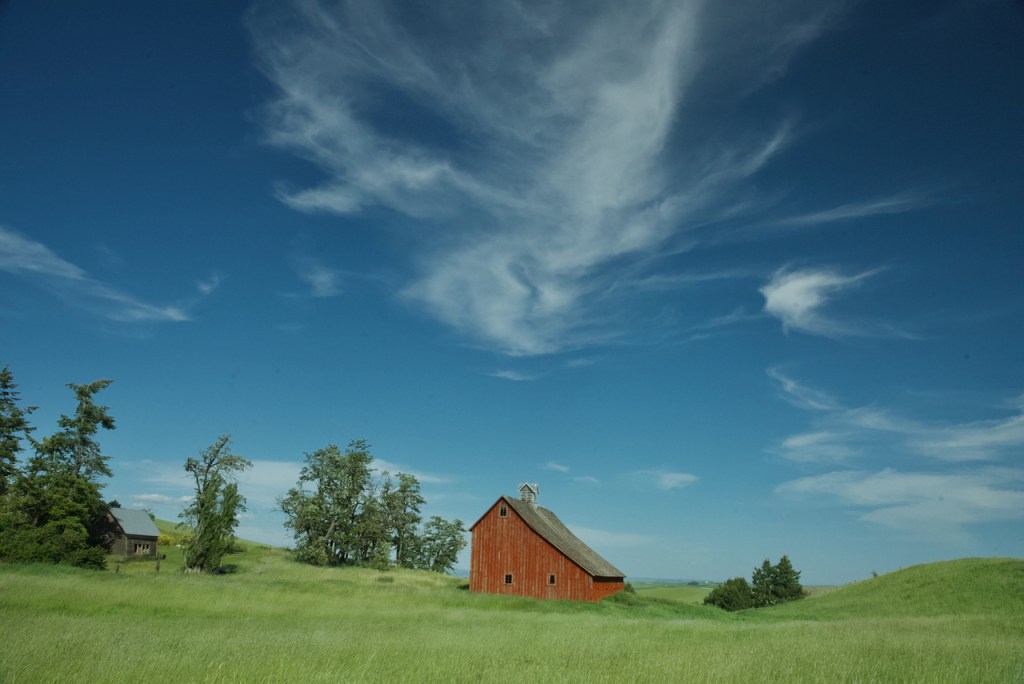
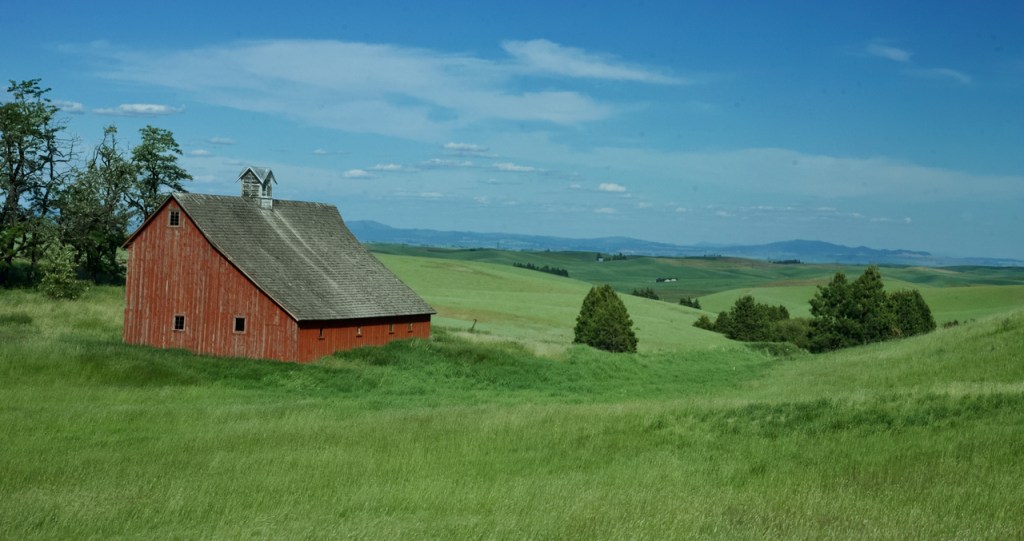
Over the border into Idaho we found the red saltbox type barn and spent quite a bit of time there and the clouds cooperated nicely.

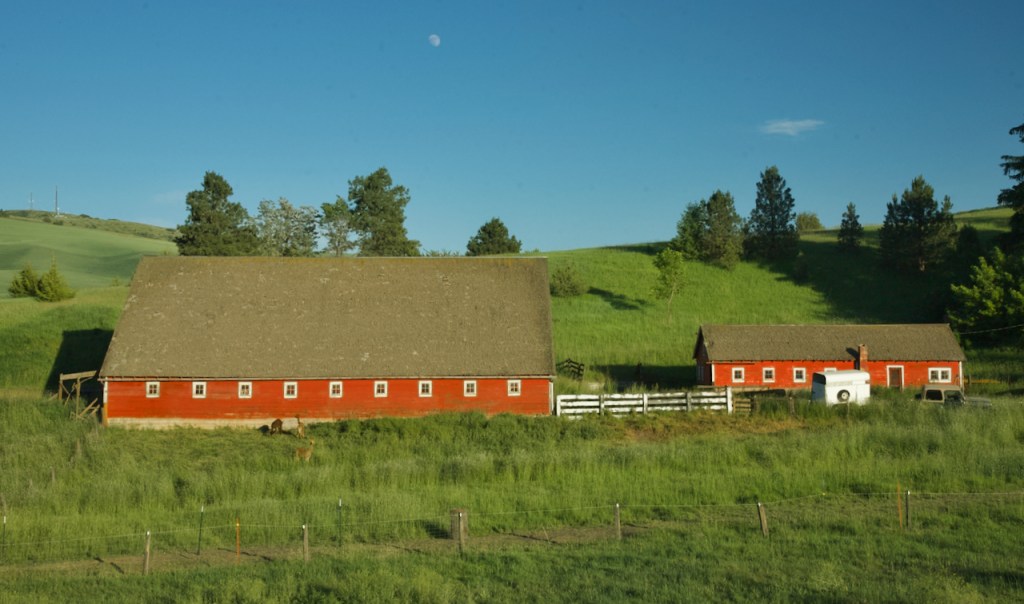
Sunset was not very good by an old granary.

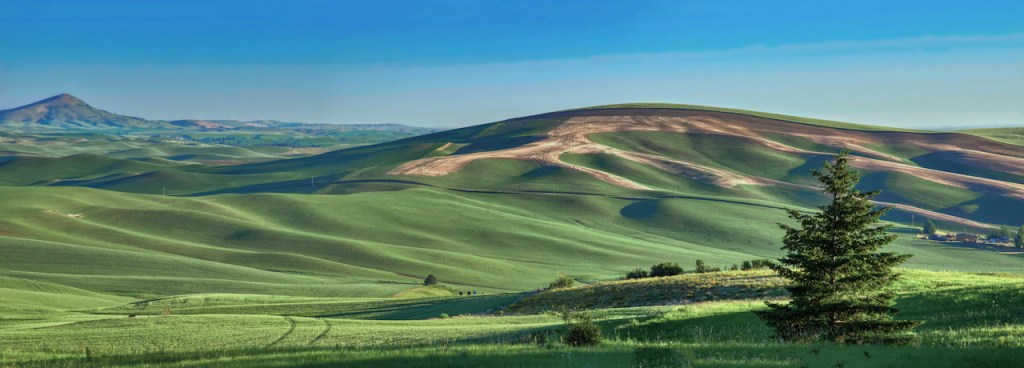
The last morning sunrise, although no clouds, did result in a series of photos which really show the full panoramas of the Palouse from a high point. The preferred high point is the hill off in the distance, Steptoe Butte, but the road is closed all summer.

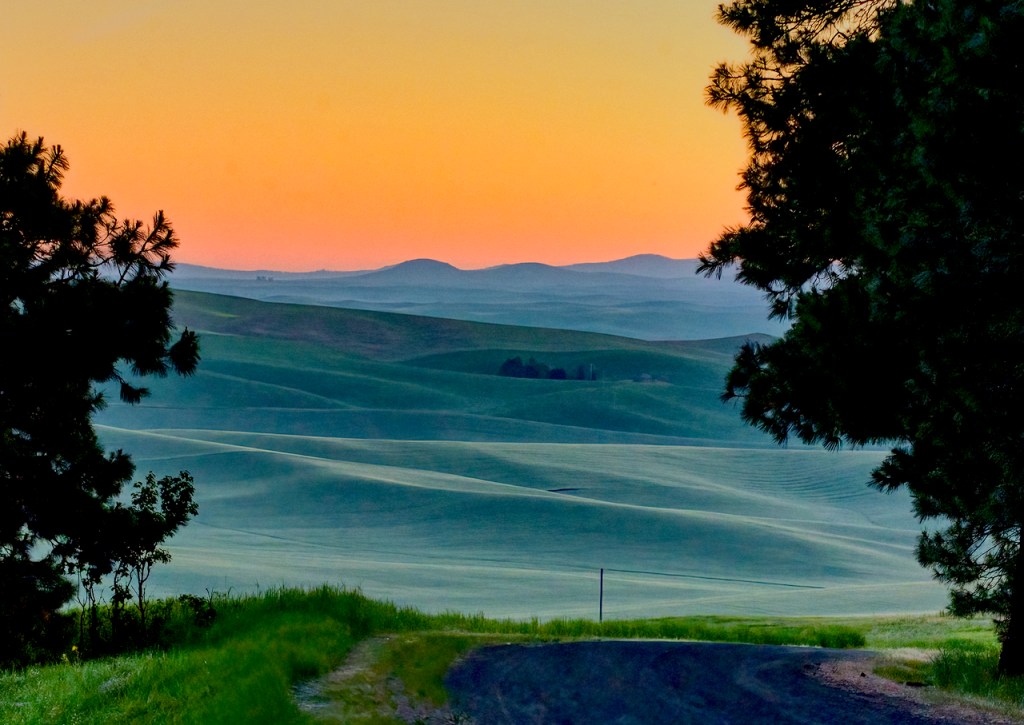
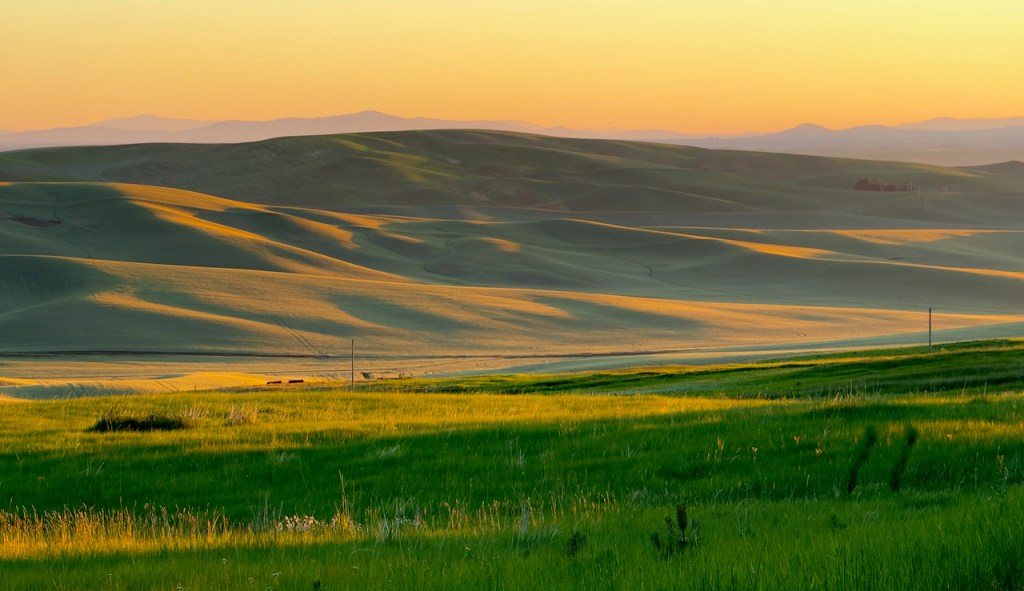
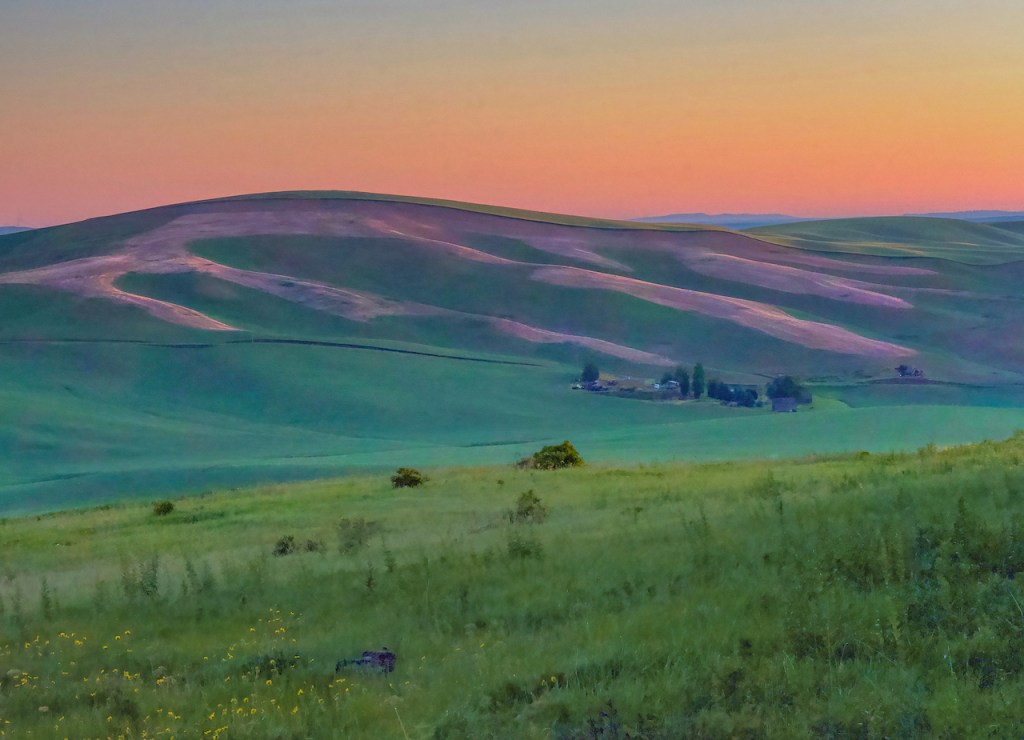
As the sun rose the high points of the landscape lit up and the valleys stayed in shadow.
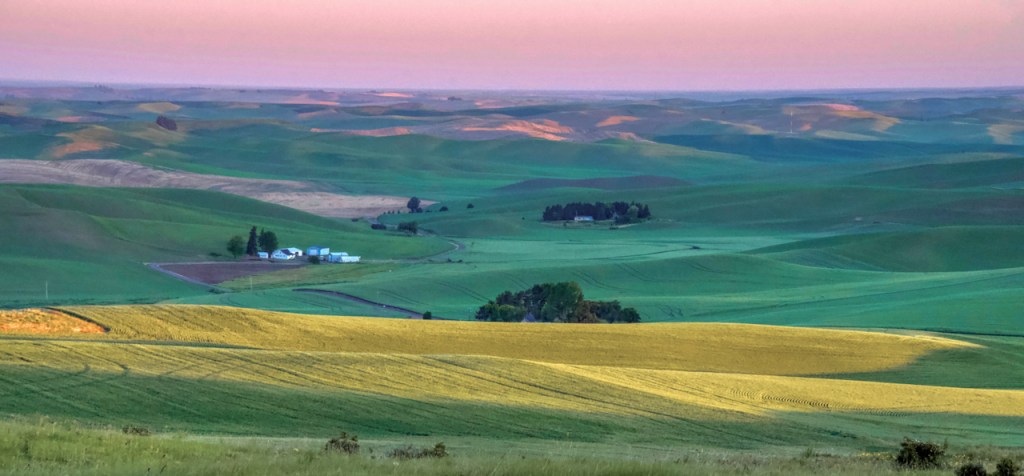


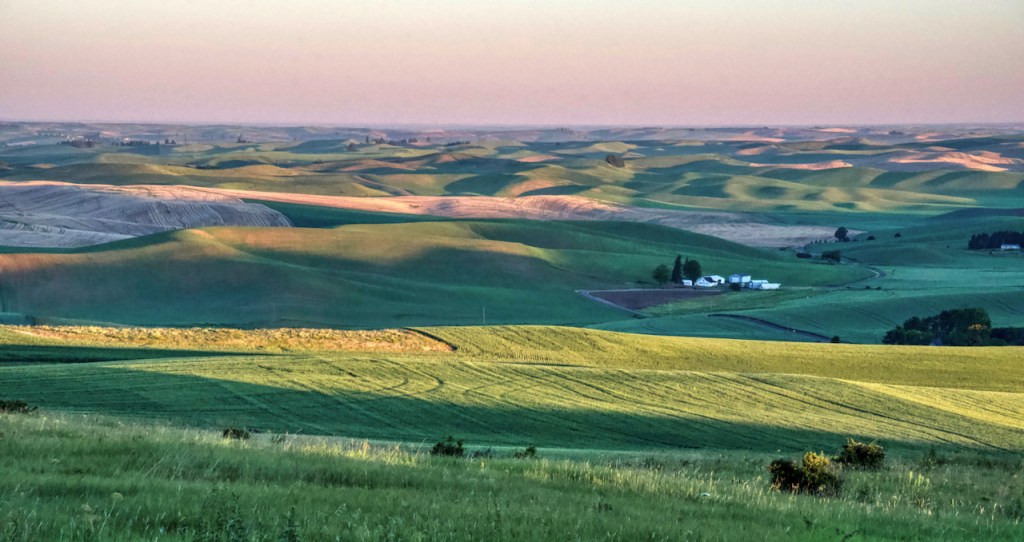
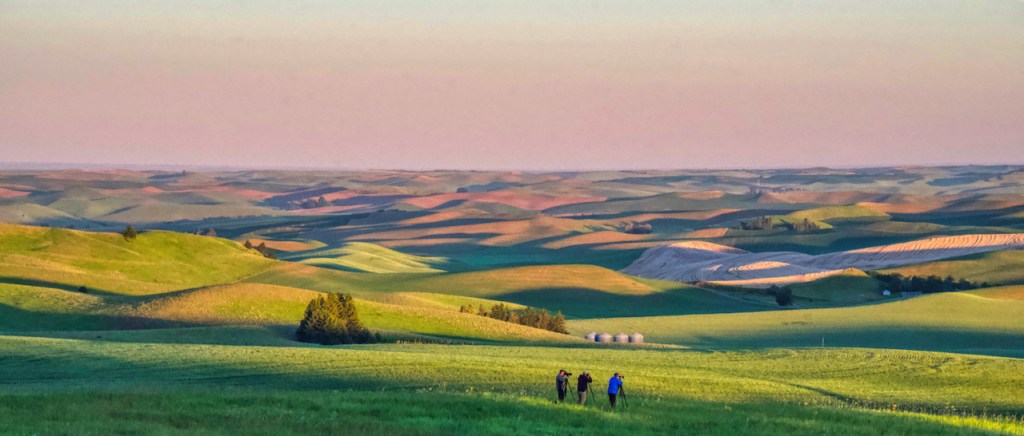
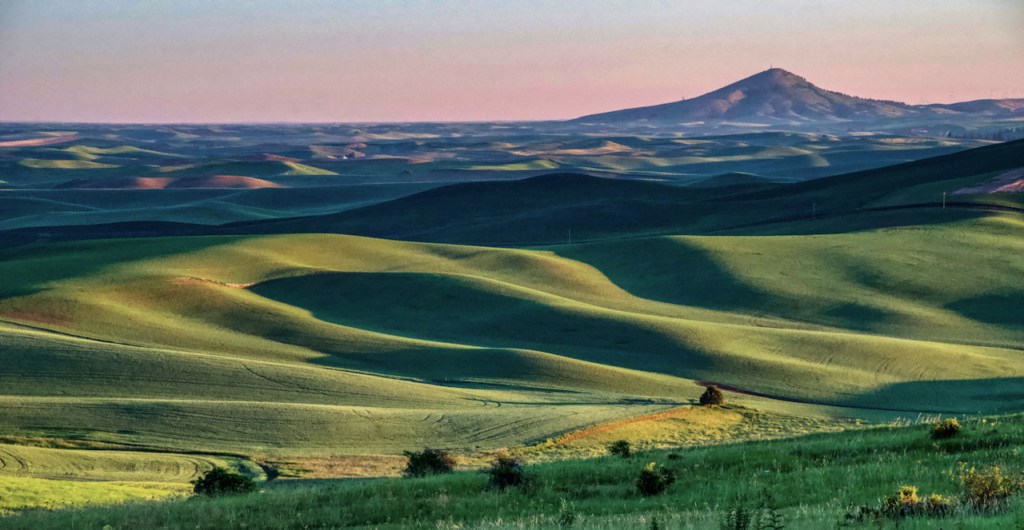


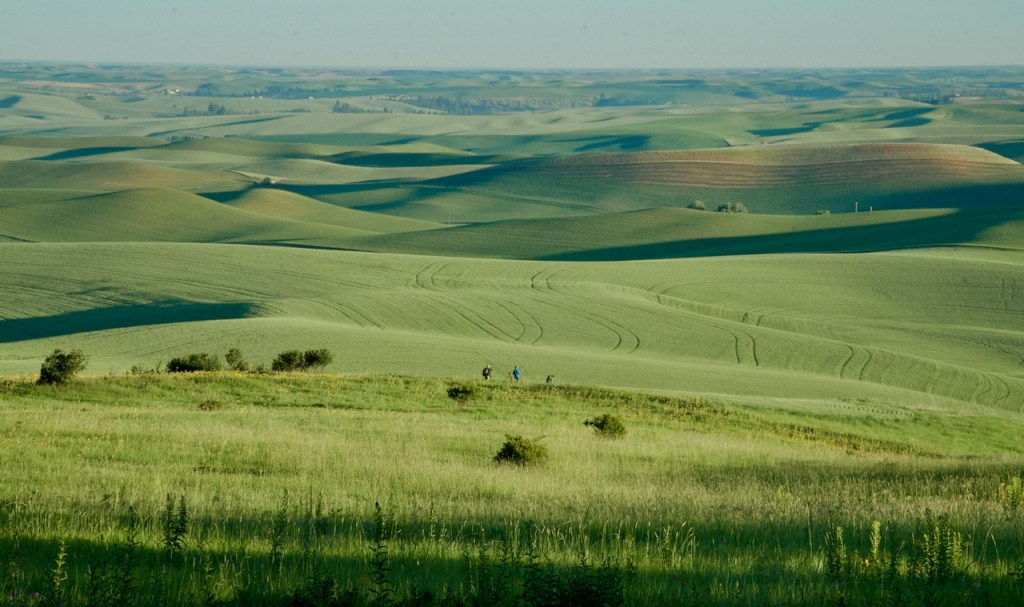


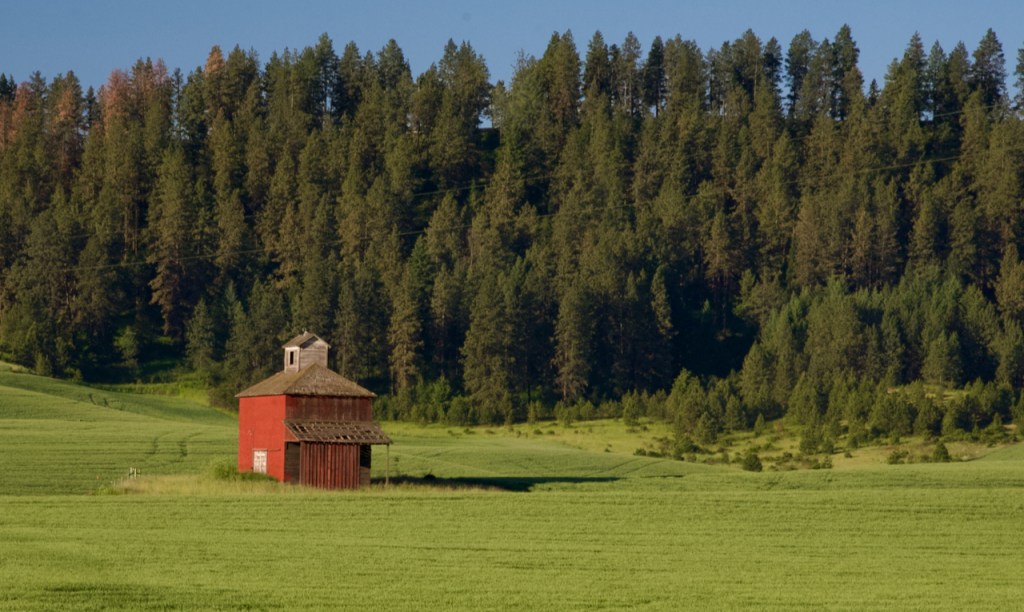
We found a couple more barns in the morning light.
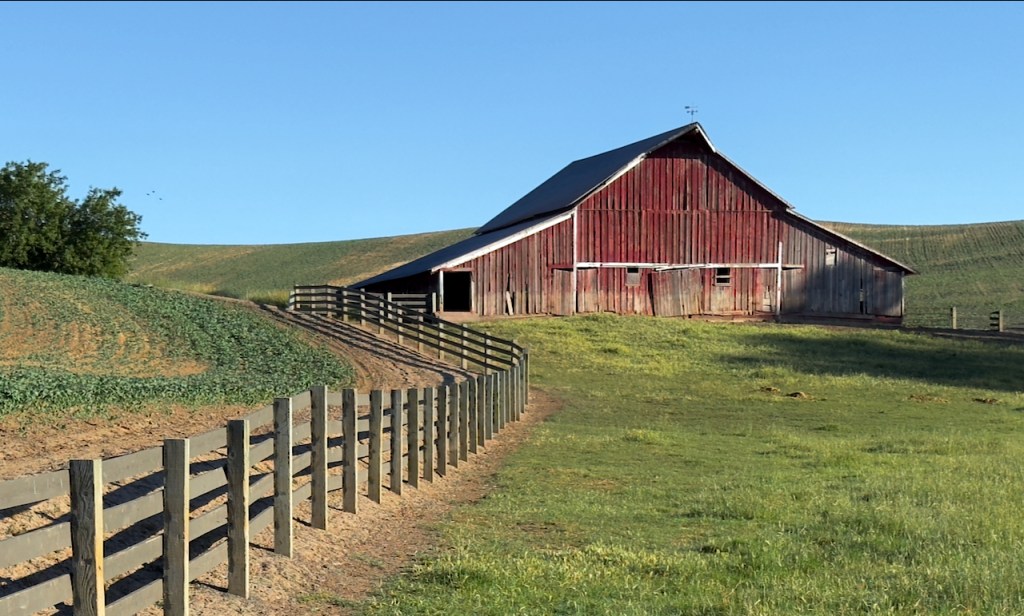
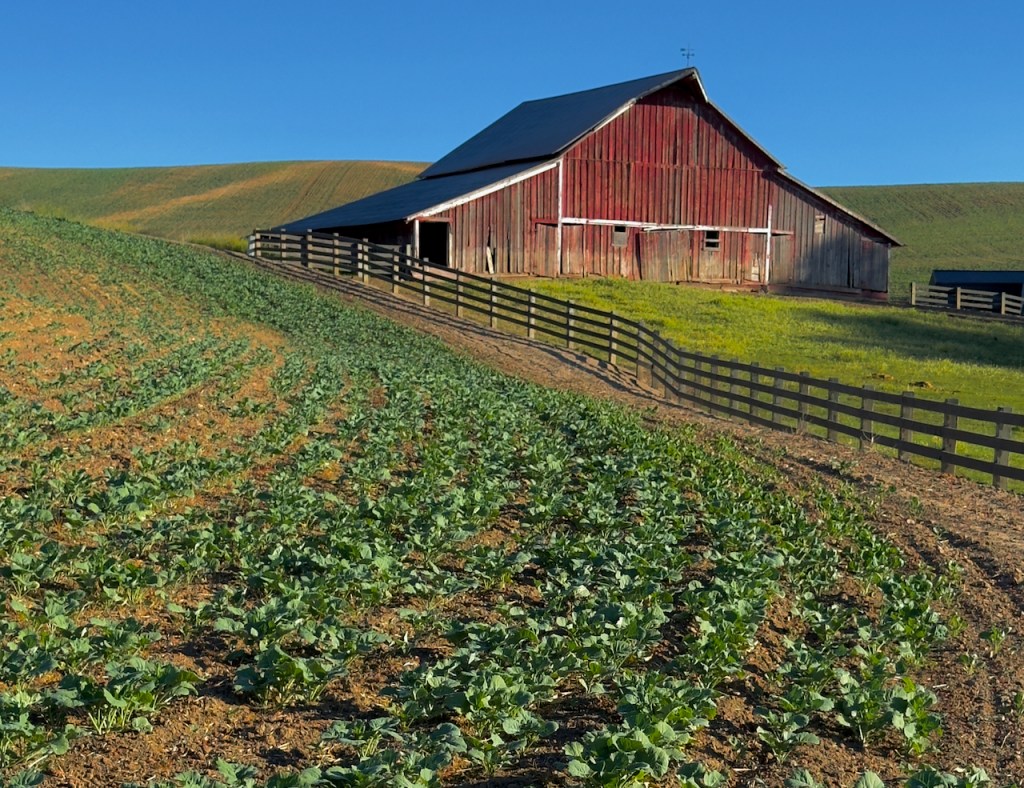
One type of crop that we did not see much of (maybe we were too early) is canola fields with the bright yellow flowers. The small plants are on the left side of the barn and appear to be in the Brassica plant family as is mustard, broccoli, Brussels sprouts. “Canola oil comes from the seeds of the canola plant, one of the most widely grown crops in Canada. Canola plants produce beautiful small yellow flowers which develop into pods, resembling pea pods. Each pod contains tiny black seeds, made up of about 45% oil. Once harvested, canola seeds are crushed to release the oil contained within the seed. The oil is then further refined and bottled as canola oil.”
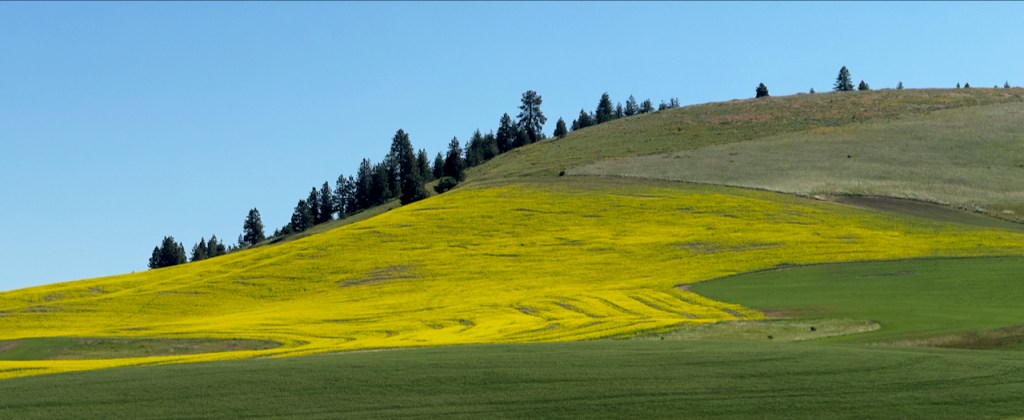

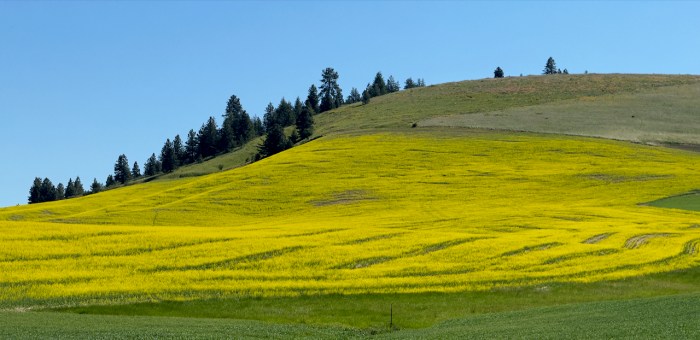
I hope that you have enjoyed the photos from the Palouse as this was my second time in the area. If you want to view the 2021 trip to the Palouse click here.This ends the trip north to Spokane. Stayed tuned for the return trip south through mountains and the sea coast of Oregon.


 Ophardt Photos
Charles, did you send this to Barbara Beer?
Gary
Thx,
Gary Vargo
gsvargo@hotmail.com
814-434-9331
Thought she was a subscriber but I will send it. What do you think of the photos?
>
Charles,
Beautiful photos. Growing up in Iowa & then living in southern Minnesota, I am very partial to farmland, farmsteads, & their barns. Also love the sky in the background, especially clouds!
Thanks for sharing,
Diane
Beautiful scenery and stunning colors. I love the barns that have quilt blocks painted on them. I have done some quilting and my mom was an avid quilter.