May 12 -17, 2025
The family traveled to Portland, Maine for the graduation ceremony of Allison with honors from the Maine College of Art and Design.

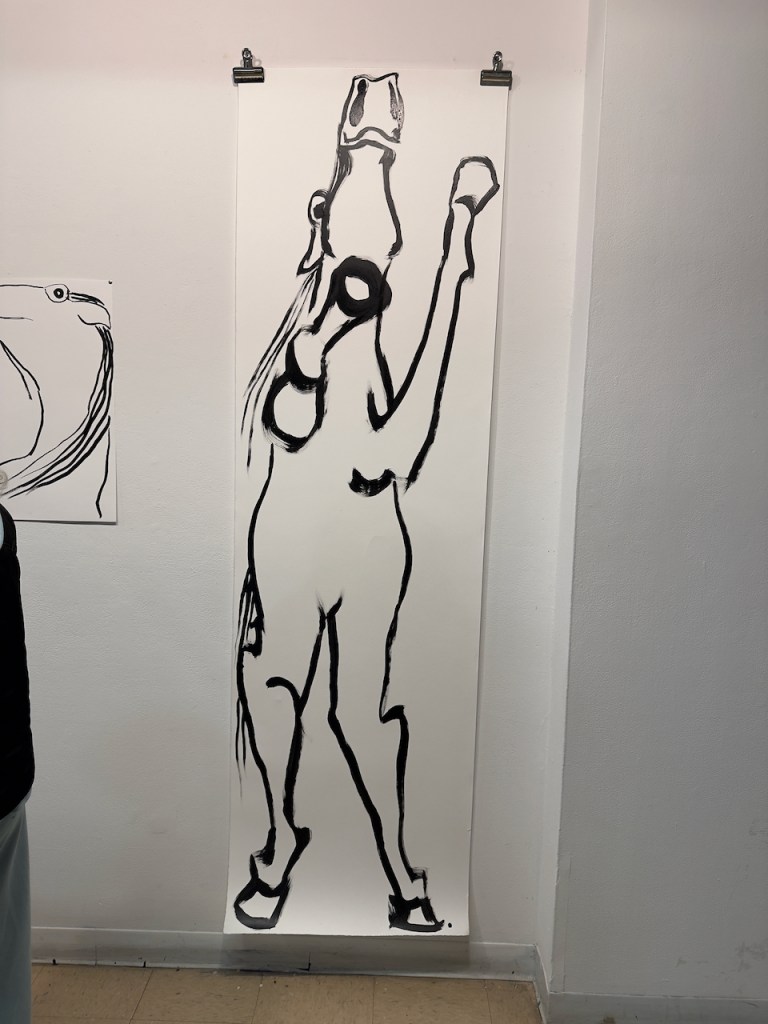
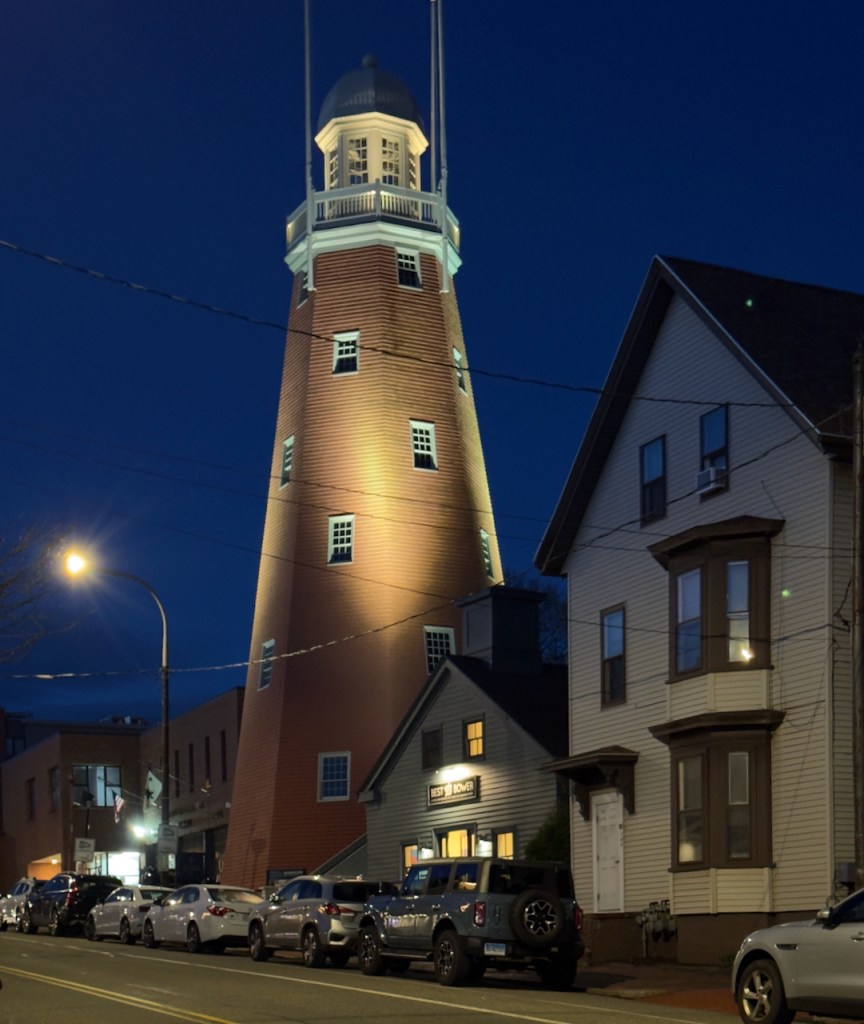
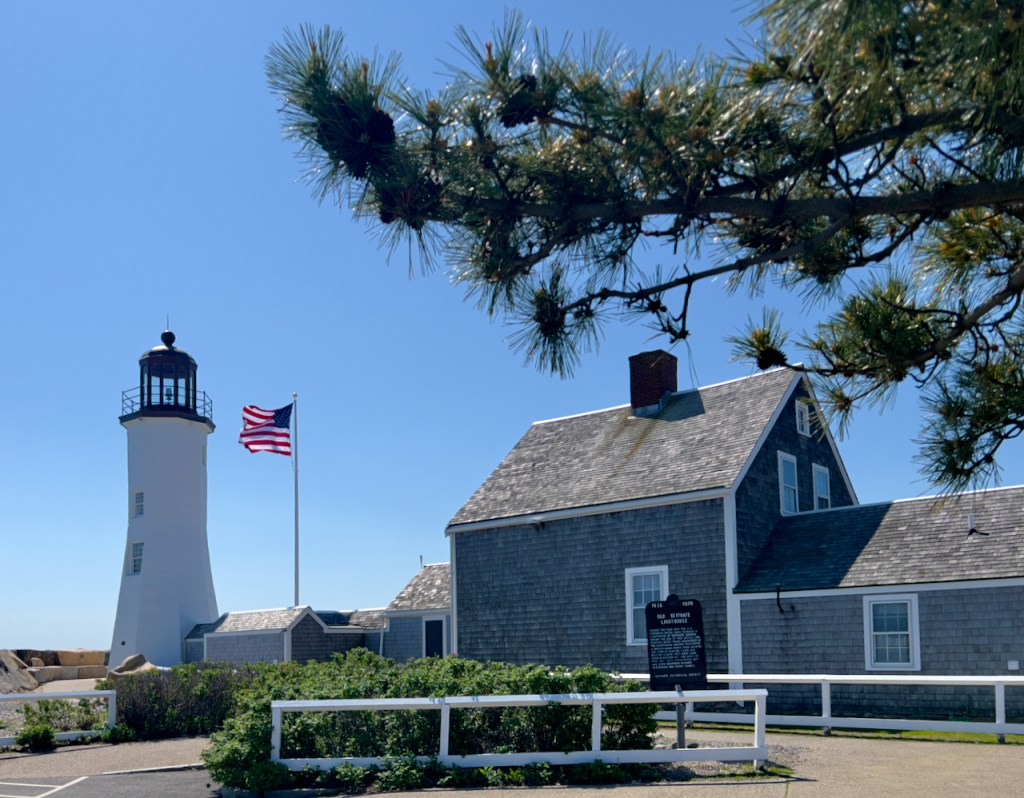
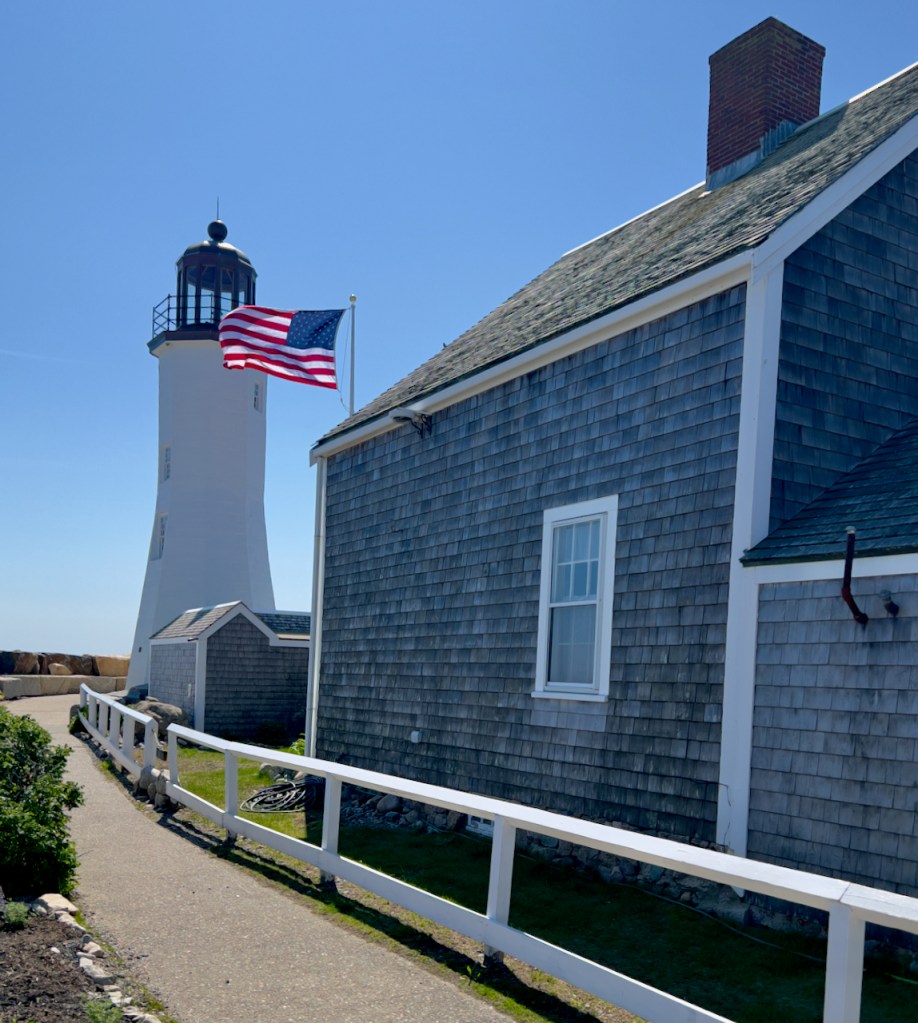
After a few activities of celebration in Portland, I drove the rest of the family to the Boston airport. I then continued south on my own for the next 6 days. The first stop was south of Boston at the lighthouse at Scituate, MA.


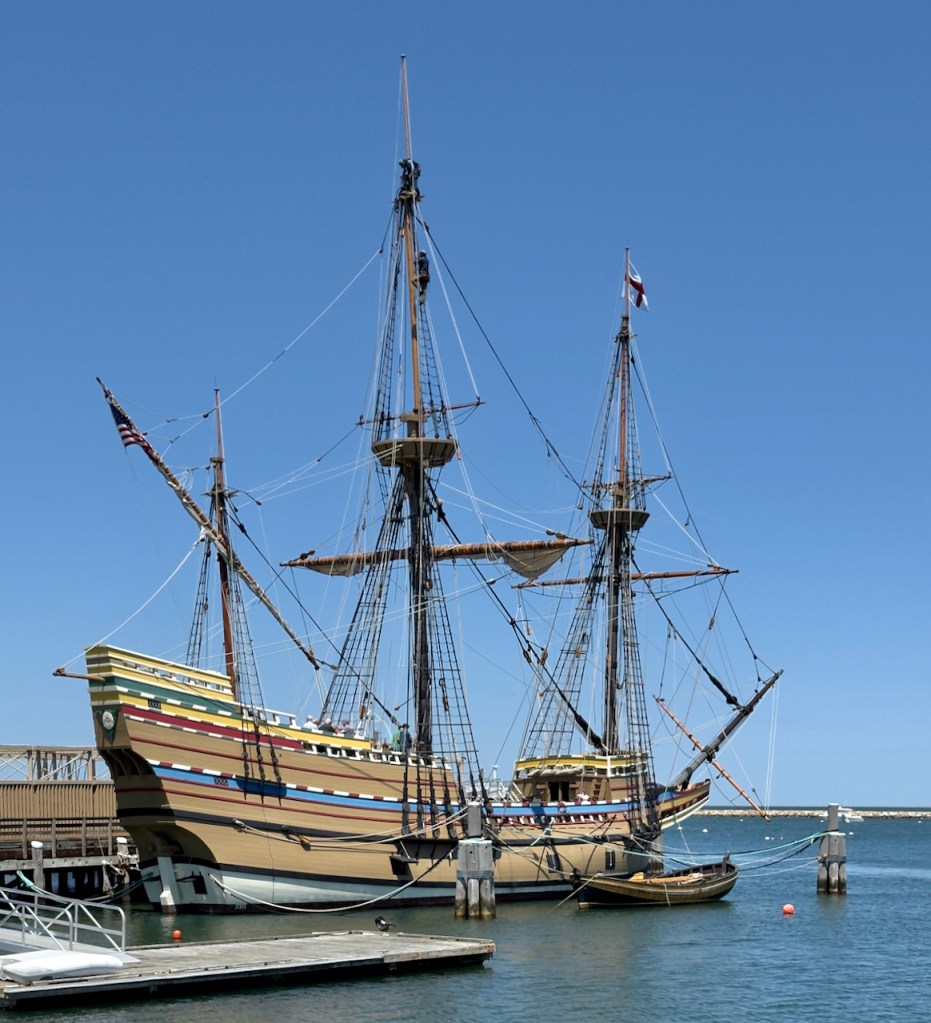
Traveling down the coast, I next came upon Plymouth of pilgrim fame. They have recreated the Mayflower ship and I toured that. To hear the story, it’s a wonder that any of them survived. Actually once they got there in November/December and building houses in January before they could get off the ship half of them died.


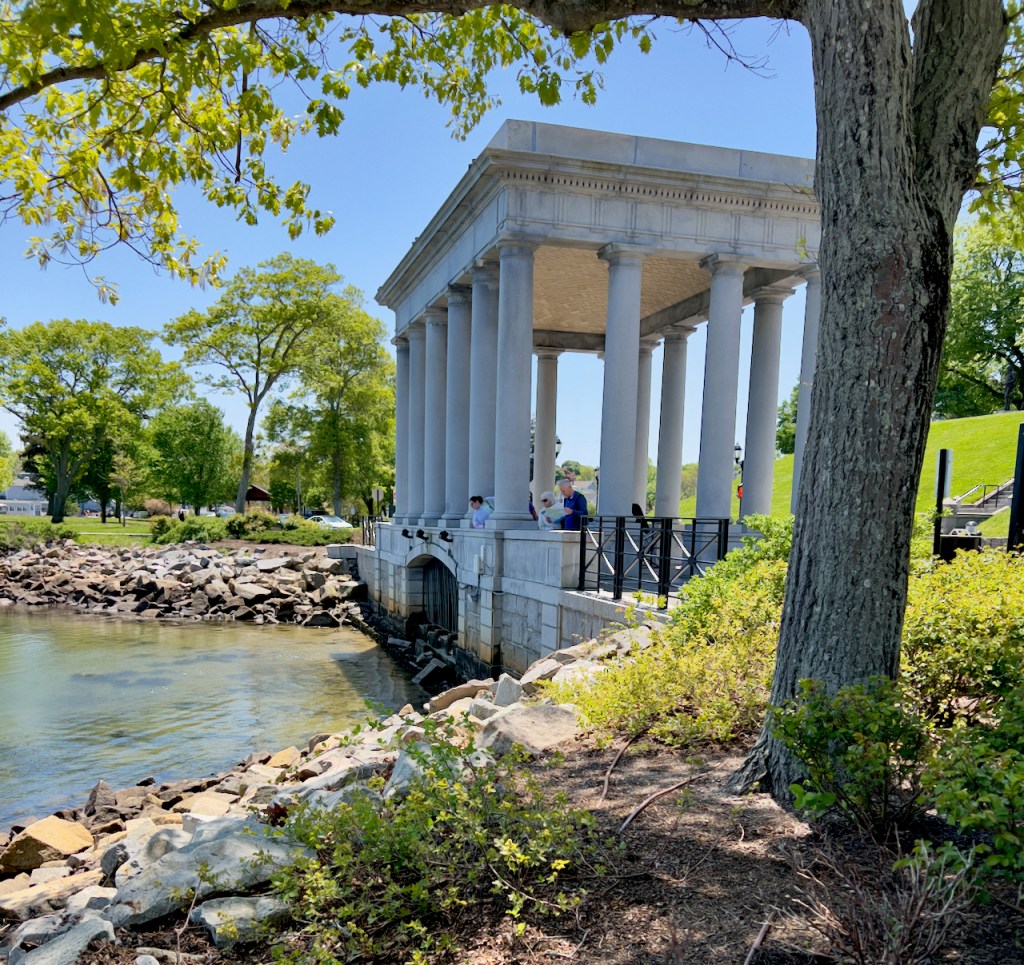
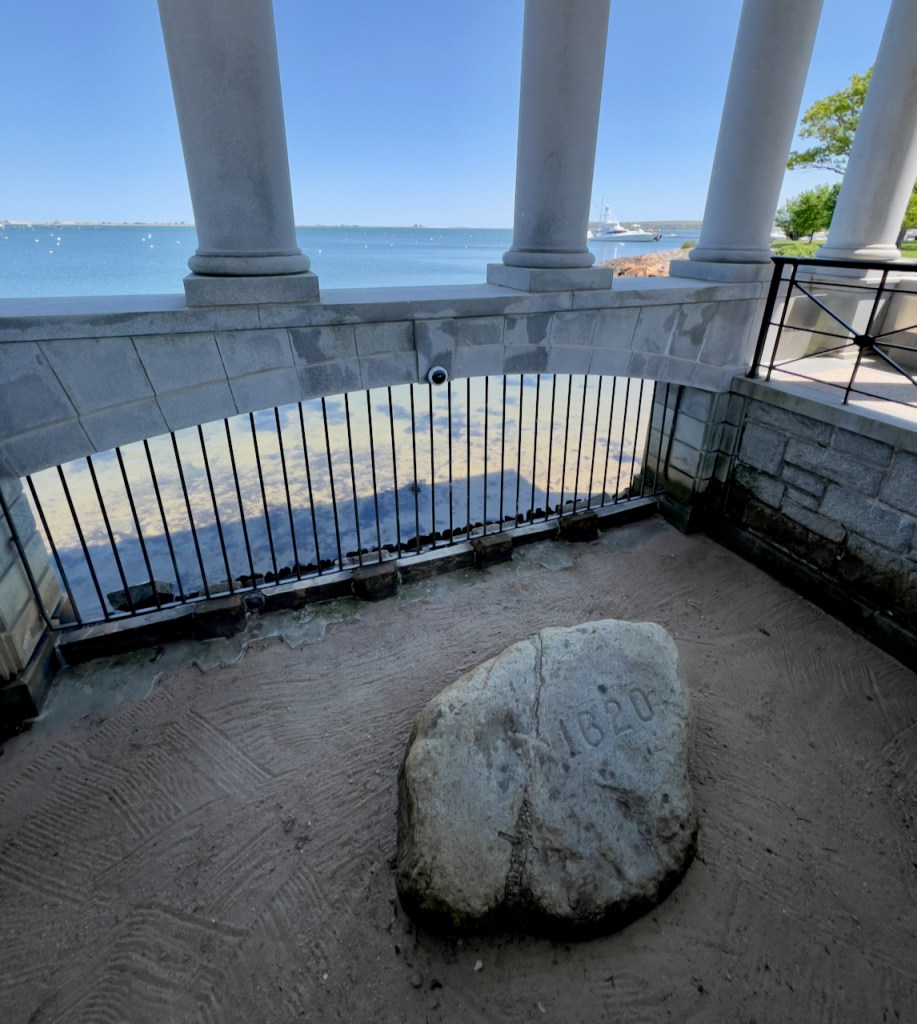
Plymouth Rock is pretty much a joke. No one wrote about it until 125 years later. Then they decided to preserve a rock before it was to be covered up by a wharf and even moved it up the hill. Then they put it back on the beach with a tall portico surrounding it! And it’s quite small at that – about 3-4 feet in diameter!
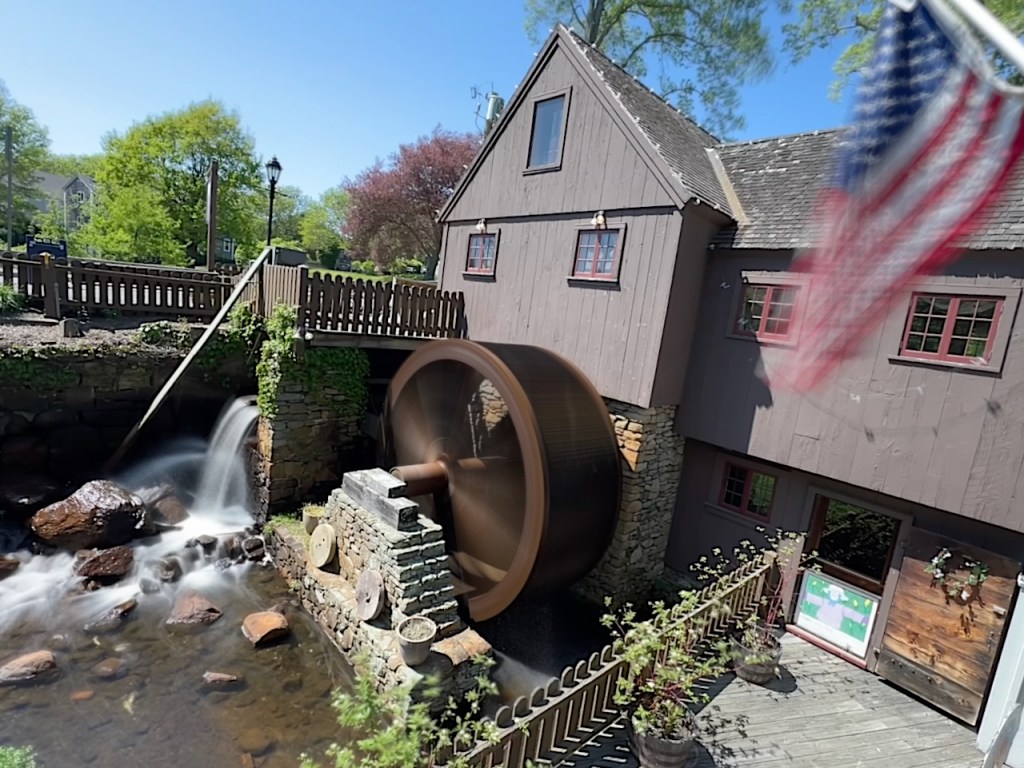
Also nearby is a tavern/gristmill where I had lunch watching the water wheel turn. To be precise it is called Plimouth Grist Mill and is a recreation of the Jenny Grist Mill on the same site. John Jenny, a Pilgrim, erected the original mill in 1636.

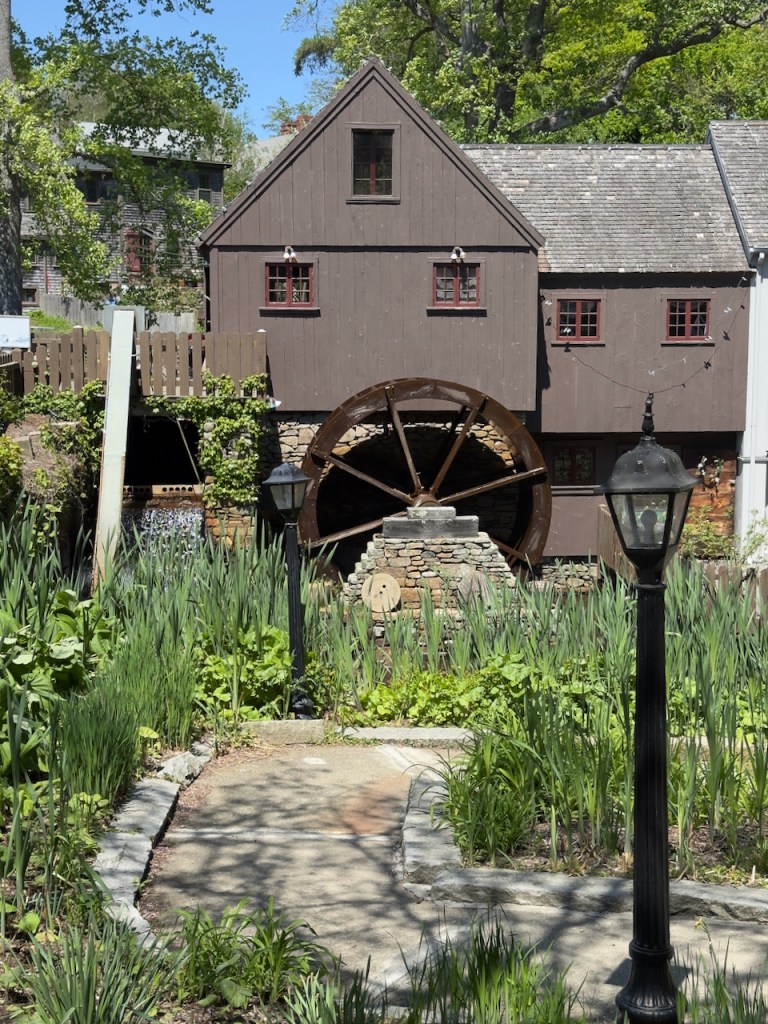
I looked right out on the spinning wheel while eating lunch.

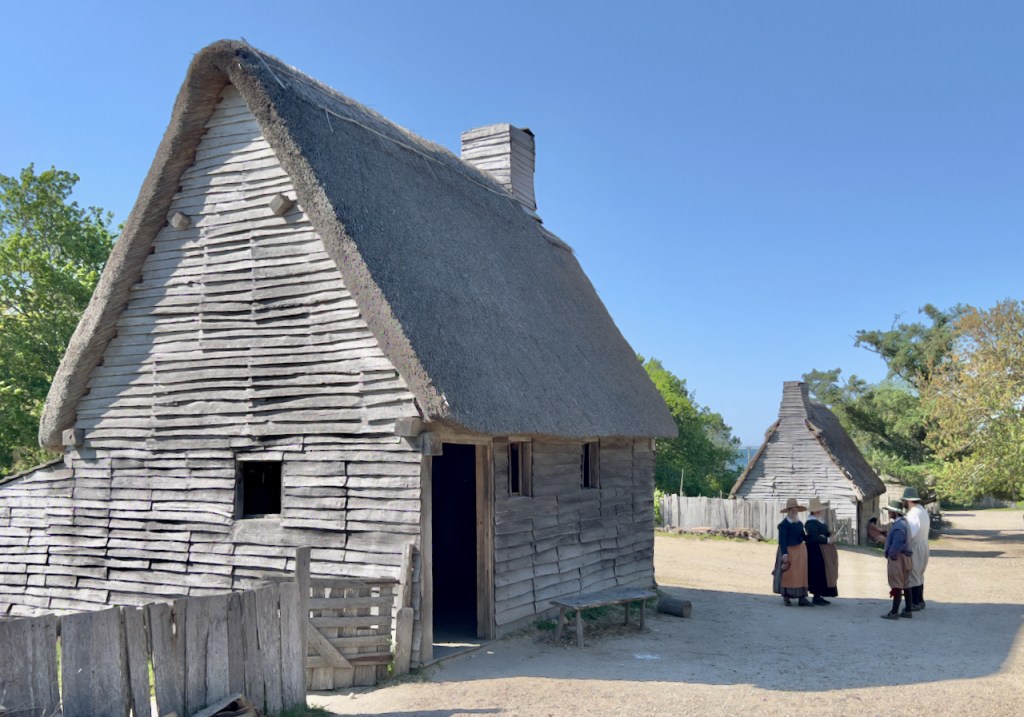
A couple of miles away is a recreated 1620s English Village with re-enactor characters that tell you about life from that time frame, which was very interesting. Some of the houses were made to look very authentic and had gardens as well.



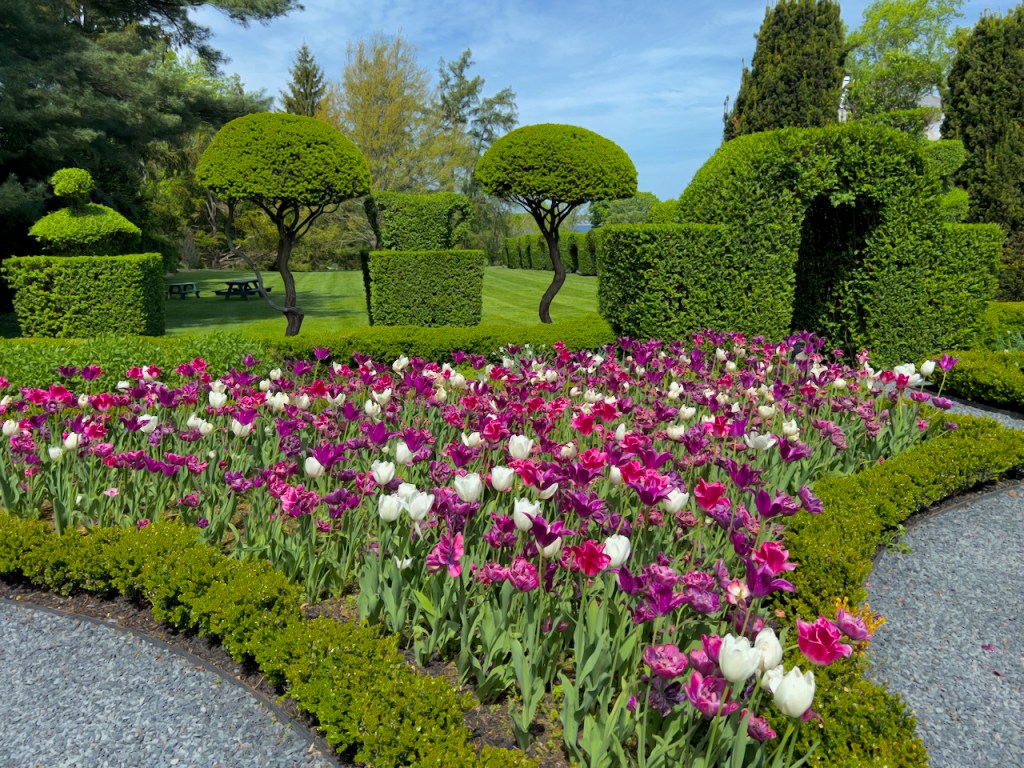
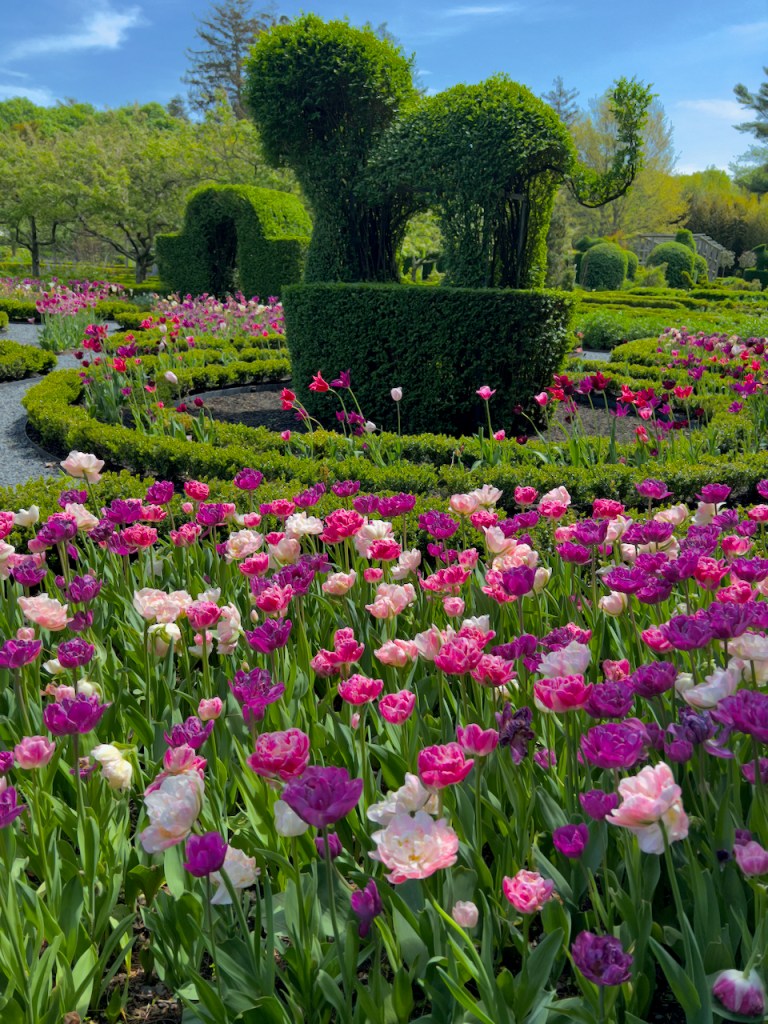
After this stop I headed to Newport, Rhode Island. In Portsmouth is the historic Green Animals Topiary Garden overlooking Narragansett Bay. The seven acre estate was purchased in 1872. In 1905, Joseph Carreiro created the formal gardens and most of the original topiaries. Today there are more than 80 topiaries including geometric designs and birds and other animals.


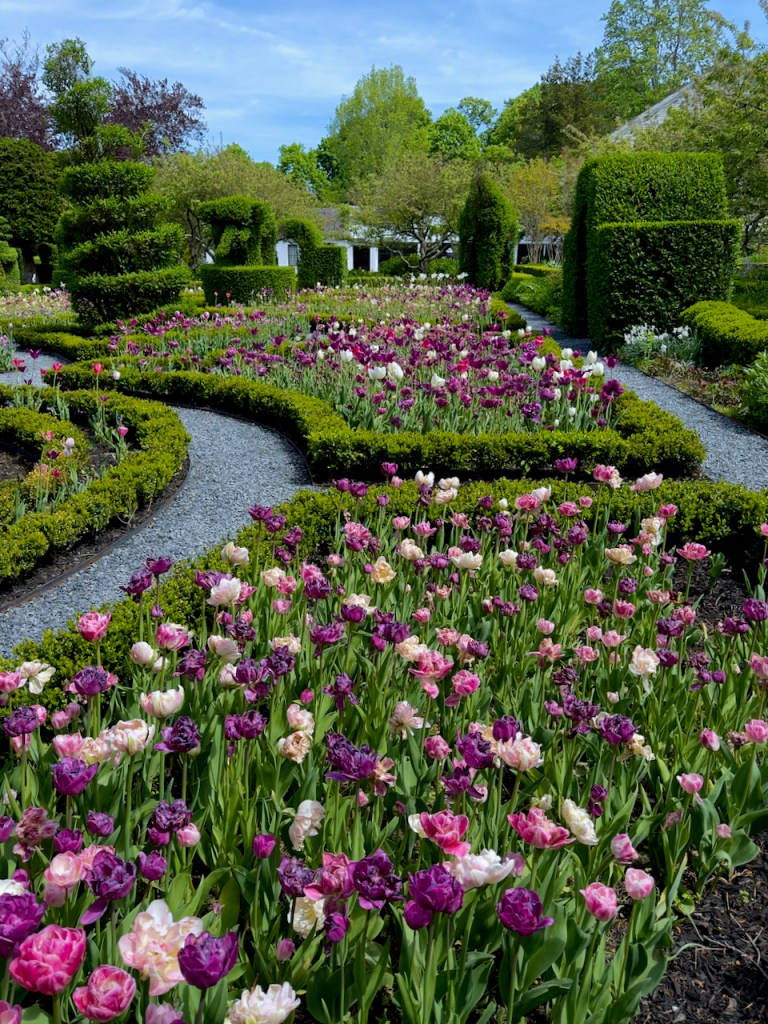
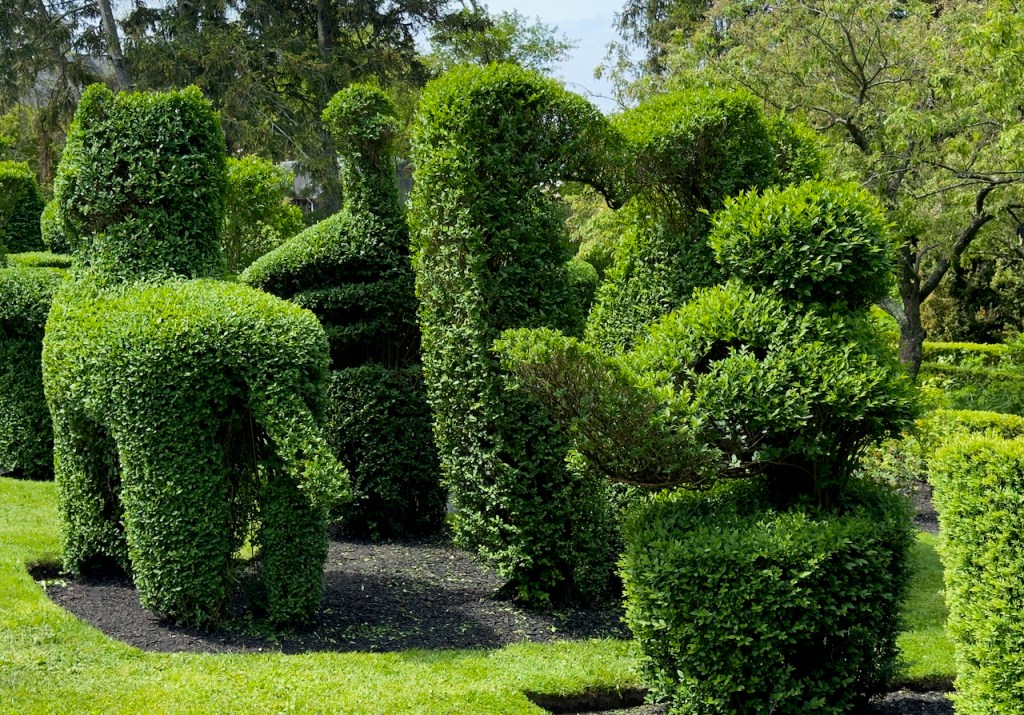
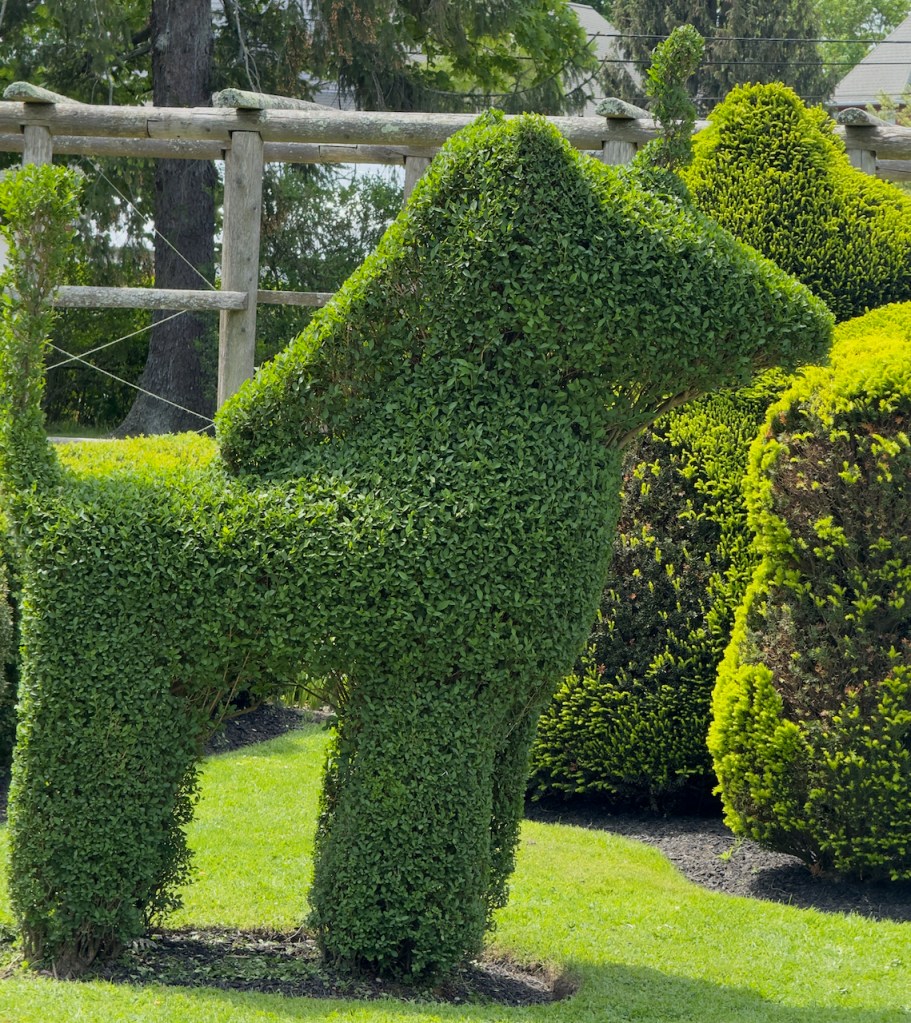
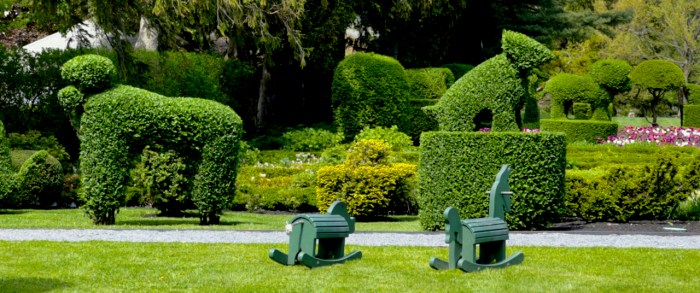
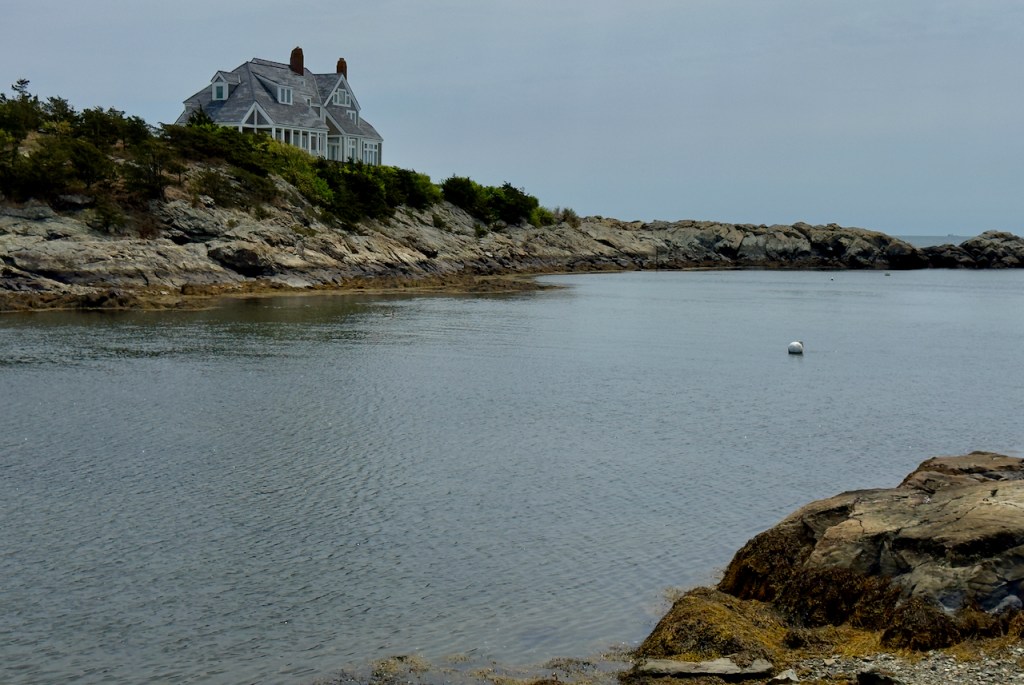
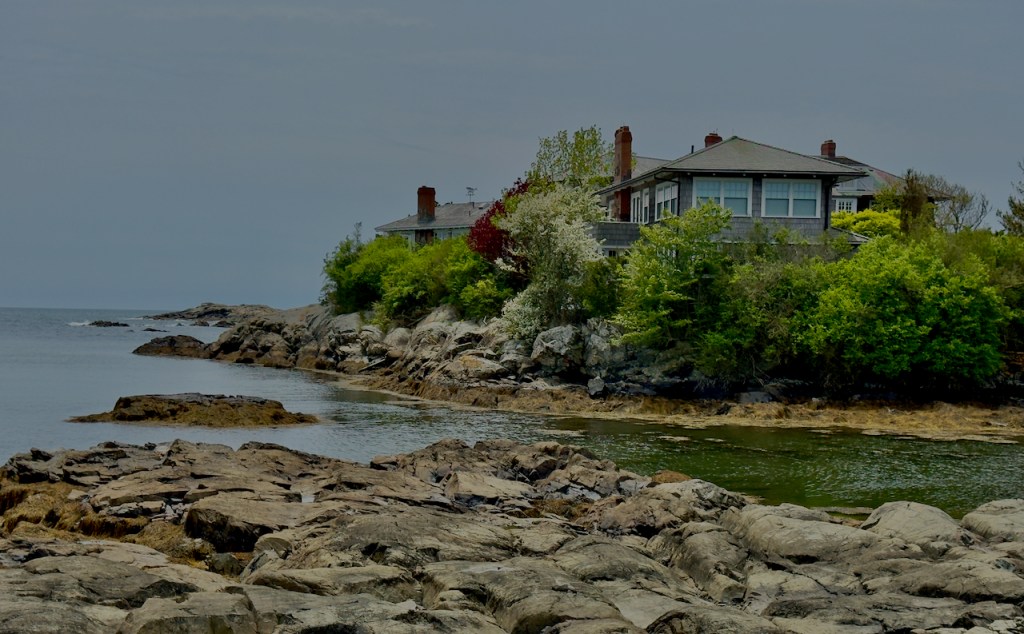
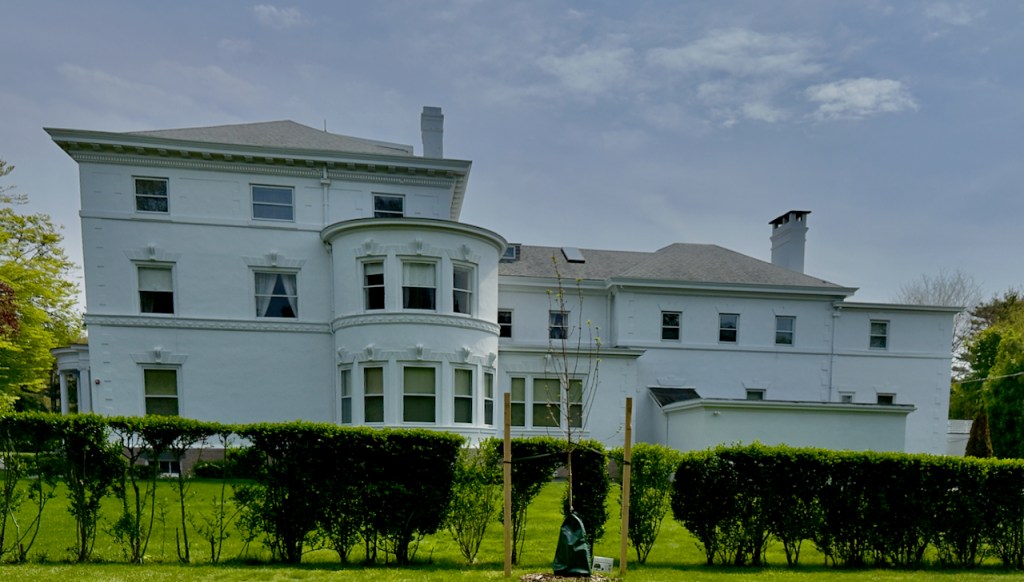
Newport has always been the home of the rich and famous. I drove on a circular drive along the ocean to see the many mansions, although most were pretty well hidden and there were few stopping points. I did not tour any of them since there was no parking. “Newport is a city set on Aquidneck Island in the New England state of Rhode Island. Its yacht-filled harbor hosted the America’s Cup, a renowned annual sailing regatta, for many years. Newport is also known for the Gilded Age mansions lining Bellevue Avenue, some of which are now museums. The most famous is The Breakers, an 1895 mansion patterned after a Renaissance palace.” – Google.

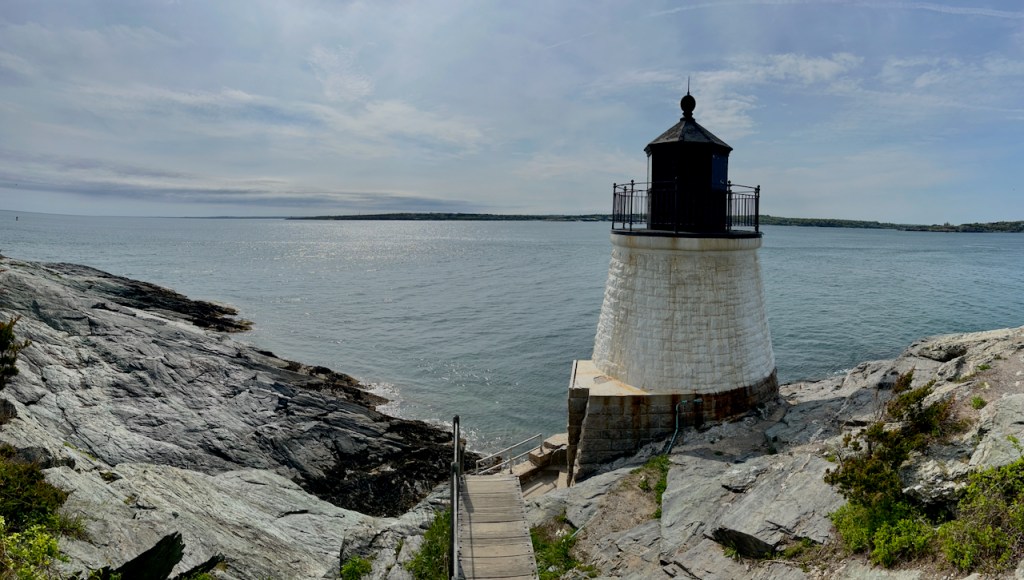
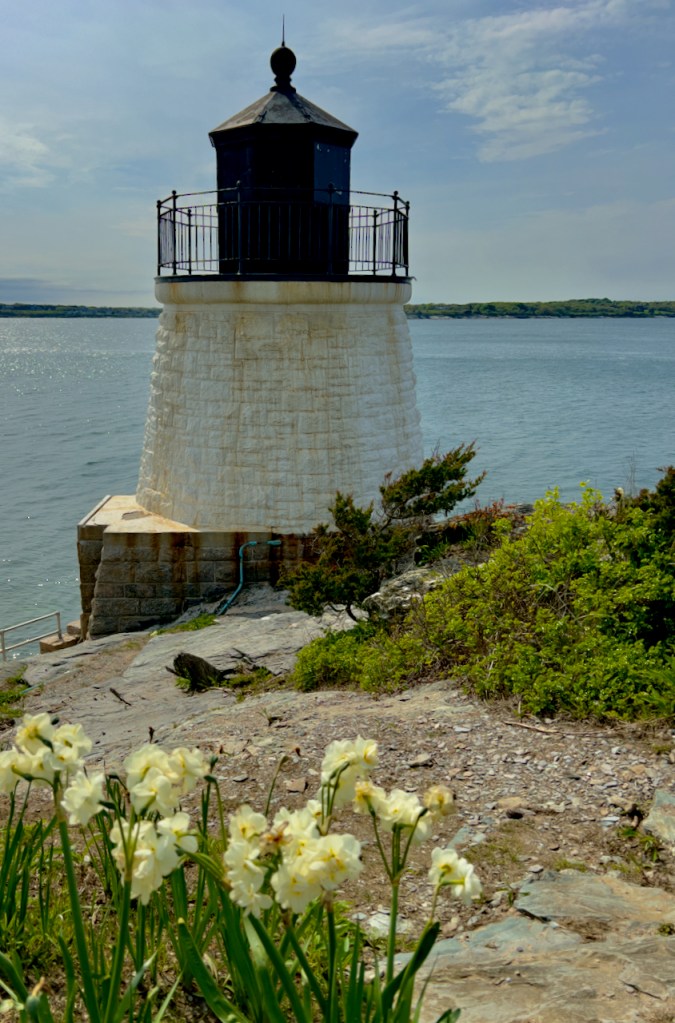
The Castle Hill Lighthouse, on the Ocean Drive tour, was built of granite in 1890 and is still an active light.
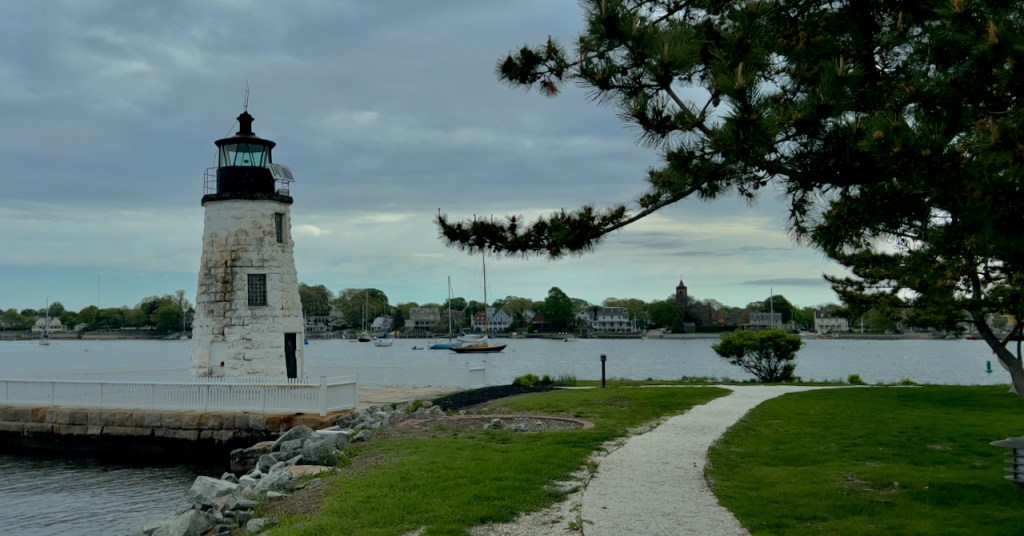
The next morning I found the Goat Island Lighthouse, although is was not easy to find because a hotel was blocking the access. It is also known as the Newport Harbor Lighthouse, was built in 1842 and is still active.


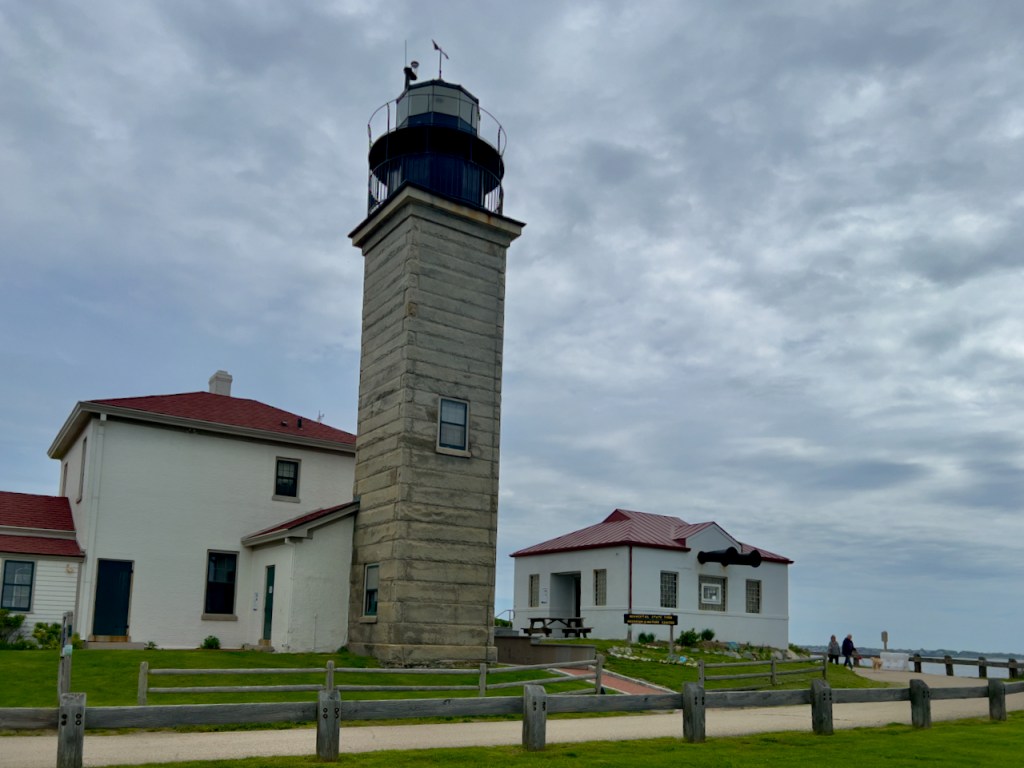
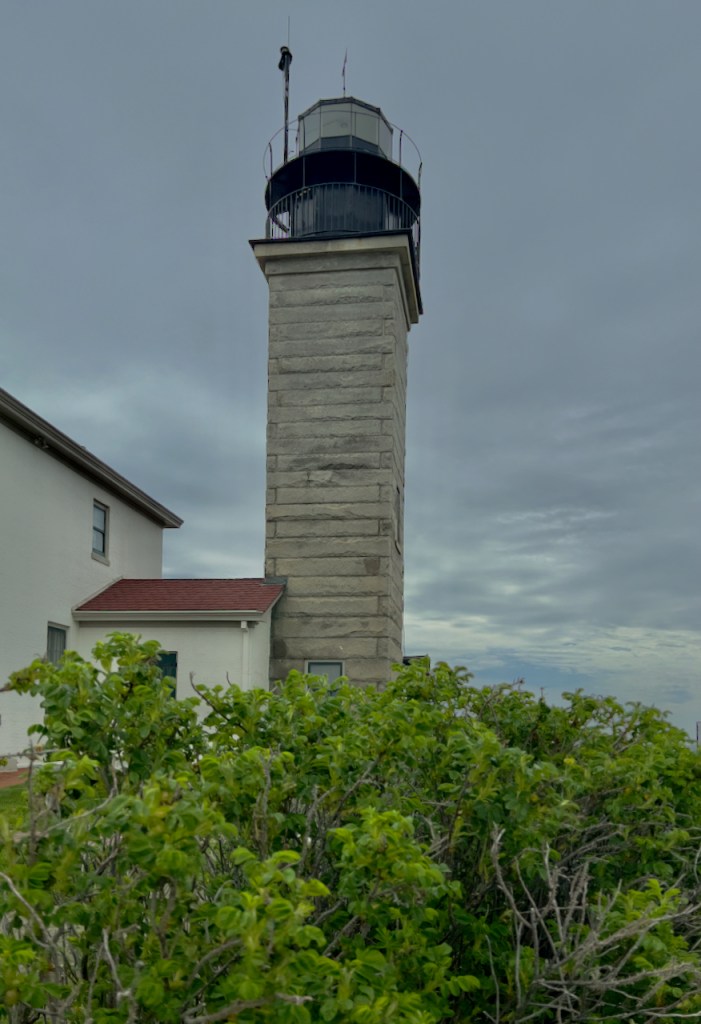
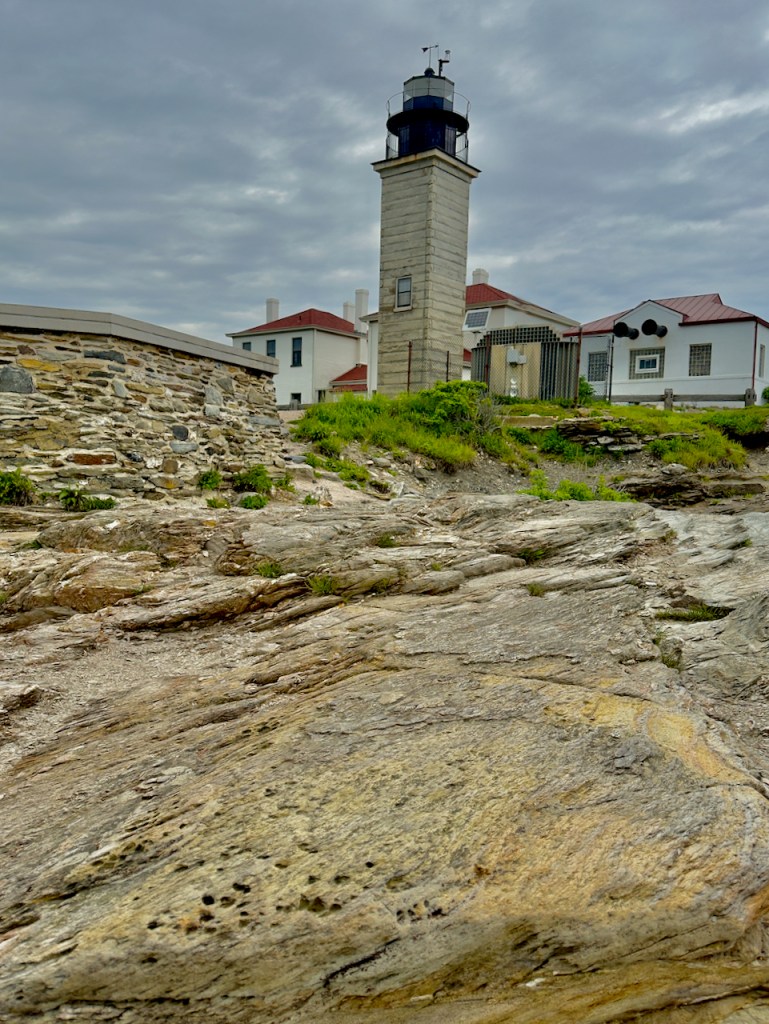
Beavertail Lighthouse in Beavertail State Park, on the southernmost tip of Jamestown, RI offers one of the most beautiful viewpoints along the New England coastline. It marks the entrance to Narragansett Bay and is on the site of the third oldest Light house in America (1749). The British burned it during the Revolutionary War so this is the third one (1856) on this site. Another interesting fact was that if a fog came in, the lighthouse keeper walked his horse on a treadmill to operate a pump to create pressure to blow the horn! Beavertail point also has some of the best saltwater fishing.


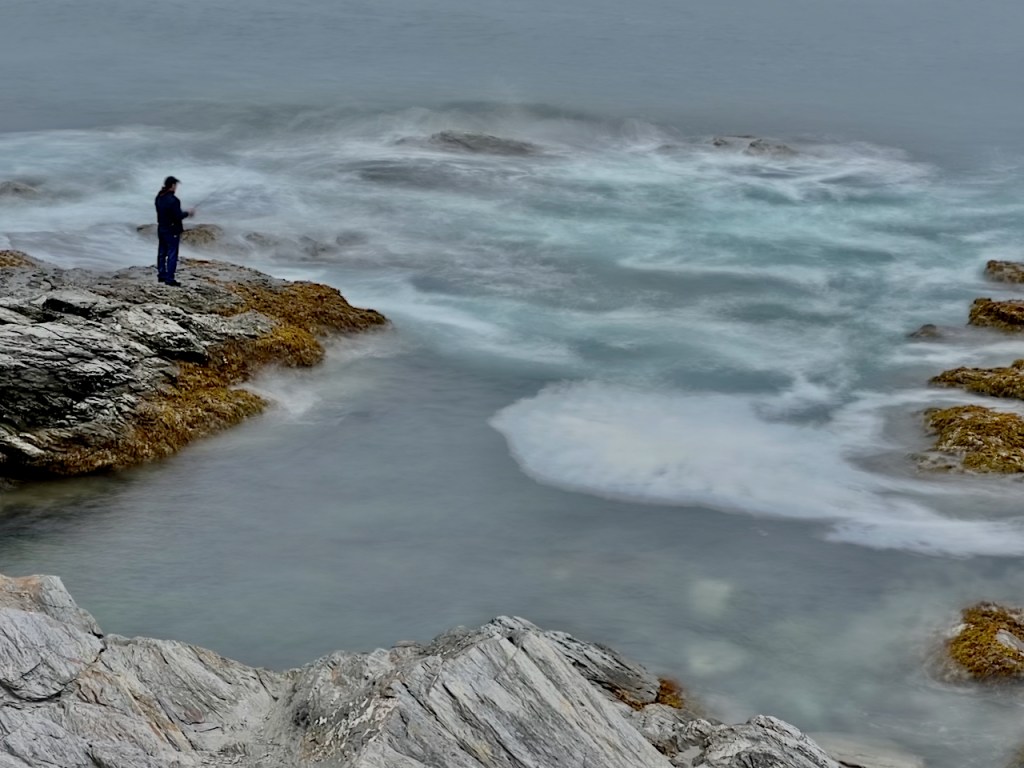
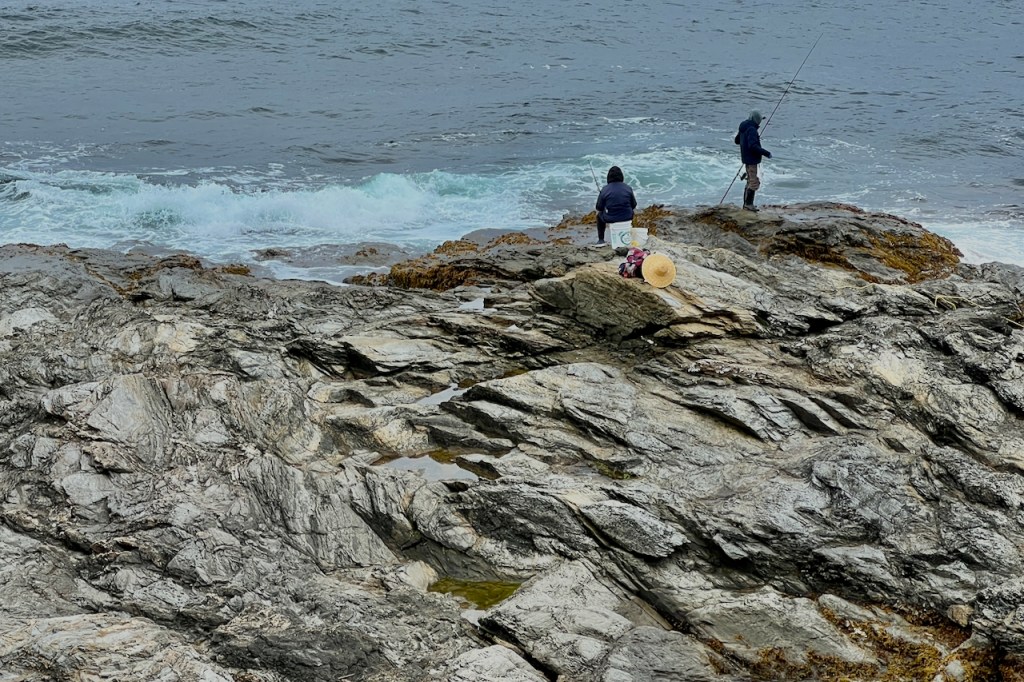
Here are a few photos of the surf and fishermen below the light house.

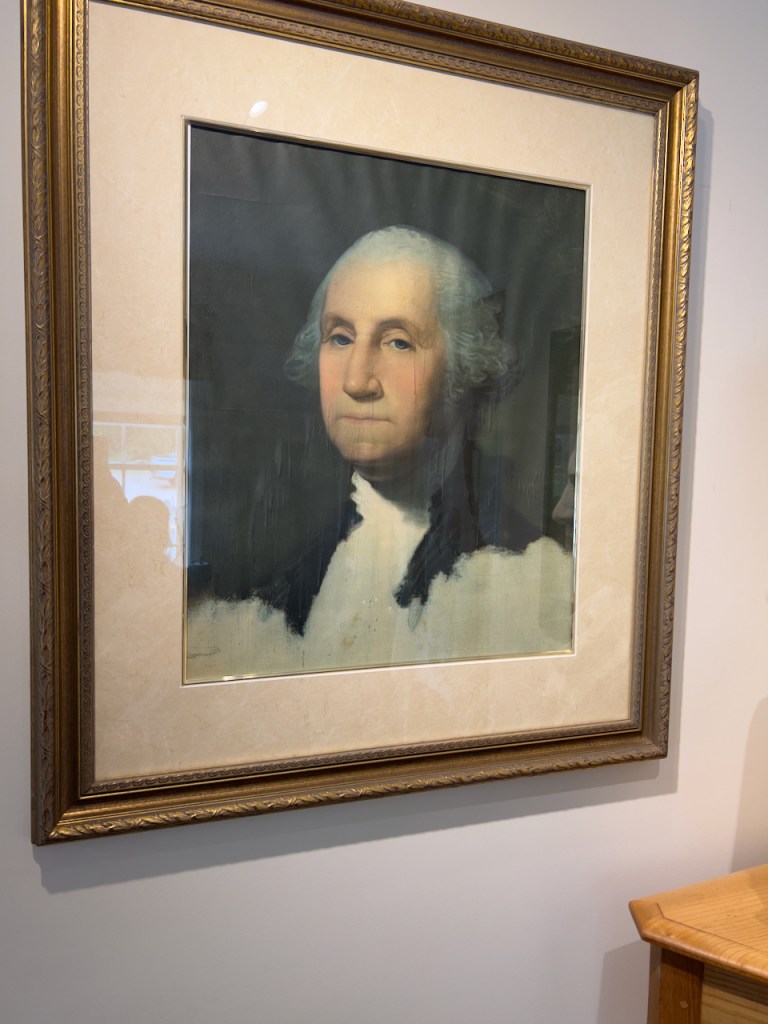
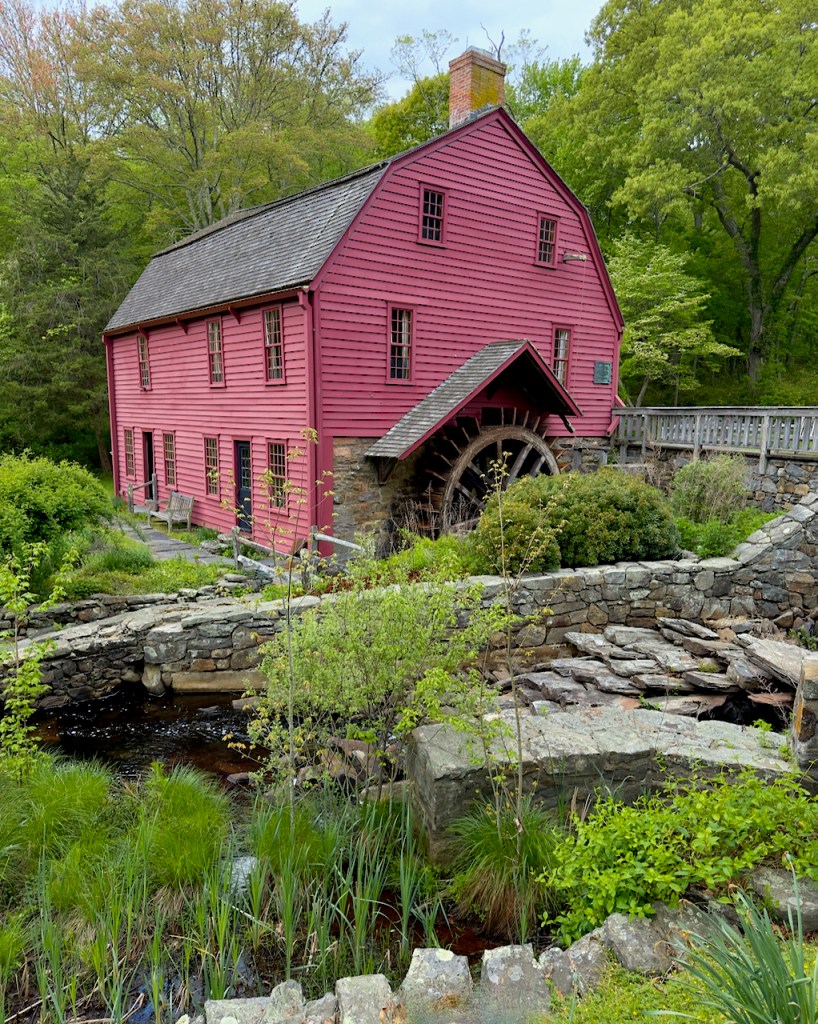
The Hammond & Gilbert Grist Mills In Saunderstown, Rhode Island was the birthplace of the renown colonial artist, Gilbert Stuart. One of his most famous paintings is that of George Washington. His portraits were done in a very realistic manner. His portraits included all six of the first presidents.

At this site there are actually two mills. The unpainted mill is a grist mill to grind grain.


The red painted building is a snuff mill and contains the bedroom where Stuart was born. “Beneath the window of Gilbert’s tiny room, water diverted from the millpond turns the huge wooden undershot waterwheel. Watch the wooden gears turn to power the snuff mill which was used to grind locally grown tobacco in colonial times. Stuart’s Birthplace is unique because it was both a family dwelling and a place of industry. This is the site of the first snuff mill in the New England colonies.”


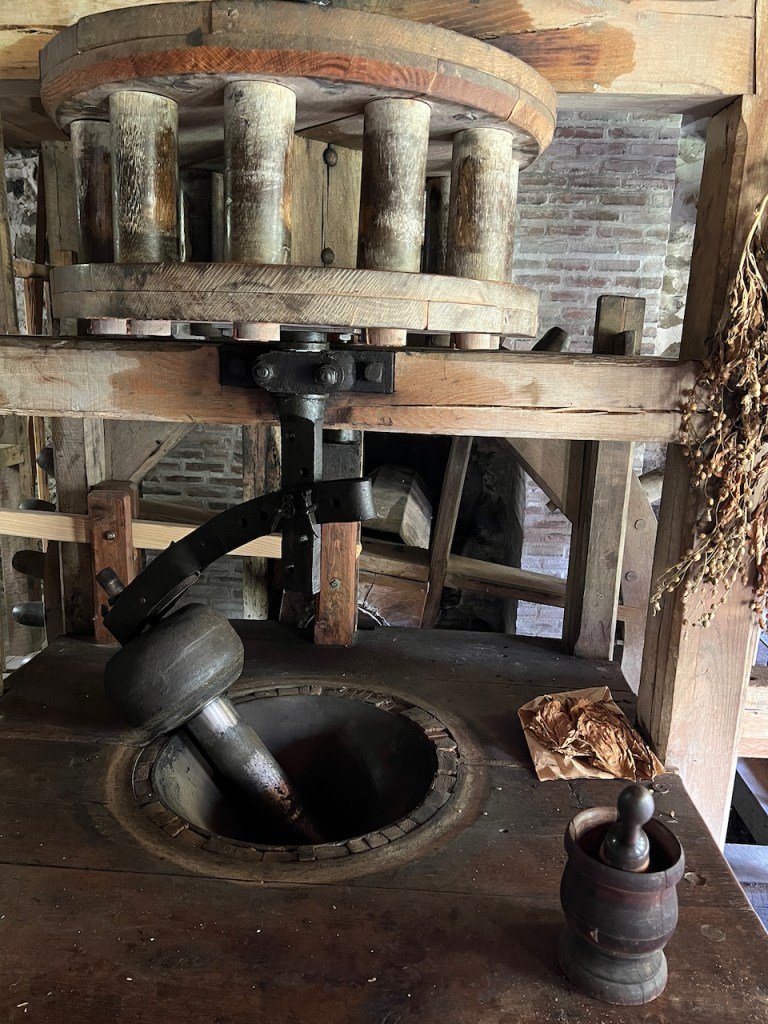
I have never before seen a snuff mill, but apparently it uses a rotating auger in a triangular container to grind the tobacco.
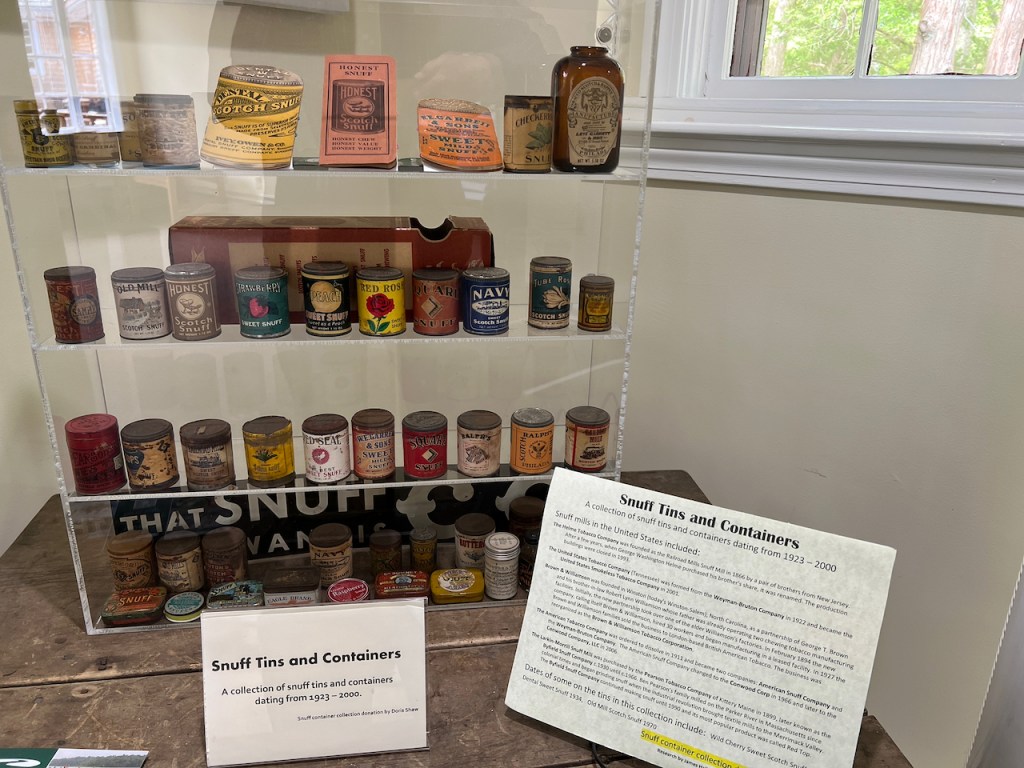
I have heard the word snuff but didn’t know anything else, so here is the description, “Snuff is a finely ground tobacco, often flavored, that can be sniffed up the nose (dry powder) or placed in the mouth (moist and placed between lower lip and gum). It’s a form of smokeless tobacco, meaning it’s not smoked or burned, and is typically sold in cans or pouches. Snuff contains nicotine and other harmful chemicals, and using it can lead to addiction and health problems.” – Google.
I have included a photo of the type of cans and containers used in the snuff trade.
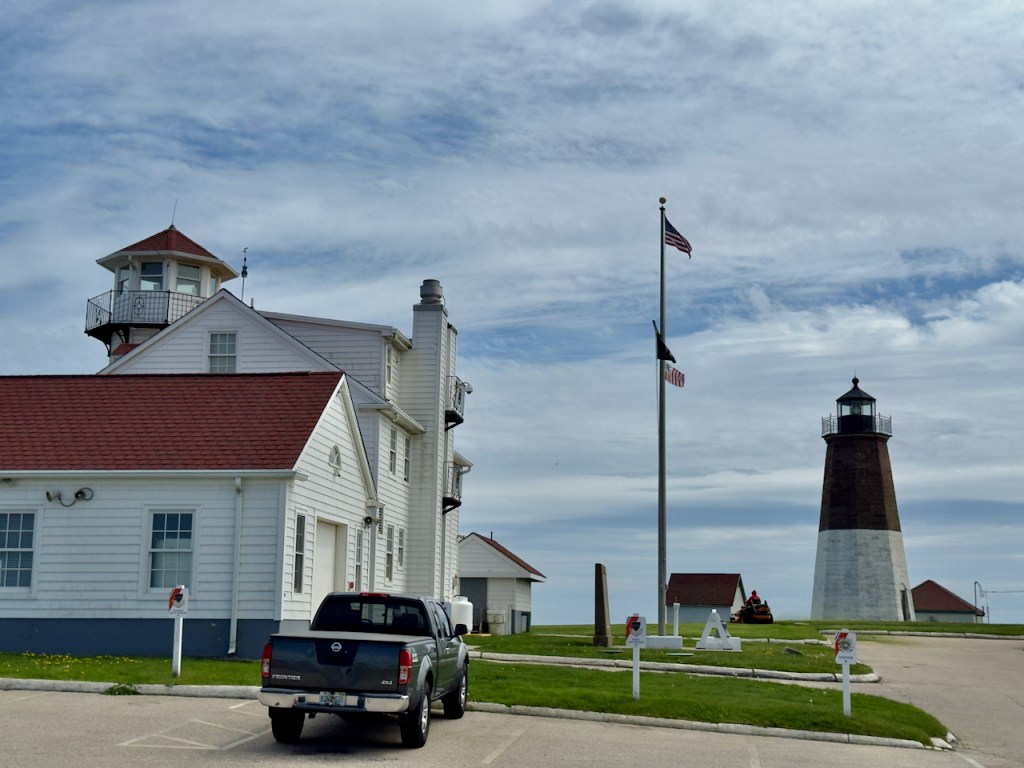
The next lighthouse, Point Judith Lighthouse, is still an active coast guard station and was fenced off so I could not really get very close to it.

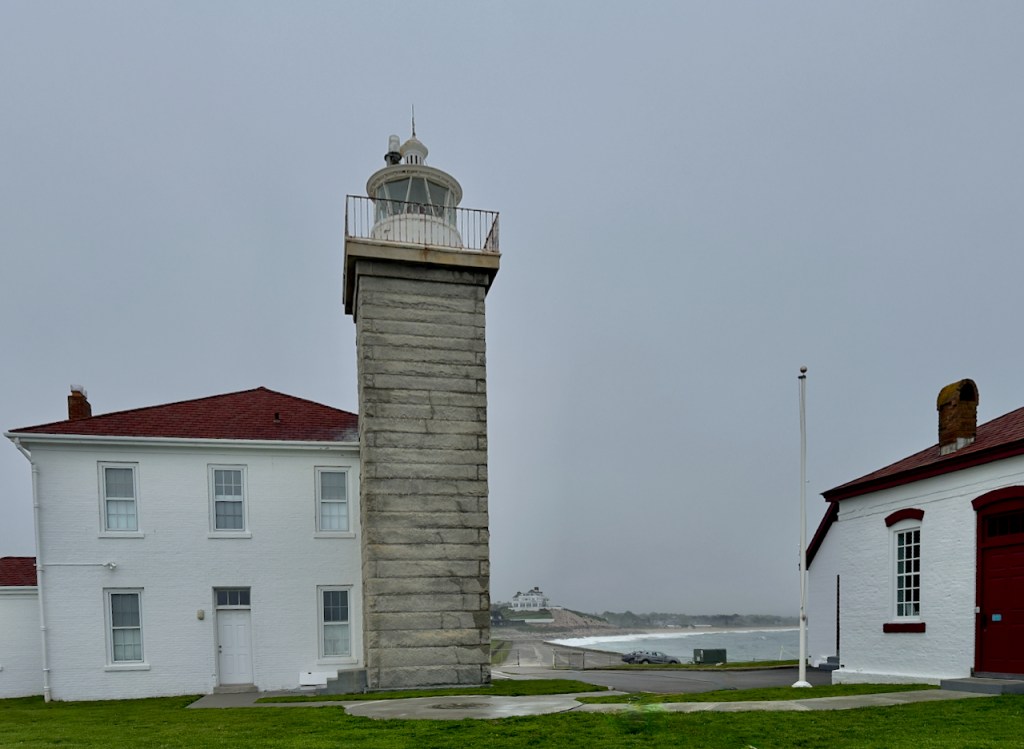
Then my route took me into Connecticut where I found with difficulty, the Watch Hill Lighthouse (1807) and rebuilt out of granite in 1855. The entrance looked like a private lane and was really a tight squeeze single lane through the hedges – and I made it both ways without meeting a car.

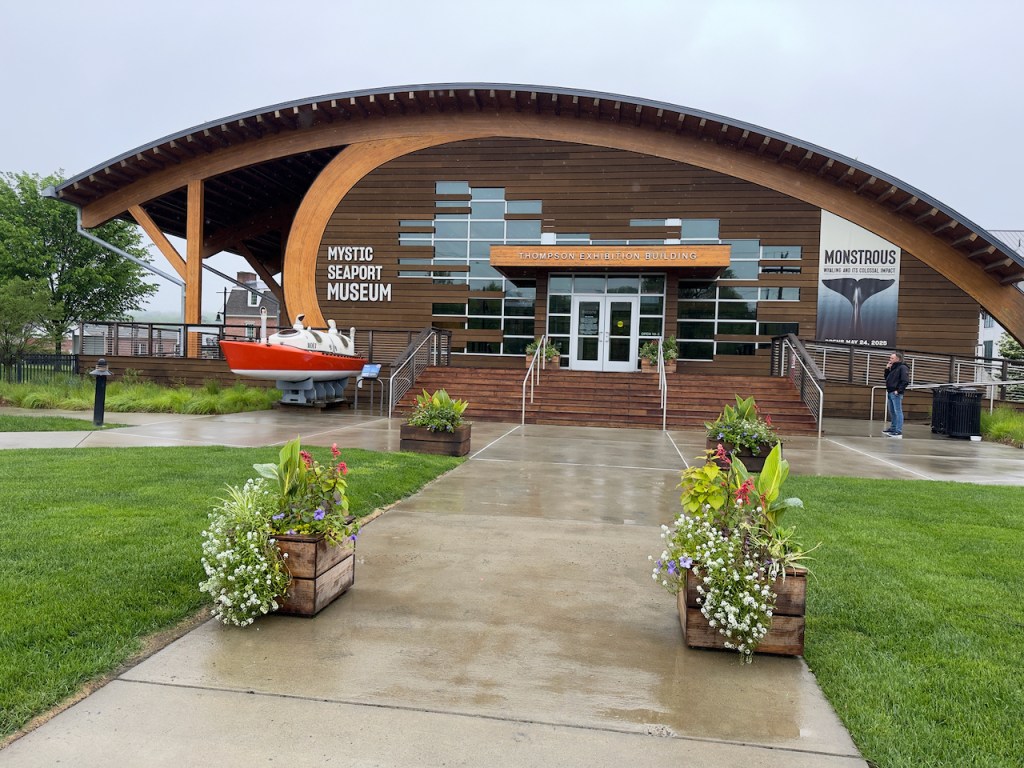
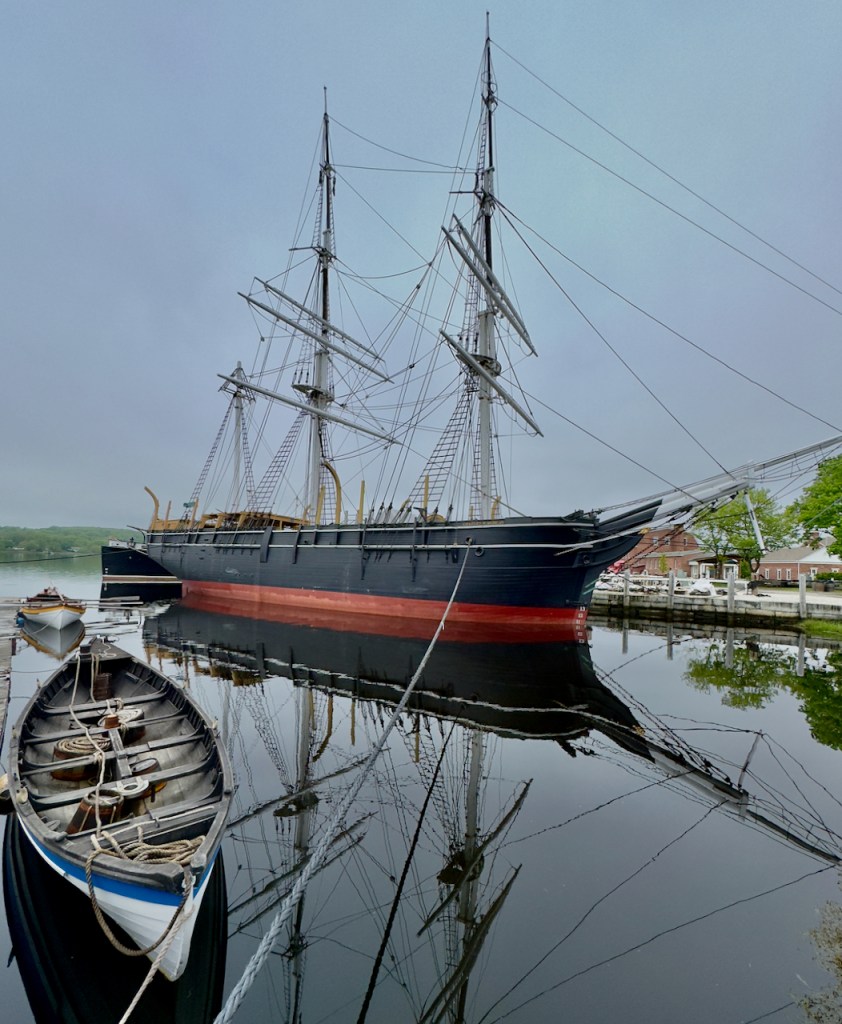
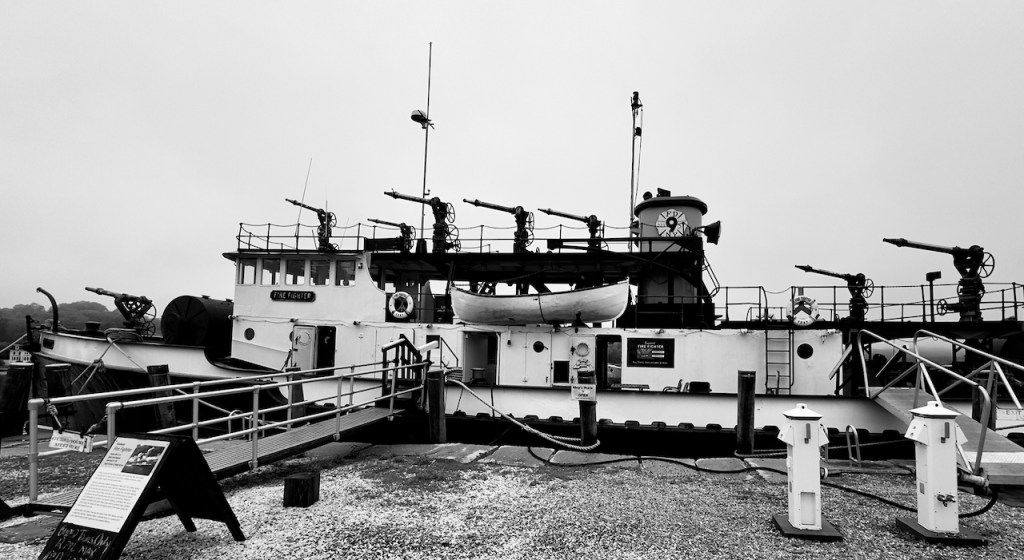
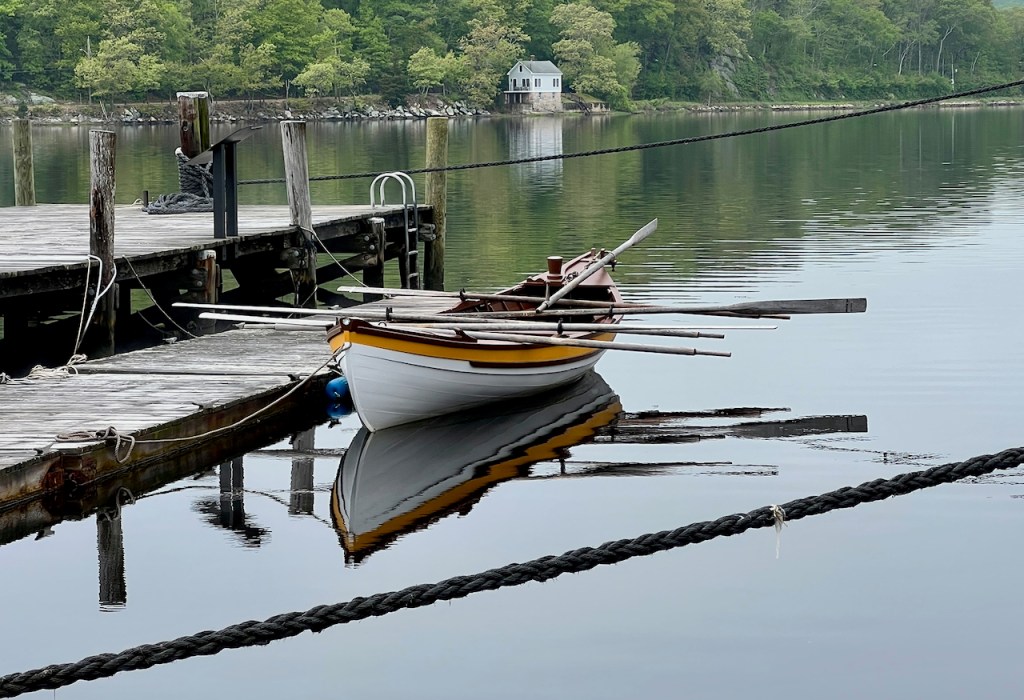
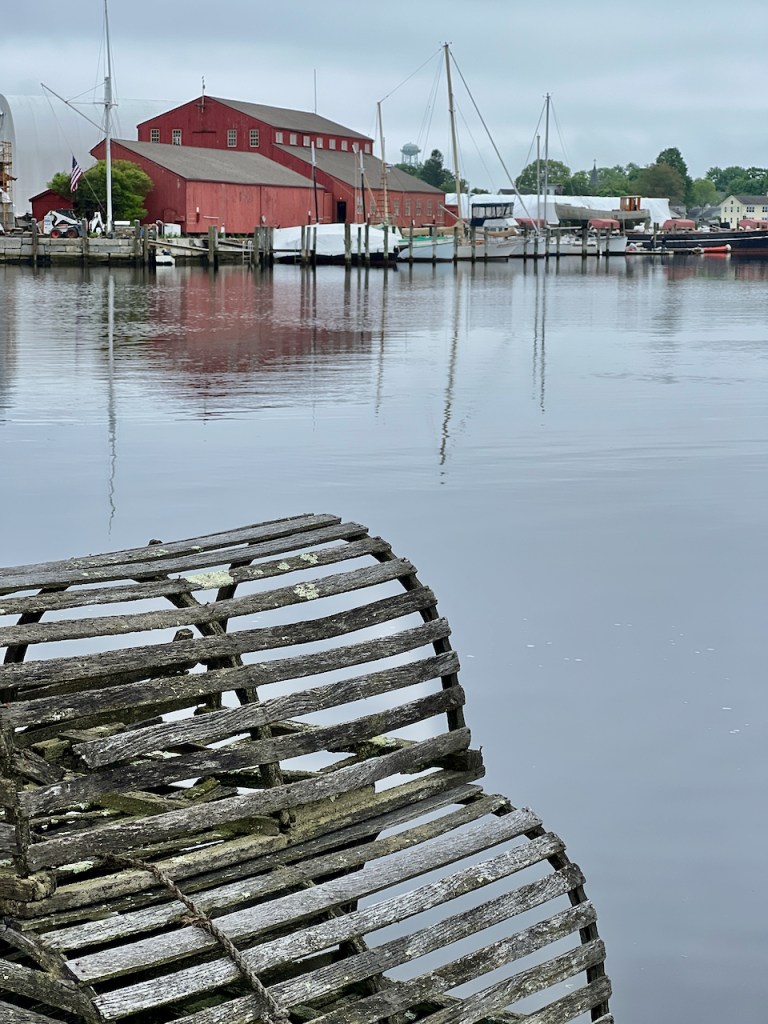
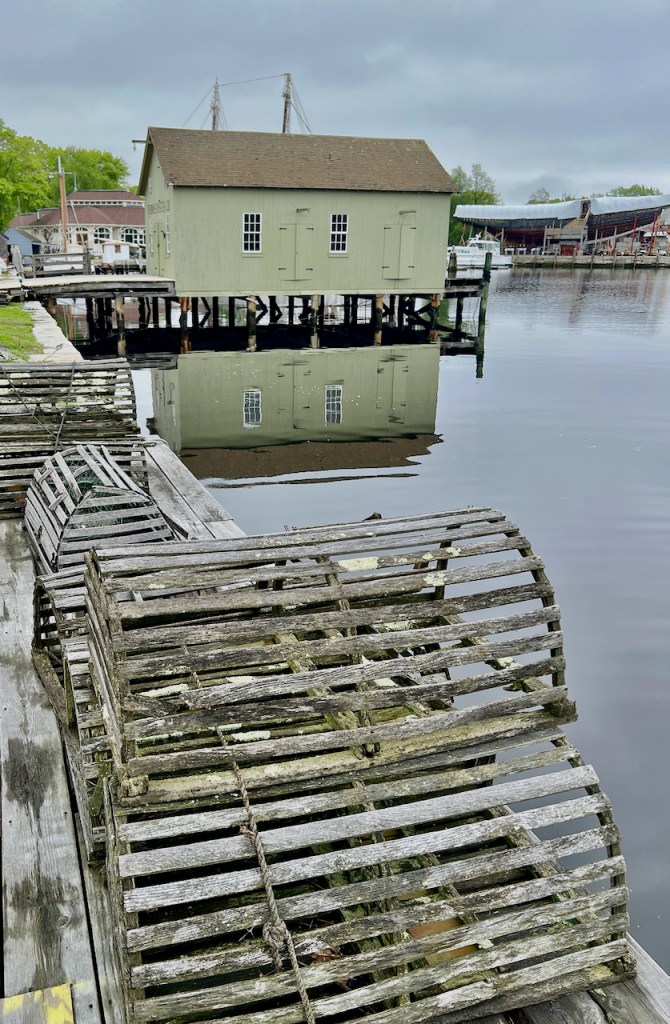
I spent a day at the Mystic Seaport Museum. which contains many buildings and ships moved to the site to make an 18th century seaport village. Many of the buildings had workers to explain what they were making. The main ship was the restored whaling ship, Charles W. Morgan. Many exhibits related to whaling which was really the quest for whale oil used for lubrication and lighting – a very gruesome activity.

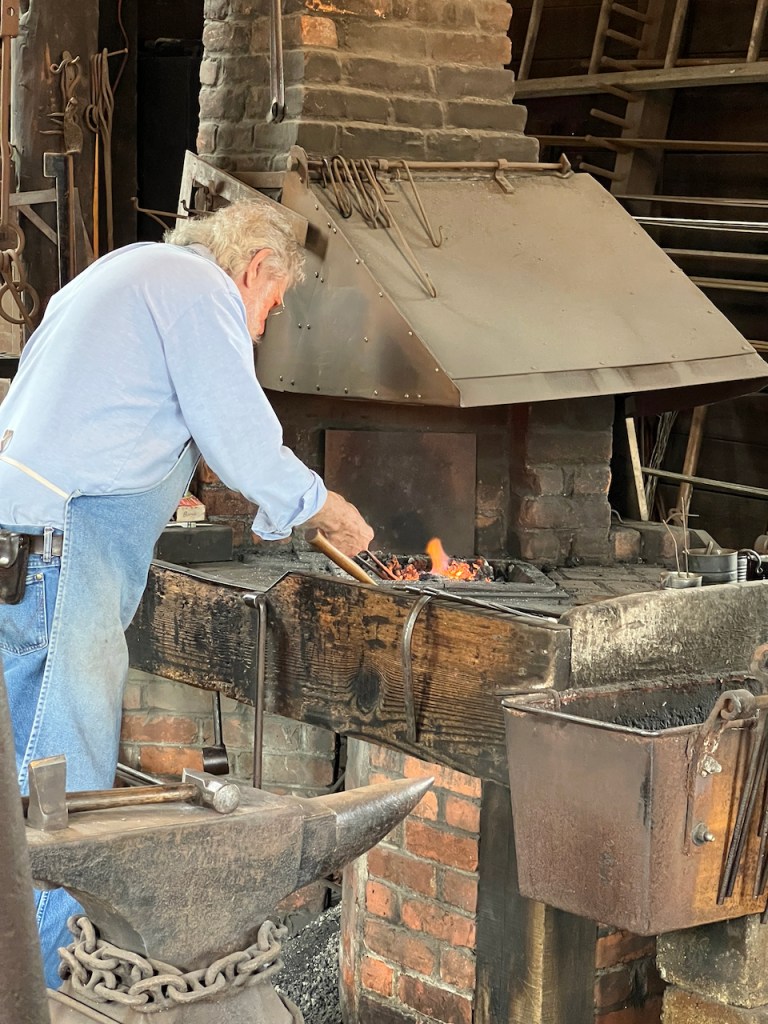
In one building a man, called a Cooper, was making barrels. In another, a black smith was working.


The rest of the photos are of mostly boats in the yards. The first is a fire boat used in 911 in New York City.
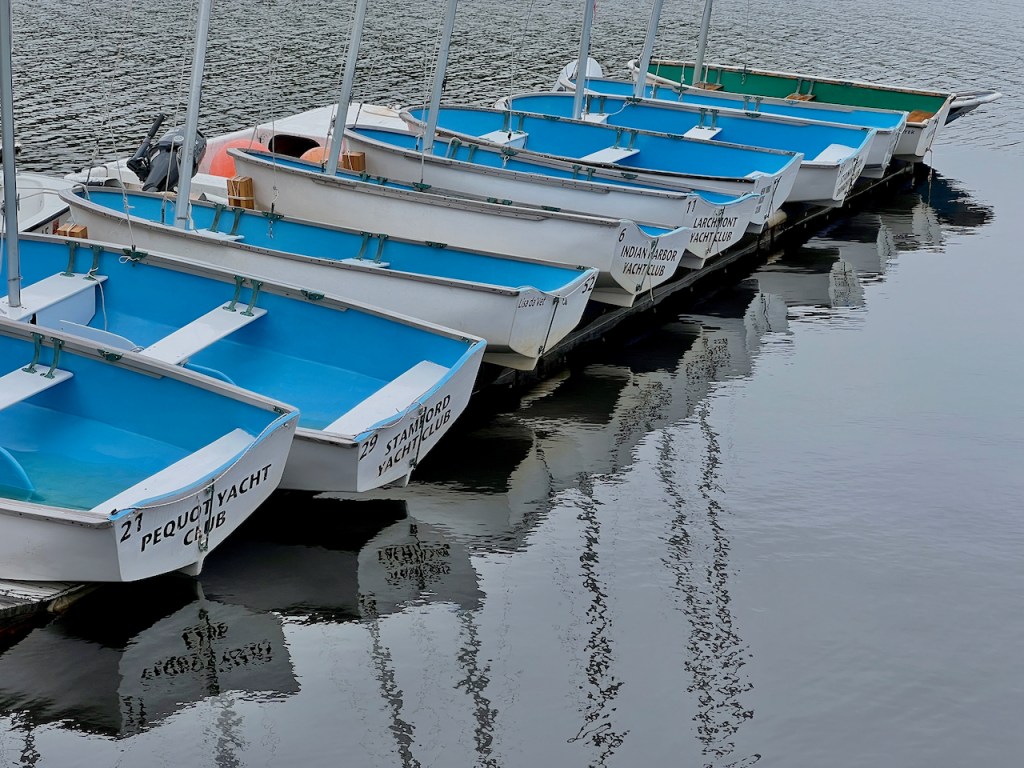
The final recreated village that I visited was Sturbridge Village in Massachusetts. Since they were having a demonstration at the grist mill, I headed over that way first.


The next mill is a saw mill that can make boards from logs with a vertical saw.

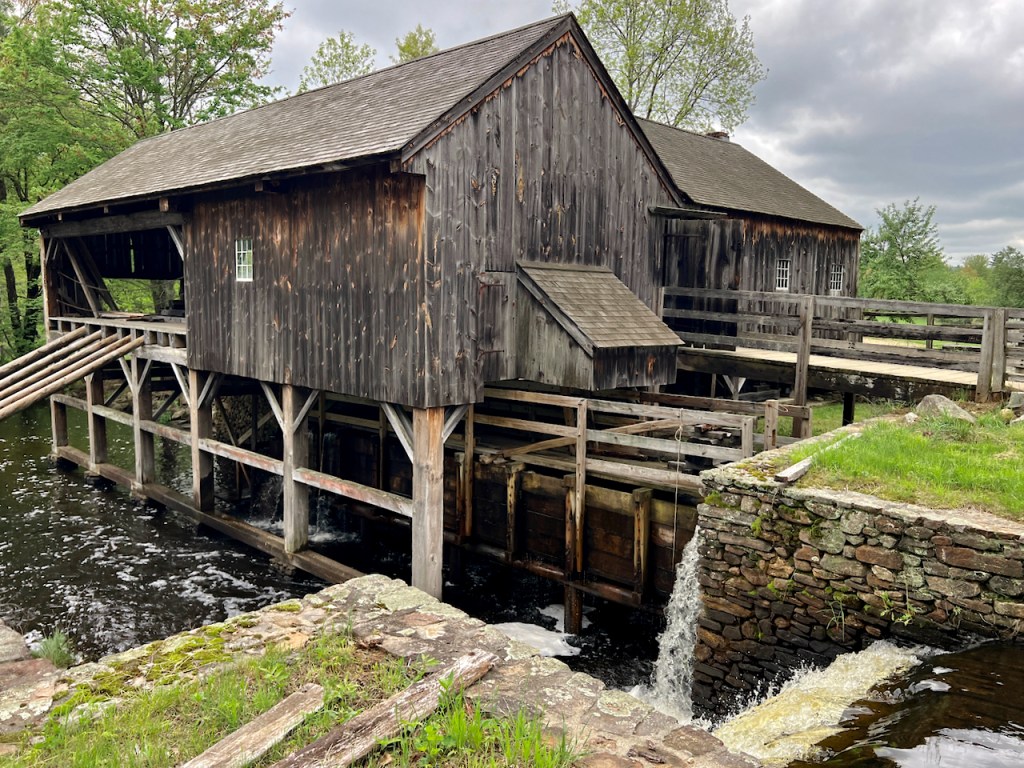
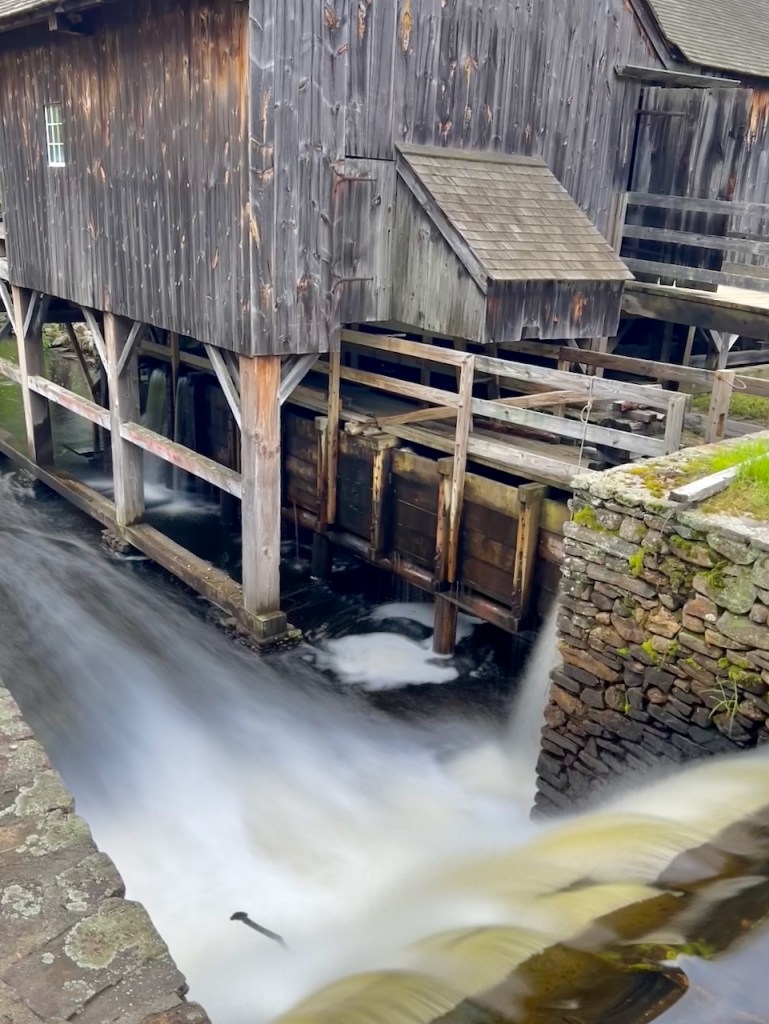
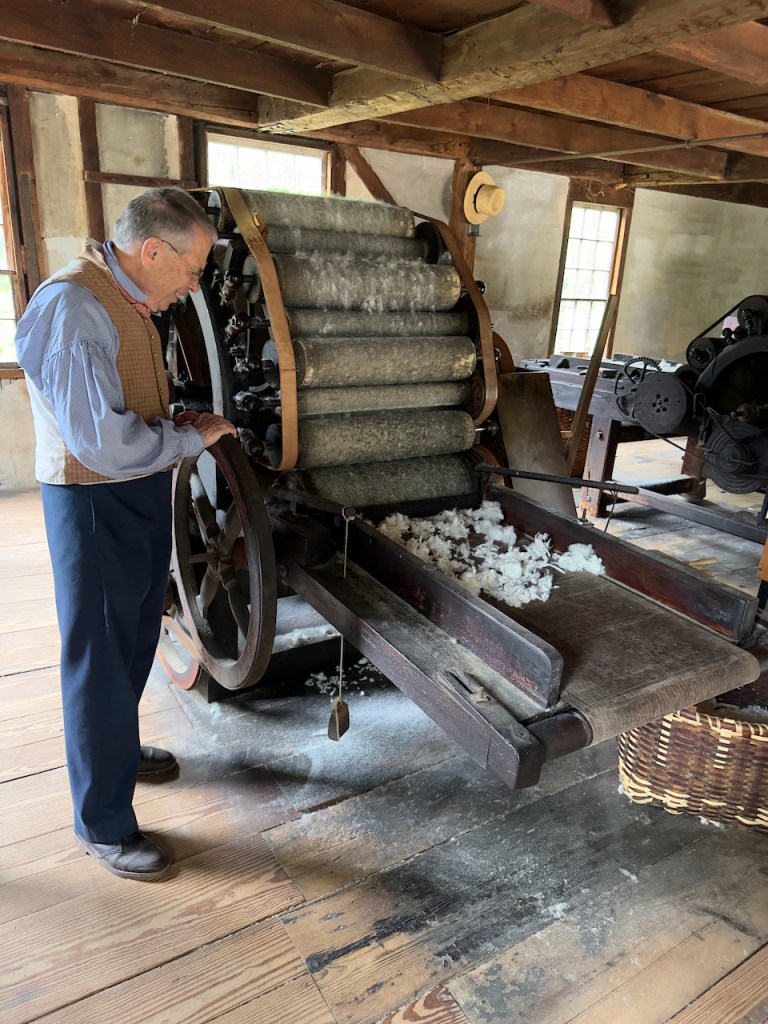
The most interesting mill which I had never seen before was called a Carding Mill. This mill had three machines run by the water wheel. The first not shown was to straighten and untangle the wool. The second machine takes in small fluffs of wool and spreads them out to make a “batten”. This is used as fill between layers of cloth such as quilts or coats. The final machine makes little rolls of wool which is used on the spinning wheels to make thread.


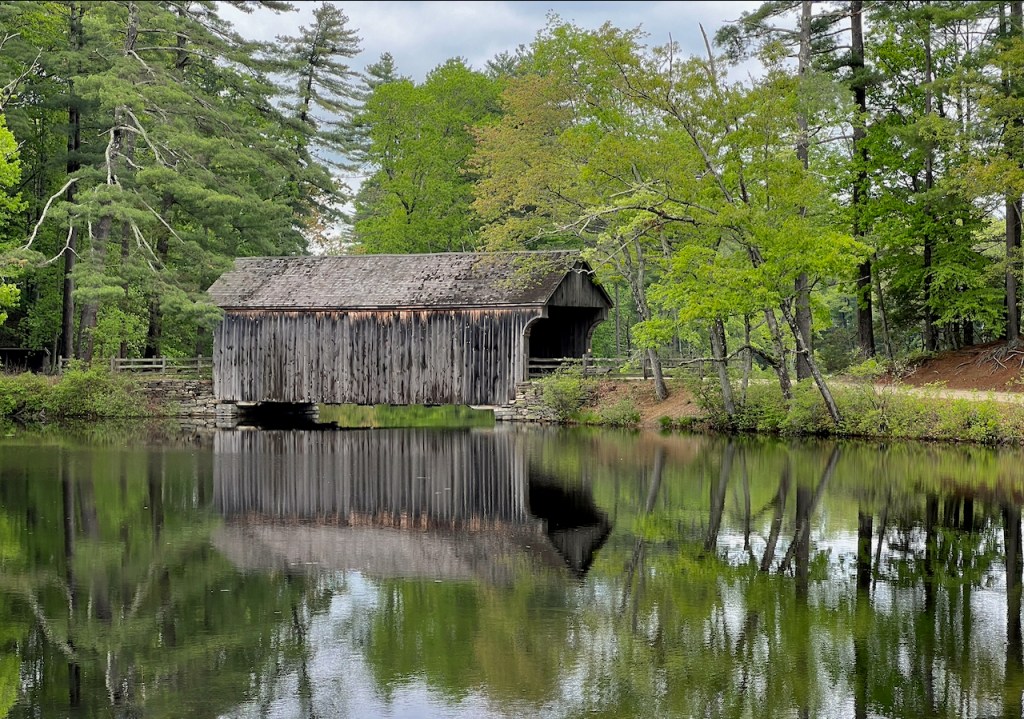
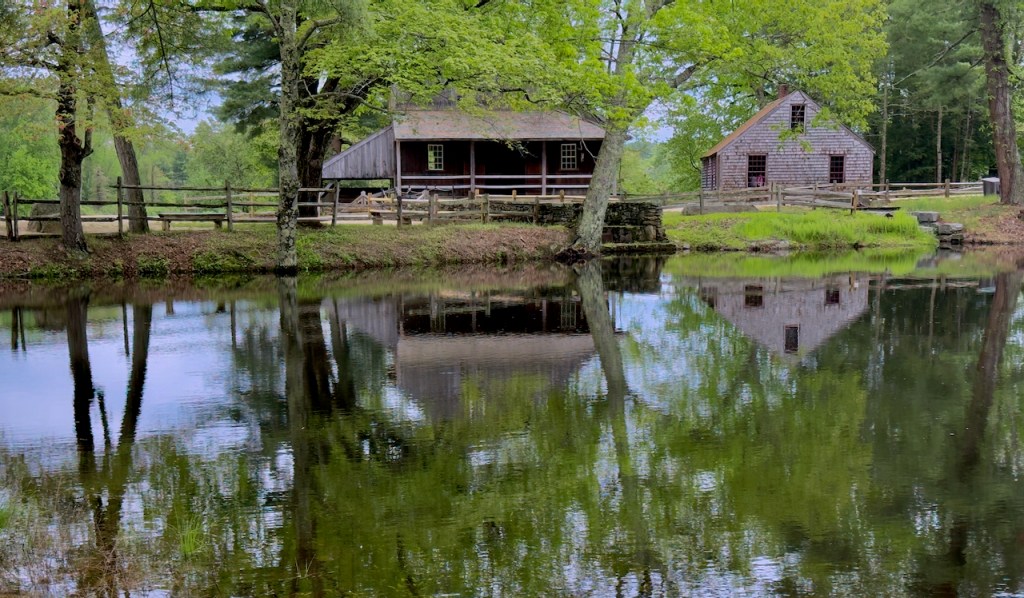
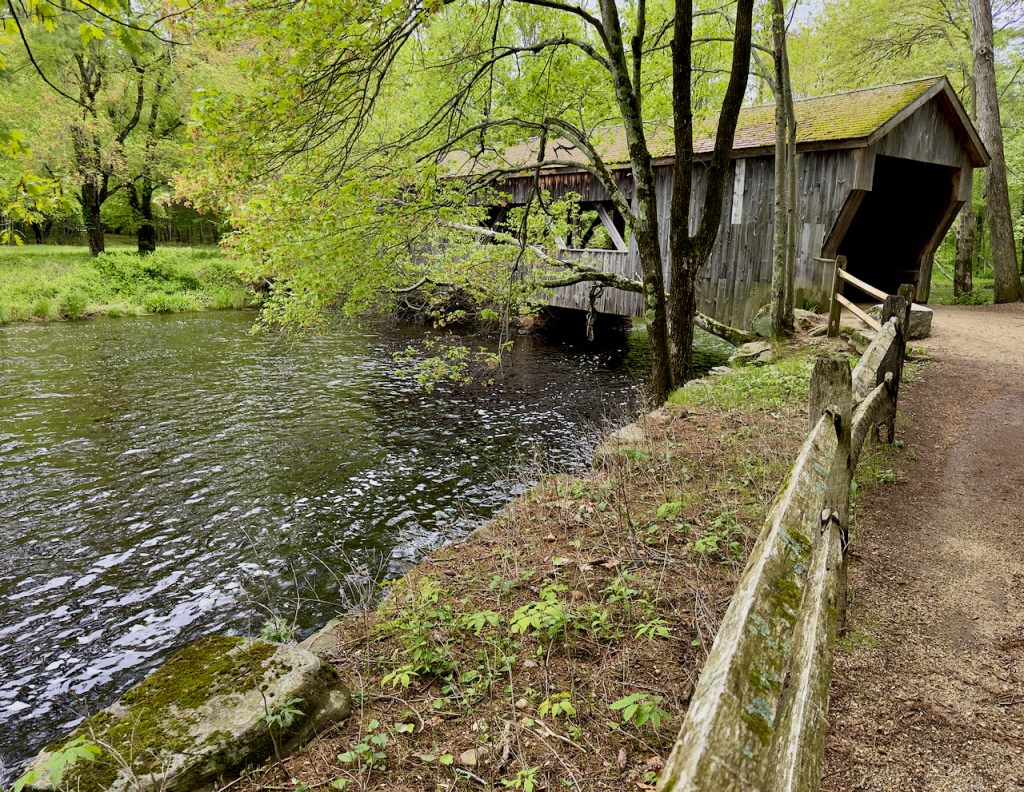
There were also two covered bridges with a pond to make nice reflection photos.
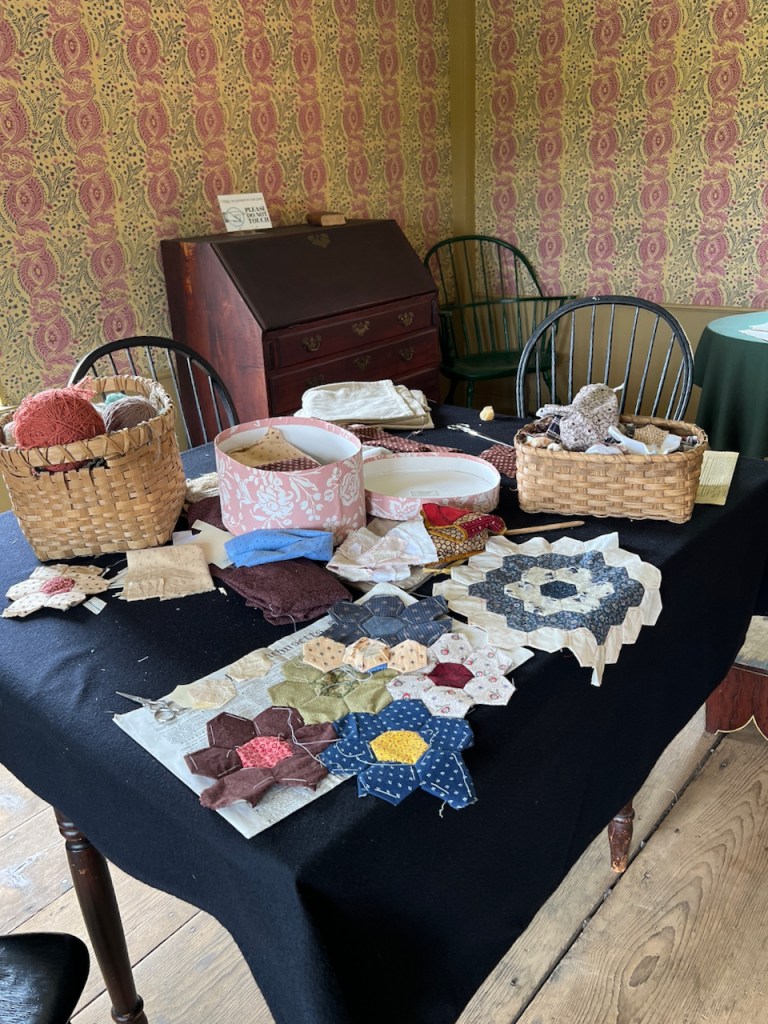
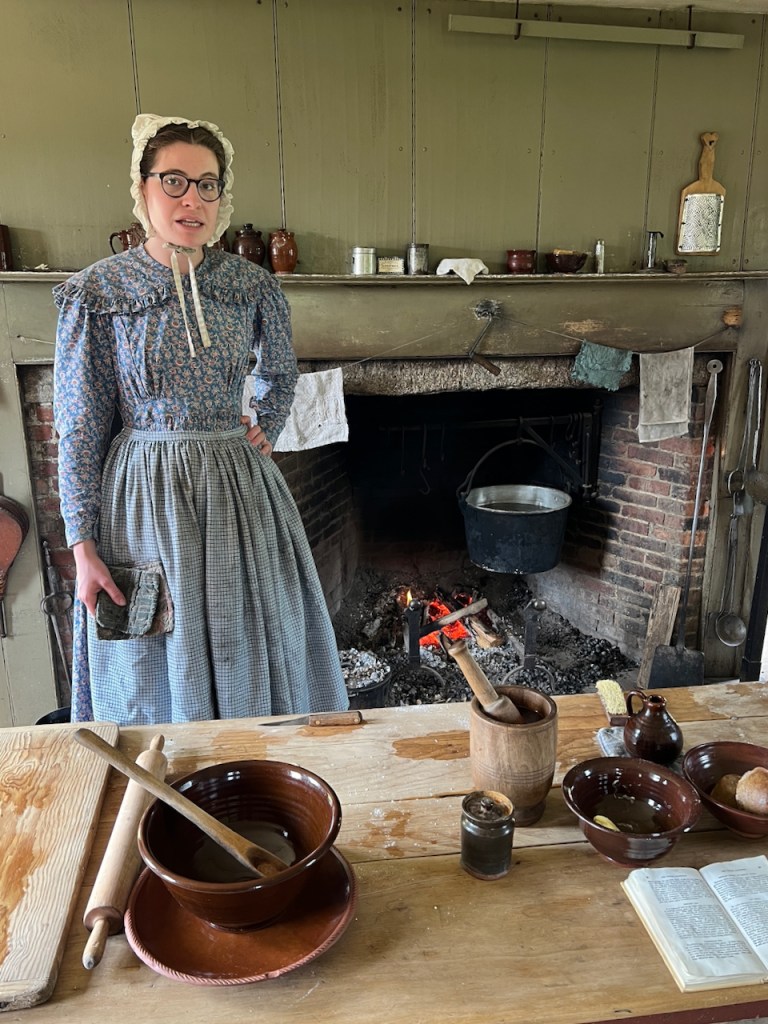
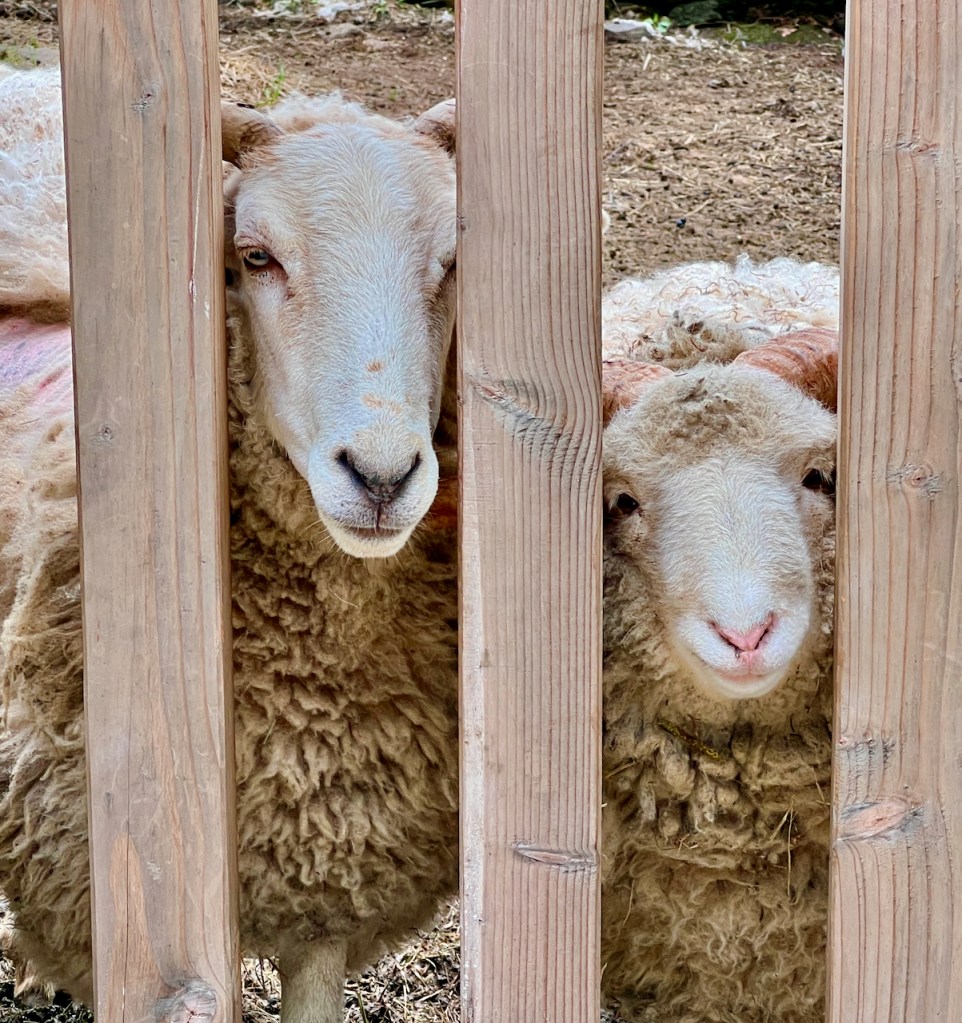
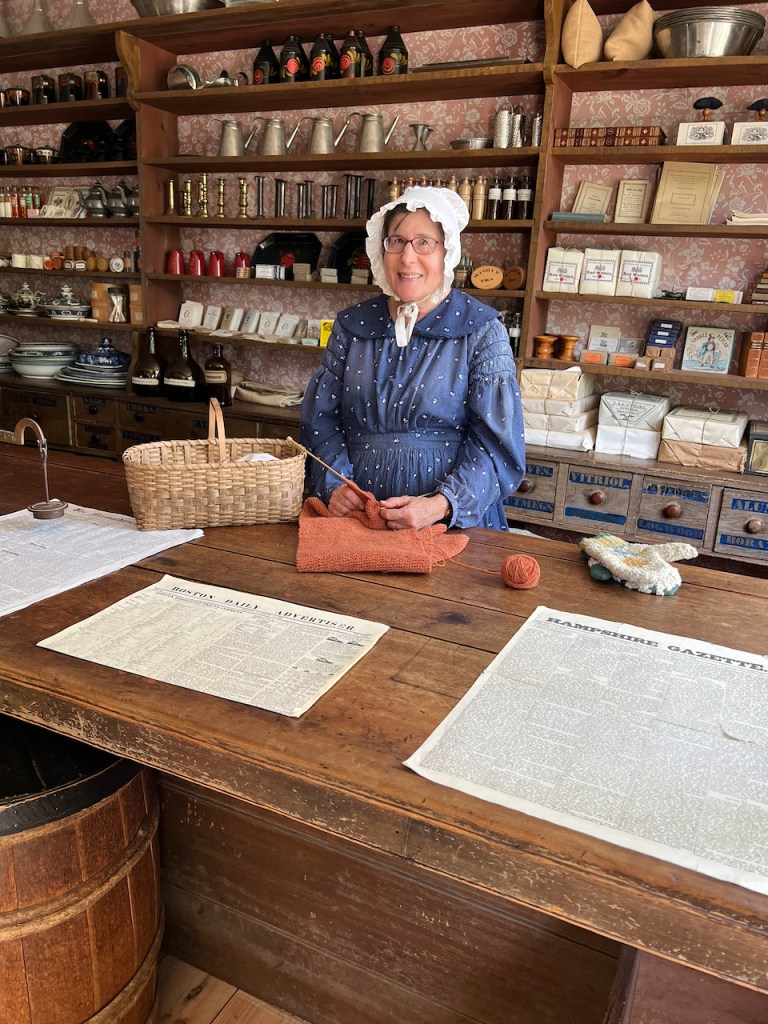
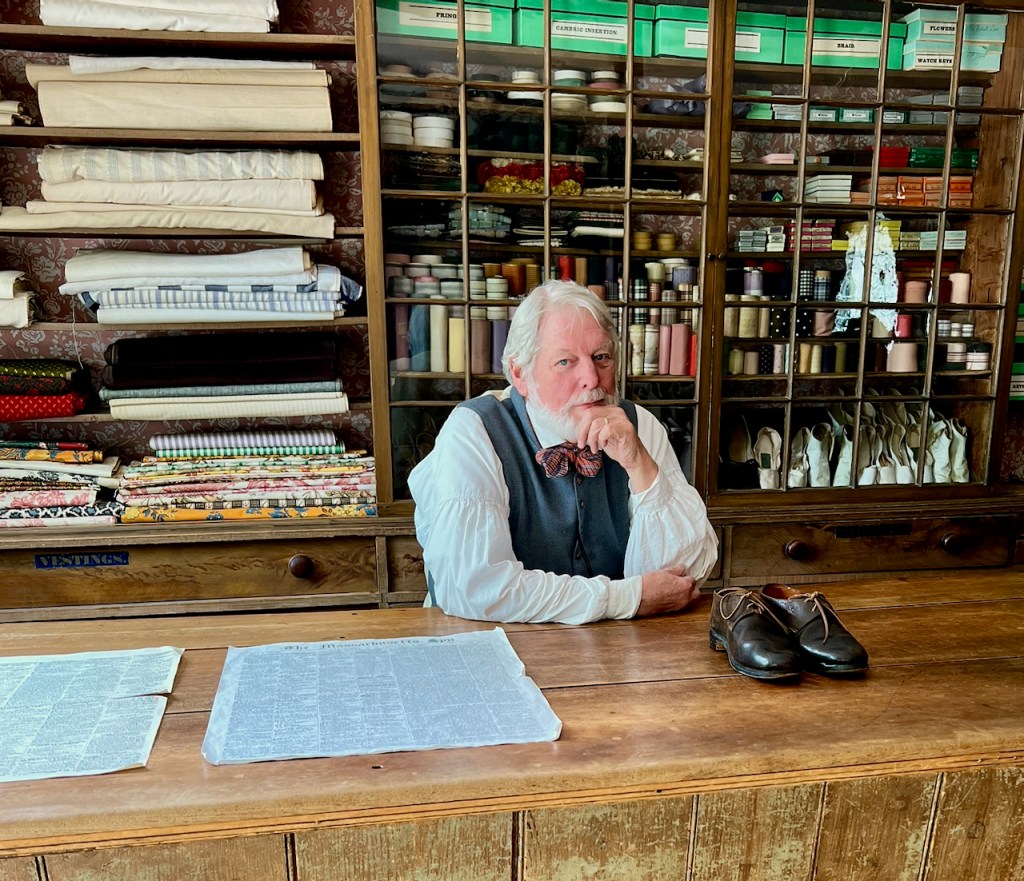
The following photos are of people doing daily tasks.




The Wayside Inn Gristmill in Sudbury, MA.

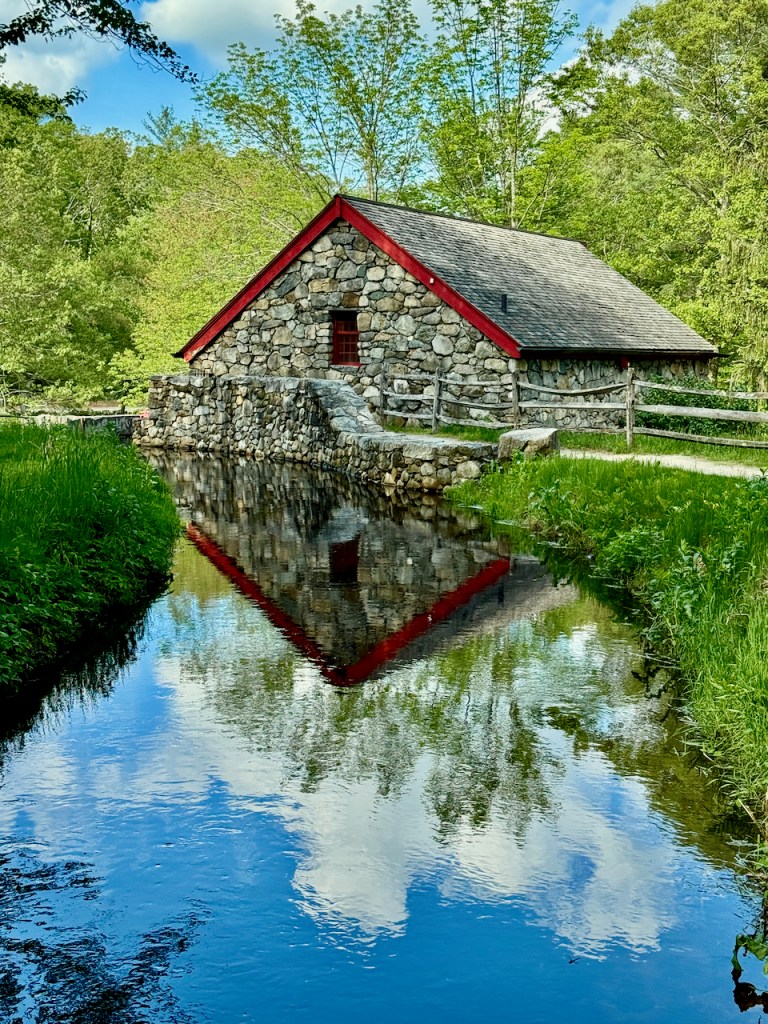


The Millstream Mill is in Chelmsford, MA and seemed to be set in a private property situation although there was a path that led to the mill pond. It was maybe more open at various times, but no signage.

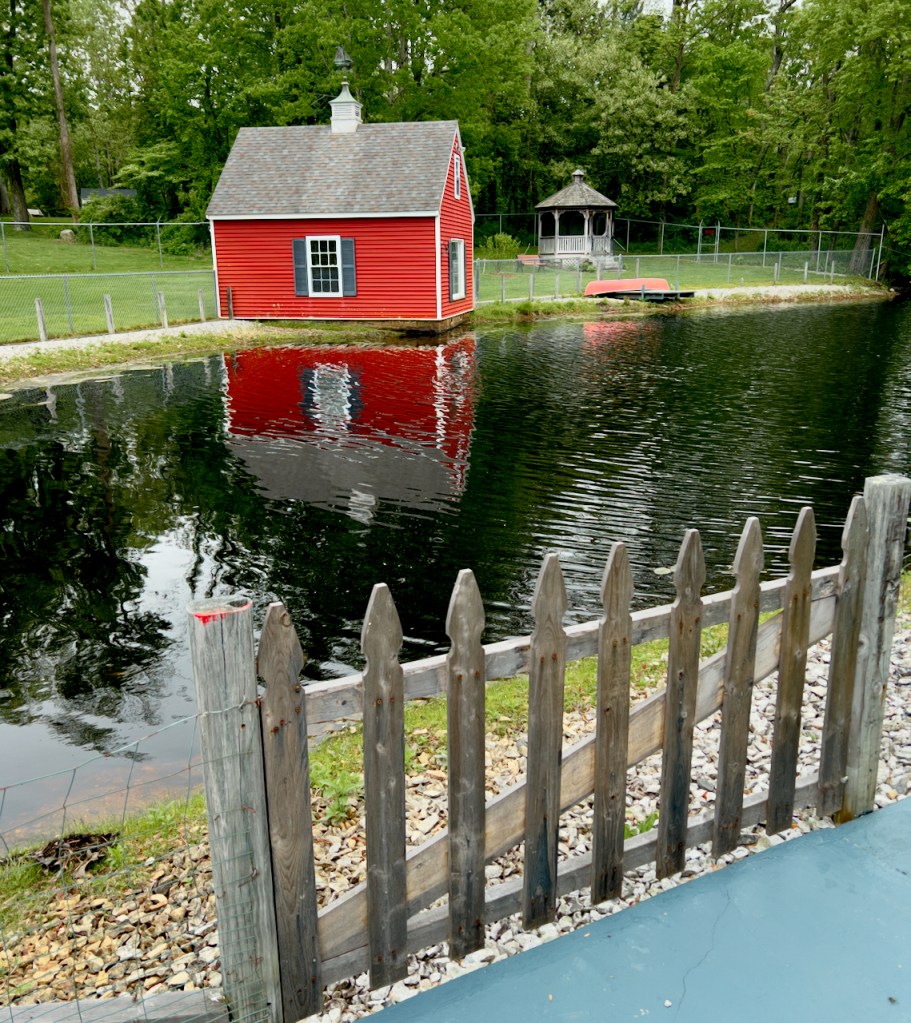


 Ophardt Photos
WOW!!! Wh
Hi Charles,
Wonderful photos as always. I enjoy looking at your travels.
Best,
Allan
Oh Charles: I live lighthouses and your photos of the Topiaries are amazing. I always enjoy your photos and stay well😊🙏🏻🤗
WOW, Charles. What a fantastic trip you had AND, OF COURSE, the photos are nothing short of fabulous.
Really enjoyed the light houses since we have the three in Erie PA.